Mathematical Modelling of Infectious Diseases Unit, Institut Pasteur, UMR2000, CNRS, 75015 Paris, France; All the authors made equal contributions.
Mathematical Modelling of Infectious Diseases Unit, Institut Pasteur, UMR2000, CNRS, 75015 Paris, France; All the authors made equal contributions.
Trends Parasitol. 2019 May;35(5):369-379. doi: 10.1016/j.pt.2019.01.009. Epub 2019 Feb 6.
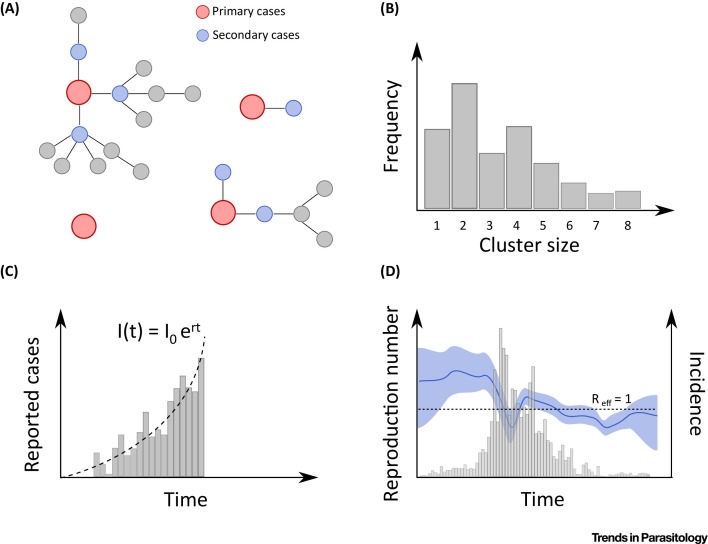
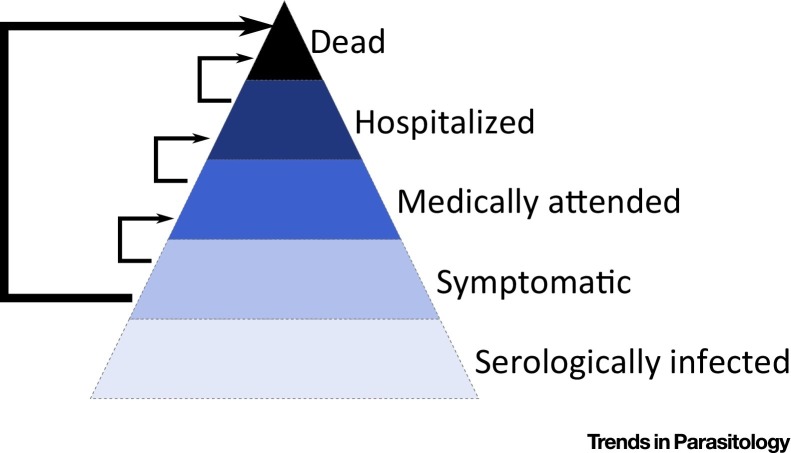
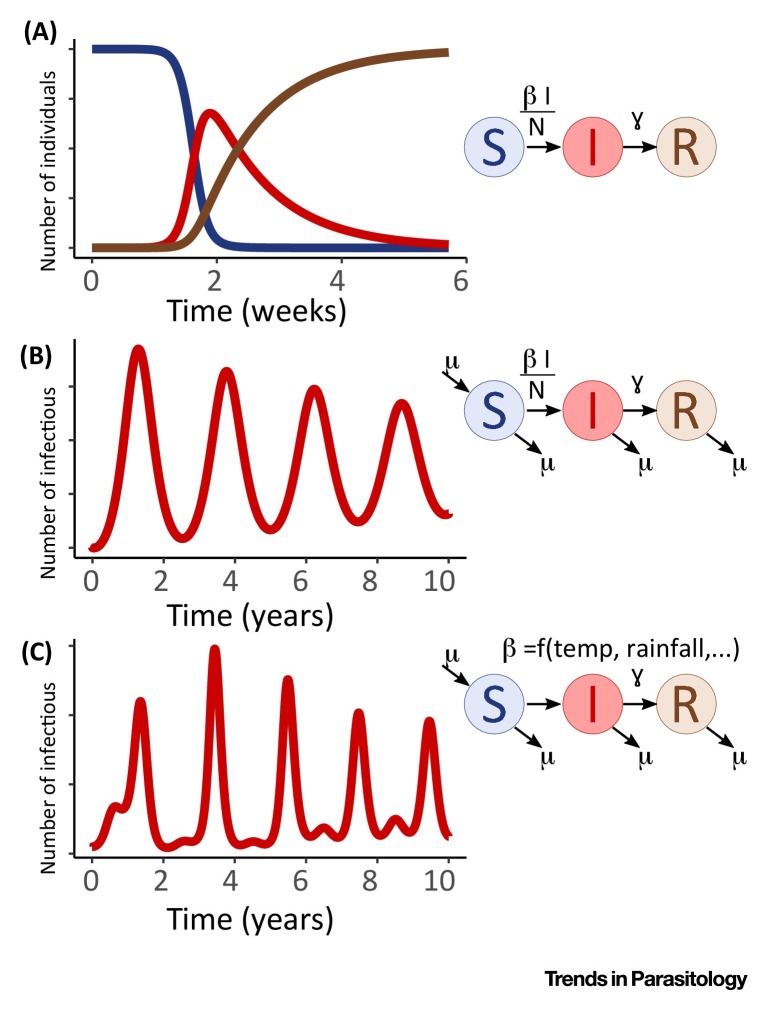
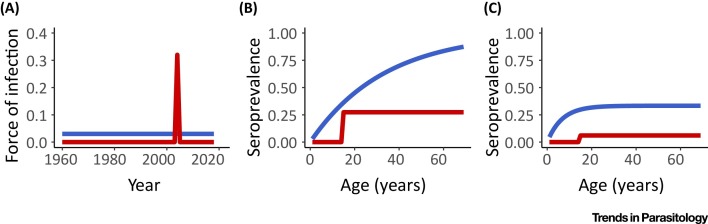
Mathematical models play an increasingly important role in our understanding of the transmission and control of infectious diseases. Here, we present concrete examples illustrating how mathematical models, paired with rigorous statistical methods, are used to parse data of different levels of detail and breadth and estimate key epidemiological parameters (e.g., transmission and its determinants, severity, impact of interventions, drivers of epidemic dynamics) even when these parameters are not directly measurable, when data are limited, and when the epidemic process is only partially observed. Finally, we assess the hurdles to be taken to increase availability and applicability of these approaches in an effort to ultimately enhance their public health impact.
数学模型在我们理解传染病的传播和控制方面发挥着越来越重要的作用。在这里,我们将举例说明如何将数学模型与严格的统计方法相结合,用于解析不同详细程度和广度的数据,并估计关键的流行病学参数(例如,传播及其决定因素、严重程度、干预措施的影响、疫情动态的驱动因素),即使这些参数无法直接测量,数据有限,且疫情过程仅部分观察到的情况下也是如此。最后,我们评估了在提高这些方法的可用性和适用性方面需要克服的障碍,以最终增强它们对公共卫生的影响。