Luo Zinan, Brock Jordan, Dyer John M, Kutchan Toni, Schachtman Daniel, Augustin Megan, Ge Yufeng, Fahlgren Noah, Abdel-Haleem Hussein
U.S. Arid Land Agricultural Research Center, Agricultural Research Service, United States Department of Agriculture, Maricopa, AZ, United States.
Department of Biology, Washington University in St. Louis, St. Louis, MO, United States.
Front Plant Sci. 2019 Feb 20;10:184. doi: 10.3389/fpls.2019.00184. eCollection 2019.
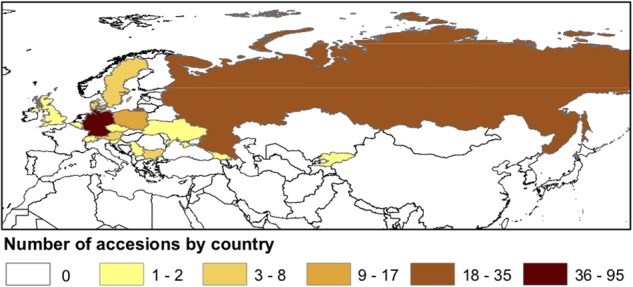
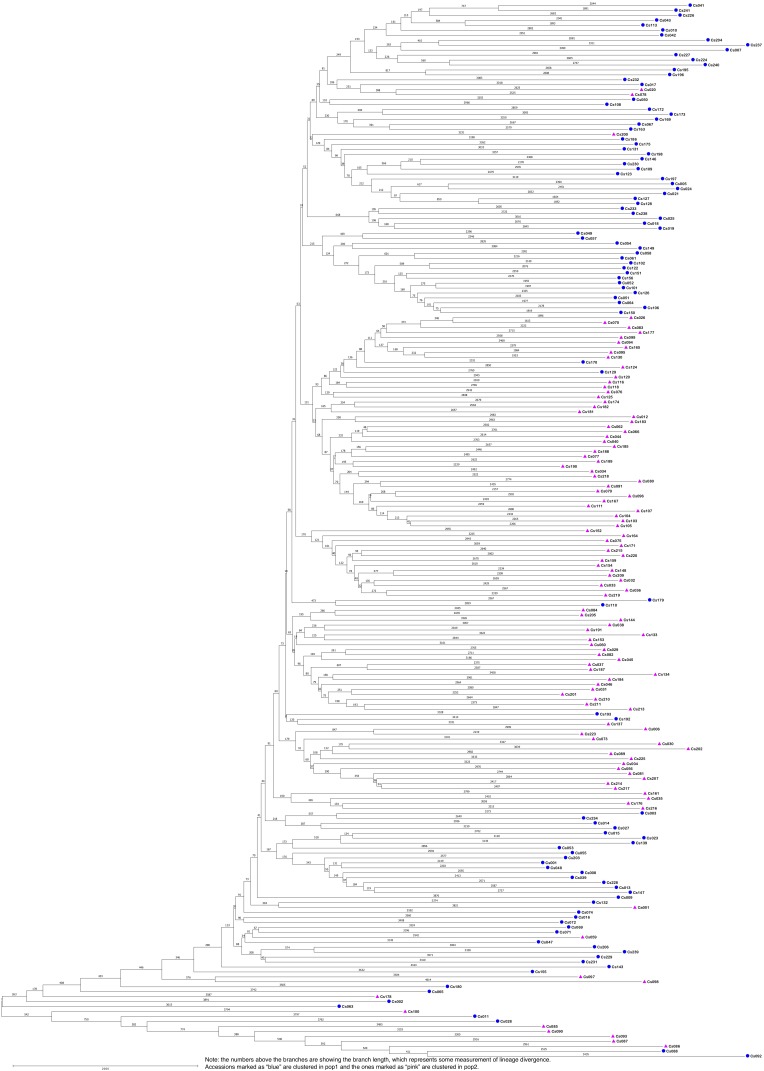
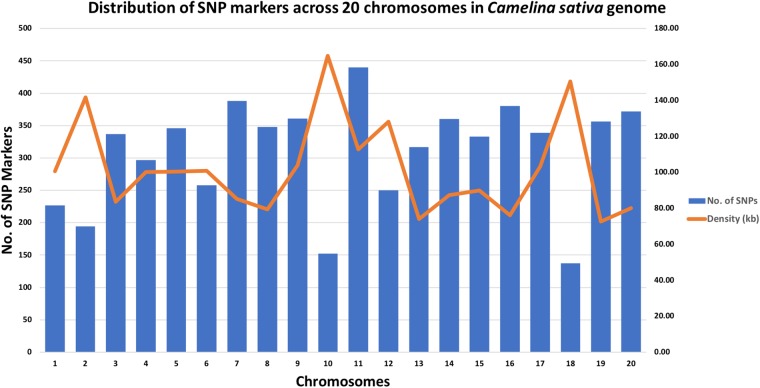
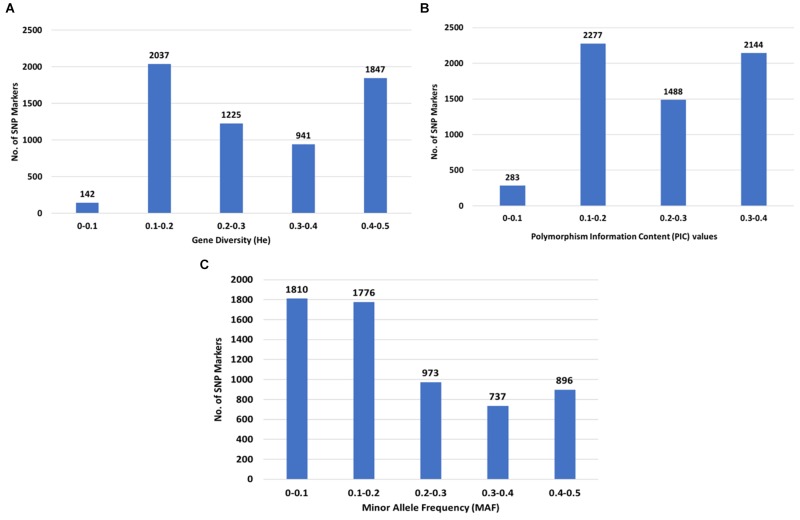
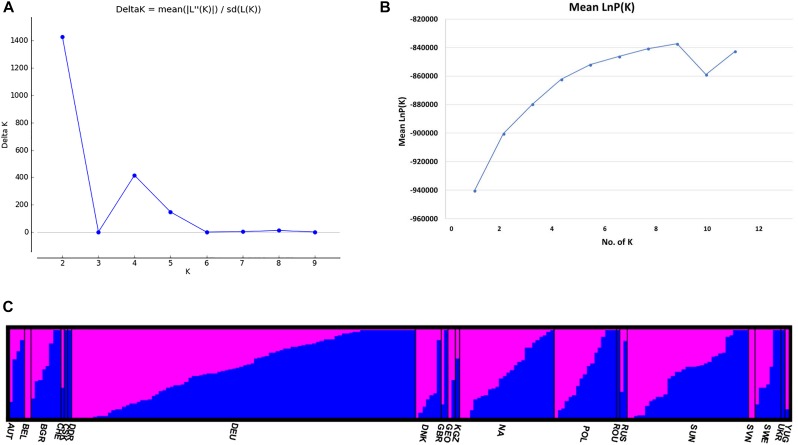
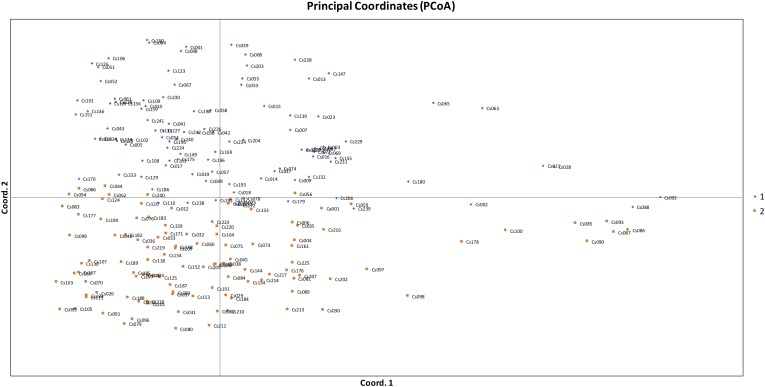
There is a need to explore renewable alternatives (e.g., biofuels) that can produce energy sources to help reduce the reliance on fossil oils. In addition, the consumption of fossil oils adversely affects the environment and human health via the generation of waste water, greenhouse gases, and waste solids. , originated from southeastern Europe and southwestern Asia, is being re-embraced as an industrial oilseed crop due to its high seed oil content (36-47%) and high unsaturated fatty acid composition (>90%), which are suitable for jet fuel, biodiesel, high-value lubricants and animal feed. 's agronomic advantages include short time to maturation, low water and nutrient requirements, adaptability to adverse environmental conditions and resistance to common pests and pathogens. These characteristics make it an ideal crop for sustainable agricultural systems and regions of marginal land. However, the lack of genetic and genomic resources has slowed the enhancement of this emerging oilseed crop and exploration of its full agronomic and breeding potential. Here, a core of 213 spring accessions was collected and genotyped. The genotypic data was used to characterize genetic diversity and population structure to infer how natural selection and plant breeding may have affected the formation and differentiation within the natural populations, and how the genetic diversity of this species can be used in future breeding efforts. A total of 6,192 high-quality single nucleotide polymorphisms (SNPs) were identified using genotyping-by-sequencing (GBS) technology. The average polymorphism information content (PIC) value of 0.29 indicate moderate genetic diversity for the spring panel evaluated in this report. Population structure and principal coordinates analyses (PCoA) based on SNPs revealed two distinct subpopulations. Sub-population 1 (POP1) contains accessions that mainly originated from Germany while the majority of POP2 accessions (>75%) were collected from Eastern Europe. Analysis of molecular variance (AMOVA) identified 4% variance among and 96% variance within subpopulations, indicating a high gene exchange (or low genetic differentiation) between the two subpopulations. These findings provide important information for future allele/gene identification using genome-wide association studies (GWAS) and marker-assisted selection (MAS) to enhance genetic gain in breeding programs.
有必要探索可再生替代能源(如生物燃料),以生产能源,帮助减少对化石油的依赖。此外,化石油的消耗通过产生废水、温室气体和固体废弃物,对环境和人类健康产生不利影响。 原产于欧洲东南部和亚洲西南部,因其种子含油量高(36-47%)和不饱和脂肪酸组成高(>90%),正重新成为一种工业油料作物,适合用于喷气燃料、生物柴油、高价值润滑剂和动物饲料。 的农艺优势包括成熟时间短、需水量和养分低、对不利环境条件的适应性以及对常见病虫害的抗性。这些特性使其成为可持续农业系统和边际土地地区的理想作物。然而,缺乏遗传和基因组资源减缓了这种新兴油料作物的改良及其全部农艺和育种潜力的探索。在此,收集了213份春季 种质并进行基因分型。利用基因型数据来表征遗传多样性和群体结构,以推断自然选择和植物育种可能如何影响 自然群体内的形成和分化,以及该物种的遗传多样性如何用于未来的育种工作。使用测序基因分型(GBS)技术共鉴定出6192个高质量单核苷酸多态性(SNP)。本报告评估的春季 群体的平均多态性信息含量(PIC)值为0.29,表明遗传多样性中等。基于SNP的群体结构和主坐标分析(PCoA)揭示了两个不同的亚群。亚群1(POP1)包含主要来自德国的种质,而大多数POP2种质(>75%)是从东欧收集的。分子方差分析(AMOVA)确定亚群间方差为4%,亚群内方差为96%,表明两个亚群之间基因交换率高(或遗传分化低)。这些发现为未来利用全基因组关联研究(GWAS)和标记辅助选择(MAS)进行等位基因/基因鉴定提供了重要信息,以提高 育种计划中的遗传增益。