Sookhaklari Roksana, Geramizadeh Bita, Abkar Morteza, Moosavi Maryam
Students Research Committee, School of Medicine, Shiraz University of Medical Sciences, Shiraz, Iran.
Department of Pathology, Transplant Research Center, Shiraz University of Medical Sciences, Shiraz, Iran.
Avicenna J Phytomed. 2019 Mar-Apr;9(2):92-100.
Parkinson's disease (PD) is regarded as the second most common neurodegenerative disease affecting elderly population. There is a tendency toward finding natural cures to suppress the initiation and progression of this disease. Some epidemiological studies indicated lower incidence of PD in populations that consume curry. Curcumin, as the main ingredient of turmeric, has been supposed to have a protective role against PD progression. However, low bioavailability of curcumin is still a challenge in evaluation of the therapeutic potential of this substance. In this study, we aimed to produce a BSA-based nanocurcumin to assess its effect on 6-hydroxydopamine (6-OHDA)-induced death and Akt signaling disruption in SH-SY5Y cells.
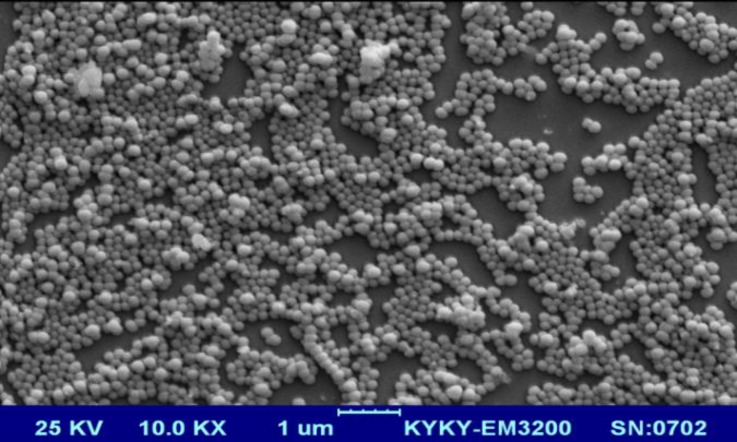
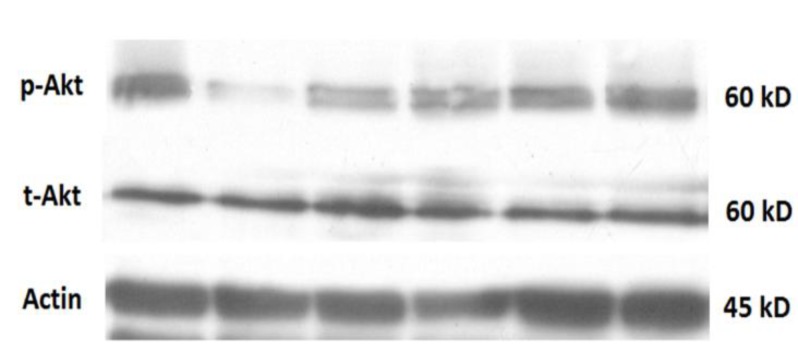
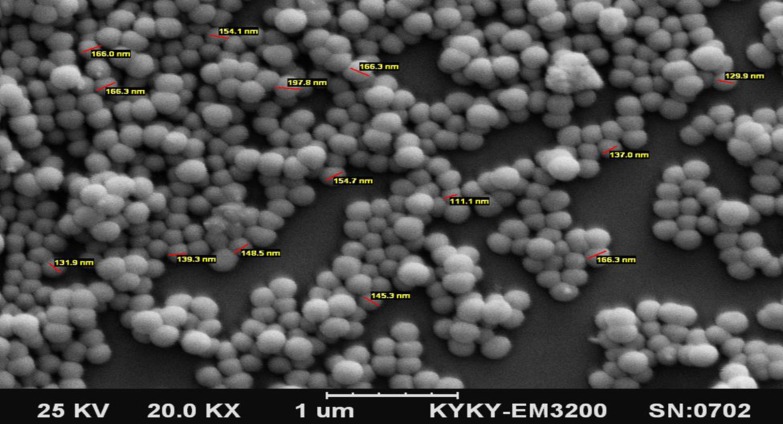
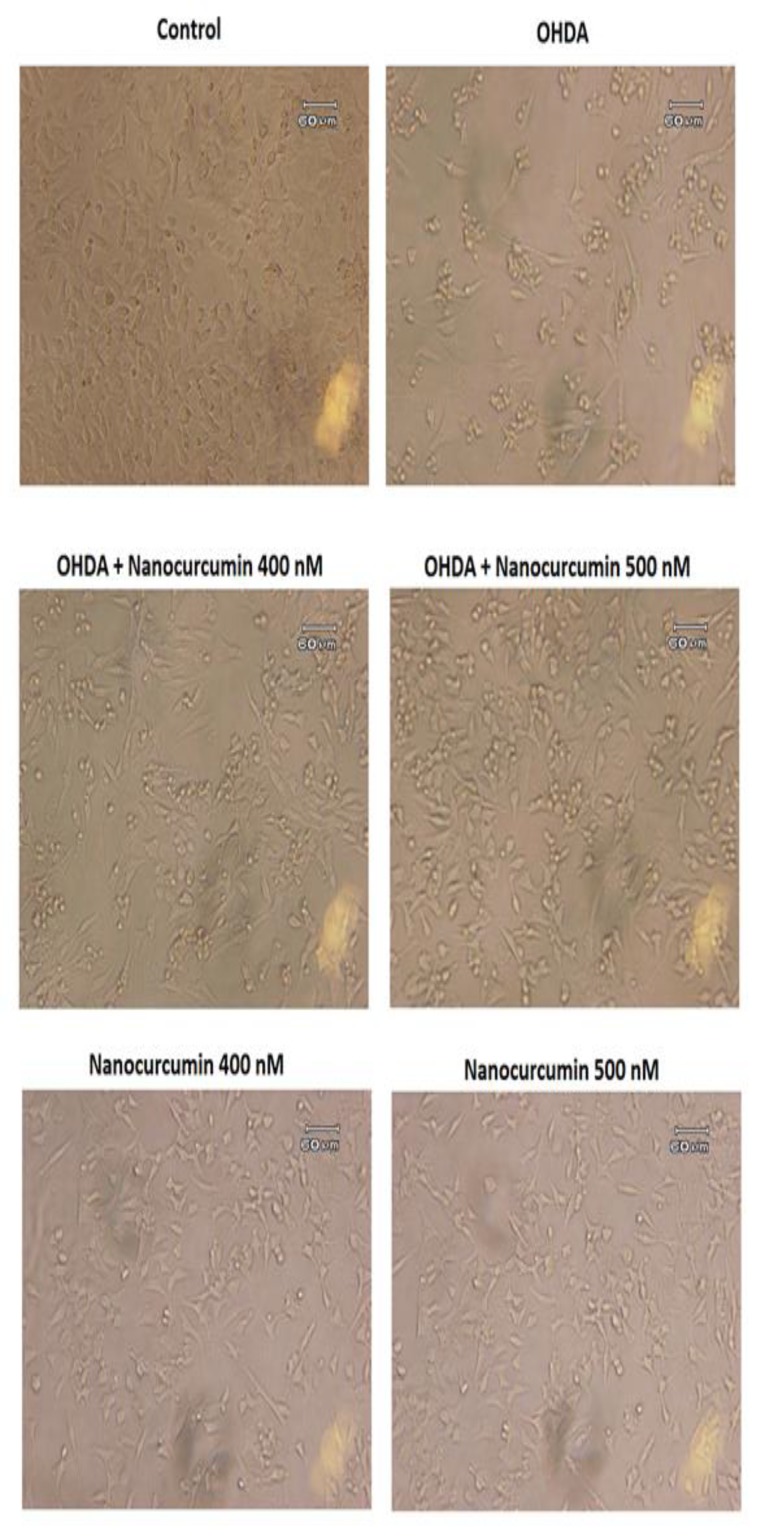
BSA-based nanocurcumin was produced using desolvation method. Human neuroblastoma cells were treated with OHDA with/without different doses of nanocurcumin and MTT test was used to assess their viability besides observing cells morphological changes. The protective doses of nanocurcumine were chosen according to MTT results and western blot studies were done to assess p-Akt/t-Akt ratio.
6-OHDA exposure led to decreased cell viability, while nanocurcumin at doses of 400 and 500 nM prevented cell death. Moreover, this nanoformulation of curcumin restored p-Akt/t-Akt decrement induced by 6-OHDA. The protective effect of BSA-based nanocurcumin was estimated to be at least 4 time higher than that of natural curcumin according to the MTT results.
It seems that BSA-based nanocurcumin can be regarded as a potent substitute for natural curcumin in protecting SH-SY5Y cell as a cellular model of PD.
帕金森病(PD)被认为是影响老年人群的第二常见神经退行性疾病。人们倾向于寻找天然疗法来抑制这种疾病的发生和发展。一些流行病学研究表明,食用咖喱的人群中PD发病率较低。姜黄素作为姜黄的主要成分,被认为对PD进展具有保护作用。然而,姜黄素的低生物利用度仍是评估该物质治疗潜力的一个挑战。在本研究中,我们旨在制备基于牛血清白蛋白(BSA)的纳米姜黄素,以评估其对6-羟基多巴胺(6-OHDA)诱导的SH-SY5Y细胞死亡和Akt信号通路破坏的影响。
采用去溶剂法制备基于BSA的纳米姜黄素。用含或不含不同剂量纳米姜黄素的6-OHDA处理人神经母细胞瘤细胞,除观察细胞形态变化外,还采用MTT试验评估细胞活力。根据MTT结果选择纳米姜黄素的保护剂量,并进行蛋白质免疫印迹研究以评估p-Akt/t-Akt比值。
6-OHDA暴露导致细胞活力下降,而400和500 nM剂量的纳米姜黄素可防止细胞死亡。此外,这种姜黄素纳米制剂恢复了由6-OHDA诱导的p-Akt/t-Akt降低。根据MTT结果,基于BSA的纳米姜黄素的保护作用估计比天然姜黄素至少高4倍。
基于BSA的纳米姜黄素似乎可作为天然姜黄素的有效替代品,用于保护作为PD细胞模型的SH-SY5Y细胞。