Jafarnejad Sadegh, Mahboobi Sepideh, McFarland Lynne V, Taghizadeh Mohsen, Rahimi Fatemeh
Research Center for Biochemistry and Nutrition in Metabolic Diseases, Kashan University of Medical Sciences, Kashan 87137-81147, Iran.
Department of Community Nutrition, Shiraz University of Medical Sciences, Shiraz 71348-14336, Iran.
Prev Nutr Food Sci. 2019 Mar;24(1):8-23. doi: 10.3746/pnf.2019.24.1.8. Epub 2019 Mar 31.
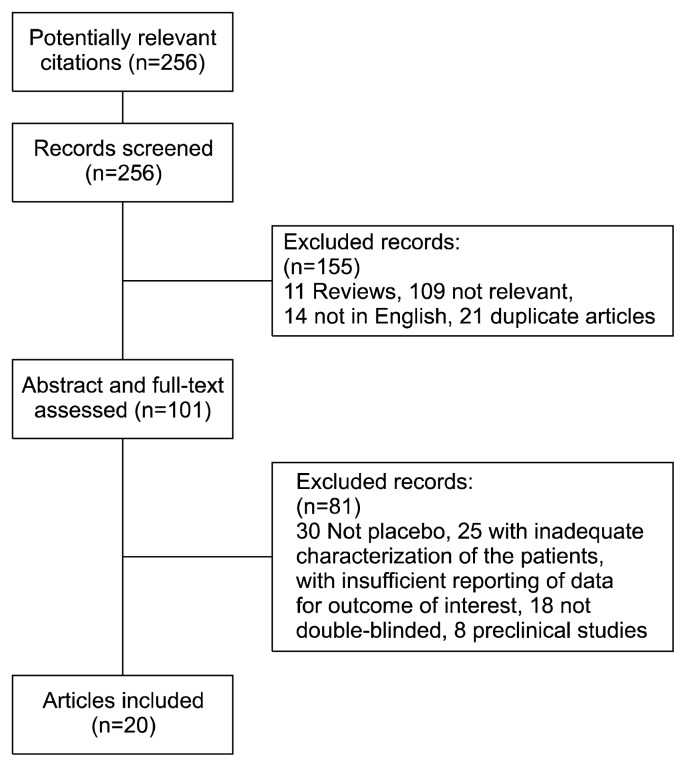
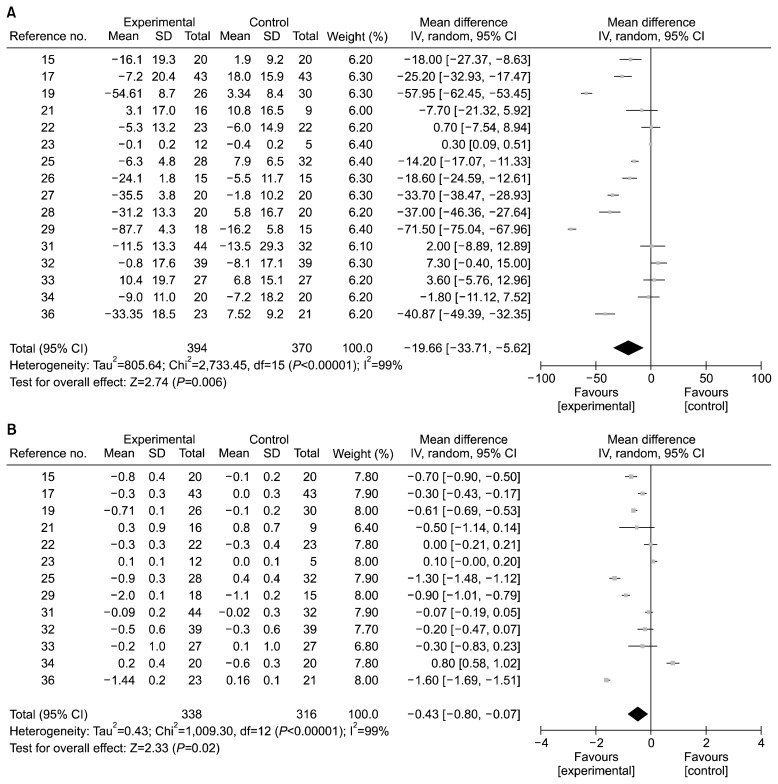
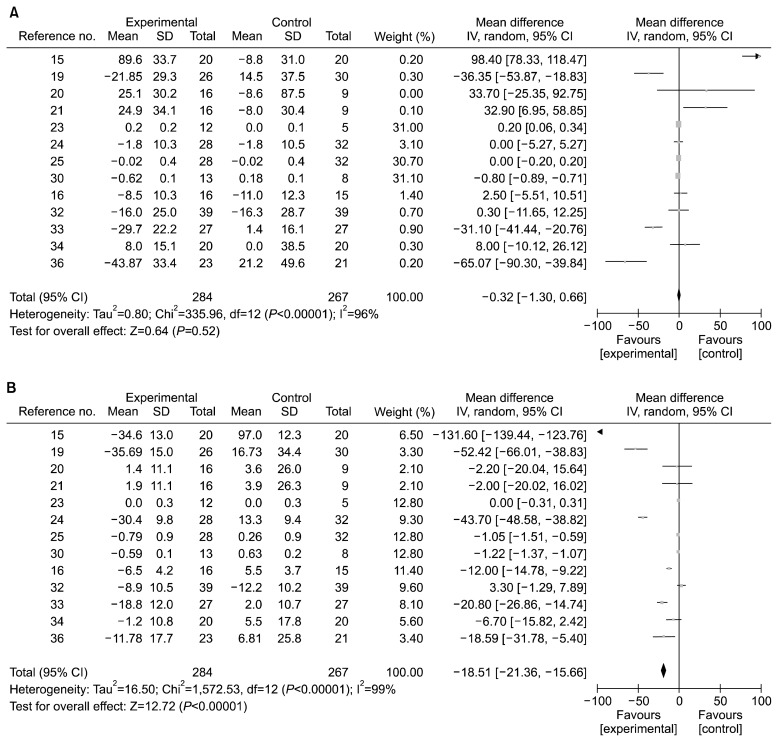
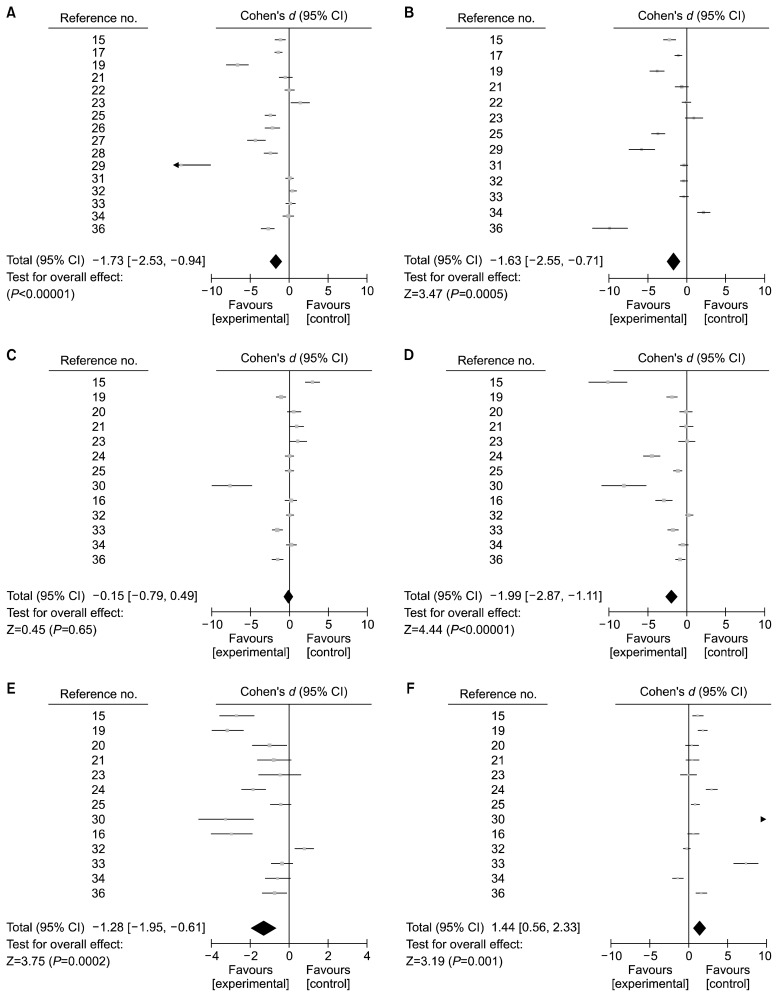
The present study aims to assess the effects of zinc supplementation on metabolic parameters in patients with type 2 diabetes. A literature search was conducted in PubMed, Google Scholar, and Scopus up to March 2018. Twenty randomized controlled trials met the predefined inclusion criteria and were included in the meta-analysis. Weighted mean difference (WMD) with 95% confidence intervals (CIs) were calculated for net changes in glycemic indices including fasting blood glucose (FBG) and hemoglobin A1c (HbA1c), and in lipid markers including total cholesterol (TC), triglyceride (TG), low-density lipoprotein cholesterol (LDL-c), and high density lipoprotein cholesterol (HDL-c). Subgroup analyses were performed based on intervention and study quality. Compared to controls, zinc supplementation significantly reduced the concentrations of both FBG and HbA1c (FBG WMD: -19.66 mg/dL, 95% CI: -33.71, -5.62; HbA1c WMD: -0.43 mg/dL, 95% CI: -0.80, -0.07). The pooled estimate showed a significant decrease in serum TC and LDL-c, and increase in serum HDL-c levels in treatment group compared with the control group (TC WMD: -18.51 mg/dL, 95% CI: -21.36, -15.66; LDL-c WMD: -4.80 mg/dL, 95% CI: -6.07, -3.53; HDL-c WMD: 1.45 mg/dL, 95% CI: 1.40, 1.51). Subgroup analysis of "no co-supplement" intervention demonstrated significant differences for mean changes in HDL-c and FBG levels, whereas subgroup analysis of high quality studies showed significant differences for mean changes of LDL-c, HDL-c, and FBG levels. Results suggested that zinc supplementation reduces FBG, HbA1c and LDL-c levels and increases HDL-C levels; however, these changes were related to intervention and quality of studies.
本研究旨在评估补充锌对2型糖尿病患者代谢参数的影响。截至2018年3月,在PubMed、谷歌学术和Scopus数据库中进行了文献检索。20项随机对照试验符合预先设定的纳入标准,并被纳入荟萃分析。计算了血糖指标(包括空腹血糖(FBG)和糖化血红蛋白(HbA1c))以及血脂指标(包括总胆固醇(TC)、甘油三酯(TG)、低密度脂蛋白胆固醇(LDL-c)和高密度脂蛋白胆固醇(HDL-c))净变化的加权平均差(WMD)及其95%置信区间(CI)。根据干预措施和研究质量进行亚组分析。与对照组相比,补充锌显著降低了FBG和HbA1c的浓度(FBG的WMD:-19.66mg/dL,95%CI:-33.71,-5.62;HbA1c的WMD:-0.43mg/dL,95%CI:-0.80,-0.07)。汇总估计显示,与对照组相比,治疗组血清TC和LDL-c显著降低,血清HDL-c水平升高(TC的WMD:-18.51mg/dL,95%CI:-21.36,-15.66;LDL-c的WMD:-4.80mg/dL,95%CI:-6.07,-3.53;HDL-c的WMD:1.45mg/dL,95%CI:1.40,1.51)。“无联合补充剂”干预的亚组分析显示HDL-c和FBG水平的平均变化存在显著差异,而高质量研究的亚组分析显示LDL-c、HDL-c和FBG水平的平均变化存在显著差异。结果表明,补充锌可降低FBG、HbA1c和LDL-c水平,并提高HDL-C水平;然而,这些变化与干预措施和研究质量有关。