1Department of Translational Medical Science (Section of Pediatrics), University of Naples Federico II, Via S. Pansini 5, 80131 Naples, Italy.
2European Laboratory for the Investigation of Food Induced Diseases (ELFID), University of Naples Federico II, Via S. Pansini 5, 80131 Naples, Italy.
Commun Biol. 2019 May 20;2:190. doi: 10.1038/s42003-019-0443-1. eCollection 2019.
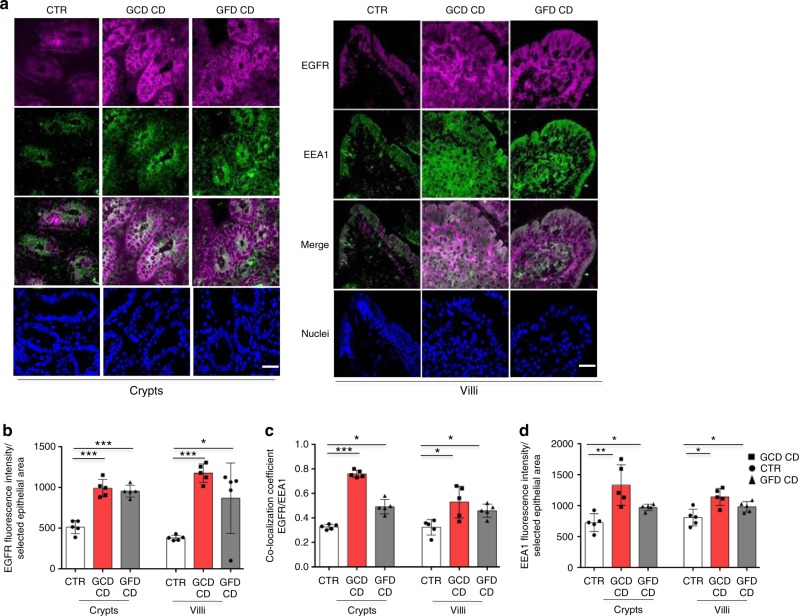
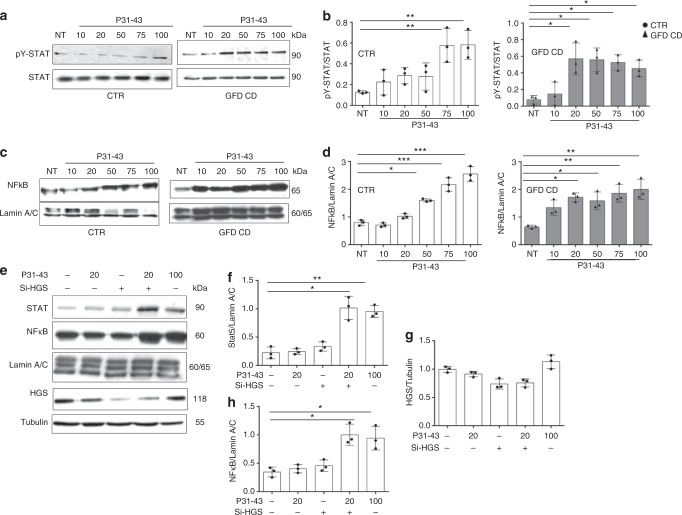
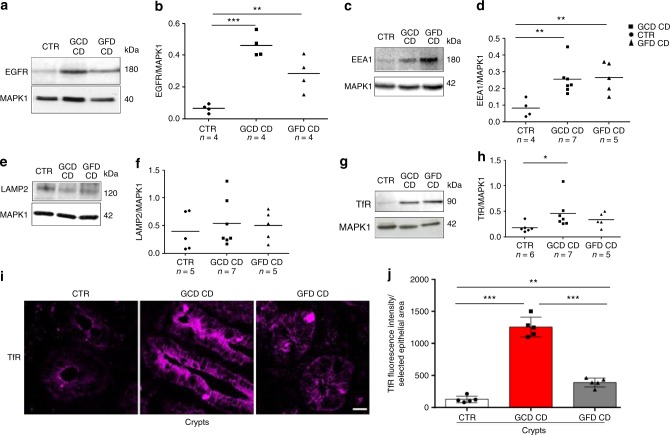
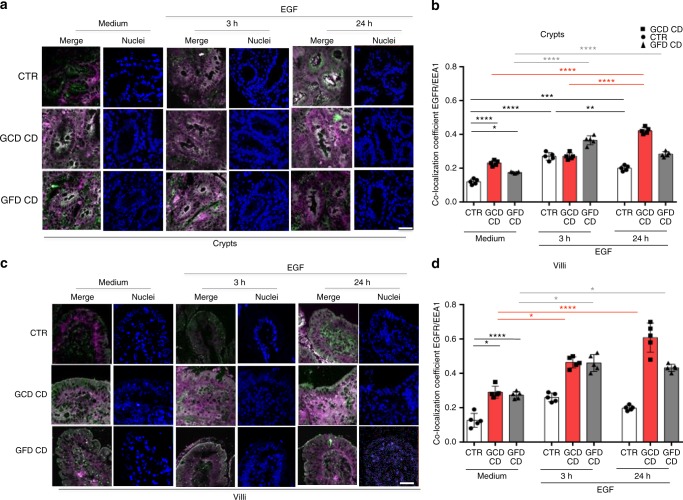
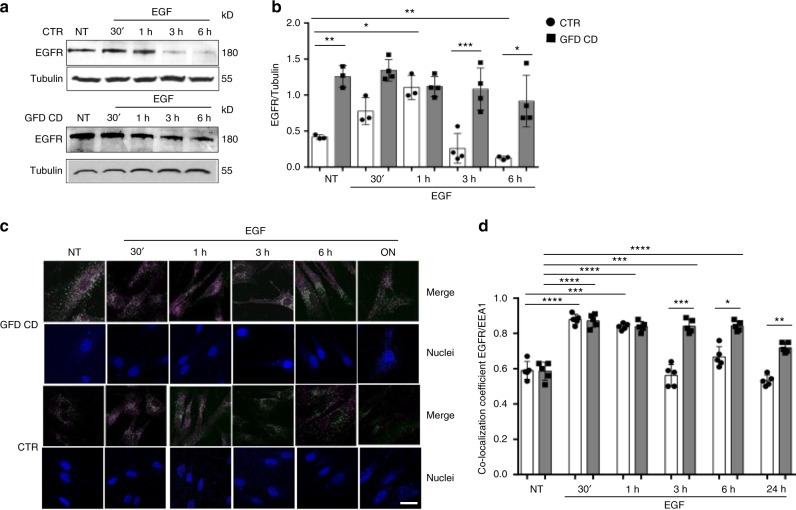
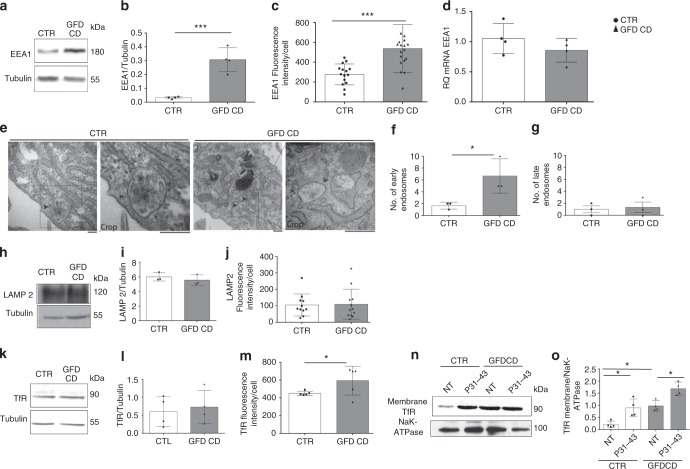
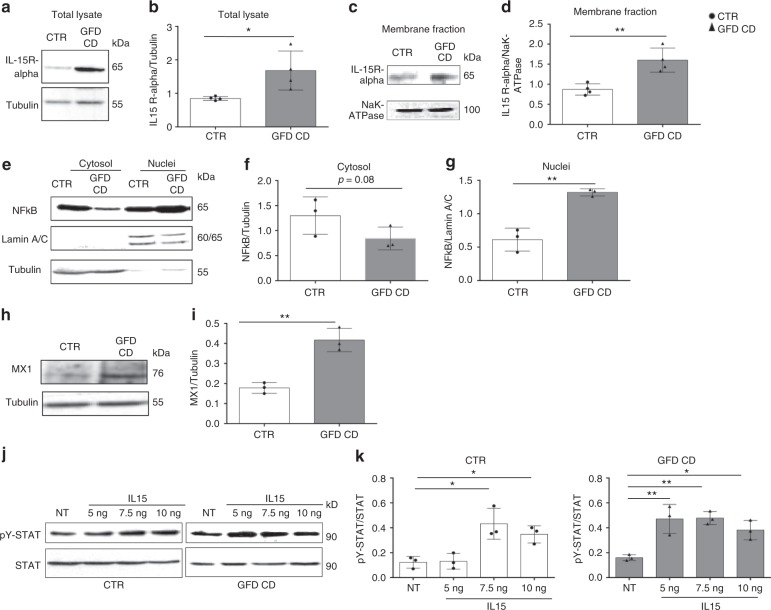
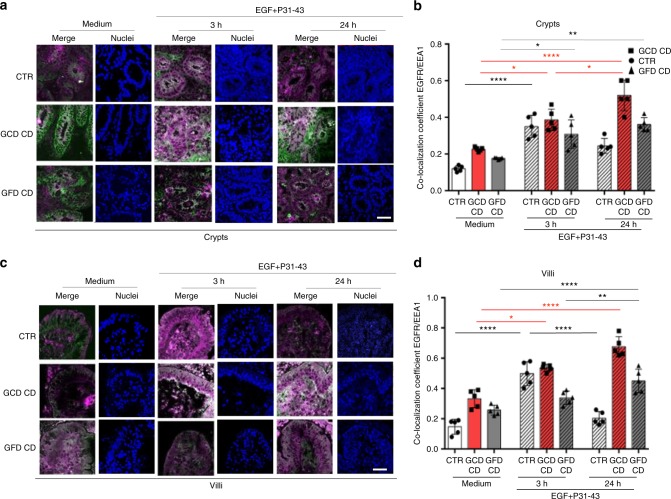
Celiac Disease (CD) is an autoimmune disease characterized by inflammation of the intestinal mucosa due to an immune response to wheat gliadins. Some gliadin peptides (e.g., A-gliadin P57-68) induce an adaptive Th1 pro-inflammatory response. Other gliadin peptides (e.g., A-gliadin P31-43) induce a stress/innate immune response involving interleukin 15 (IL15) and interferon α (IFN-α). In the present study, we describe a stressed/inflamed celiac cellular phenotype in enterocytes and fibroblasts probably due to an alteration in the early-recycling endosomal system. Celiac cells are more sensitive to the gliadin peptide P31-43 and IL15 than controls. This phenotype is reproduced in control cells by inducing a delay in early vesicular trafficking. This constitutive lesion might mediate the stress/innate immune response to gliadin, which can be one of the triggers of the gliadin-specific T-cell response.
乳糜泻(CD)是一种自身免疫性疾病,其特征是由于对小麦麦胶蛋白的免疫反应而导致肠黏膜炎症。一些麦胶蛋白肽(例如,A-麦胶蛋白 P57-68)可诱导适应性 Th1 促炎反应。其他麦胶蛋白肽(例如,A-麦胶蛋白 P31-43)可诱导涉及白细胞介素 15(IL15)和干扰素 α(IFN-α)的应激/固有免疫反应。在本研究中,我们描述了肠上皮细胞和成纤维细胞中应激/炎症的乳糜泻细胞表型,这可能是由于早期再循环内体系统的改变。与对照组相比,乳糜泻细胞对麦胶蛋白肽 P31-43 和 IL15 更敏感。通过诱导早期囊泡转运延迟,可在对照细胞中再现该表型。这种组成性损伤可能介导了对麦胶蛋白的应激/固有免疫反应,这可能是麦胶蛋白特异性 T 细胞反应的触发因素之一。