Department of Microbiology, Jawaharlal Nehru Medical College and Hospital, Aligarh Muslim University, Aligarh 202002, India.
Department of Epidemic Disease Research, Institutes for Research and Medical Consultations (IRMC), Imam Abdulrahman Bin Faisal University, Dammam 31441, Saudi Arabia.
Int J Nanomedicine. 2019 Jun 28;14:4667-4679. doi: 10.2147/IJN.S210449. eCollection 2019.
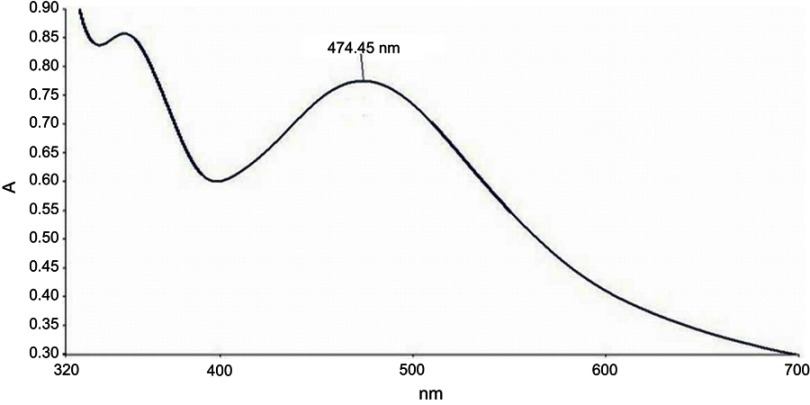
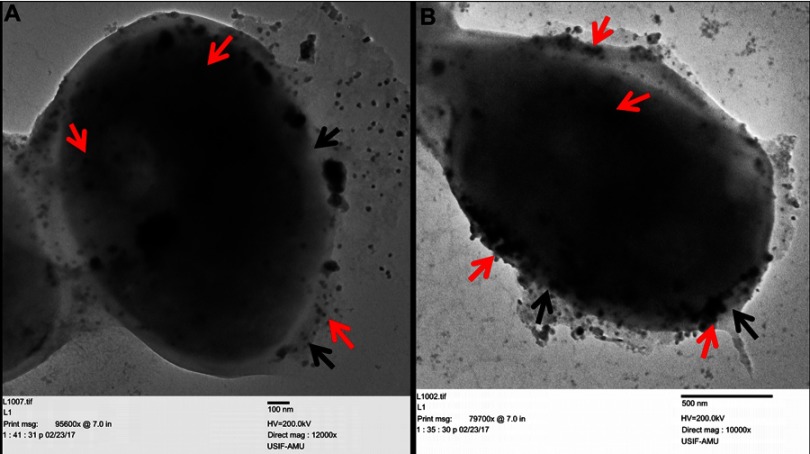
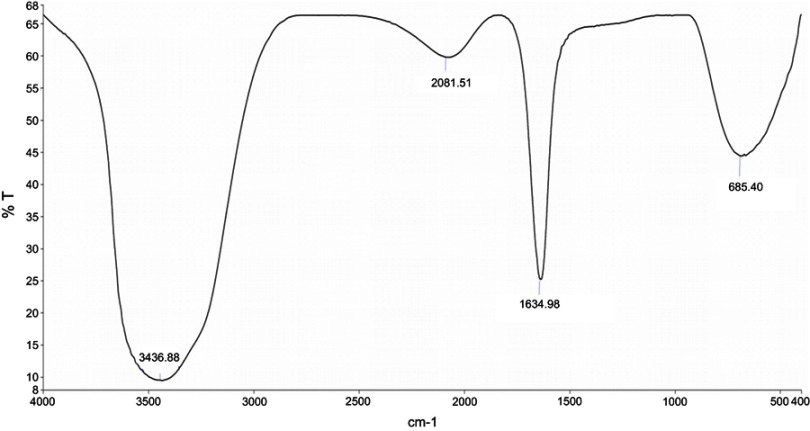
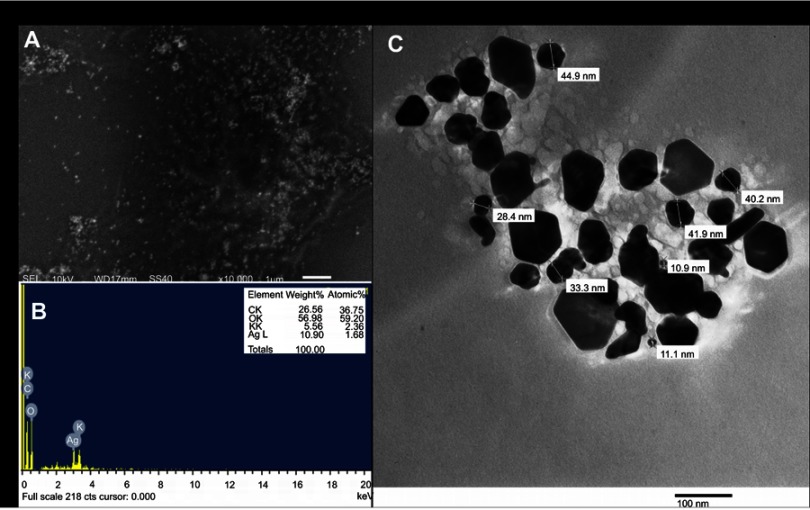
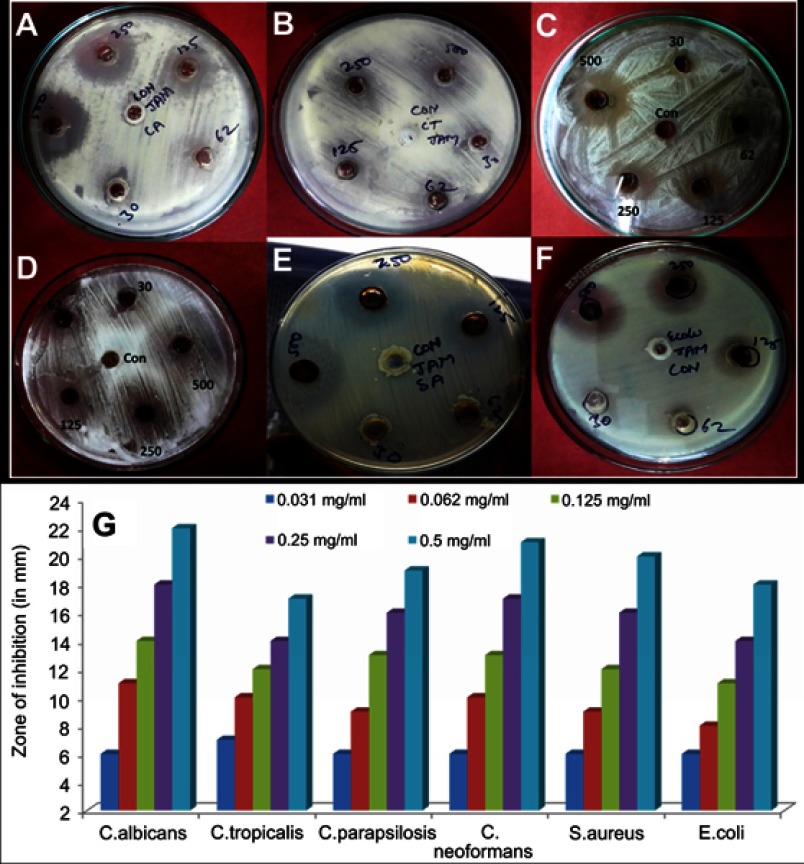
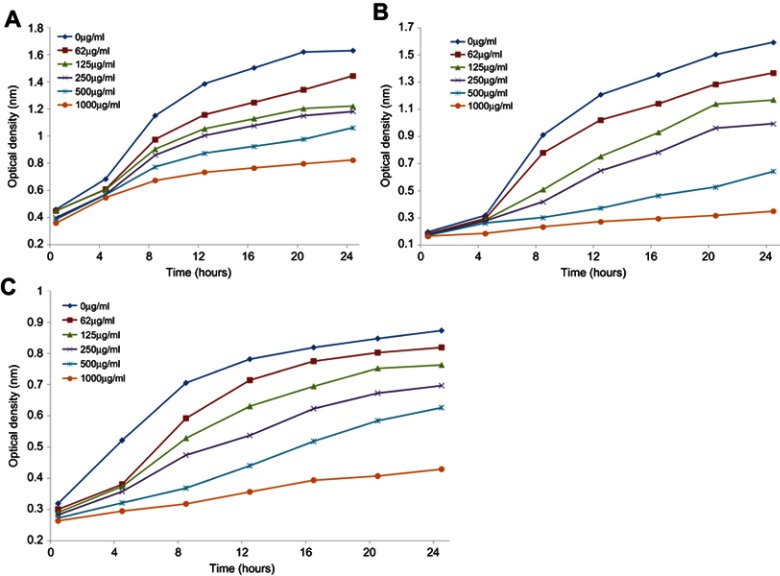
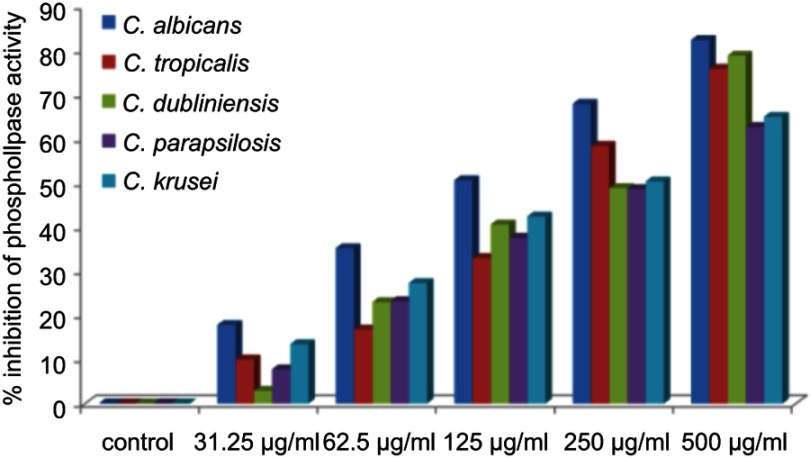
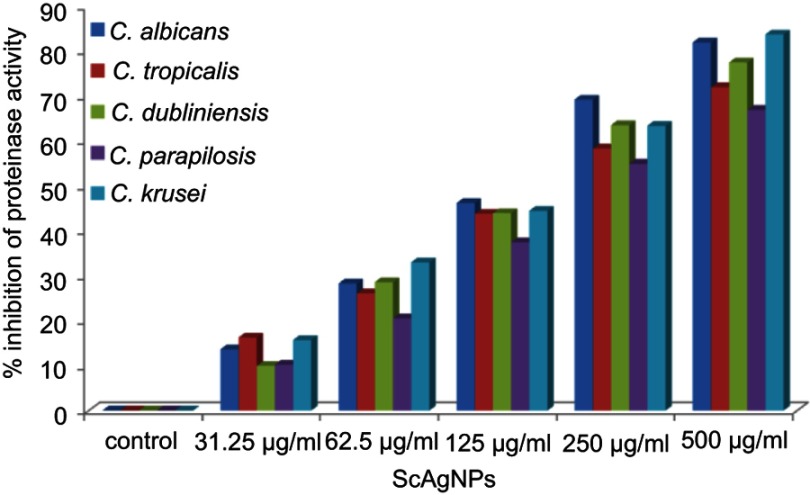
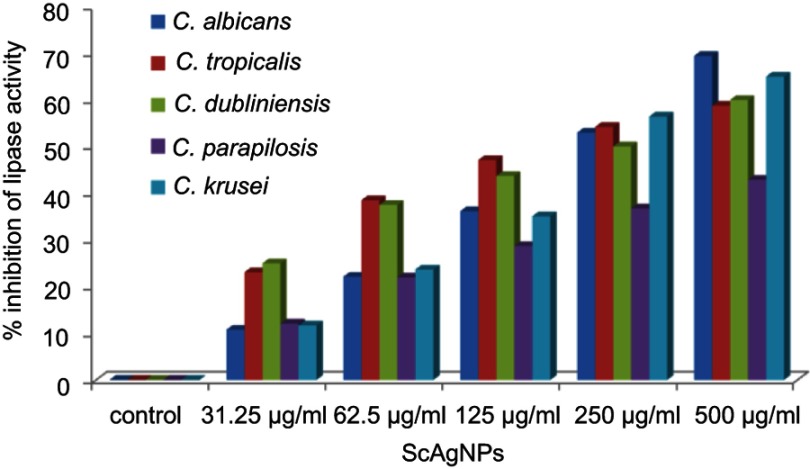
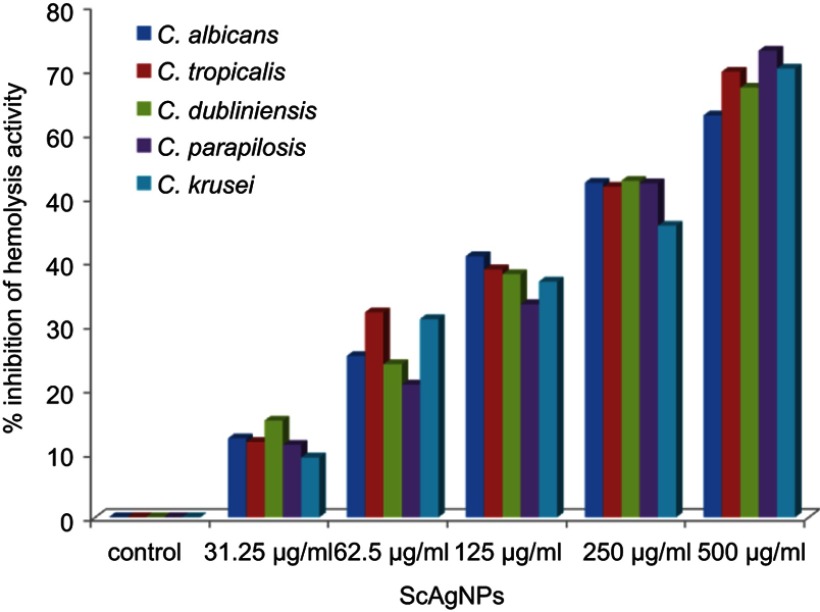
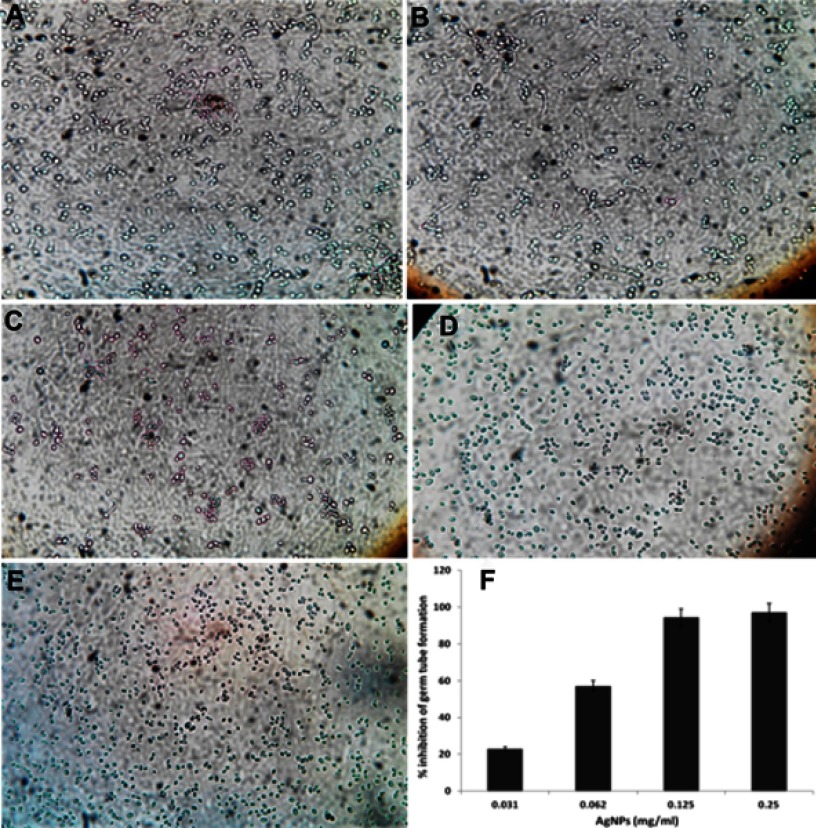
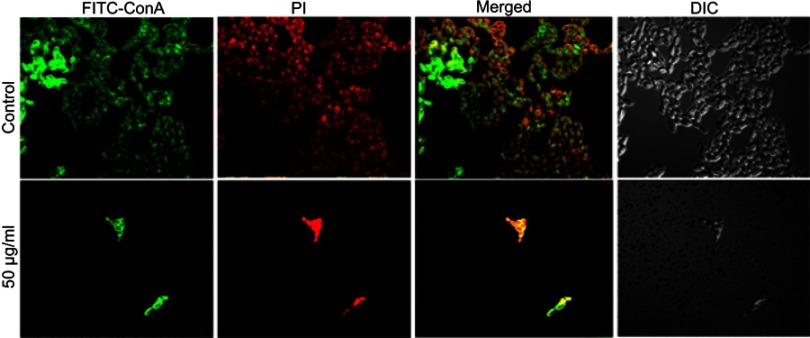
The pathogenicity in Candida spp was attributed by several virulence factors such as production of tissue damaging extracellular enzymes, germ tube formation, hyphal morphogenesis and establishment of drug resistant biofilm. The objective of present study was to investigate the effects of silver nanoparticles (AgNPs) on growth, cell morphology and key virulence attributes of Candida species. AgNPs were synthesized by the using seed extract of (Sc), and were characterized by UV-Vis spectrophotometer, Fourier-transform infrared spectroscopy (FTIR), scanning electron microscopy (SEM), energy-dispersive X-ray (EDX), and transmission electron microscopy (TEM). ScAgNPs were used to evaluate their antifungal and antibacterial activity as well as their potent inhibitory effects on germ tube and biofilm formation and extracellular enzymes viz. phospholipases, proteinases, lipases and hemolysin secreted by spp. The MICs values of ScAgNPs were ranged from 0.125-0.250 mg/ml, whereas the MBCs and MFCs were 0.250 and 0.500 mg/ml, respectively. ScAgNPs significantly inhibit the production of phospholipases by 82.2, 75.7, 78.7, 62.5, and 65.8%; proteinases by 82.0, 72.0, 77.5, 67.0, and 83.7%; lipase by 69.4, 58.8, 60.0, 42.9, and 65.0%; and hemolysin by 62.8, 69.7, 67.2, 73.1, and 70.2% in , , , and , respectively, at 500 μg/ml. ScAgNPs inhibit germ tube formation in C. albicans up to 97.1% at 0.25 mg/ml. LIVE/DEAD staining results showed that ScAgNPs almost completely inhibit biofilm formation in C. albicans. TEM analysis shows that ScAgNPs not only anchored onto the cell surface but also penetrated and accumulated in the cytoplasm that causes severe damage to the cell wall and cytoplasmic membrane. To summarize, the biosynthesized ScAgNPs strongly suppressed the multiplication, germ tube and biofilm formation and most importantly secretion of hydrolytic enzymes (viz. phospholipases, proteinases, lipases and hemolysin) by Candia spp. The present research work open several avenues of further study, such as to explore the molecular mechanism of inhibition of germ tubes and biofilm formation and suppression of production of various hydrolytic enzymes by Candida spp.
本研究旨在探讨银纳米粒子(AgNPs)对念珠菌属生长、细胞形态和关键毒力特性的影响。AgNPs 是通过使用(Sc)的种子提取物合成的,并通过紫外-可见分光光度计、傅里叶变换红外光谱(FTIR)、扫描电子显微镜(SEM)、能谱(EDX)和透射电子显微镜(TEM)进行了表征。ScAgNPs 被用于评估其抗真菌和抗菌活性以及对芽管和生物膜形成以及细胞外酶(即磷脂酶、蛋白酶、脂肪酶和溶血素)的抑制作用。ScAgNPs 的 MIC 值范围为 0.125-0.250 mg/ml,而 MBC 和 MFC 值分别为 0.250 和 0.500 mg/ml。ScAgNPs 显著抑制了 82.2%、75.7%、78.7%、62.5%和 65.8%的磷脂酶产生;82.0%、72.0%、77.5%、67.0%和 83.7%的蛋白酶产生;69.4%、58.8%、60.0%、42.9%和 65.0%的脂肪酶产生;62.8%、69.7%、67.2%、73.1%和 70.2%的溶血素产生。ScAgNPs 在 500μg/ml 时抑制白色念珠菌的芽管形成,抑制率高达 97.1%。LIVE/DEAD 染色结果表明,ScAgNPs 几乎完全抑制白色念珠菌的生物膜形成。TEM 分析表明,ScAgNPs 不仅锚定在细胞表面,而且穿透并积累在细胞质中,导致细胞壁和细胞质膜严重损伤。总之,生物合成的 ScAgNPs 强烈抑制念珠菌属的增殖、芽管和生物膜形成,最重要的是抑制水解酶(即磷脂酶、蛋白酶、脂肪酶和溶血素)的分泌。本研究工作开辟了进一步研究的几个途径,例如探索抑制芽管和生物膜形成以及抑制各种水解酶产生的分子机制。