Sun Yan, Ling Chunhua
Department of Respiratory Diseases, The First Affiliated Hospital of Soochow University, Soochow, China.
Medicine (Baltimore). 2019 Jul;98(30):e16437. doi: 10.1097/MD.0000000000016437.
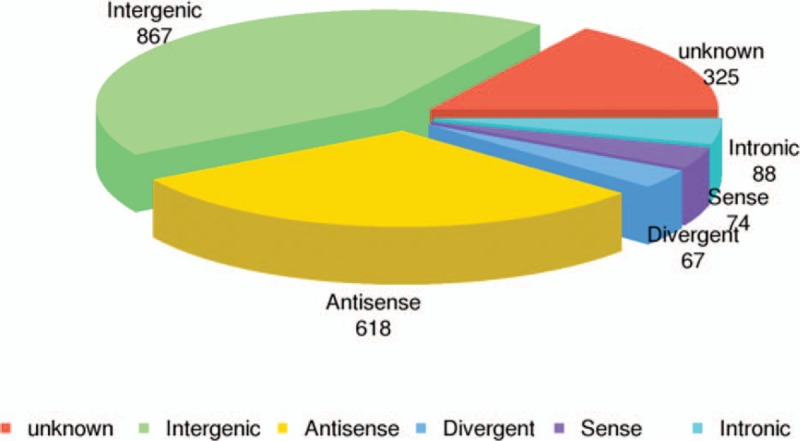
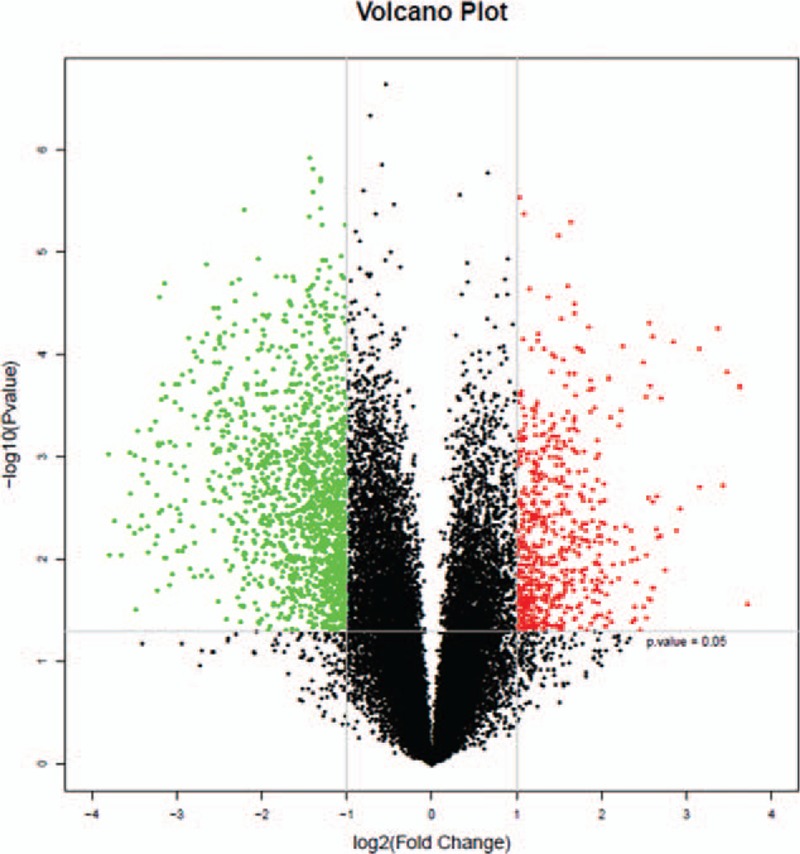
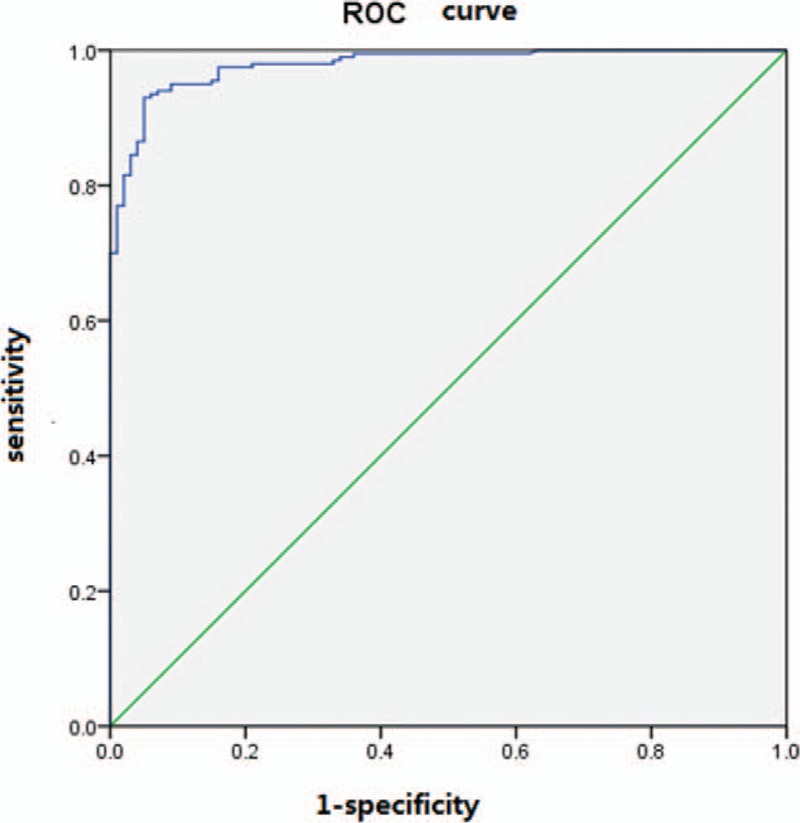
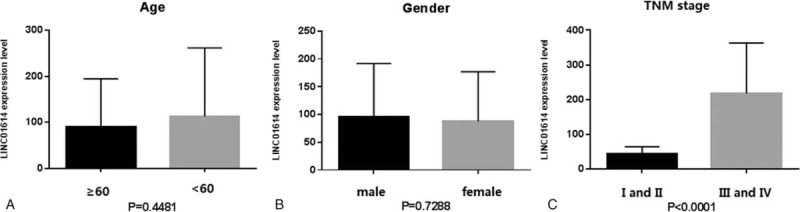
The aim of this study was toexplore the long non-coding RNA (lncRNA) expression pattern of non-small cell lung cancer (NSCLC) on a genome-wide scale and investigate their potential biological function in NSCLC.LncRNAs were investigated in 6 pairs of NSCLC and matched adjacent non-tumor lung tissues (NTL) by microarray. A validation cohort was obtained from The Cancer Genome Atlas (TCGA) database and the effect of LINC01614 on diagnosis and prognosis in NSCLC was analyzed. Gene set enrichment analysis (GSEA) was used to predict the potential molecular mechanism of LINC01614, one identified lncRNA.A total of 1392 differentially expressed lncRNAs were identified. LINC01614 was the most aberrantly expressed lncRNA in NSCLC compared with NTL. We confirmed the significantly upregulated LINC01614 in NSCLC patients from TCGA database. Furthermore, in TCGA database, LINC01614 was significantly upregulated in both adenocarcinoma and squamous cell carcinoma. And high expression of LINC01614 indicated poor overall survival of NSCLC patients. A sensitivity of 93% was calculated conditional on a high specificity of 95% for the discrimination of NSCLC tissues from normal tissues. Furthermore, the expression levels of LINC01614 were associated with the stage of tumor, but had no relationship with age and sex. Additionally, GSEA found that LINC01614 might be involved in TGF-β-, P53-, IGF-IR-mediated, Wnt and RTK/Ras/MAPK signaling pathways.lncRNAs may play key roles in the development of NSCLC. LINC01614 is the most aberrantly expressed lncRNA in NSCLC tissues in our experiment and is also significantly differentially expressed in NSCLC patients from TCGA database. LINC01614 could be a prognostic indicator and has the potential to be a diagnostic biomarker of NSCLC.
本研究旨在在全基因组范围内探索非小细胞肺癌(NSCLC)的长链非编码RNA(lncRNA)表达模式,并研究其在NSCLC中的潜在生物学功能。通过微阵列研究了6对NSCLC及其匹配的相邻非肿瘤肺组织(NTL)中的lncRNAs。从癌症基因组图谱(TCGA)数据库获得验证队列,并分析LINC01614对NSCLC诊断和预后的影响。基因集富集分析(GSEA)用于预测一种已鉴定的lncRNA即LINC01614的潜在分子机制。共鉴定出1392个差异表达的lncRNAs。与NTL相比,LINC01614是NSCLC中表达异常最明显的lncRNA。我们在TCGA数据库中证实了NSCLC患者中LINC01614显著上调。此外,在TCGA数据库中,腺癌和鳞状细胞癌中LINC01614均显著上调。LINC01614的高表达表明NSCLC患者的总生存期较差。在区分NSCLC组织与正常组织时,以95%的高特异性为条件计算出的灵敏度为93%。此外,LINC01614的表达水平与肿瘤分期相关,但与年龄和性别无关。另外,GSEA发现LINC01614可能参与转化生长因子-β(TGF-β)、P53、胰岛素样生长因子-1受体(IGF-IR)介导的、Wnt和受体酪氨酸激酶/ras/丝裂原活化蛋白激酶(RTK/Ras/MAPK)信号通路。lncRNAs可能在NSCLC的发生发展中起关键作用。在我们的实验中,LINC01614是NSCLC组织中表达异常最明显的lncRNA,并且在来自TCGA数据库的NSCLC患者中也有显著差异表达。LINC01614可能是一个预后指标,并且有潜力成为NSCLC的诊断生物标志物。