Kegere James, Ouf Amged, Siam Rania, Mamdouh Wael
Department of Chemistry, School of Sciences and Engineering (SSE) and Department of Biology and Biotechnology Graduate Program, School of Sciences and Engineering (SSE), The American University in Cairo (AUC), AUC Avenue, P.O. Box 74, New Cairo 11835, Egypt.
ACS Omega. 2019 May 22;4(5):8778-8785. doi: 10.1021/acsomega.9b00204. eCollection 2019 May 31.
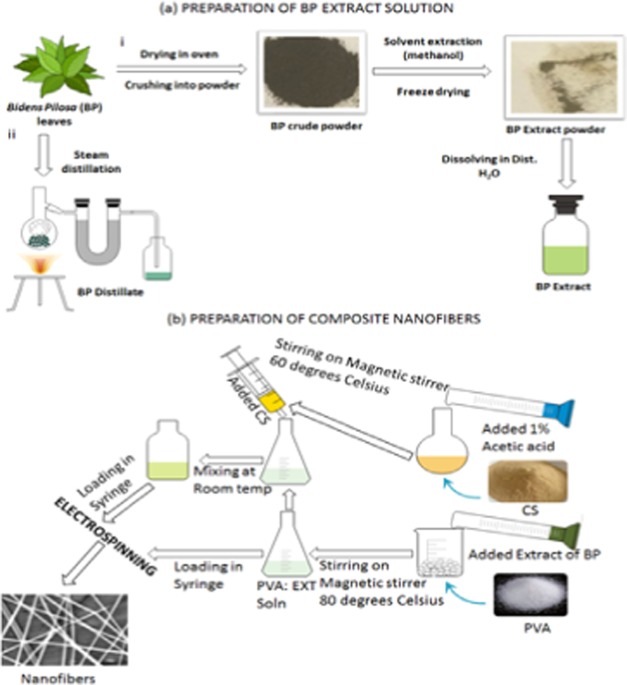
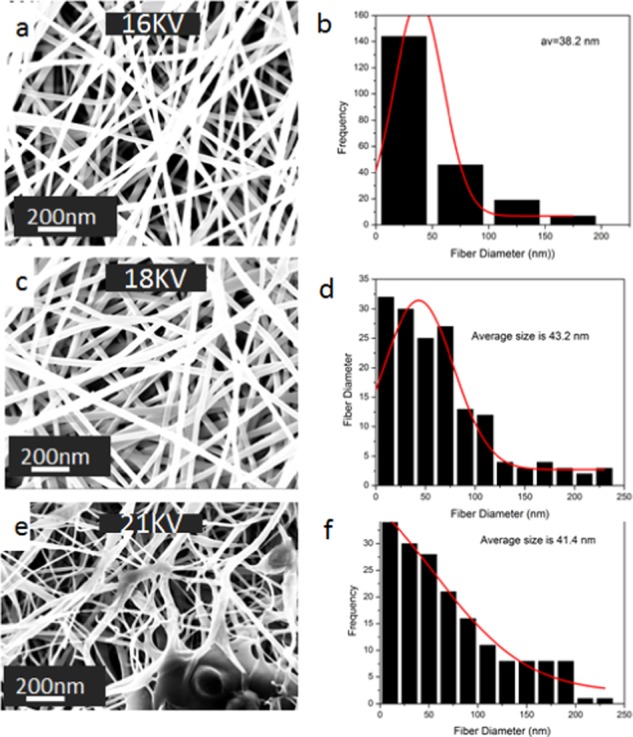
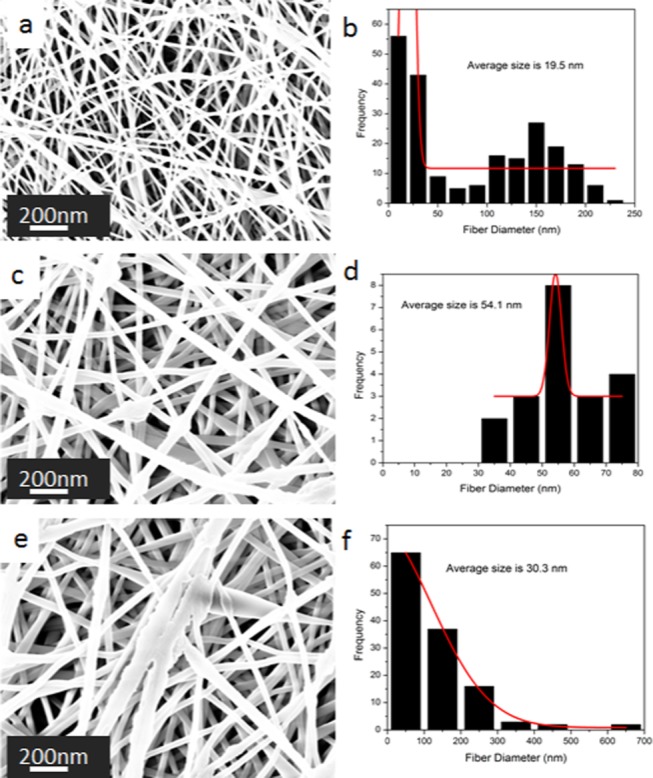
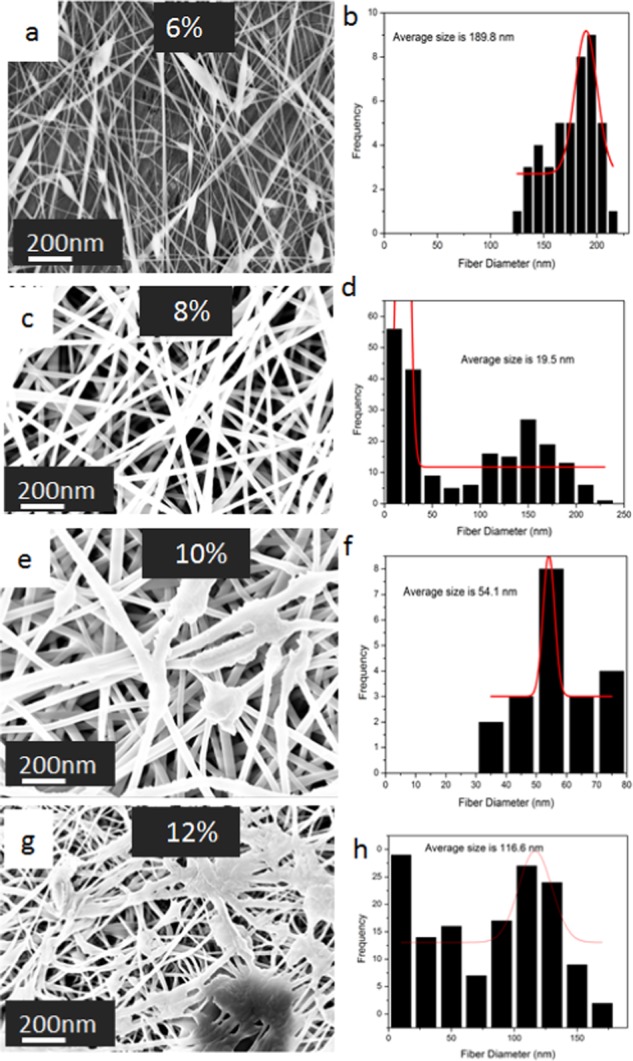
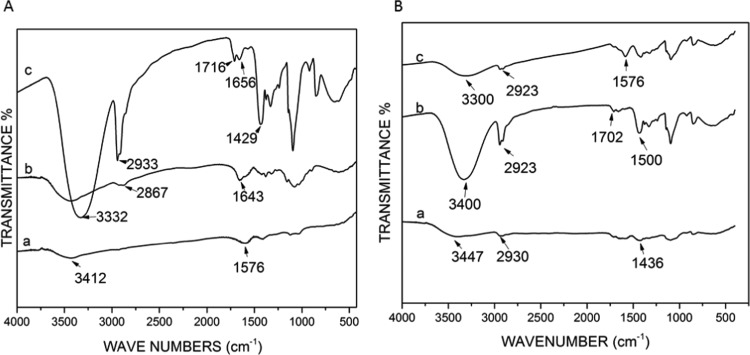
Due to the current challenges faced by the increasing rate of drug-resistant bacteria, attention is gradually shifting from synthetic antimicrobial chemical compounds to natural products that are ecofriendly with a wide spectrum of properties. The aim of this research was to successfully fabricate electrospun nanofibers from poly(vinyl alcohol) (PVA), PVA blended with and chitosan composite blends and investigate their potential antibacterial activities against and . Fabrication of nanofibers was performed by the electrospinning technique, which applies high voltage on the polymer, forcing it to spin off as a jet onto a plate collector. Characterization of the nanofibers was successfully performed by scanning electron microscopy and Fourier transform infrared spectroscopy. Antibacterial assessment was carried out by colony forming unit enumeration. The results obtained revealed a 12% increase in growth inhibition of bacteria in composite nanofibers as compared with their parental forms, which were >91 and 79%, respectively. Chitosan nanofibers have been extensively researched, and their antibacterial properties have been studied. However antibacterial properties in a nanofiber form have not been previously reported. These composite nanofibers open new avenues toward using natural materials as potent antibacterial agents.
由于耐药细菌发生率不断上升带来的当前挑战,人们的注意力正逐渐从合成抗菌化合物转向具有广泛特性且生态友好的天然产物。本研究的目的是成功地由聚乙烯醇(PVA)、与壳聚糖复合共混的PVA制备电纺纳米纤维,并研究它们对[具体细菌1]和[具体细菌2]的潜在抗菌活性。纳米纤维的制备通过静电纺丝技术进行,该技术在聚合物上施加高电压,迫使它以射流形式喷射到平板收集器上。通过扫描电子显微镜和傅里叶变换红外光谱成功地对纳米纤维进行了表征。通过菌落形成单位计数进行抗菌评估。所得结果显示,与各自的母体形式相比,复合纳米纤维中细菌的生长抑制增加了12%,母体形式的生长抑制率分别>91%和79%。壳聚糖纳米纤维已得到广泛研究,其抗菌性能也已被研究。然而,以前尚未报道过纳米纤维形式的[具体细菌1]抗菌性能。这些复合纳米纤维为将天然材料用作强效抗菌剂开辟了新途径。