Laboratory of Cytomics, Joint Research Unit, University of Valencia, Avda. Blasco Ibanez 15, 46010 Valencia and Principe Felipe Research Center, Cerrer d'Eduardo Primo Yufera 3, 46012 Valencia, Spain.
CNRS UMR 8003, SPPIN-Saints Pères Paris Institute for the Neurosciences, Univerity of Paris, Campus Saint-Germain, 45 rue des Saint-Pères, 75006 Paris, France.
Cells. 2020 Feb 4;9(2):361. doi: 10.3390/cells9020361.
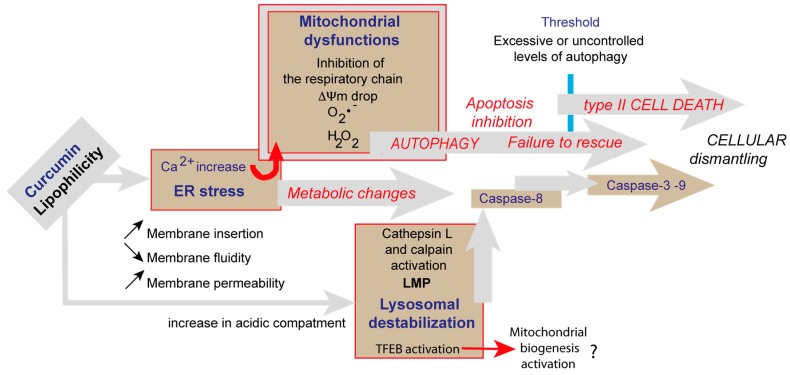
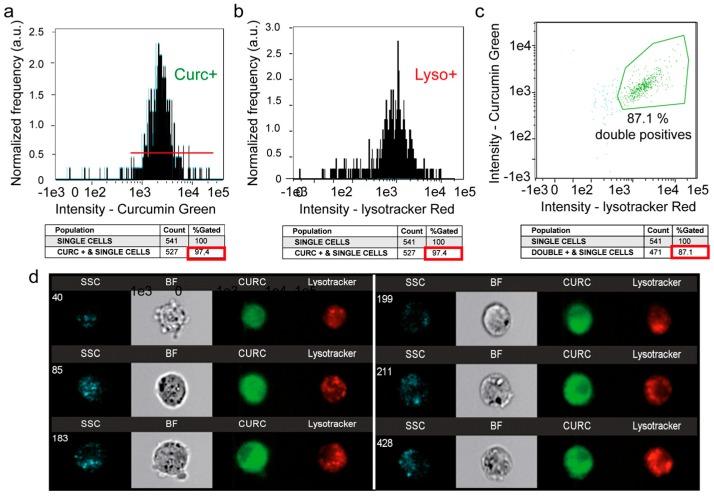
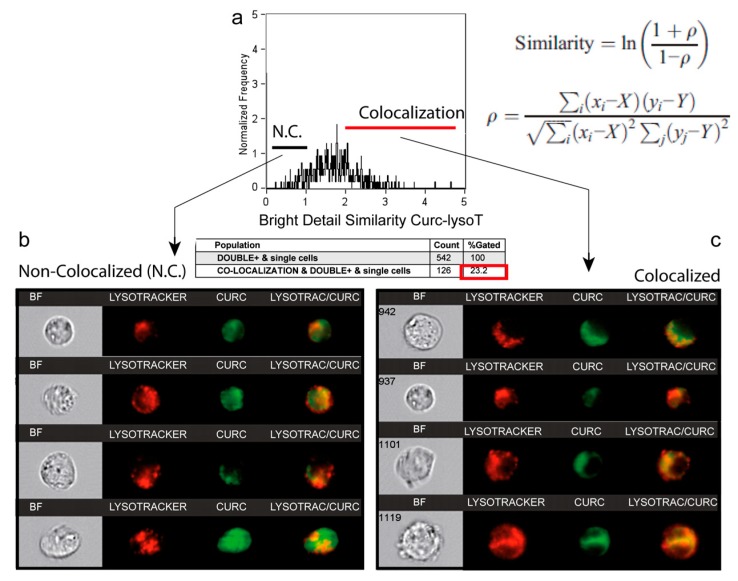
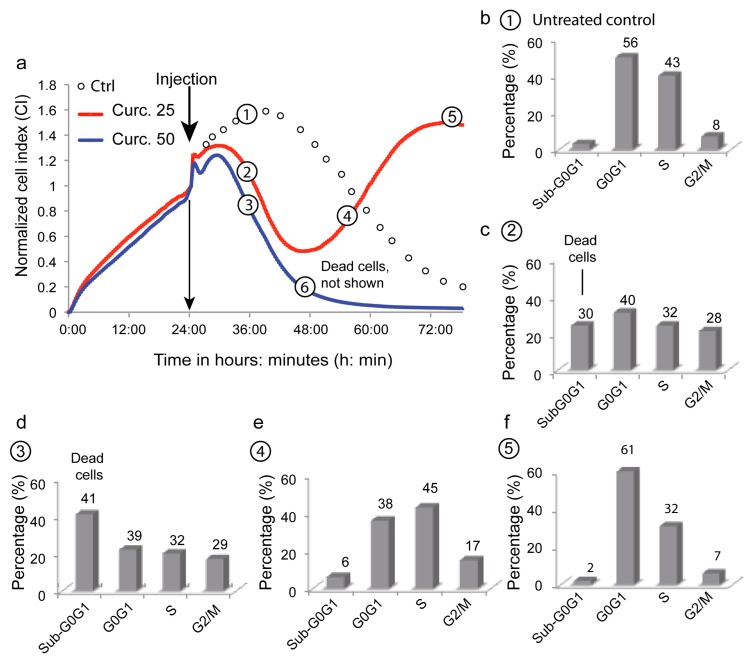
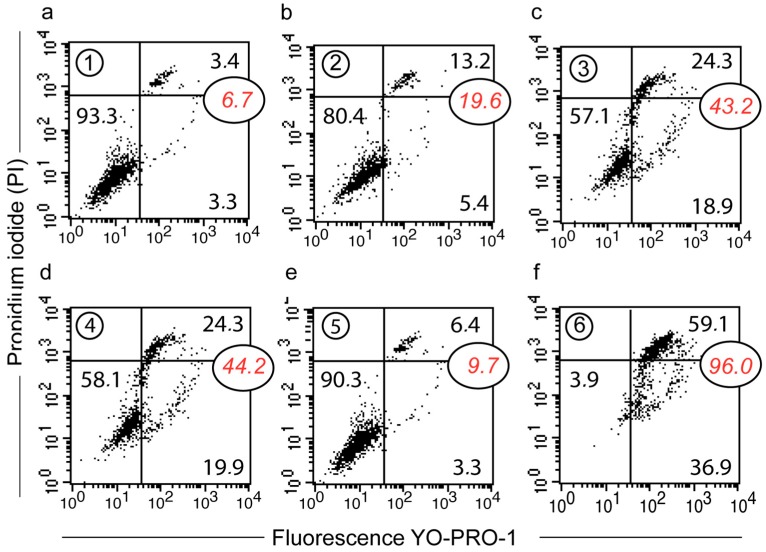
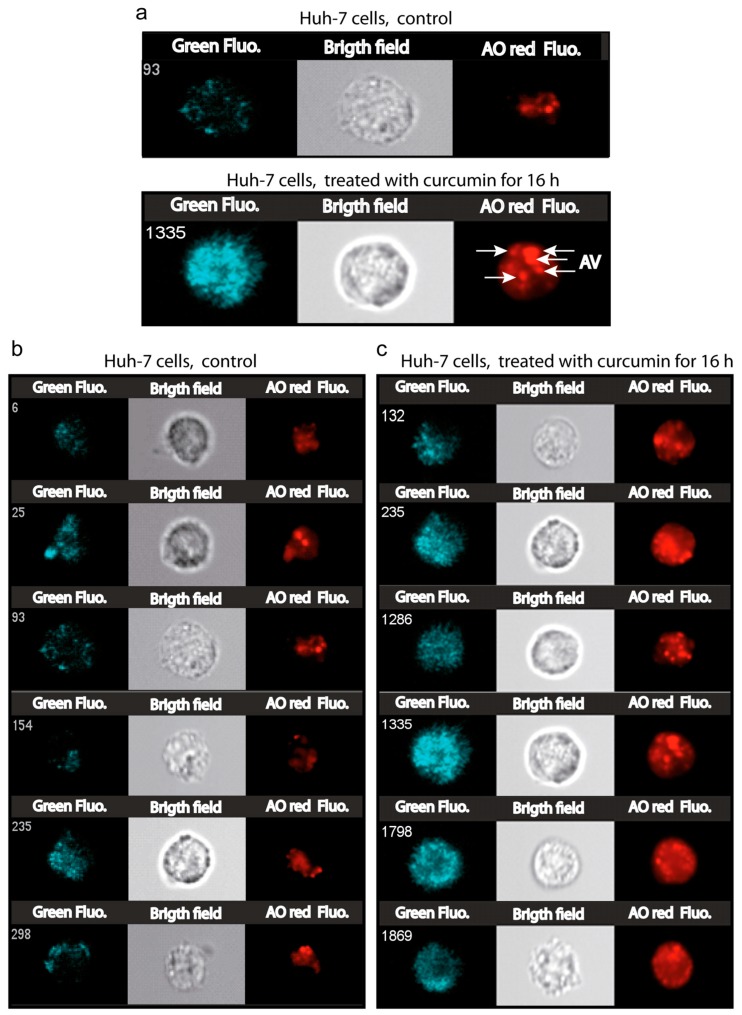
Curcumin, a major active component of turmeric (, L.), is known to have various effects on both healthy and cancerous tissues. In vitro studies suggest that curcumin inhibits cancer cell growth by activating apoptosis, but the mechanism underlying the anticancer effect of curcumin is still unclear. Since there is a recent consensus about endoplasmic reticulum (ER) stress being involved in the cytotoxicity of natural compounds, we have investigated using Image flow cytometry the mechanistic aspects of curcumin's destabilization of the ER, but also the status of the lysosomal compartment. Curcumin induces ER stress, thereby causing an unfolded protein response and calcium release, which destabilizes the mitochondrial compartment and induce apoptosis. These events are also associated with secondary lysosomal membrane permeabilization that occurs later together with an activation of caspase-8, mediated by cathepsins and calpains that ended in the disruption of mitochondrial homeostasis. These two pathways of different intensities and momentum converge towards an amplification of cell death. In the present study, curcumin-induced autophagy failed to rescue all cells that underwent type II cell death following initial autophagic processes. However, a small number of cells were rescued (successful autophagy) to give rise to a novel proliferation phase.
姜黄素是姜黄(Curcuma longa L.)的主要活性成分,已知对健康组织和癌变组织均具有多种作用。体外研究表明,姜黄素通过激活细胞凋亡来抑制癌细胞生长,但姜黄素抗癌作用的机制尚不清楚。由于人们最近达成共识,认为内质网(ER)应激参与了天然化合物的细胞毒性作用,因此我们使用图像流式细胞术研究了姜黄素破坏 ER 的机制方面,以及溶酶体区室的状态。姜黄素诱导 ER 应激,从而引起未折叠蛋白反应和钙释放,这会破坏线粒体区室并诱导细胞凋亡。这些事件还与继发性溶酶体膜通透性增加有关,后者与 caspase-8 的激活有关,由组织蛋白酶和钙蛋白酶介导,最终导致线粒体动态平衡的破坏。这两个不同强度和动力的途径汇聚在一起,导致细胞死亡的放大。在本研究中,姜黄素诱导的自噬未能挽救所有经历初始自噬过程后发生 II 型细胞死亡的细胞。然而,一小部分细胞被挽救(成功的自噬),从而产生新的增殖阶段。