Mulla Issa Firas Haj Kheder, Mulla Issa Zacaria Haj Kheder, Rabah Ali F, Hu Li
Department of Orthodontics, Center of Dental Medicine, Wuhan Union Hospital, Tongji Medical College, Huazhong University of Science and Technology, Wuhan, Hubei Province, PR China.
J Orthod Sci. 2020 Feb 12;9:4. doi: 10.4103/jos.JOS_54_17. eCollection 2020.
To assess the gingival parameters in the clear aligner treatment versus the three other types of brackets, i.e., conventional metal, conventional ceramic, and metal self-ligating.
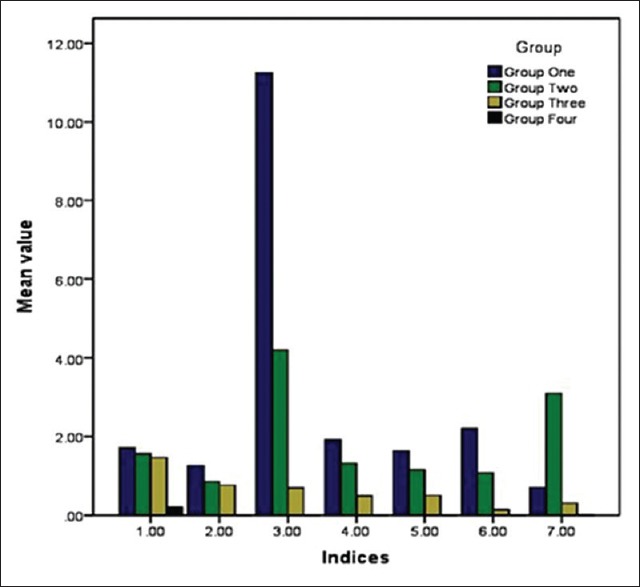
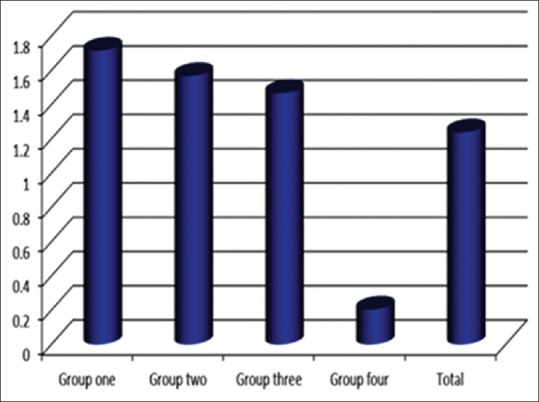
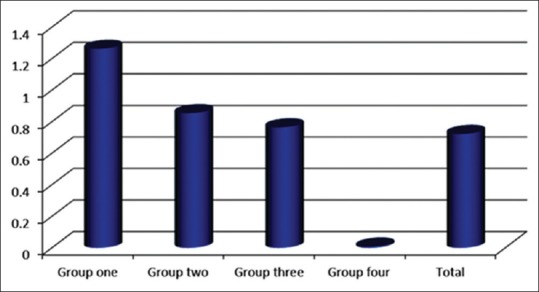
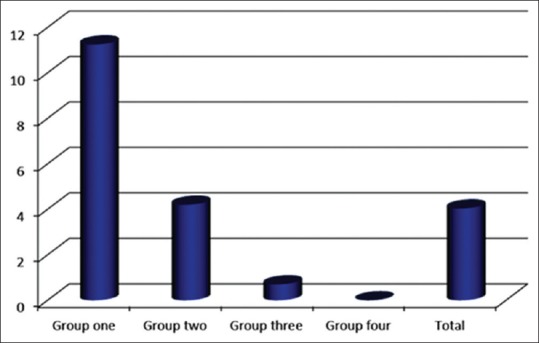
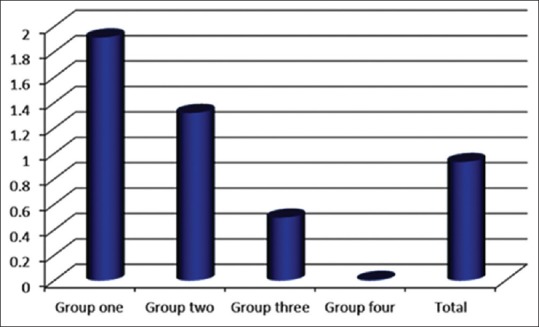
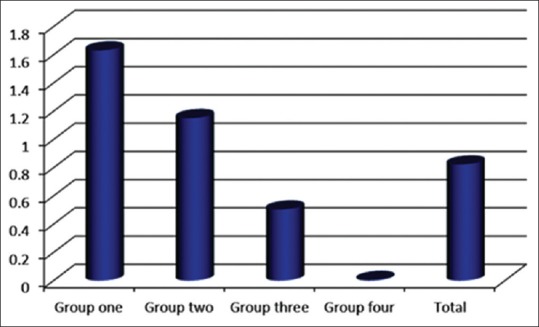
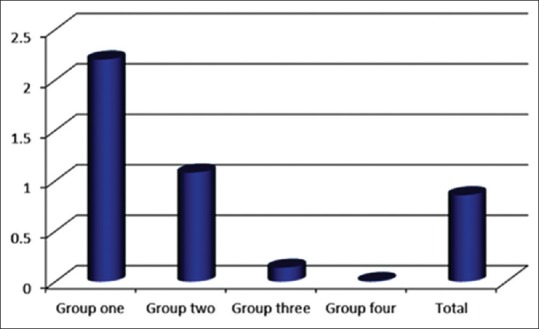
Eighty patients coming for regular appointments undergoing orthodontic treatment were included. They were further divided into four groups with 20 patients in each: Group one underwent conventional brackets (CB) treatment; Group two had conventional ceramic brackets (CCB); Group three was treated with self-ligating (SL) brackets; Group four underwent with clear aligner (CA) treatment. Inclusion criteria were any patient with a minimum age of 18 years having Class II, Class III skeletal relationship, undergoing orthodontic treatment for at least 6 months with fixed orthodontic appliances (FOA) on both arches. While smokers, pregnant, diabetics, or those taking medication affecting gingival health or having cardiovascular diseases were excluded. Also excluded were patients who used antiseptic solutions or mouthwash during the past 6 months, underwent any periodontal treatments in the past 6 months, or who had fixed bridges and crowns or extensive restorations close to the gingival margins. Seven indices, namely plaque index, gingival index, gingival bleeding index, sulcus bleeding index, papillary bleeding index, basic periodontal examination index, and bleeding on probing index, were recorded for all groups.
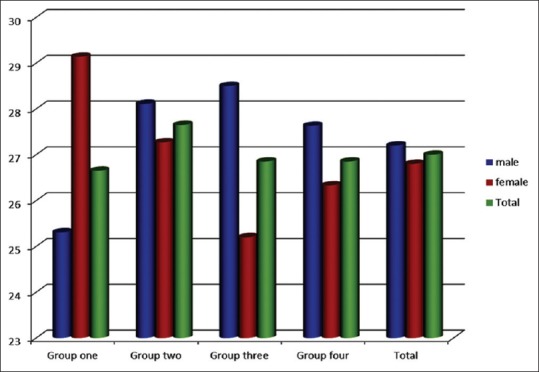
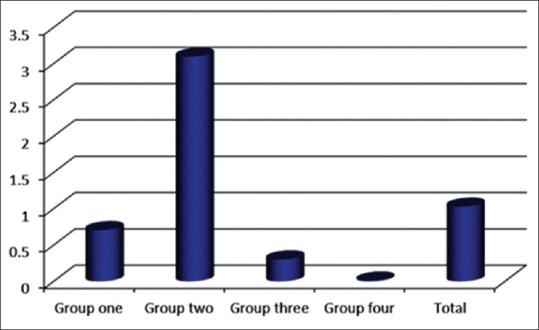
Mean age for Group 1 with CB was 26.65 ± 5.15 years, whereas it was 27.65 ± 8.15 years for Group 2 with CCB, and 26.85 ± 5.19 for Group 3 with SB. Group-4 with CA treatment had a mean age of 26.85 ± 4.83 years. Multivariate analysis and a Bonferroni correction was performed ( = 0.008). CA treatment has better periodontal parameter values compared with the CB and the CCB groups, and no significance difference with the SL brackets group.
CA treatment has better periodontal indices levels compared to other types of orthodontic treatments such as CB and the CCB groups; no significant difference with the SL brackets group. Importance should be given to oral hygiene instructions before, during, and after the treatment.
评估透明矫治器治疗与其他三种类型托槽(即传统金属托槽、传统陶瓷托槽和金属自锁托槽)治疗时的牙龈参数。
纳入80名前来进行正畸常规复诊的患者。他们被进一步分为四组,每组20名患者:第一组接受传统托槽(CB)治疗;第二组使用传统陶瓷托槽(CCB);第三组采用自锁(SL)托槽治疗;第四组接受透明矫治器(CA)治疗。纳入标准为年龄至少18岁、具有II类或III类骨骼关系、使用固定正畸矫治器(FOA)在上下牙弓进行正畸治疗至少6个月的任何患者。吸烟者、孕妇、糖尿病患者或正在服用影响牙龈健康的药物或患有心血管疾病的患者被排除。在过去6个月内使用过抗菌溶液或漱口水、在过去6个月内接受过任何牙周治疗、或在牙龈边缘附近有固定桥和牙冠或广泛修复体的患者也被排除。记录所有组的七个指标,即菌斑指数、牙龈指数、牙龈出血指数、龈沟出血指数、乳头出血指数、基本牙周检查指数和探诊出血指数。
使用CB的第一组平均年龄为26.65±5.15岁,使用CCB的第二组平均年龄为27.65±8.15岁,使用SB的第三组平均年龄为26.85±5.19岁。接受CA治疗的第四组平均年龄为26.85±4.83岁。进行了多变量分析和Bonferroni校正(α = 0.008)。与CB组和CCB组相比,CA治疗具有更好的牙周参数值,与SL托槽组无显著差异。
与CB和CCB组等其他类型的正畸治疗相比,CA治疗具有更好的牙周指数水平;与SL托槽组无显著差异。在治疗前、治疗期间和治疗后应重视口腔卫生指导。