Ahn Jae Hwa, Kim In-Ryoung, Kim Yeon, Kim Dong-Hyun, Park Soo-Byung, Park Bong-Soo, Bae Moon-Kyoung, Kim Yong-Il
Department of Orthodontics, Dental Research Institute, Pusan National University, Yangsan 50612, Korea.
Department of Oral Anantomy, School of Dentistry, Pusan National University, Yangsan 50612, Korea.
Nanomaterials (Basel). 2020 Mar 27;10(4):620. doi: 10.3390/nano10040620.
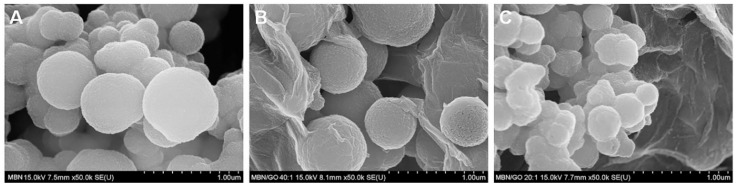
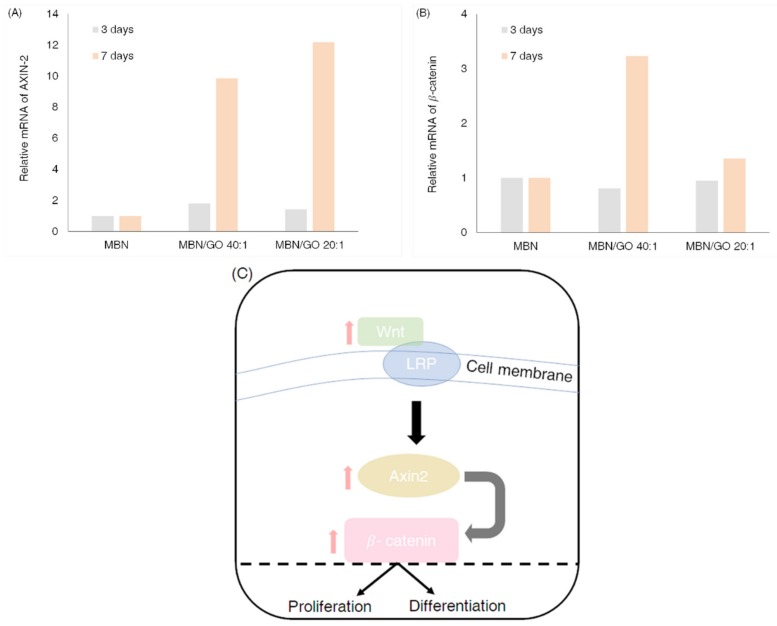
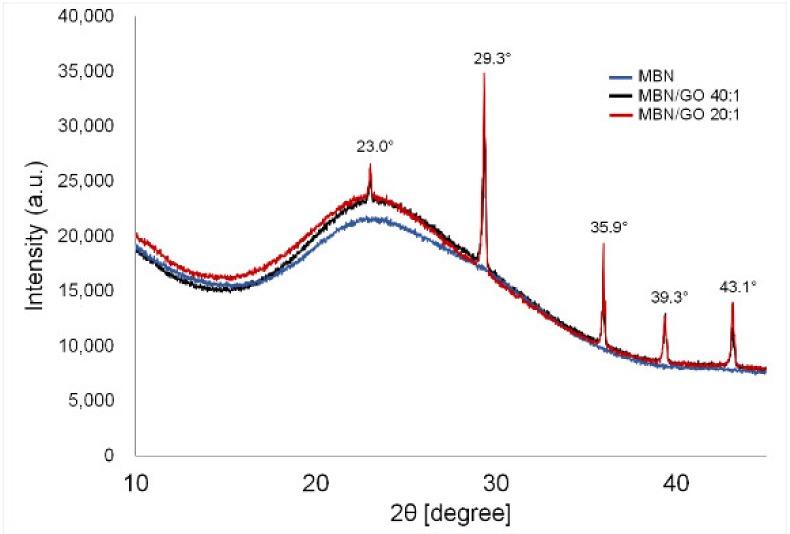
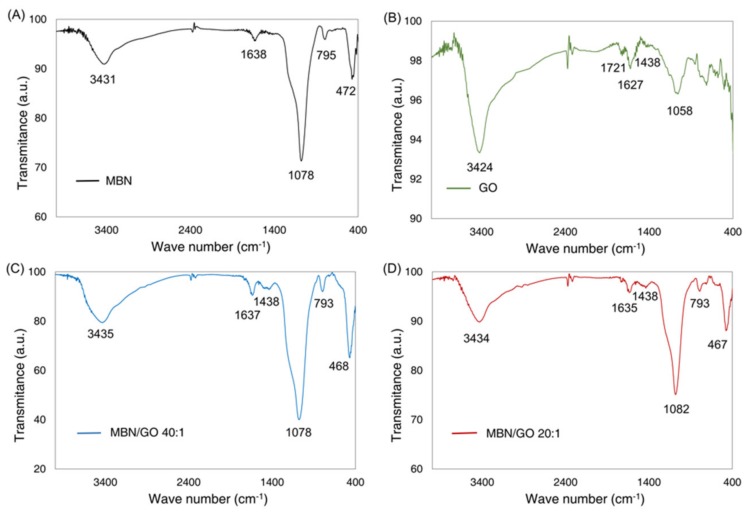
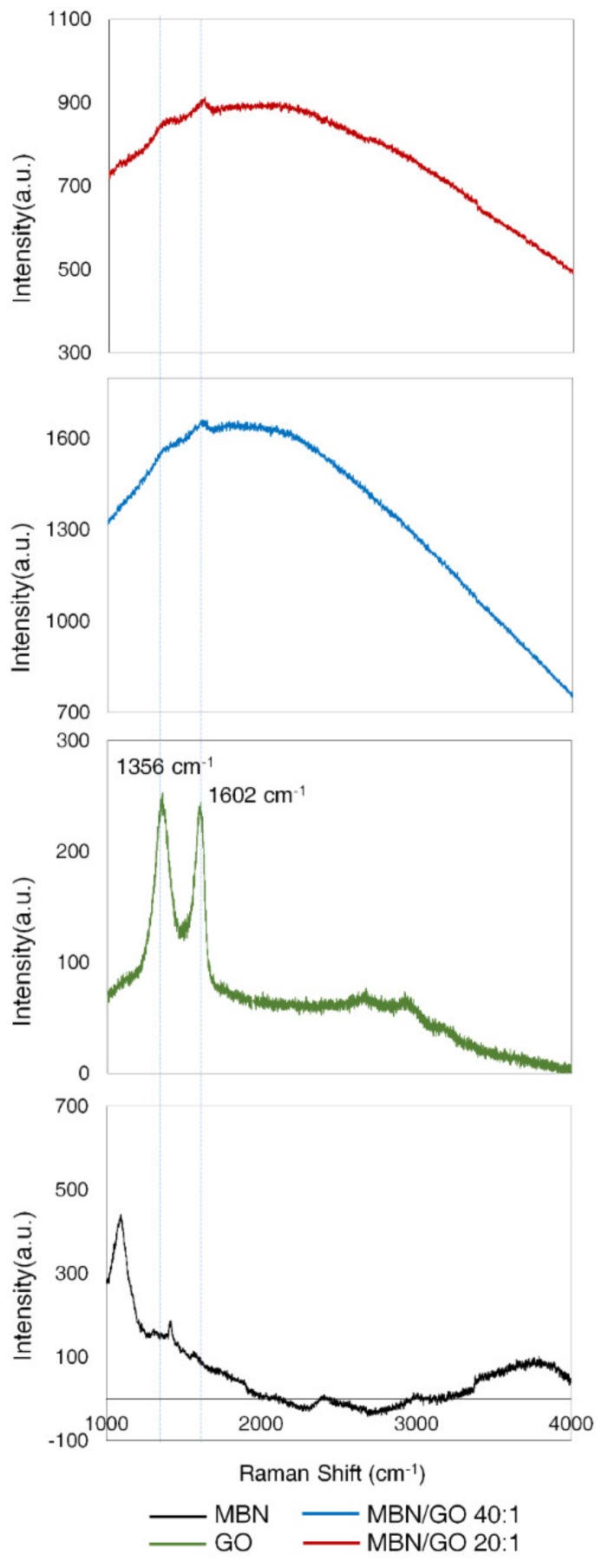
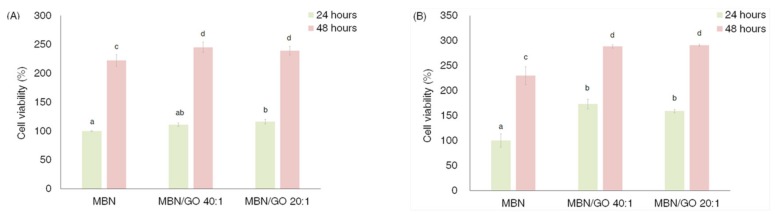
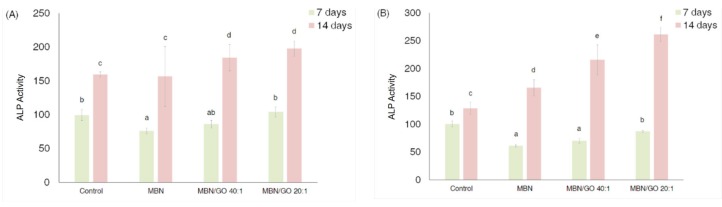
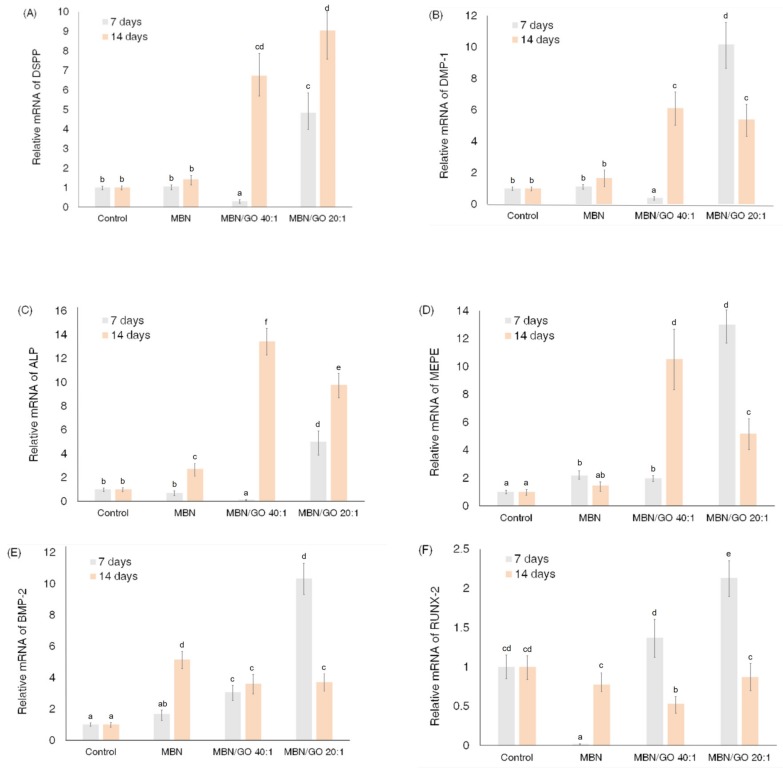
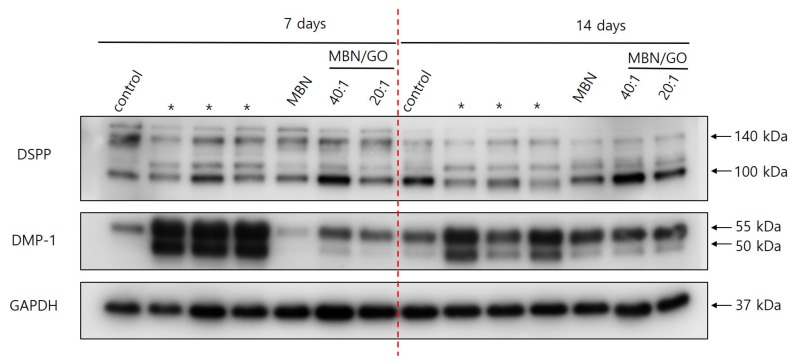
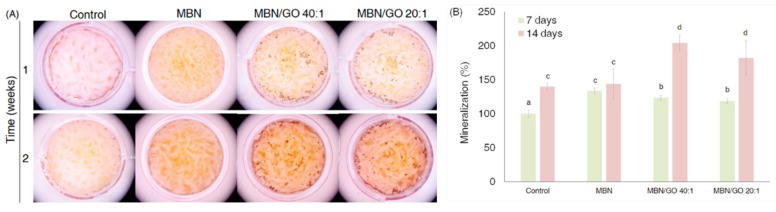
The purpose of this study was to investigate the effects of mesoporous bioactive glass nanoparticle (MBN)/graphene oxide (GO) composites on the mineralization ability and differentiation potential of human dental pulp stem cells (hDPSCs). MBN/GO composites were synthesized using the sol-gel method and colloidal processing to enhance the bioactivity and mechanical properties of MBN. Characterization using FESEM, XRD, FTIR, and Raman spectrometry showed that the composites were successfully synthesized. hDPSCs were then cultured directly on the MBN/GO (40:1 and 20:1) composites in vitro. MBN/GO promoted the proliferation and alkaline phosphatase (ALP) activity of hDPSCs. In addition, qRT-PCR showed that MBN/GO regulated the mRNA levels of odontogenic markers (dentin sialophosphoprotein (DSPP), dentine matrix protein 1 (DMP-1), ALP, matrix extracellular phosphoglycoprotein (MEPE), bone morphogenetic protein 2 (BMP-2), and runt-related transcription factor 2 (RUNX-2)). The mRNA levels of DSPP and DMP-1, two odontogenesis-specific markers, were considerably upregulated in hDPSCs in response to growth on the MBN/GO composites. Western blot analysis revealed similar results. Alizarin red S staining was subsequently performed to further investigate MBN/GO-induced mineralization of hDPSCs. It was revealed that MBN/GO composites promote odontogenic differentiation via the Wnt/β-catenin signaling pathway. Collectively, the results of the present study suggest that MBN/GO composites may promote the differentiation of hDPSCs into odontoblast-like cells, and potentially induce dentin formation.
本研究的目的是探讨介孔生物活性玻璃纳米颗粒(MBN)/氧化石墨烯(GO)复合材料对人牙髓干细胞(hDPSCs)矿化能力和分化潜能的影响。采用溶胶-凝胶法和胶体加工法合成MBN/GO复合材料,以增强MBN的生物活性和力学性能。通过场发射扫描电子显微镜(FESEM)、X射线衍射(XRD)、傅里叶变换红外光谱(FTIR)和拉曼光谱进行表征,结果表明复合材料已成功合成。然后将hDPSCs在体外直接培养于MBN/GO(40:1和20:1)复合材料上。MBN/GO促进了hDPSCs的增殖和碱性磷酸酶(ALP)活性。此外,定量逆转录聚合酶链反应(qRT-PCR)显示MBN/GO调节了牙源性标志物(牙本质涎磷蛋白(DSPP)、牙本质基质蛋白1(DMP-1)、ALP、基质细胞外磷酸糖蛋白(MEPE)、骨形态发生蛋白2(BMP-2)和 runt相关转录因子2(RUNX-2))的信使核糖核酸(mRNA)水平。响应于在MBN/GO复合材料上生长,hDPSCs中两个牙源性特异性标志物DSPP和DMP-1的mRNA水平显著上调。蛋白质免疫印迹分析显示了类似的结果。随后进行茜素红S染色,以进一步研究MBN/GO诱导的hDPSCs矿化。结果表明,MBN/GO复合材料通过Wnt/β-连环蛋白信号通路促进牙源性分化。总体而言,本研究结果表明,MBN/GO复合材料可能促进hDPSCs向成牙本质样细胞分化,并有可能诱导牙本质形成。