Institute of Biomedical and Health Engineering, Shenzhen Institutes of Advanced Technology, Chinese Academy of Sciences, Shenzhen, China, 518055.
Guangdong-Hong Kong-Macao Greater Bay Area Center for Brain Science and Brain-Inspired Intelligence, Guangzhou, China, 510515.
Theranostics. 2020 Apr 12;10(12):5514-5526. doi: 10.7150/thno.40520. eCollection 2020.
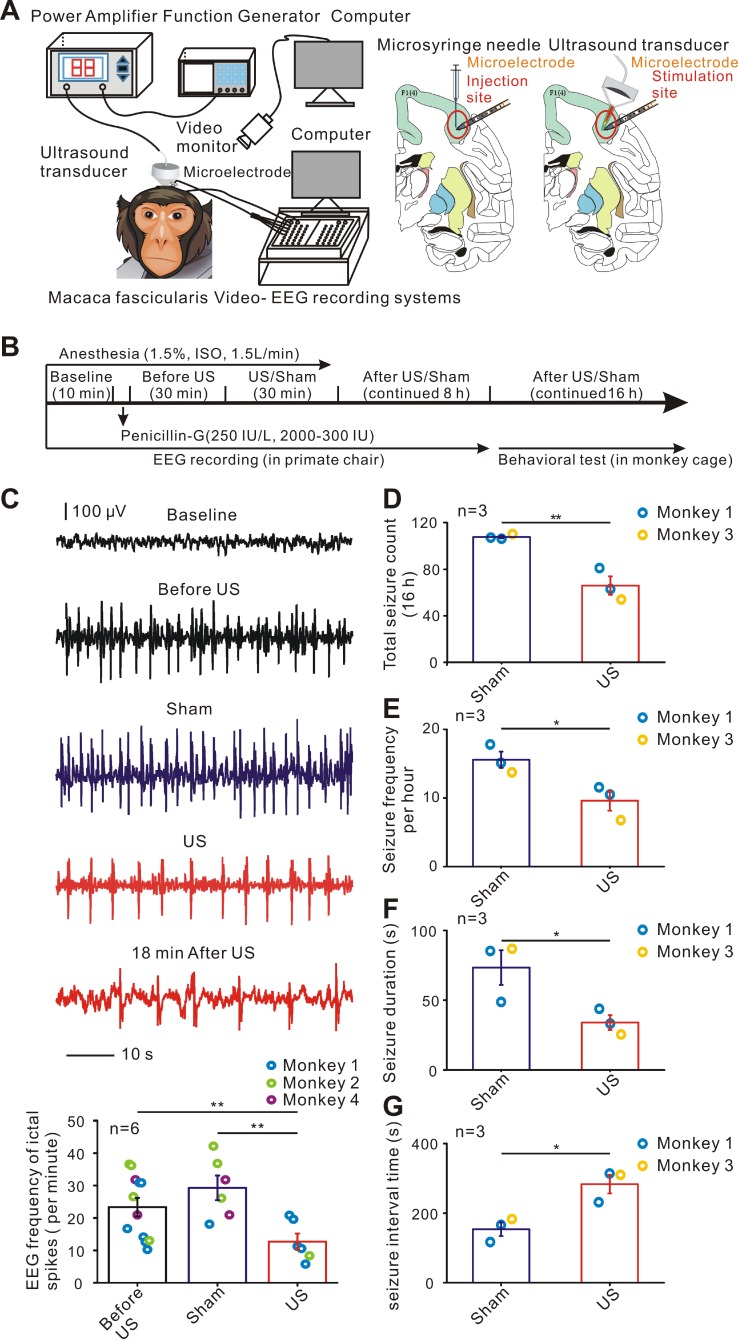
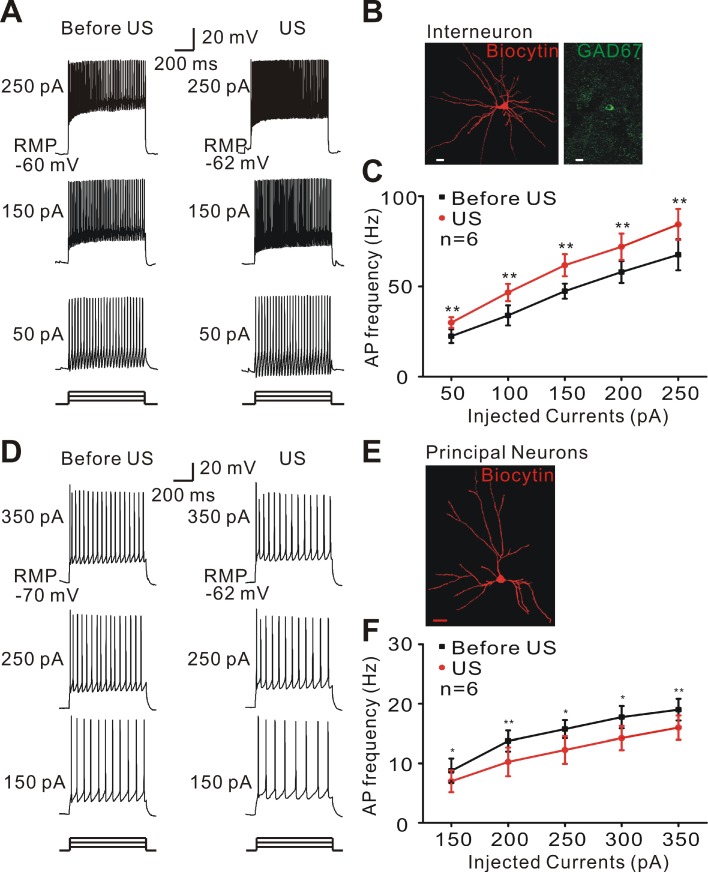
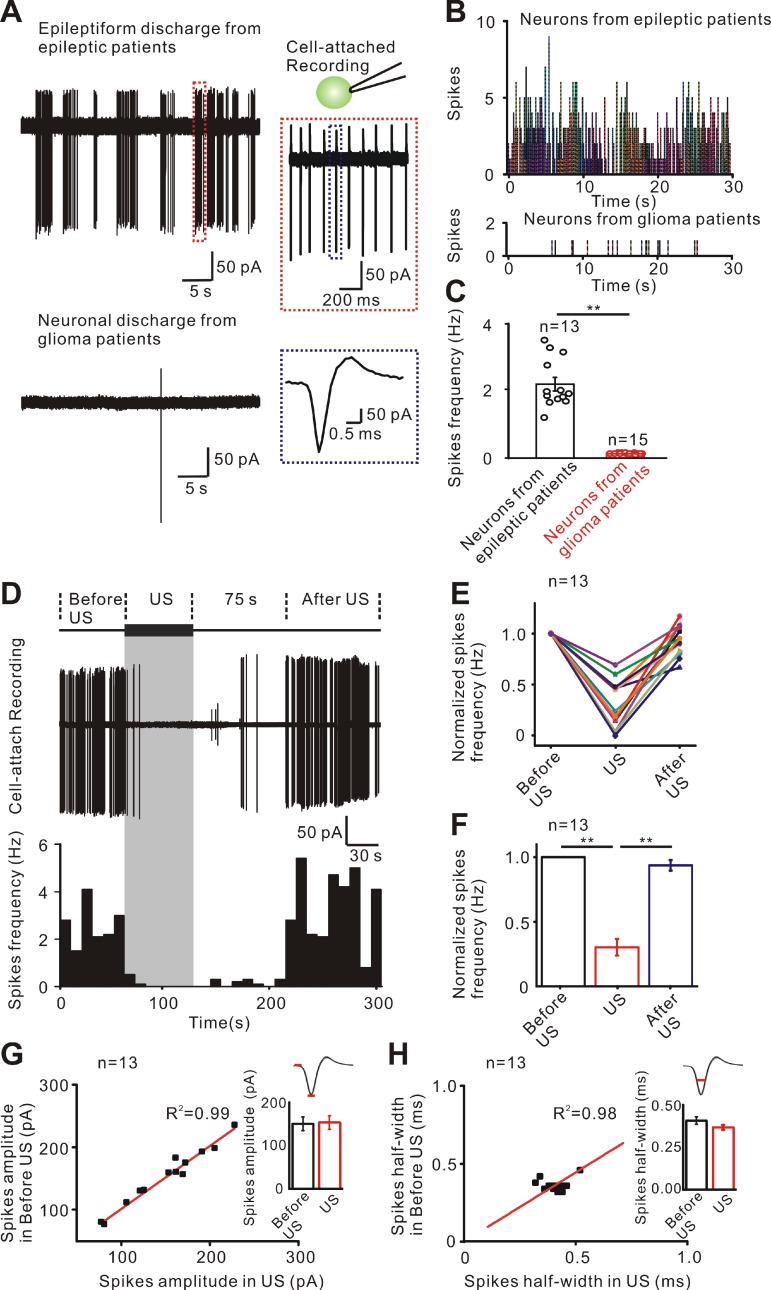
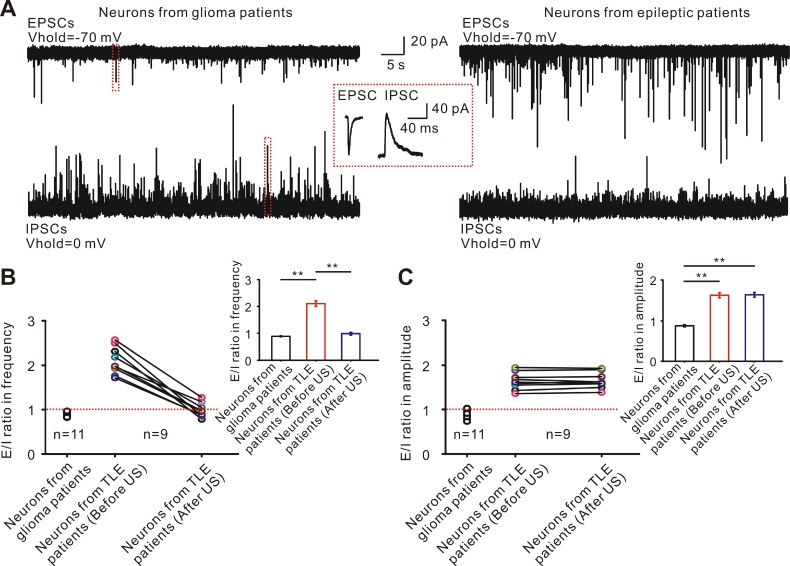
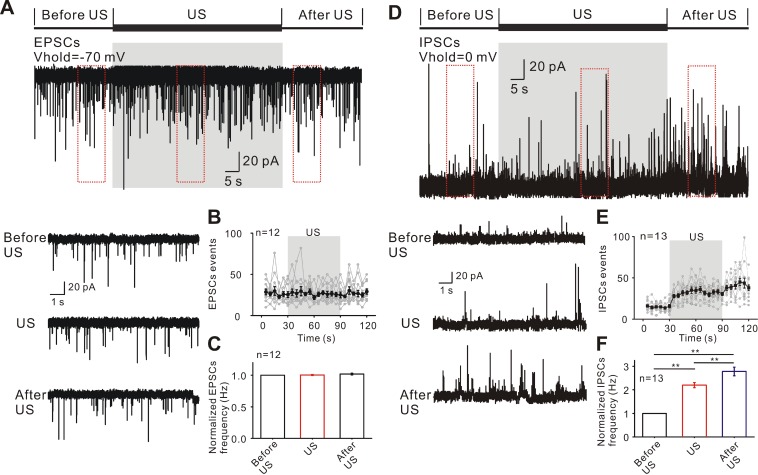
Non-invasive low-intensity pulsed ultrasound has been employed for direct neuro-modulation. However, its range and effectiveness for different neurological disorders have not been fully elucidated. We used multiple approaches of electrophysiology, immunohistochemistry, and behavioral tests as potential epilepsy treatments in non-human primate model of epilepsy and human epileptic tissues. Low-intensity pulsed ultrasound with a frequency of 750 kHz and acoustic pressure of 0.35 MPa (the spatial peak pulse average intensity, I = 2.02 W/cm) were delivered to the epileptogenic foci in five penicillin-induced epileptic monkey models. An ultrasound neuro-modulation system with a frequency of 28 MHz and acoustic pressure of 0.13 MPa (I = 465 mW/cm) compatible with patch-clamp systems was used to stimulate the brain slices prepared from fifteen patients with epilepsy. After 30 min of low-intensity pulsed ultrasound treatment, total seizure count for 16 hours (sham group: 107.7 ± 1.2, ultrasound group: 66.0 ± 7.9, P < 0.01) and seizure frequency per hour (sham group: 15.6 ± 1.2, ultrasound group: 9.6 ± 1.5, P < 0.05) were significantly reduced. The therapeutic efficacy and underlying potential mechanism of low-intensity pulsed ultrasound treatment were studied in biopsy specimens from epileptic patients . Ultrasound stimulation could inhibit epileptiform activities with an efficiency exceeding 65%, potentially due to adjusting the balance of excitatory-inhibitory (E/I) synaptic inputs by the increased activity of local inhibitory neurons. Herein, we demonstrated for the first time that low-intensity pulsed ultrasound improves electrophysiological activities and behavioral outcomes in a non-human primate model of epilepsy and suppresses epileptiform activities of neurons from human epileptic slices. The study provides evidence for the potential clinical use of non-invasive low-intensity pulsed ultrasound stimulation for epilepsy treatment.
非侵入性低强度脉冲超声已被用于直接神经调节。然而,其在不同神经疾病中的范围和有效性尚未完全阐明。我们使用多种电生理学、免疫组织化学和行为测试方法,作为癫痫非人灵长类模型和人类癫痫组织中的潜在癫痫治疗方法。在 5 个青霉素诱导的癫痫猴模型中,将频率为 750 kHz、声压为 0.35 MPa(空间峰值脉冲平均强度,I = 2.02 W/cm)的低强度脉冲超声传递到致痫灶。我们使用一种频率为 28 MHz、声压为 0.13 MPa(I = 465 mW/cm)的与膜片钳系统兼容的超声神经调节系统,刺激从 15 名癫痫患者制备的脑片。在低强度脉冲超声治疗 30 分钟后,16 小时的总发作次数(假手术组:107.7 ± 1.2,超声组:66.0 ± 7.9,P < 0.01)和每小时的发作频率(假手术组:15.6 ± 1.2,超声组:9.6 ± 1.5,P < 0.05)均显著降低。在癫痫患者的活检标本中研究了低强度脉冲超声治疗的疗效和潜在的潜在机制。超声刺激可以抑制癫痫样活动,效率超过 65%,这可能是由于通过增加局部抑制性神经元的活性来调整兴奋性抑制性(E/I)突触输入的平衡。在此,我们首次证明低强度脉冲超声可改善癫痫非人灵长类模型的电生理活动和行为结果,并抑制人类癫痫脑片中神经元的癫痫样活动。该研究为非侵入性低强度脉冲超声刺激治疗癫痫的潜在临床应用提供了证据。