Pecorelli Alessandra, McDaniel David H, Wortzman Mitchell, Nelson Diane B
NC State University, Plants for Human Health Institute, Kannapolis, NC, USA.
McDaniel Institute of Anti-Aging Research, Virginia Beach, VA, USA.
Arch Dermatol Res. 2021 Apr;313(3):139-146. doi: 10.1007/s00403-020-02083-0. Epub 2020 May 8.
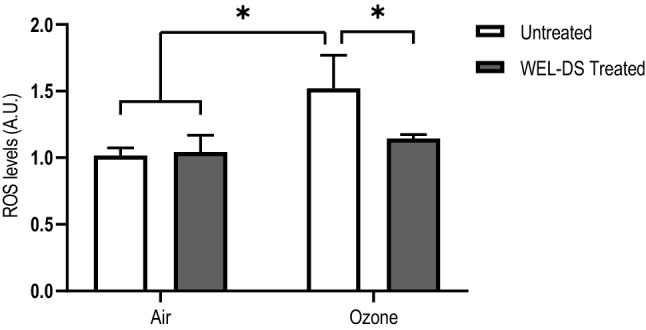
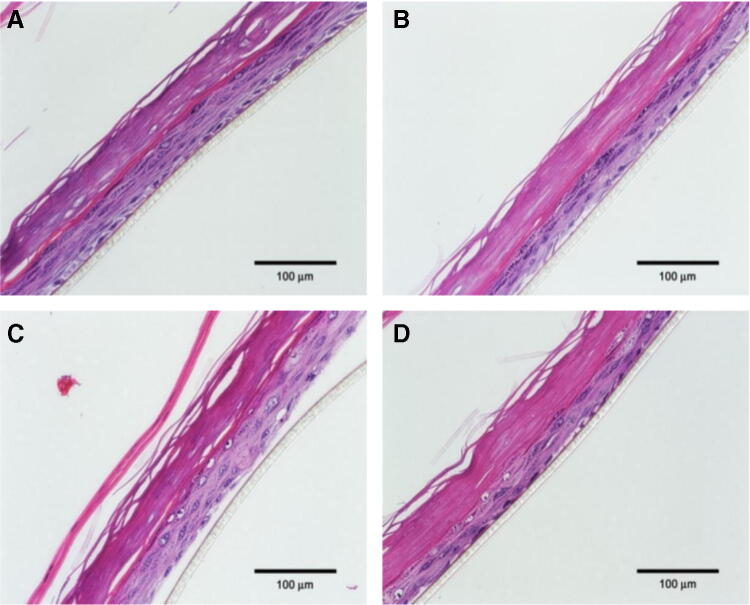
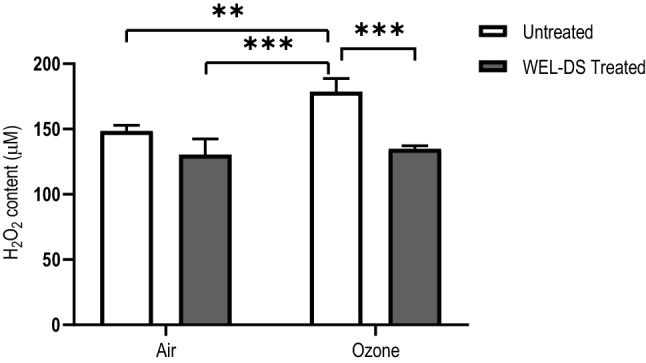
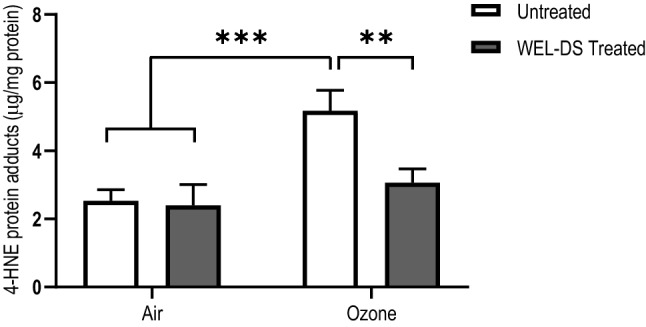
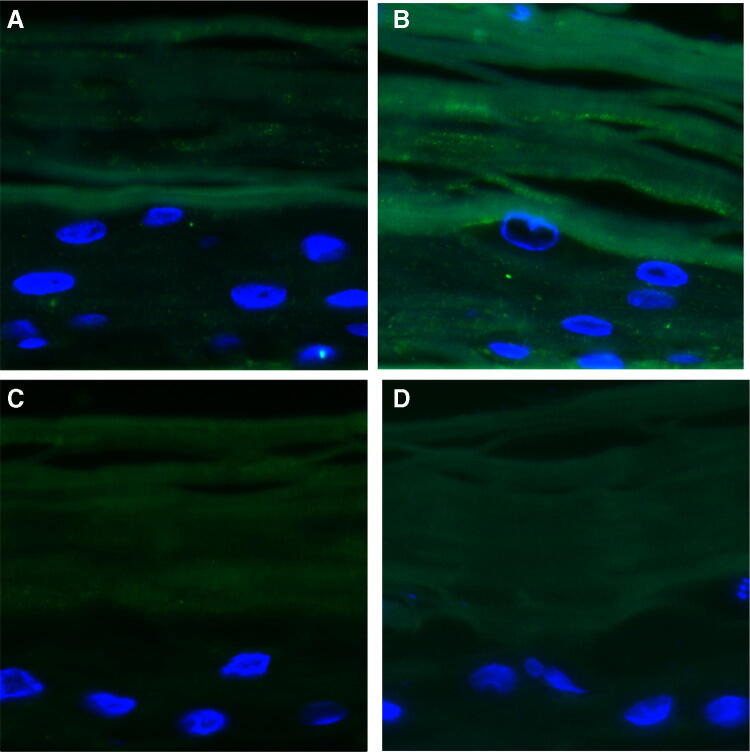
Tropospheric ozone (O) is a source of oxidative stress. This study examined the ability of a topical antioxidant (WEL-DS) to inhibit O-mediated damage in a human epidermal skin model. Four groups of tissues (N = 24) were compared: Group 1 (control) were untreated and unexposed; Group 2 were untreated and exposed to O (0.4 ppm, 4 h); Group 3 were pretreated with WEL-DS and unexposed; Group 4 were pretreated with WEL-DS and exposed to O (0.4 ppm, 4 h). Pretreated tissues were topically treated with 20 uL of WEL-DS and incubated for up to 20 h at 37 °C [humidified, 5% carbon dioxide (CO)]. After 24 h, tissues were re-treated with WEL-DS and exposed to O Tissues were evaluated for Reactive Oxygen Species (ROS), hydrogen peroxide (HO), 4-hydroxynonenal (4-HNE) protein adducts, NF-κB p65 response and histology. In O-exposed groups, WEL-DS significantly inhibited ROS formation vs. untreated tissues (p < 0.05). Pretreatment with WEL-DS inhibited HO production vs. untreated tissues (p < 0.05), and decreased NF-κB p65 transcription factor signal. Oxidative stress induction in O-exposed tissues was confirmed by increased levels of 4-HNE protein adducts (marker of lipid peroxidation); WEL-DS application reduced this effect. WEL-DS inhibited damage in tissues exposed to O with no significant changes in epidermal structure. A comprehensive topical antioxidant significantly diminished O-induced oxidative damage in a human epidermal skin model.
对流层臭氧(O)是氧化应激的一个来源。本研究检测了一种局部抗氧化剂(WEL-DS)在人表皮皮肤模型中抑制O介导损伤的能力。比较了四组组织(N = 24):第1组(对照组)未处理且未暴露;第2组未处理且暴露于O(0.4 ppm,4小时);第3组用WEL-DS预处理且未暴露;第4组用WEL-DS预处理且暴露于O(0.4 ppm,4小时)。预处理的组织用20 μL WEL-DS进行局部处理,并在37°C[湿润,5%二氧化碳(CO)]下孵育长达20小时。24小时后,组织再次用WEL-DS处理并暴露于O。对组织进行活性氧(ROS)、过氧化氢(HO)、4-羟基壬烯醛(4-HNE)蛋白加合物、NF-κB p65反应和组织学评估。在暴露于O的组中,与未处理的组织相比,WEL-DS显著抑制了ROS的形成(p < 0.05)。与未处理的组织相比,用WEL-DS预处理抑制了HO的产生(p < 0.05),并降低了NF-κB p65转录因子信号。通过4-HNE蛋白加合物水平的升高(脂质过氧化的标志物)证实了暴露于O的组织中氧化应激的诱导;应用WEL-DS减少了这种效应。WEL-DS抑制了暴露于O的组织中的损伤,表皮结构无明显变化。一种综合的局部抗氧化剂在人表皮皮肤模型中显著减少了O诱导的氧化损伤。