Department of Food Science, Purdue University, 745 Agriculture Mall Dr, West Lafayette, IN, 47907, USA.
Plants for Human Health Institute, North Carolina State University, 600 Laureate Way, Kannapolis, NC, 28081, USA.
Mol Nutr Food Res. 2020 Jun;64(12):e2000031. doi: 10.1002/mnfr.202000031. Epub 2020 May 27.
Blueberries are rich sources of bioactive polyphenols that may provide health benefits when consumed regularly, leading to their increased marketing as dietary supplements. However, the metabolic changes associated with consuming concentrated doses of purified polyphenols, as may be present in dietary supplements, are unknown, especially when considering the colonic metabolites formed. This study aimed to evaluate the pharmacokinetics of high doses of purified blueberry polyphenols.
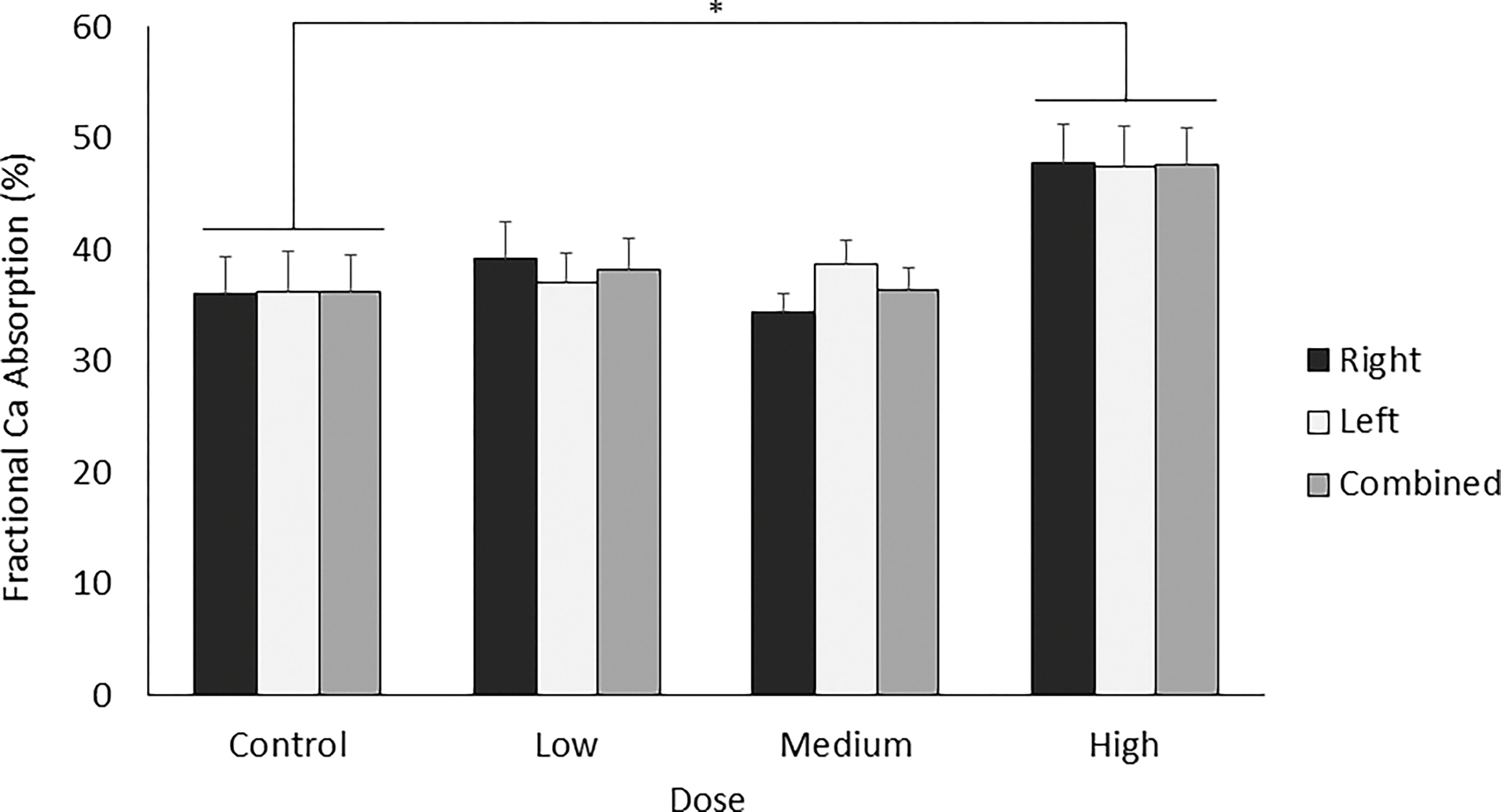
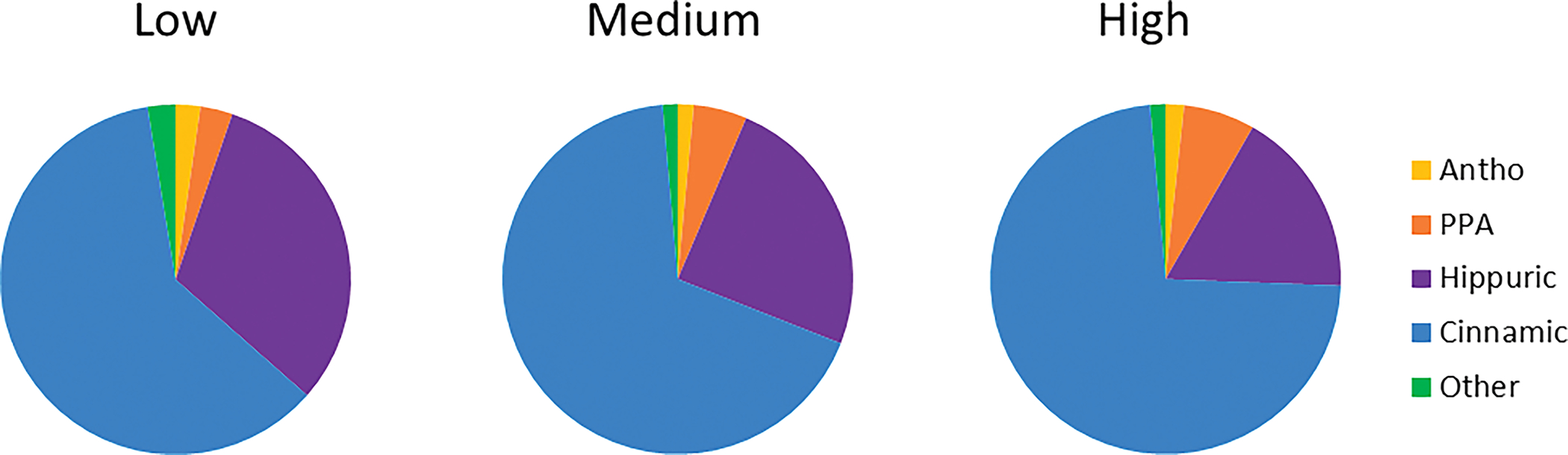
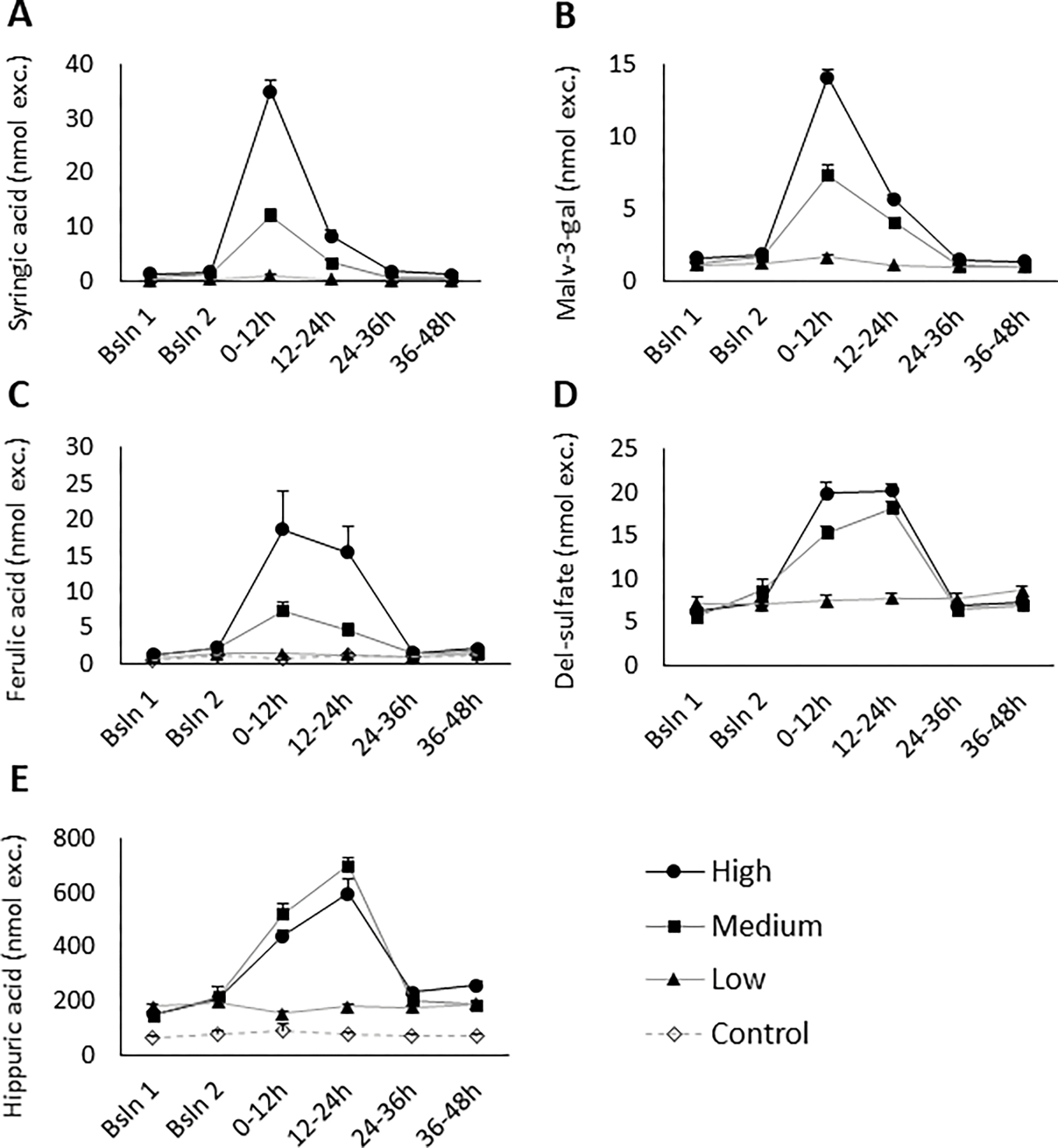
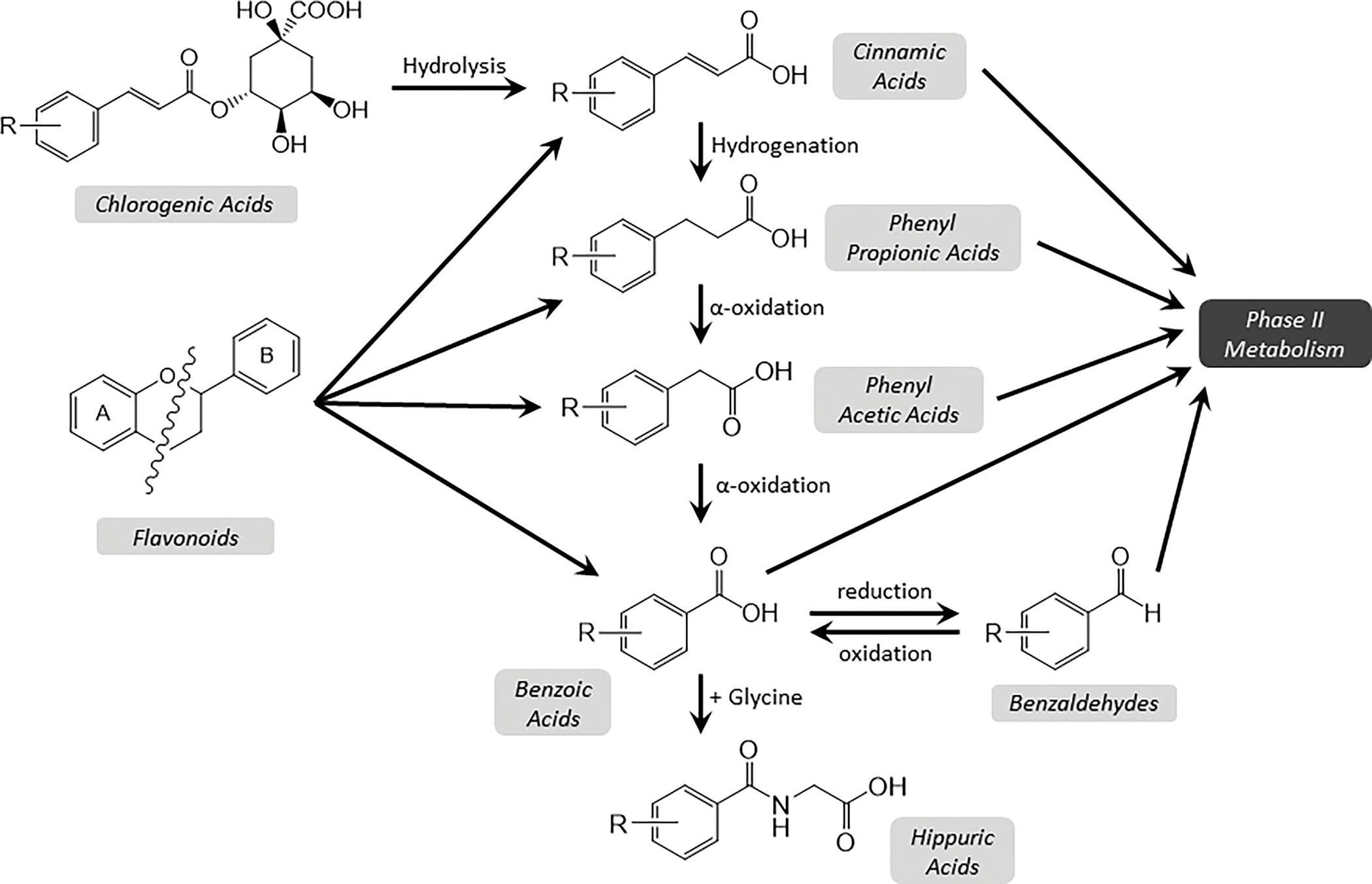
5-month old, ovariectomized Sprague-Dawley rats are acutely dosed with purified blueberry polyphenols (0, 75, 350, and 1000 mg total polyphenols per kg body weight (bw)) and Ca to measure calcium absorption. Blood and urine are collected for 48 h after dosing and phenolic metabolites measured via ultra high-pressure liquid chromatography-tandem mass spectrometry (UPLC-MS/MS). The most prominent metabolites are colonically generated cinnamic and hippuric acids. Smaller amounts of other phenolic acids, flavonols, and anthocyanins are also detected. Most metabolites follow a dose-response relationship, though several show saturated absorption. Maximal metabolite concentrations are reached within 12 h for a majority of compounds measured, while some (e.g., hippuric acid) peaked up to 24 h post-dosing. Calcium absorption is significantly increased in the highest dose group (p = 0.03).
These results indicate that increased doses of blueberry polyphenols induce changes in intestinal phenolic metabolism and increase calcium absorption.
蓝莓富含生物活性多酚,经常食用可能会带来健康益处,因此它们被越来越多地作为膳食补充剂进行推广。然而,食用浓缩剂量的纯化多酚(如膳食补充剂中可能存在的)所引起的代谢变化尚不清楚,尤其是考虑到形成的结肠代谢物时。本研究旨在评估高剂量纯化蓝莓多酚的药代动力学。
5 月龄去卵巢 Sprague-Dawley 大鼠被急性给予纯化蓝莓多酚(0、75、350 和 1000 mg 总多酚/kg 体重)和 Ca 以测量钙吸收。给药后 48 小时内收集血液和尿液,并通过超高效液相色谱-串联质谱法(UPLC-MS/MS)测量酚类代谢物。最主要的代谢物是结肠生成的肉桂酸和马尿酸。还检测到少量其他酚酸、类黄酮和花青素。大多数代谢物呈剂量反应关系,但有些表现出饱和吸收。大多数化合物的最大代谢物浓度在 12 小时内达到,而有些化合物(如马尿酸)在给药后 24 小时达到峰值。最高剂量组的钙吸收显著增加(p = 0.03)。
这些结果表明,增加蓝莓多酚的剂量会诱导肠道酚类代谢物的变化,并增加钙吸收。