Department of Psychology, Poznan University of Physical Education, 61-871 Poznan, Poland.
Faculty of Psychology and Cognitive Sciences, Adam Mickiewicz University in Poznan, 60-568 Poznan, Poland.
Int J Environ Res Public Health. 2020 May 20;17(10):3593. doi: 10.3390/ijerph17103593.
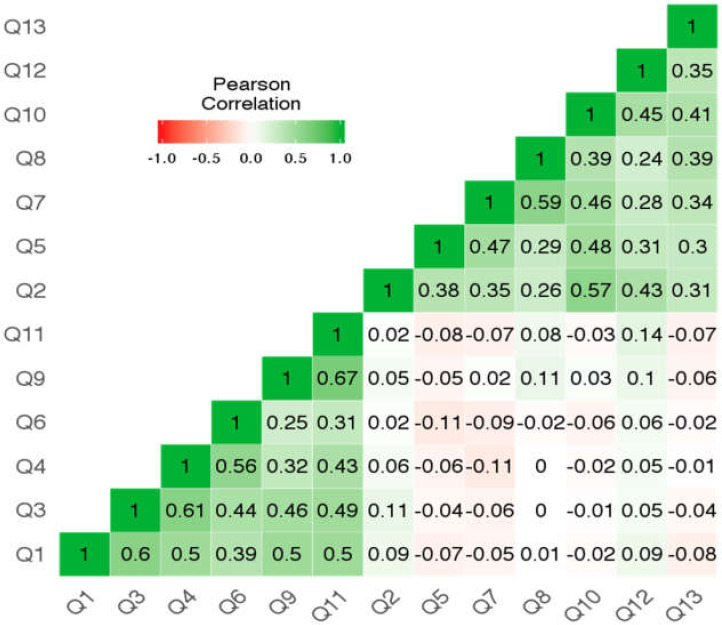
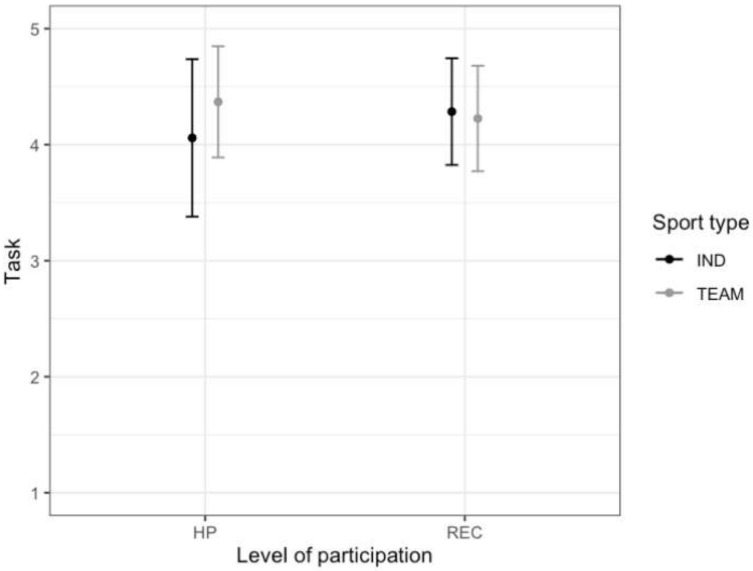
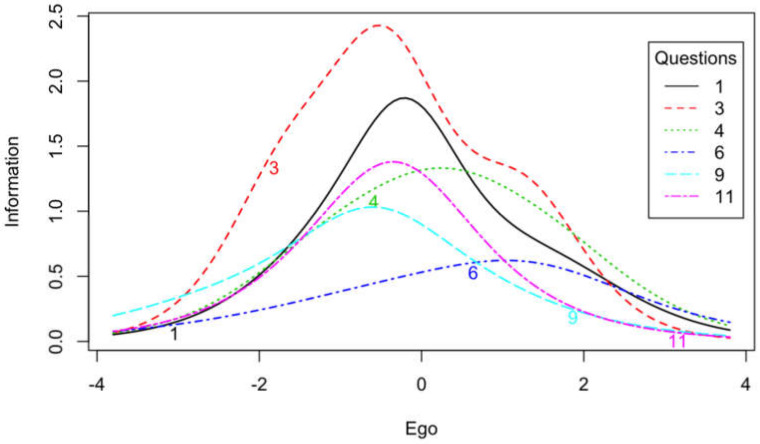
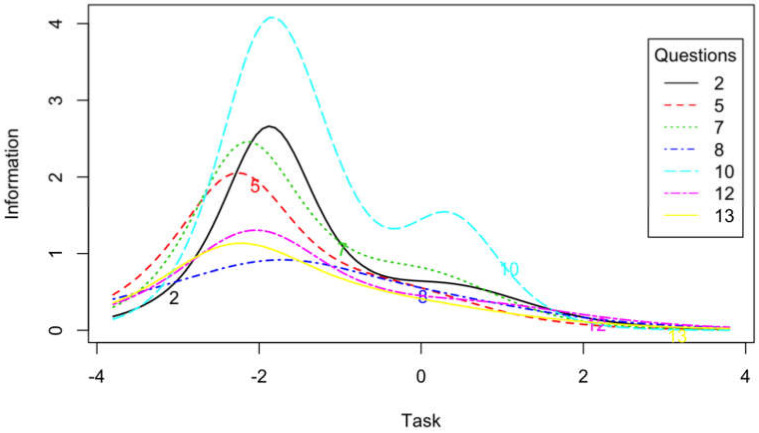
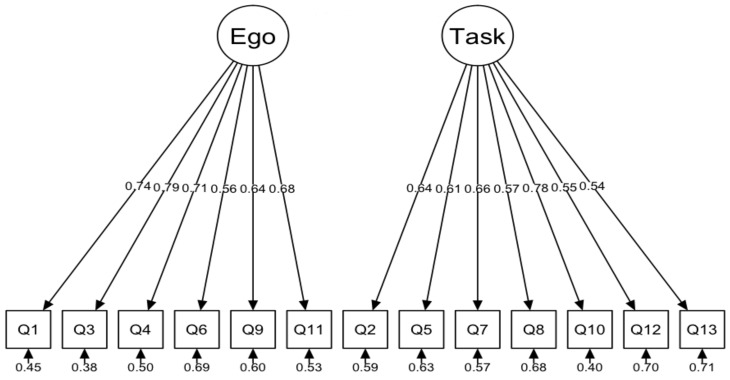
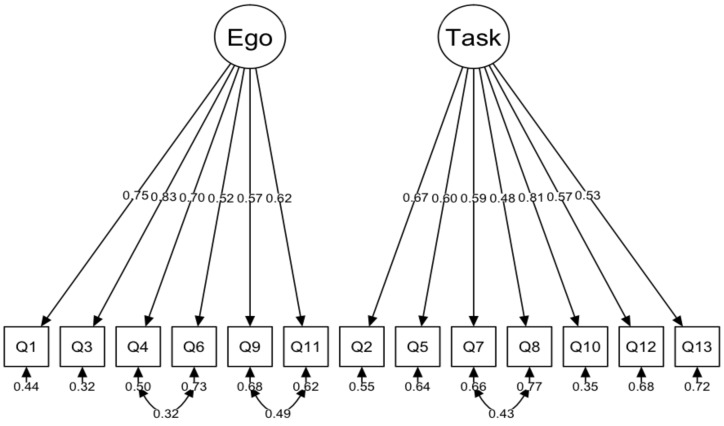
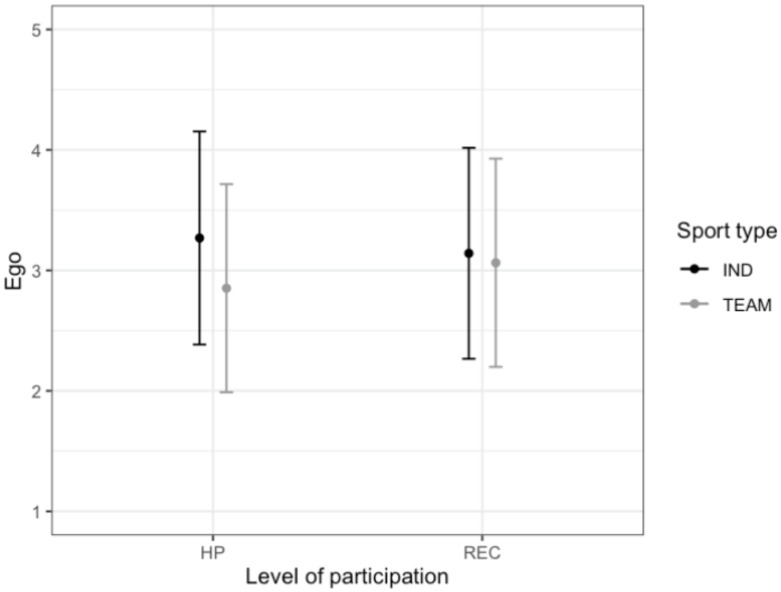
The main aim of the study was to assess the psychometric properties of the Polish version of the task and ego orientation in sport questionnaire (TEOSQ). The study covered 651 athletes aged 19.2 years, SD (Standard deviation) = 2.21. The task and ego orientation in sport questionnaire (TEOSQ) and sport motivation scale (SMS-28) were used. Cronbach's Alpha for the ego subscale was 0.84, and for the task subscale 0.81 (McDonald's omega was 0.84, 0.82 respectively). The reliability of the test-retest with two weeks interval was ICC (Intraclass correlation coefficient) = 0.86 for ego and ICC = 0.86 for task. Initially, the two-factor model was not fully fitted (CFI (Comparative fit index) = 0.84), however the model with correlated errors for selected test items was well fitted to data (CFI = 0.95). Statistically significant, positive correlations between the task orientation and the intrinsic motivation components were obtained. Additionally, individual athletes had higher scores on the ego factor and lower scores on the task factor than the team athletes. These effects were moderated by the level of participation and occurred among high-performance athletes. Due to satisfactory reliability and validity indicators the Polish version of the task and ego orientation in sport questionnaire (TEOSQ) can be used both for scientific research and in the individual diagnostics of athletes.
本研究的主要目的是评估波兰版任务与自我定向运动问卷(TEOSQ)的心理测量特性。研究对象为 651 名年龄为 19.2 岁的运动员,标准差(SD)为 2.21。使用了任务与自我定向运动问卷(TEOSQ)和运动动机量表(SMS-28)。自我分量表的克朗巴赫α系数为 0.84,任务分量表的克朗巴赫α系数为 0.81(麦科唐纳ω系数分别为 0.84 和 0.82)。两周间隔的测试重测信度的 ICC(组内相关系数)为自我分量表的 0.86 和任务分量表的 0.86。最初,两因素模型并未完全拟合(CFI(比较拟合指数)= 0.84),但是对选定测试项目的相关误差的模型很好地拟合了数据(CFI = 0.95)。获得了任务定向与内在动机成分之间存在统计学上显著的正相关。此外,个体运动员在自我因素上的得分较高,在任务因素上的得分较低,而团队运动员则相反。这些影响受到参与水平的调节,并且发生在高绩效运动员中。由于可靠的信度和效度指标,波兰版任务与自我定向运动问卷(TEOSQ)可用于科学研究和运动员的个体诊断。