Department of Nutrition, Harvard T.H. Chan School of Public Health, Boston, MA 02115, USA.
Department of Neurology, Ulm University, 89081 Ulm, Germany, and Central Scientific Laboratory, Institute of Medical Sciences, Ulaanbaatar 16081, Mongolia.
Nutrients. 2020 May 22;12(5):1514. doi: 10.3390/nu12051514.
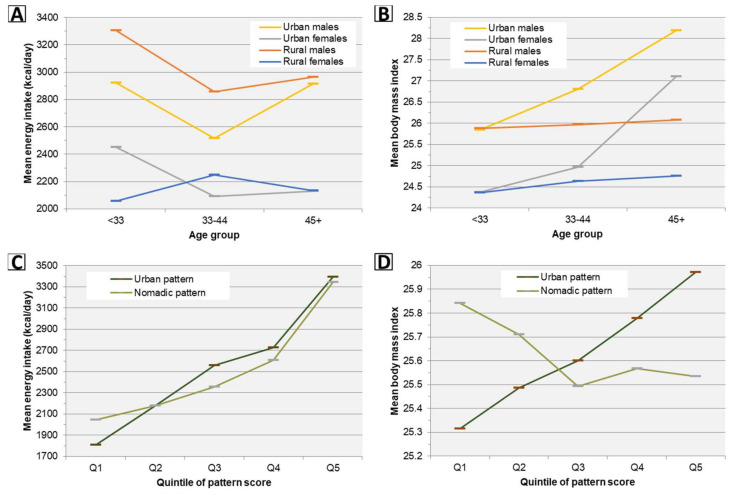
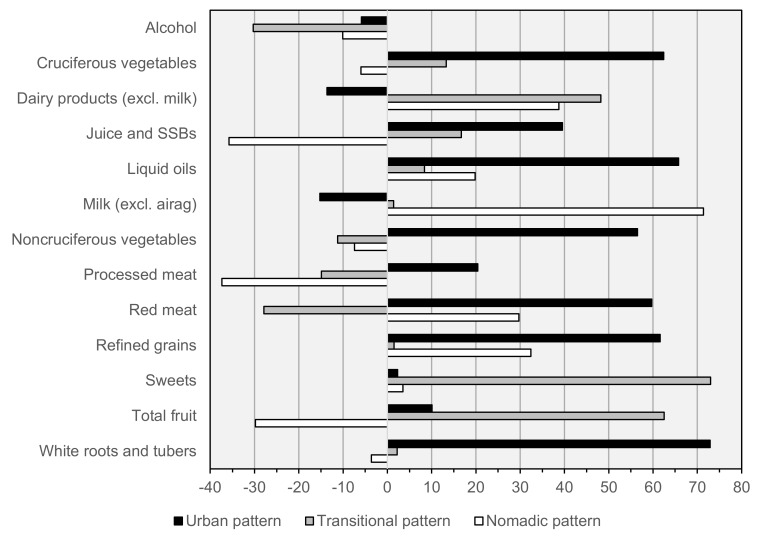
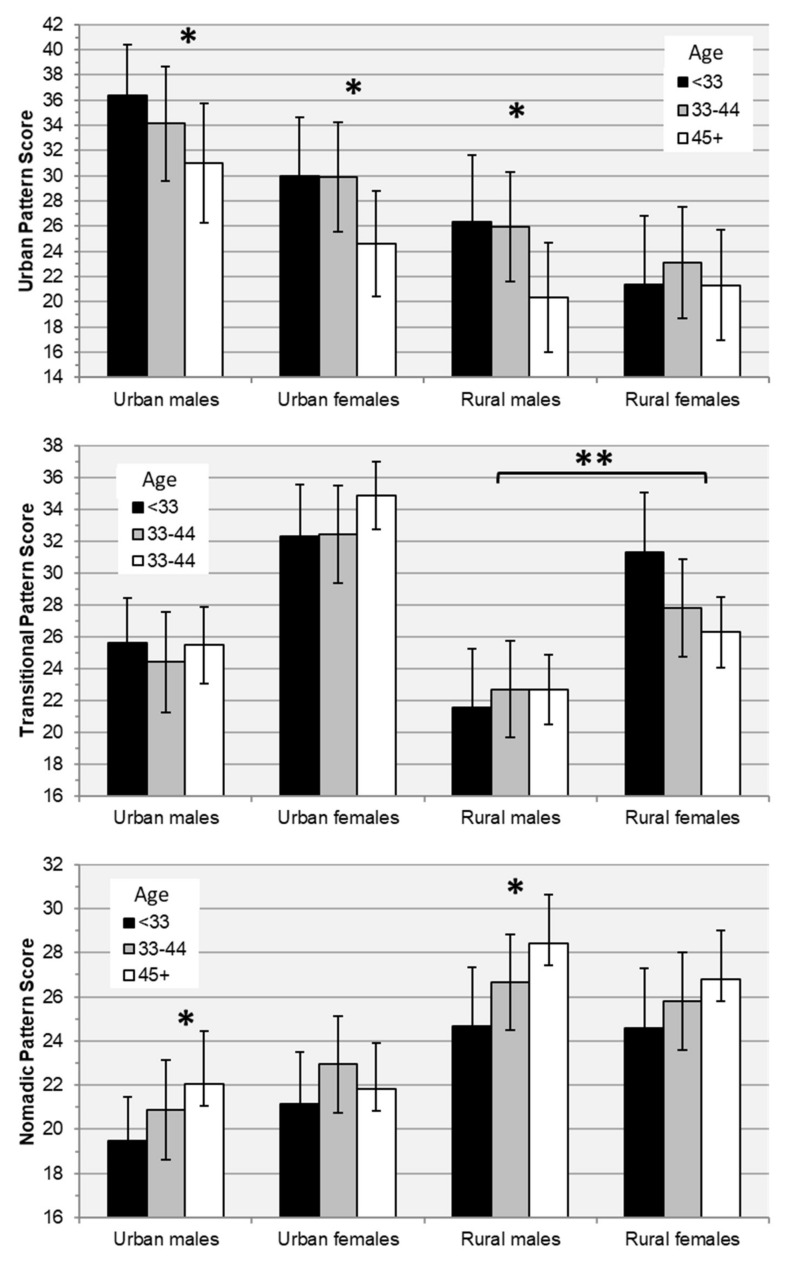
(1) Background: Aspects of the Mongolian food supply, including high availability of animal-source foods and few plant foods, are plausibly associated with disease in the population. Data on Mongolian diets are lacking, and these risks are poorly quantified. The purpose of this study was to provide a multifaceted nutritional analysis of the modern Mongolian diet. (2) Methods: The study population consisted of 167 male and 167 female healthy non-pregnant urban and nomadic adults (22-55 years) randomly selected from lists of residents in 8 regions. From 2011-2016, 3-day weighed diet records and serum were collected twice from each participant in summer and winter; anthropometry was collected once from each participant. Serum was analyzed for biomarkers, and nutrient intake computed using purpose-built food composition data and adjusted for within-person variation. Exploratory dietary patterns were derived and analyzed for associations with diet and nutrition measurements. (3) Results: We collected 1838 of an expected 1986 diet records (92.5%), 610/658 serum samples (92.7%), and 315/334 height and weight measurements (94.3%). Sixty-one percent of men and 51% of women were overweight or obese. Consumption of red meat, refined grains, and whole-fat dairy was high, while that of fruits, non-tuberous vegetables, eggs, nuts and seeds, fish and poultry, and whole grains was low. Dairy and red meat were more consumed in summer and winter, respectively. Dietary inadequacy of 10 of 21 assessed nutrients, including fiber, folate, and vitamin D were >50% prevalent, while protein, zinc, and vitamin B12 inadequacy were low. Biochemical evidence of iron and vitamin A deficiency was also low. Three dietary patterns (Urban, Transitional, Nomadic) explained 41% of variation in food consumption. The Urban pattern was positively associated with BMI in multivariate analysis. (4) Conclusions: Results indicate a high prevalence of key dietary inadequacies and overweight among Mongolian adults. Prior studies by our group have suggested that expanded supplementation and food fortification would be effective in addressing micronutrient inadequacies; these strategies should be coupled with measures to mitigate the growing burden of chronic disease.
(1) 背景:蒙古的食物供应包括丰富的动物源食品和较少的植物性食品,这些因素可能与人群中的疾病有关。目前缺乏有关蒙古饮食的数据,这些风险也没有得到充分量化。本研究旨在对现代蒙古饮食进行多方面的营养分析。
(2) 方法:研究人群由 167 名男性和 167 名女性健康的非怀孕城市和游牧成年人(22-55 岁)组成,他们是从 8 个地区的居民名单中随机选择的。从 2011 年至 2016 年,每两年从每位参与者的夏季和冬季收集 3 天的称重饮食记录和血清;从每位参与者收集一次人体测量数据。分析血清生物标志物,使用专门的食物成分数据计算营养素摄入量,并对个体内变异进行调整。得出探索性饮食模式,并分析其与饮食和营养测量的关系。
(3) 结果:我们共收集了预期 1986 份饮食记录中的 1838 份(92.5%),610/658 份血清样本(92.7%)和 315/334 份身高和体重测量值(94.3%)。61%的男性和 51%的女性超重或肥胖。红肉、精制谷物和全脂乳制品的消耗量较高,而水果、非块茎蔬菜、鸡蛋、坚果和种子、鱼类和家禽以及全谷物的消耗量较低。乳制品和红肉在夏季和冬季的摄入量分别较高。21 种评估营养素中有 10 种(包括纤维、叶酸和维生素 D)的摄入不足率>50%,而蛋白质、锌和维生素 B12 的摄入不足率较低。缺铁和维生素 A 缺乏的生化证据也较低。三种饮食模式(城市、过渡、游牧)解释了 41%的食物消费差异。多元分析显示,城市模式与 BMI 呈正相关。
(4) 结论:结果表明,蒙古成年人中关键饮食不足和超重的发生率很高。我们小组之前的研究表明,扩大补充和食物强化将有效解决微量营养素不足的问题;这些策略应与减轻日益严重的慢性病负担的措施相结合。