nference, Cambridge, United States.
nference Labs, Bengaluru, India.
Elife. 2020 May 28;9:e58040. doi: 10.7554/eLife.58040.
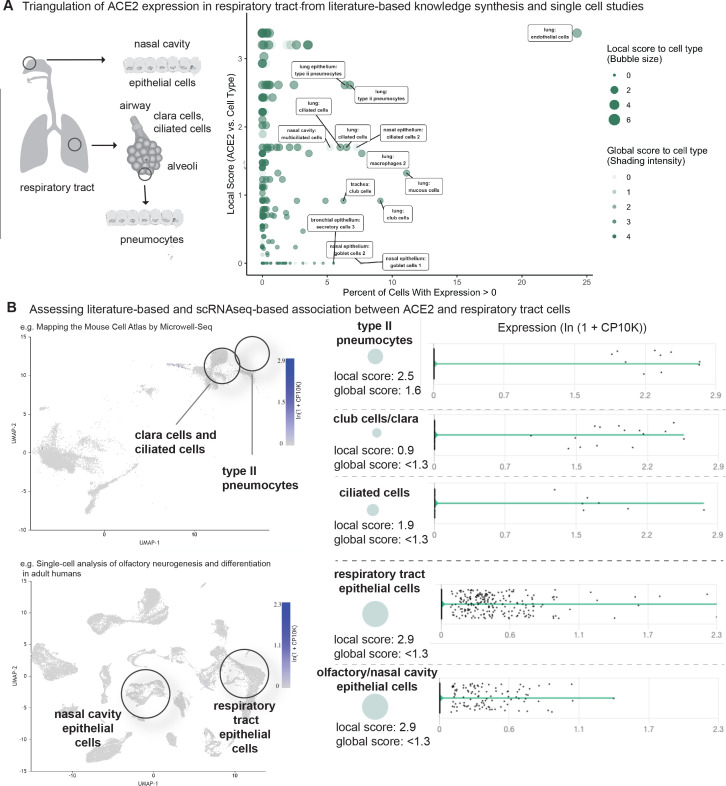
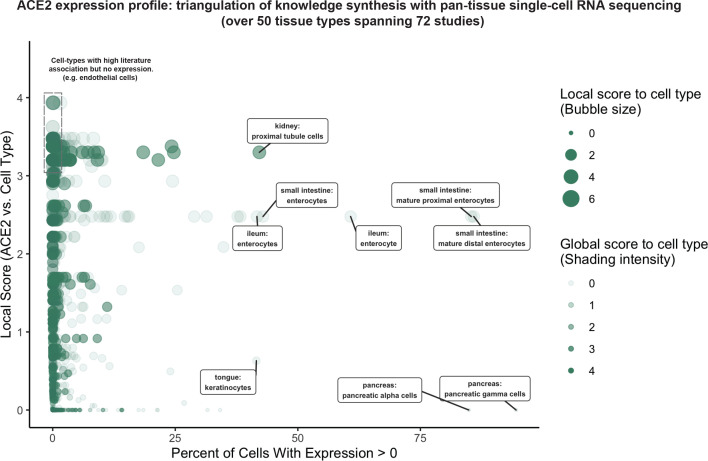
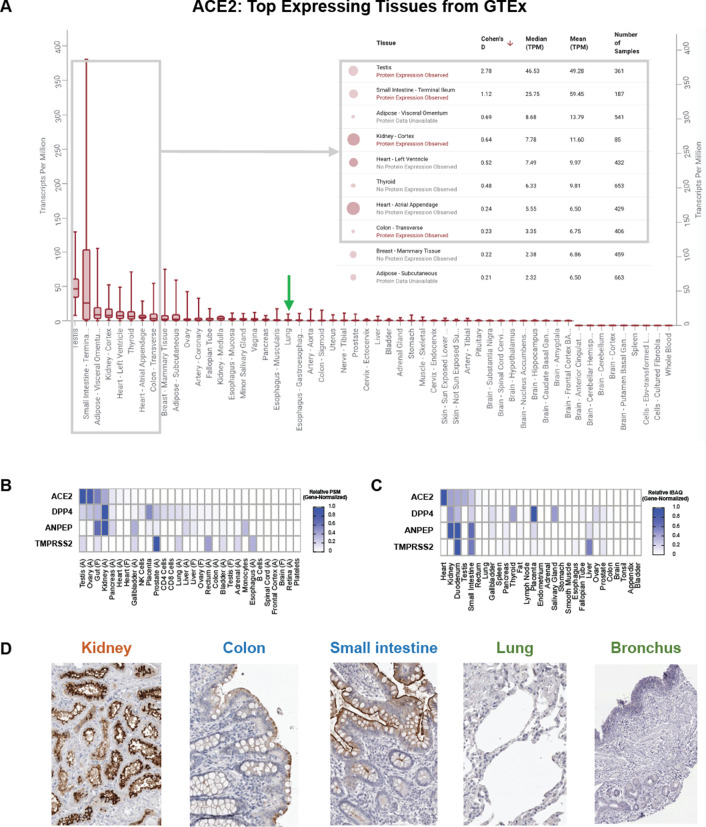
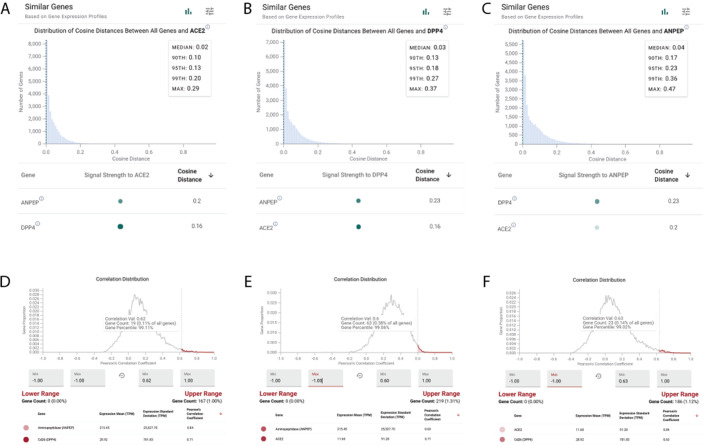
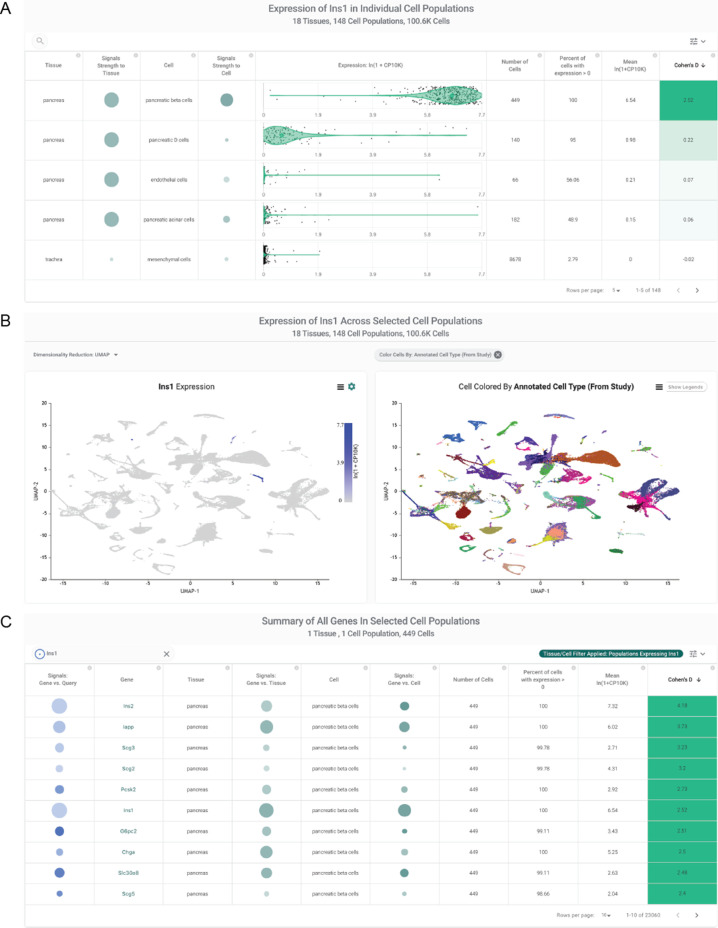
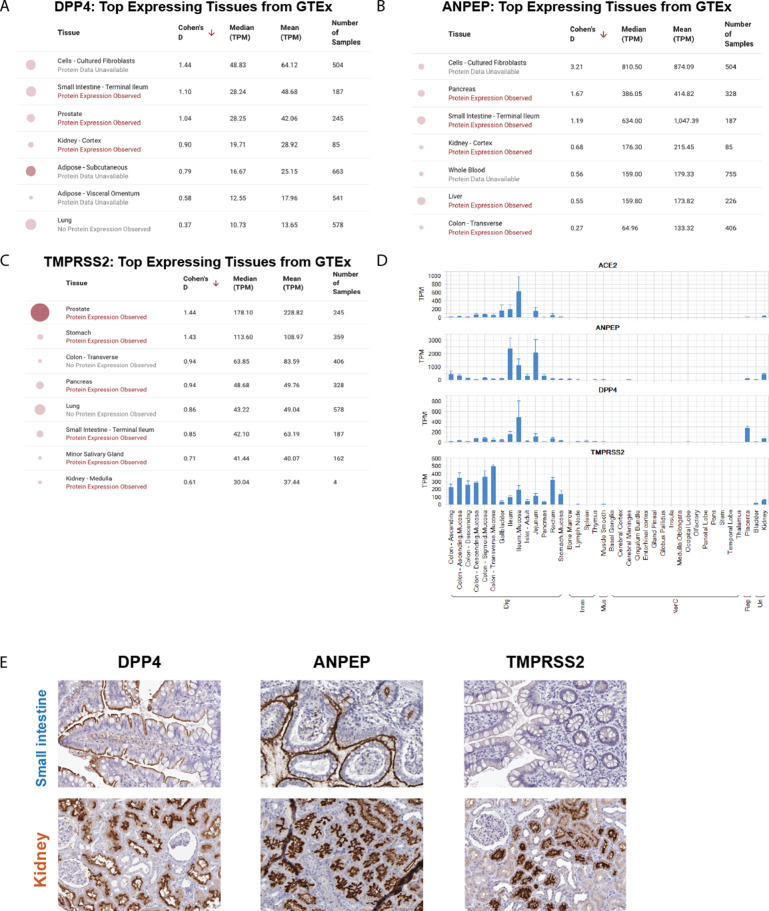
The COVID-19 pandemic demands assimilation of all biomedical knowledge to decode mechanisms of pathogenesis. Despite the recent renaissance in neural networks, a platform for the real-time synthesis of the exponentially growing biomedical literature and deep omics insights is unavailable. Here, we present the nferX platform for dynamic inference from over 45 quadrillion possible conceptual associations from unstructured text, and triangulation with insights from single-cell RNA-sequencing, bulk RNA-seq and proteomics from diverse tissue types. A hypothesis-free profiling of ACE2 suggests tongue keratinocytes, olfactory epithelial cells, airway club cells and respiratory ciliated cells as potential reservoirs of the SARS-CoV-2 receptor. We find the gut as the putative hotspot of COVID-19, where a maturation correlated transcriptional signature is shared in small intestine enterocytes among coronavirus receptors (ACE2, DPP4, ANPEP). A holistic data science platform triangulating insights from structured and unstructured data holds potential for accelerating the generation of impactful biological insights and hypotheses.
COVID-19 大流行要求整合所有生物医学知识,以解码发病机制。尽管神经网络最近出现复兴,但缺乏用于实时综合指数级增长的生物医学文献和深度组学见解的平台。在这里,我们提出了 nferX 平台,用于从超过 45 万亿个可能的概念关联中进行动态推断,这些关联来自非结构化文本,并与单细胞 RNA 测序、批量 RNA-seq 和来自不同组织类型的蛋白质组学的见解进行三角剖分。对 ACE2 的无假设分析表明,舌角蛋白细胞、嗅觉上皮细胞、气道 club 细胞和呼吸纤毛细胞可能是 SARS-CoV-2 受体的潜在储库。我们发现肠道是 COVID-19 的推测热点,冠状病毒受体(ACE2、DPP4、ANPEP)在小肠肠细胞中共享与成熟相关的转录特征。一个整合了来自结构化和非结构化数据的见解的整体数据科学平台具有加速产生有影响力的生物学见解和假设的潜力。