Departamento de Química Inorgánica, Facultad de Ciencia y Tecnología, UPV/EHU, Barrio Sarriena s/n, 48940, Leioa, Spain.
Department of Electricidad y Electrónica, Facultad de Ciencia y Tecnología, UPV/EHU, Barrio Sarriena s/n, 48940, Leioa, Spain.
ACS Appl Mater Interfaces. 2020 Jun 24;12(25):27917-27929. doi: 10.1021/acsami.0c03222. Epub 2020 Jun 12.
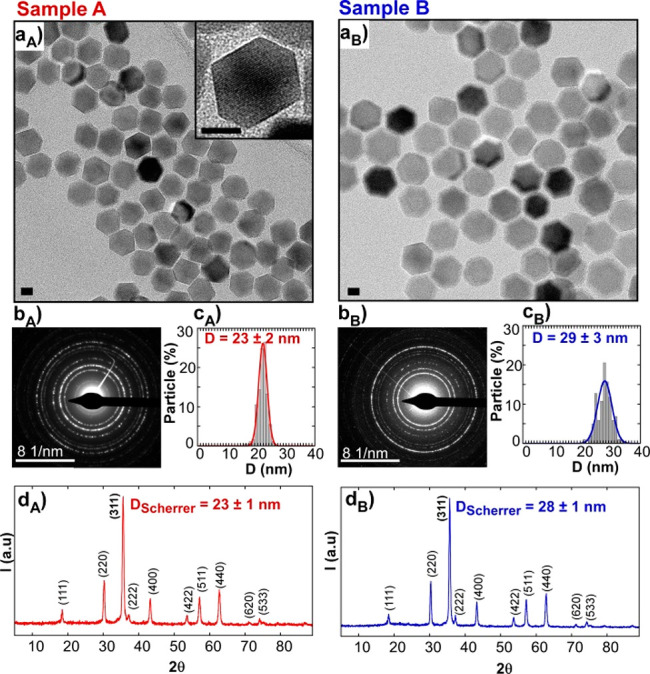
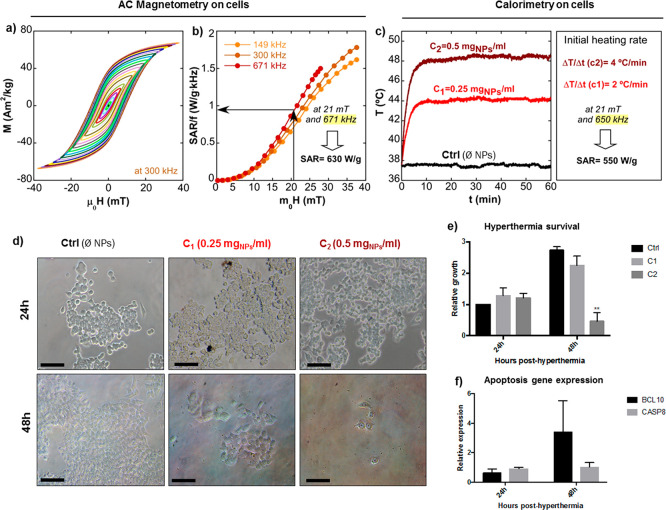
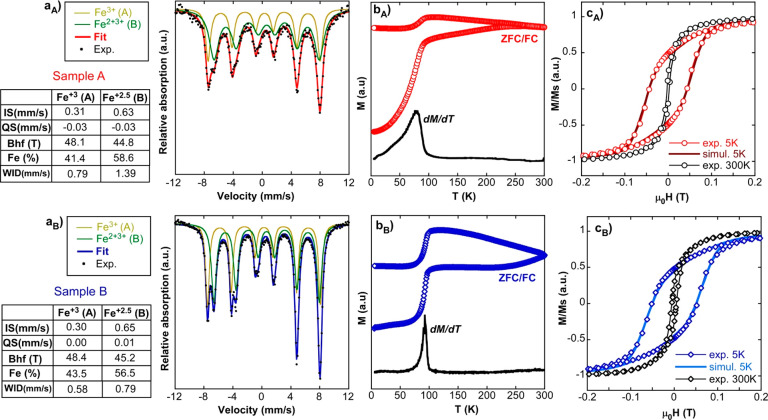
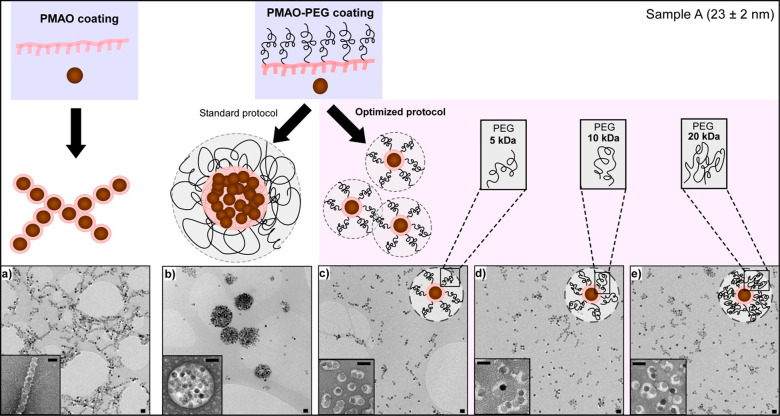
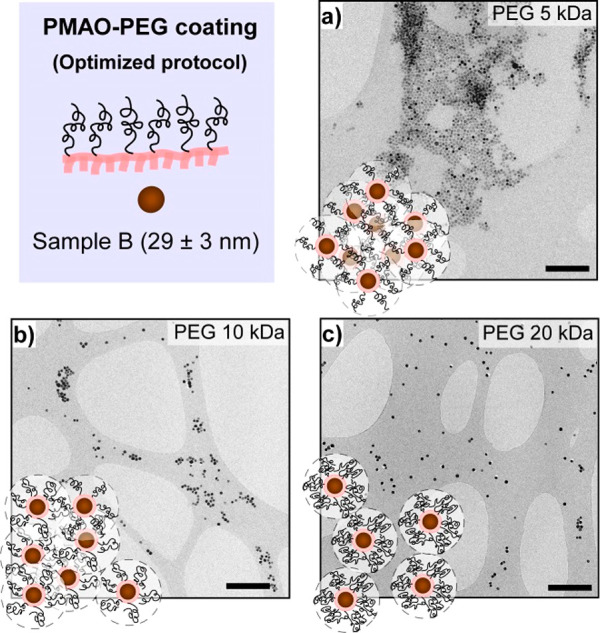
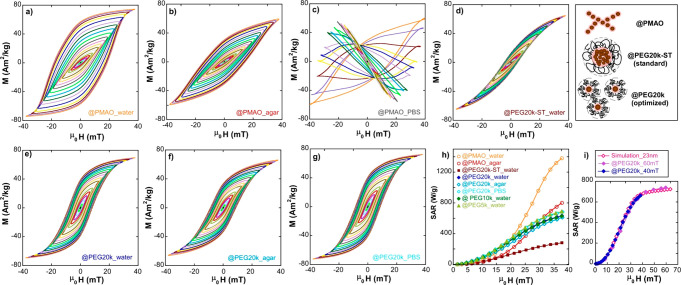
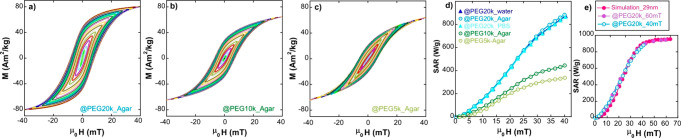
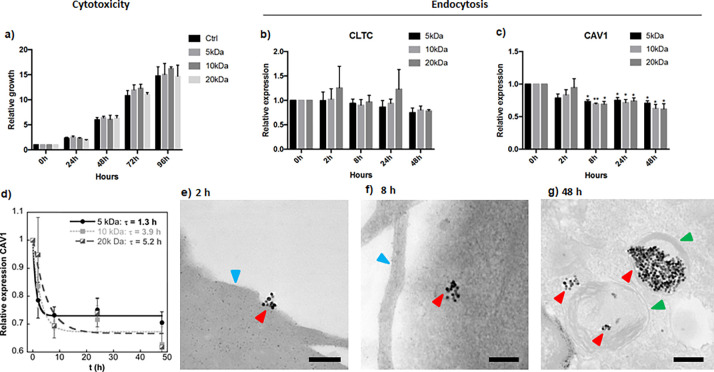
Local heat generation from magnetic nanoparticles (MNPs) exposed to alternating magnetic fields can revolutionize cancer treatment. However, the application of MNPs as anticancer agents is limited by serious drawbacks. Foremost among these are the fast uptake and biodegradation of MNPs by cells and the unpredictable magnetic behavior of the MNPs when they accumulate within or around cells and tissues. In fact, several studies have reported that the heating power of MNPs is severely reduced in the cellular environment, probably due to a combination of increased viscosity and strong NP agglomeration. Herein, we present an optimized protocol to coat magnetite (FeO) NPs larger than 20 nm (FM-NPs) with high molecular weight PEG molecules that avoid collective coatings, prevent the formation of large clusters of NPs and keep constant their high heating performance in environments with very different ionic strengths and viscosities (distilled water, physiological solutions, agar and cell culture media). The great reproducibility and reliability of the heating capacity of this FM-NP@PEG system in such different environments has been confirmed by AC magnetometry and by more conventional calorimetric measurements. The explanation of this behavior has been shown to lie in preserving as much as possible the magnetic single domain-type behavior of nearly isolated NPs. endocytosis experiments in a colon cancer-derived cell line indicate that FM-NP@PEG formulations with PEGs of higher molecular weight (20 kDa) are more resistant to endocytosis than formulations with smaller PEGs (5 kDa), showing quite large uptake mean-life (τ > 5 h) in comparison with other NP systems. The magnetic hyperthermia was performed at 21 mT and 650 kHz during 1 h in a pre-endocytosis stage and complete cell death was achieved 48 h posthyperthermia. These optimal FM-NP@PEG formulations with high resistance to endocytosis and predictable magnetic response will aid the progress and accuracy of the emerging era of theranostics.
在交变磁场中暴露的磁性纳米颗粒(MNPs)产生的局部热量可以彻底改变癌症治疗方法。然而,MNPs 作为抗癌剂的应用受到严重缺陷的限制。其中最主要的问题是 MNPs 被细胞快速摄取和生物降解,以及 MNPs 在细胞内或周围积累时不可预测的磁行为。事实上,有几项研究报告称,MNPs 的加热功率在细胞环境中严重降低,这可能是由于增加的粘度和 NP 强烈团聚的综合作用。在此,我们提出了一种优化方案,即用高分子量 PEG 分子涂覆大于 20nm 的磁铁矿(FeO)纳米颗粒(FM-NPs),避免集体涂层,防止 NP 形成大簇,并保持其在具有非常不同离子强度和粘度的环境中的高加热性能(蒸馏水、生理溶液、琼脂和细胞培养基)。通过交流磁强计和更传统的量热测量,证实了这种 FM-NP@PEG 系统在如此不同的环境中加热能力的高度重现性和可靠性。这种行为的解释表明,尽可能地保持近乎孤立 NP 的磁性单畴型行为。在结肠癌细胞系中的内吞作用实验表明,PEG 分子量较高(20kDa)的 FM-NP@PEG 制剂比分子量较小的 PEG(5kDa)制剂更能抵抗内吞作用,与其他 NP 系统相比,具有较大的摄取平均寿命(τ>5h)。在预内吞作用阶段,在 21mT 和 650kHz 下进行了磁热疗 1 小时,在热疗后 48 小时实现了完全细胞死亡。这些具有高内吞作用抗性和可预测磁响应的最佳 FM-NP@PEG 制剂将有助于治疗学这一新兴时代的进展和准确性。