Department of Biology, Indiana University, Bloomington, Indiana 47405, USA; email:
Department of Molecular and Cellular Biochemistry, Indiana University, Bloomington, Indiana 47405, USA.
Annu Rev Microbiol. 2020 Sep 8;74:65-80. doi: 10.1146/annurev-micro-020518-115443. Epub 2020 Jun 5.
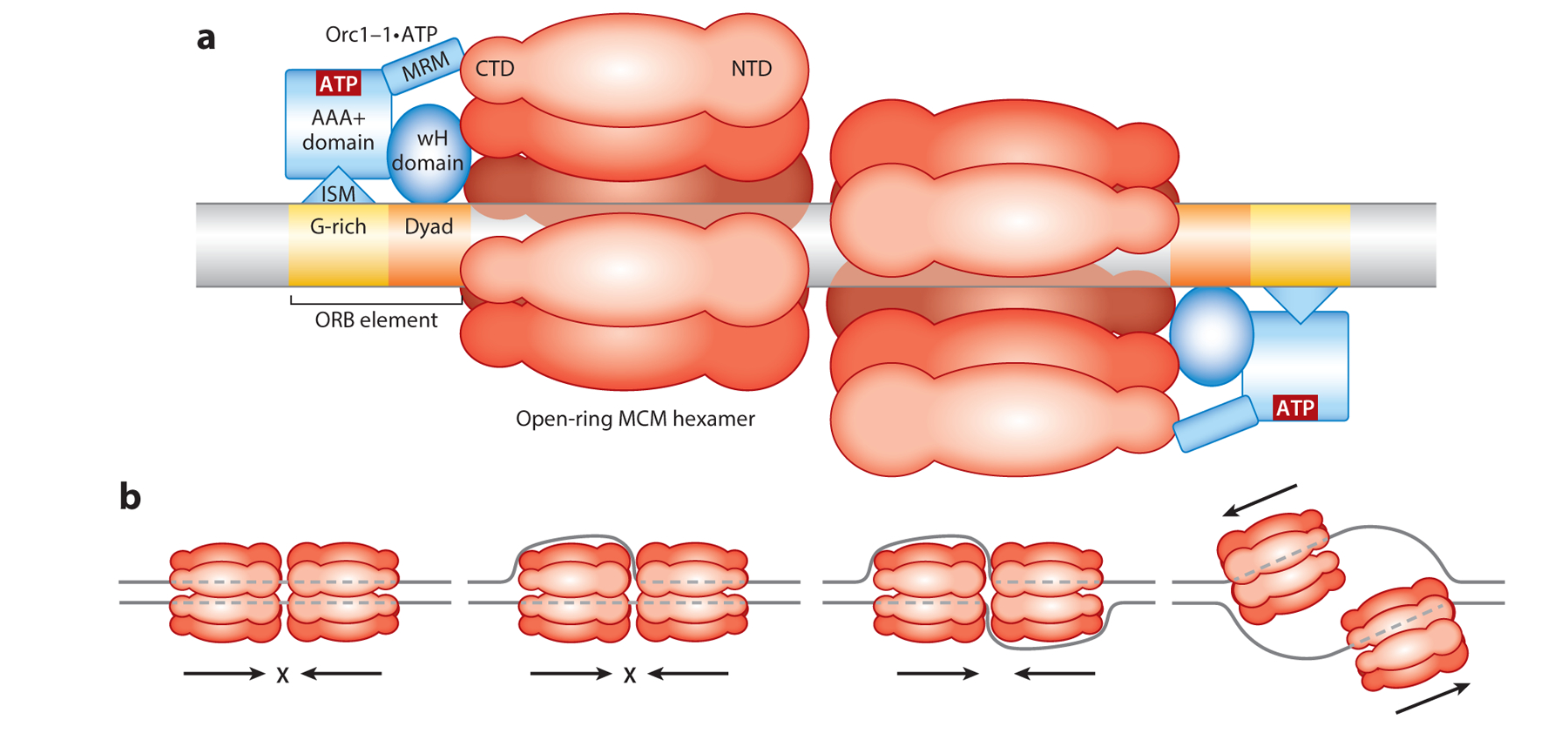
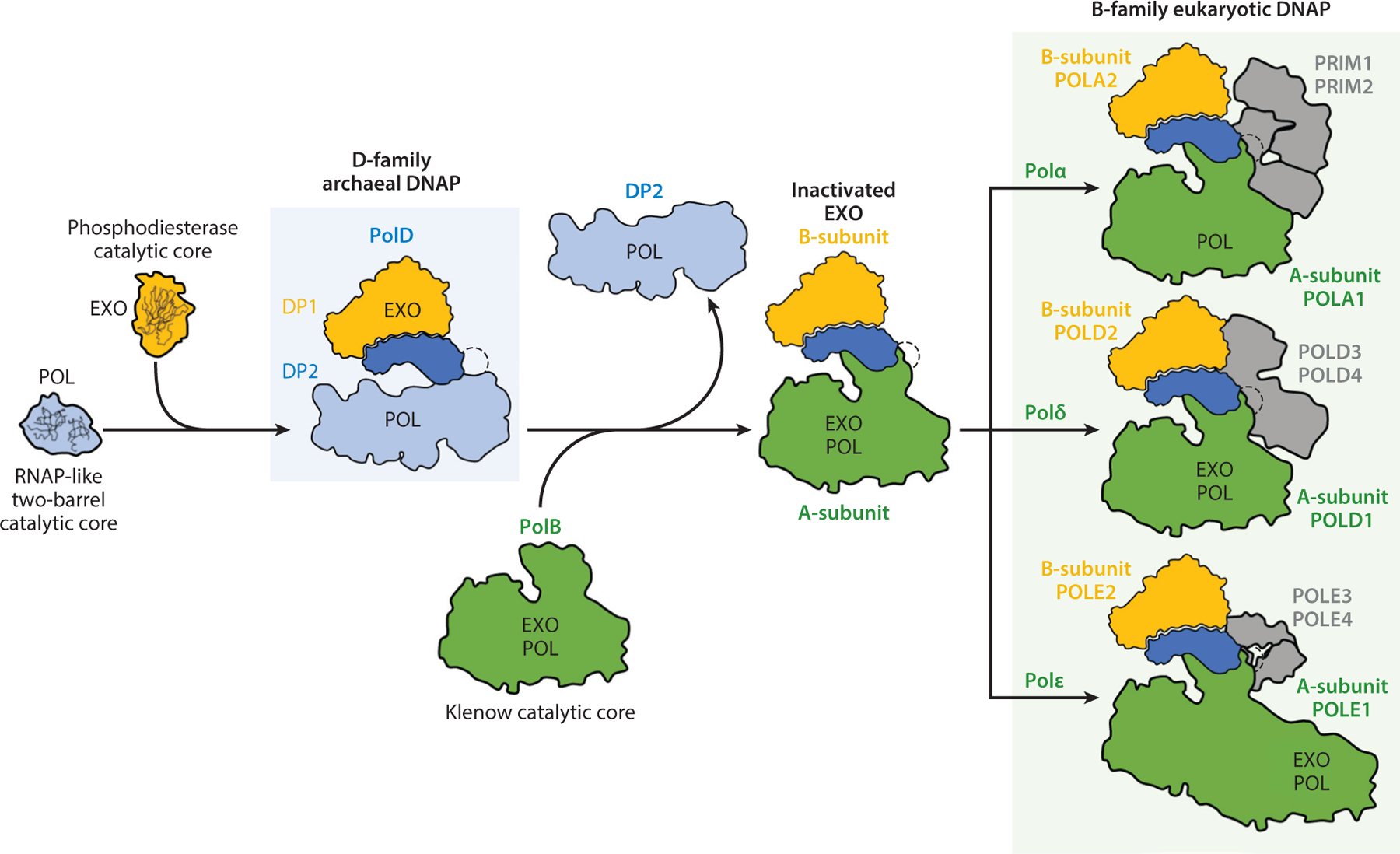
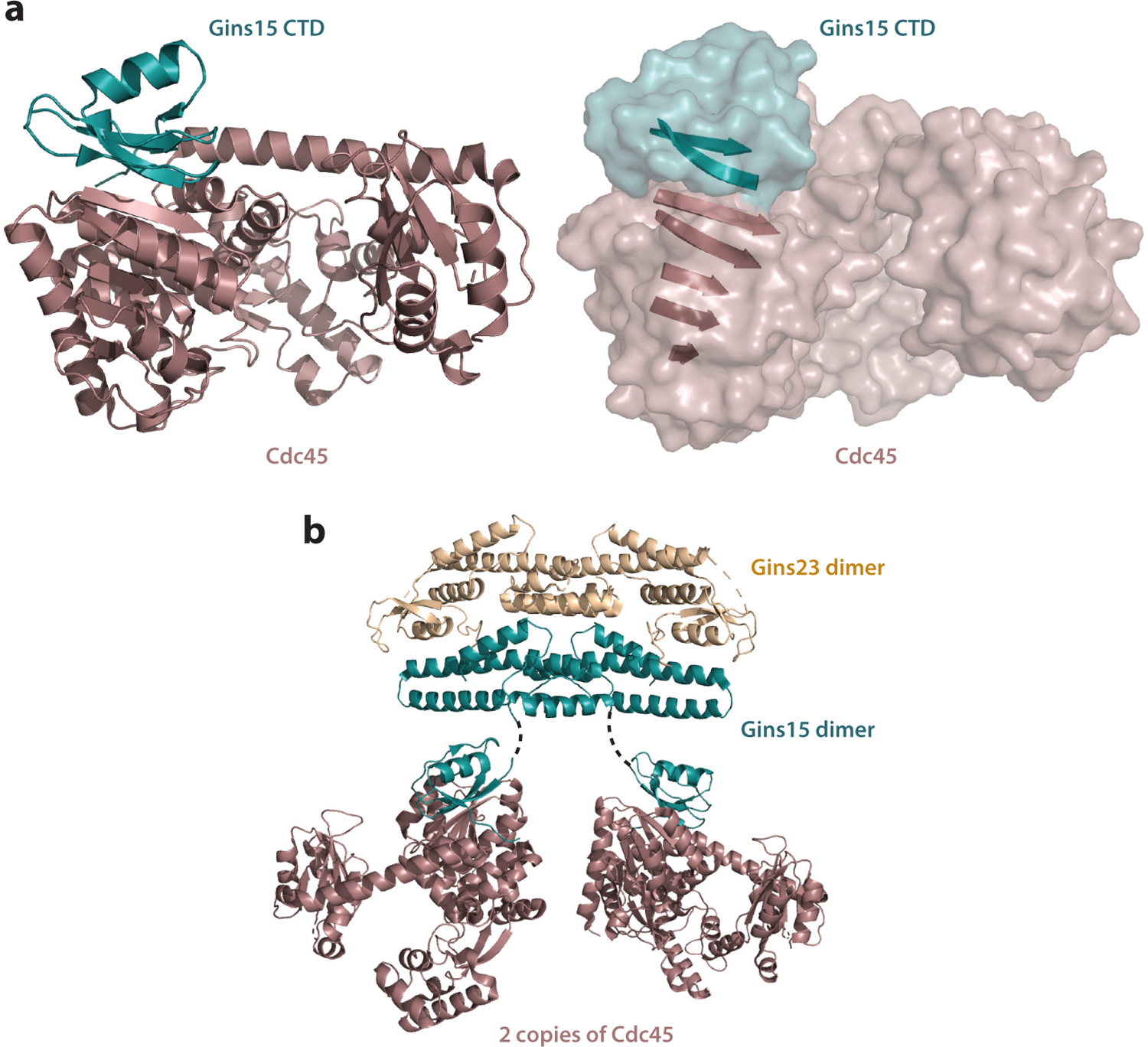
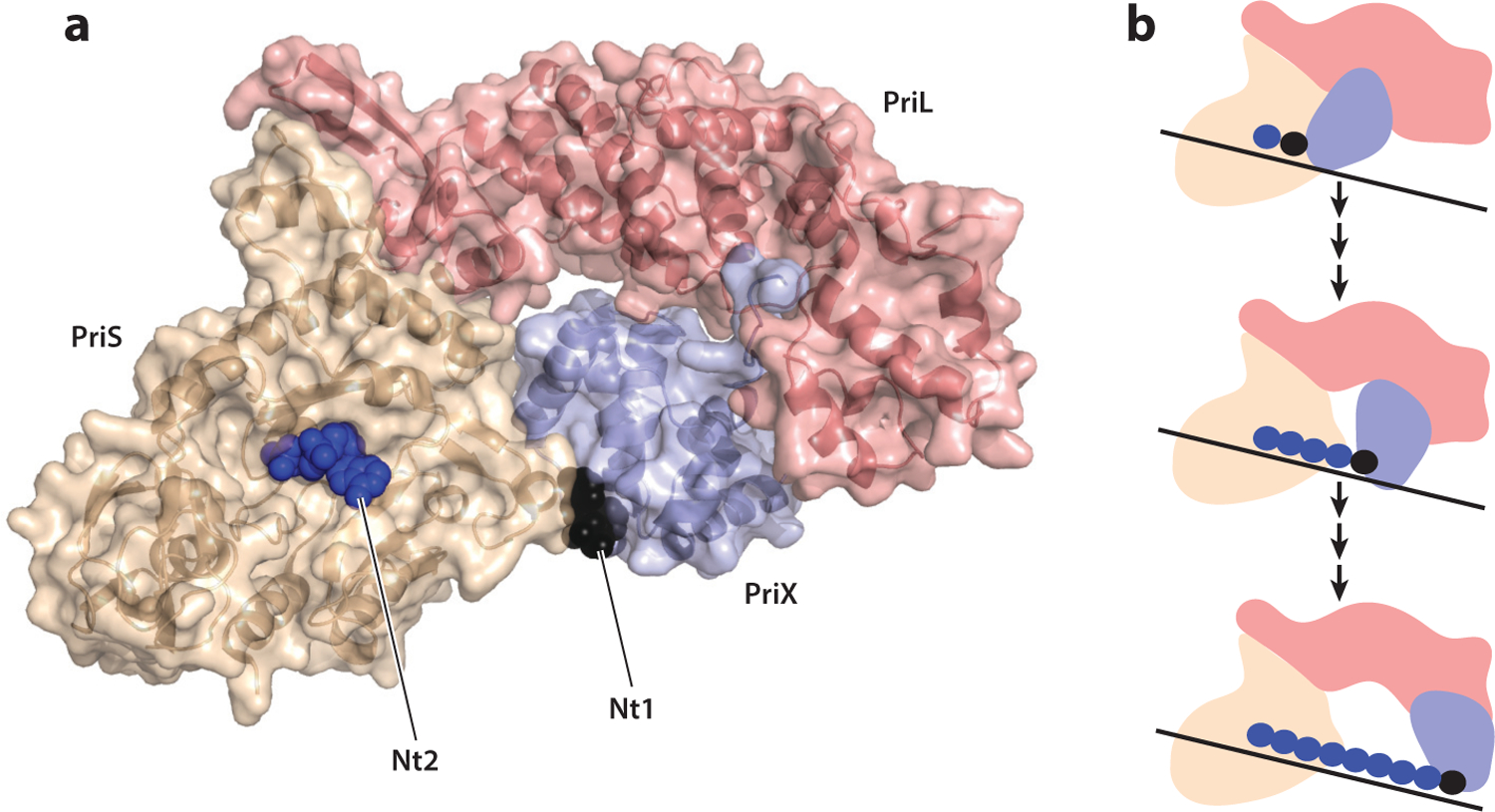
It is now well recognized that the information processing machineries of archaea are far more closely related to those of eukaryotes than to those of their prokaryotic cousins, the bacteria. Extensive studies have been performed on the structure and function of the archaeal DNA replication origins, the proteins that define them, and the macromolecular assemblies that drive DNA unwinding and nascent strand synthesis. The results from various archaeal organisms across the archaeal domain of life show surprising levels of diversity at many levels-ranging from cell cycle organization to chromosome ploidy to replication mode and nature of the replicative polymerases. In the following, we describe recent advances in the field, highlighting conserved features and lineage-specific innovations.
现在人们已经充分认识到,古菌的信息处理机制与真核生物的关系远比与原核生物(细菌)的关系更为密切。人们对古菌 DNA 复制起点的结构和功能、定义这些起点的蛋白质以及驱动 DNA 解旋和新链合成的大分子组装体进行了广泛研究。来自生命之古菌域中各种古菌的结果在许多层面上显示出惊人的多样性,范围从细胞周期组织到染色体倍性到复制模式和复制聚合酶的性质。在下面,我们将描述该领域的最新进展,重点介绍保守特征和谱系特异性创新。