Department of Experimental and Clinical Medicine, University of Florence, 50139 Florence, Italy.
Occupational Medicine School, University of Florence, 50139 Florence, Italy.
Int J Environ Res Public Health. 2020 Jul 8;17(14):4921. doi: 10.3390/ijerph17144921.
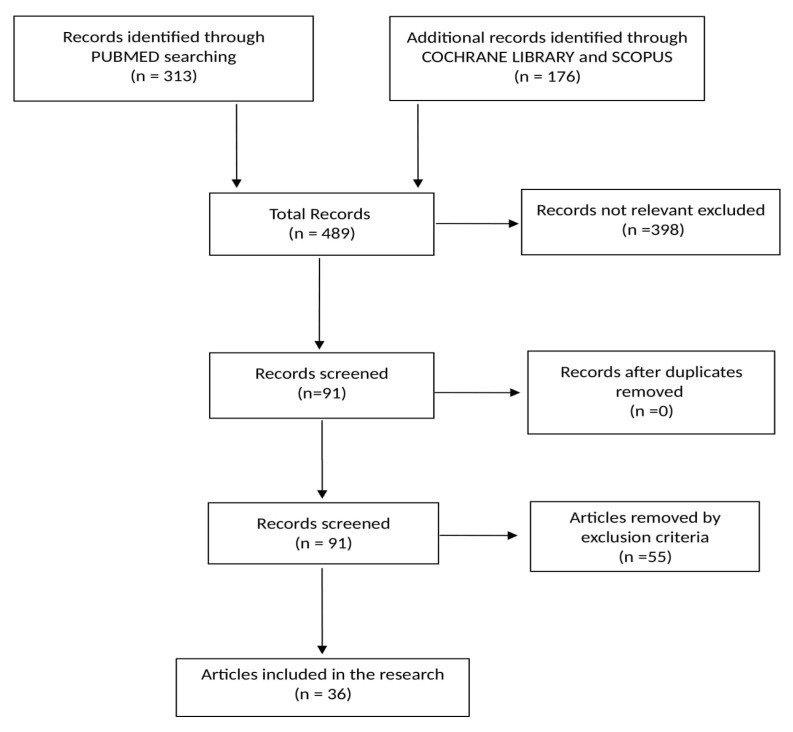
Allergic disorders in the agriculture sector are very common among farm workers, causing many injuries and occupational diseases every year. Agricultural employees are exposed to multiple conditions and various allergenic substances, which could be related to onset of anaphylactic reactions. This systematic review highlights the main clinical manifestation, the allergens that are mostly involved and the main activities that are usually involved. This research includes articles published on the major databases (PubMed, Cochrane Library, Scopus), using a combination of keywords. The online search yielded 489 references; after selection, by the authors, 36 articles (nine reviews and 27 original articles) were analyzed. From this analysis, the main clinical problems that were diagnosed in this category were respiratory (ranging from rhinitis to asthma) and dermatological (eczema, dermatitis, hives) in nature, with a wide symptomatology (from a simple local reaction to anaphylaxis). The main activities associated with these allergic conditions are harvesting or cultivation of fruit and cereals, beekeepers and people working in greenhouses. Finally, in addition to the allergens already known, new ones have emerged, including triticale, wine, spider and biological dust. For these reasons, in the agricultural sector, research needs to be amplified, considering new sectors, new technologies and new products, and ensuring a system of prevention to reduce this risk.
农业领域的过敏症在农场工人中非常常见,每年都会导致许多伤害和职业病。农业员工会接触到多种情况和各种过敏原,这可能与过敏反应的发生有关。本系统综述强调了主要的临床表现、最常涉及的过敏原以及通常涉及的主要活动。这项研究包括在主要数据库(PubMed、Cochrane Library、Scopus)上发表的文章,使用了关键词的组合。在线搜索产生了 489 篇参考文献;经过作者选择,分析了 36 篇文章(9 篇综述和 27 篇原始文章)。从这一分析中,可以诊断出该类别的主要临床问题是呼吸道(从鼻炎到哮喘)和皮肤科(湿疹、皮炎、荨麻疹),症状广泛(从简单的局部反应到过敏反应)。与这些过敏状况相关的主要活动是水果和谷物的收获或种植、养蜂人和温室工人。最后,除了已经知道的过敏原外,还出现了一些新的过敏原,包括黑小麦、葡萄酒、蜘蛛和生物粉尘。因此,在农业部门,需要扩大研究范围,考虑新的部门、新技术和新产品,并确保建立一个预防系统来降低这种风险。