School of Life Science and Engineering, Southwest Jiaotong University, Chengdu, P.R. China.
Key Laboratory of Advanced Technologies of Materials, Ministry of Education, Southwest Jiaotong University, Chengdu, P.R. China.
Theranostics. 2020 Jul 2;10(18):8080-8097. doi: 10.7150/thno.43473. eCollection 2020.
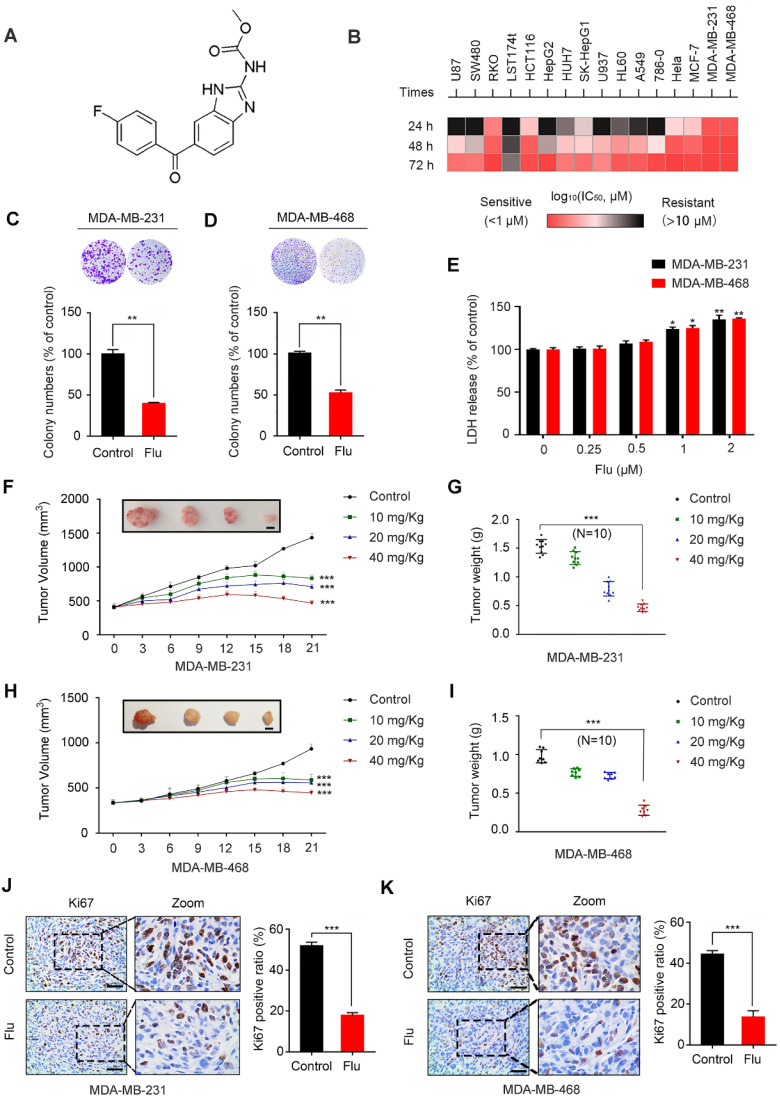
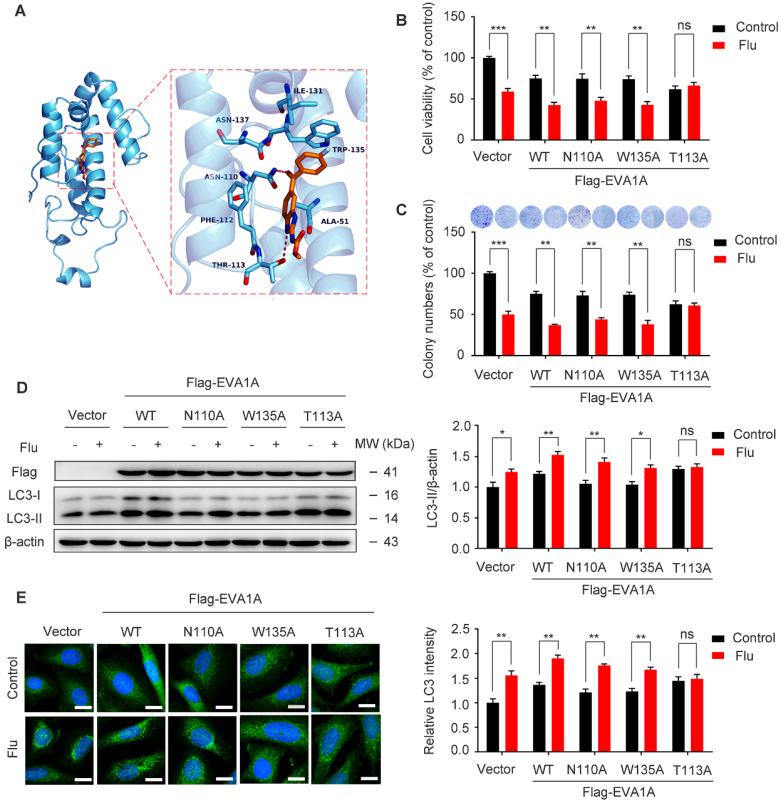
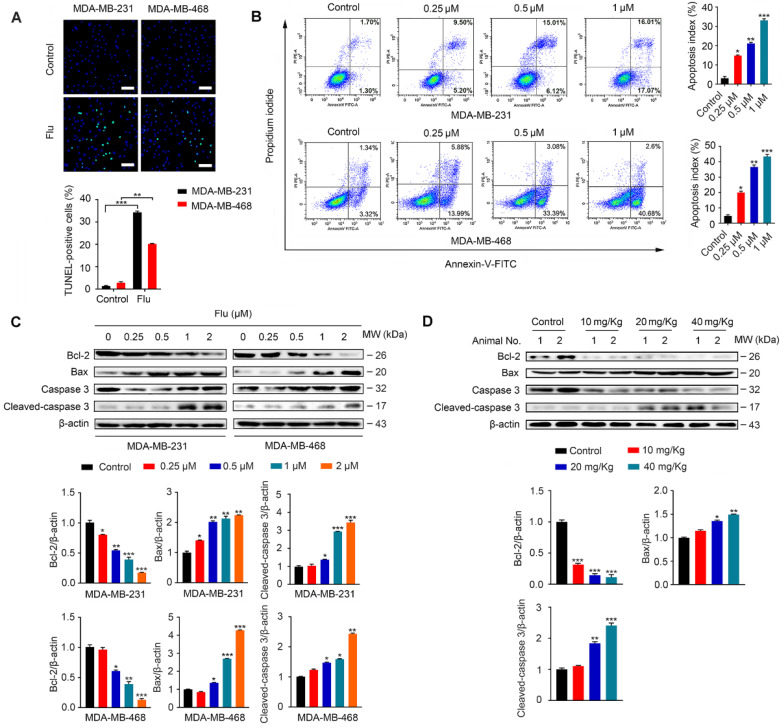
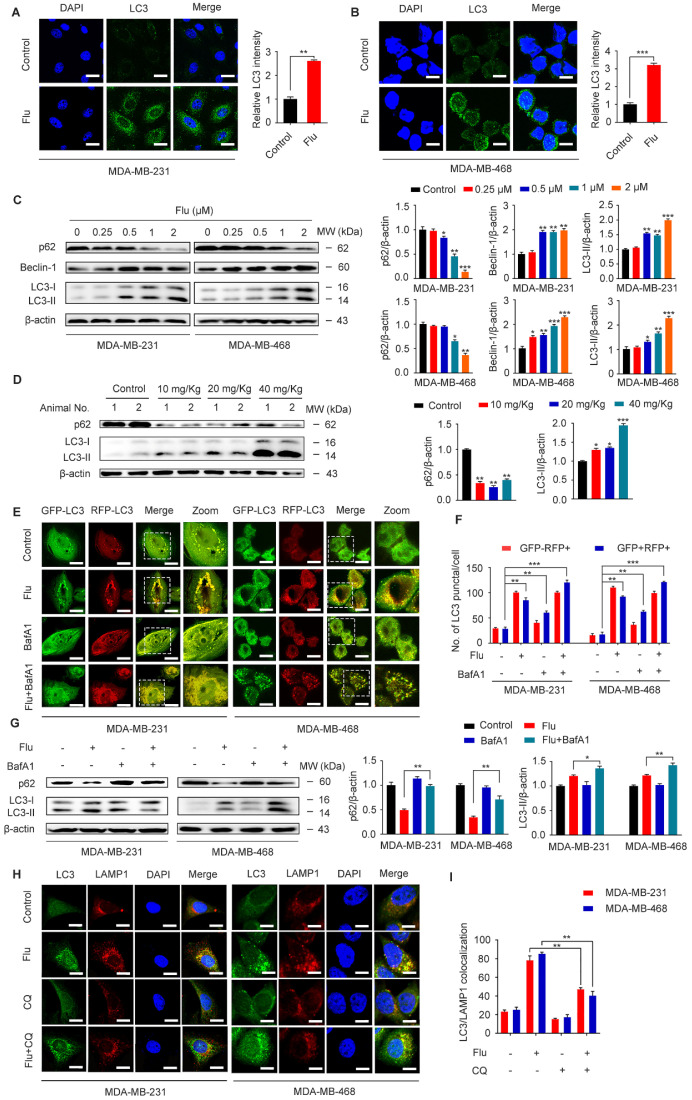
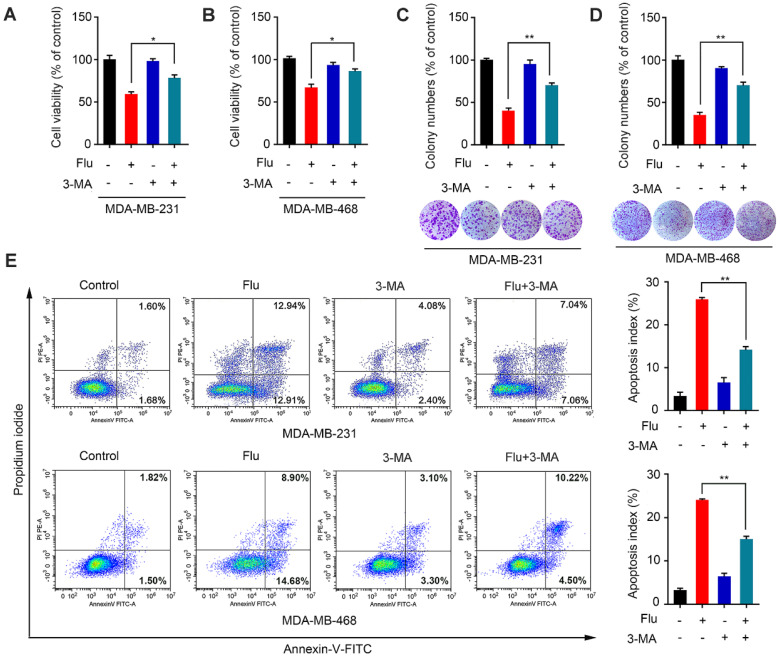
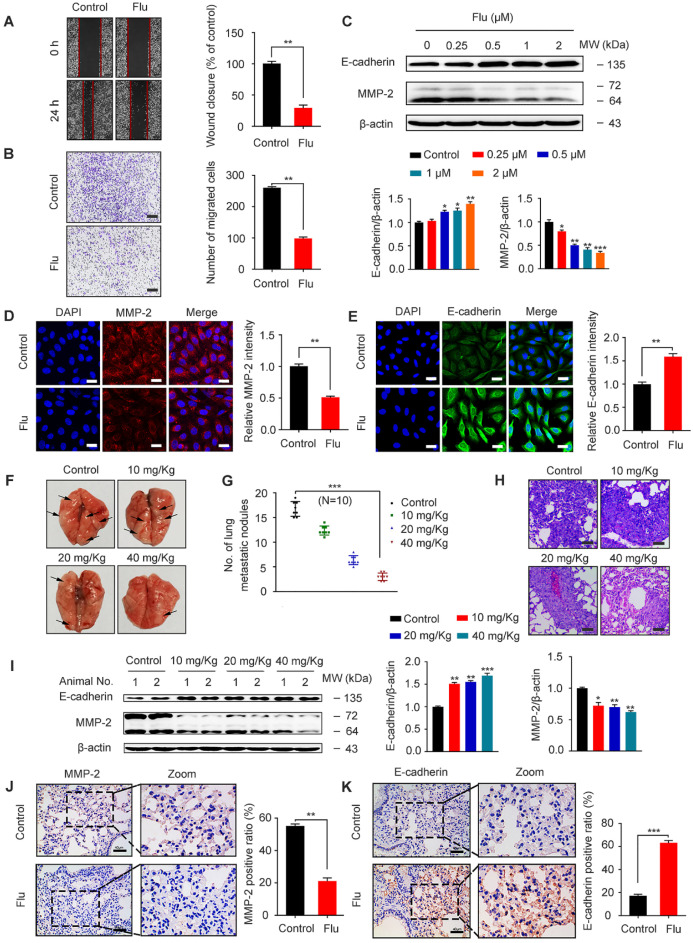
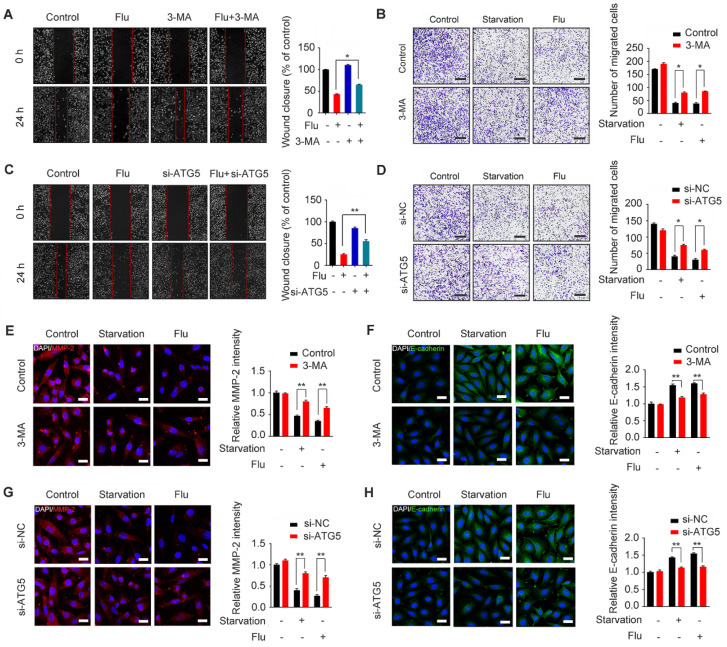
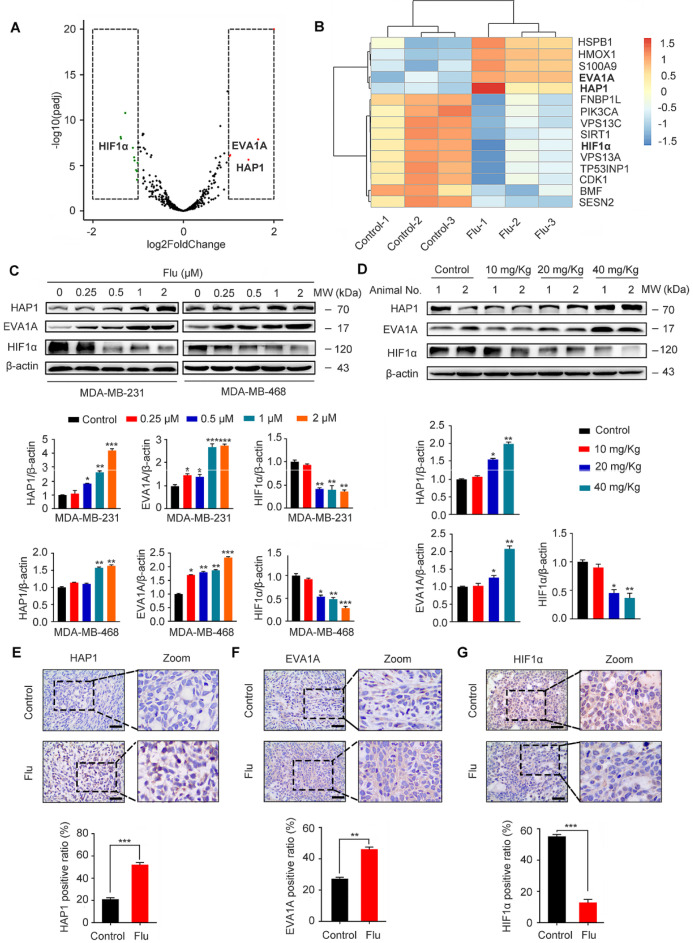
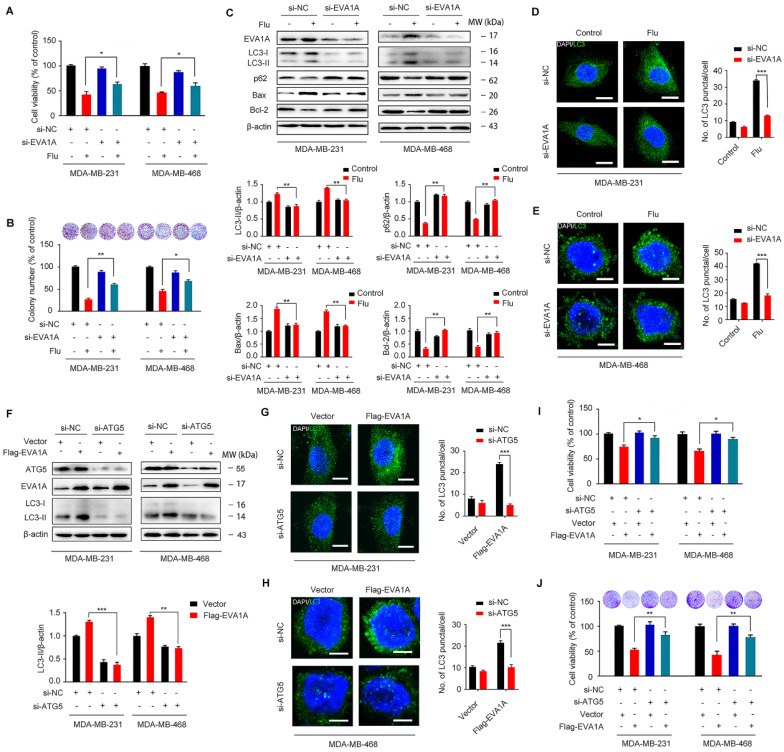
Triple-negative breast cancer (TNBC) is one of the most prevalent neoplastic diseases worldwide, but efficacious treatments for this pathological condition are still challenging. The lack of an effective targeted therapy also leads to a poor prognosis for patients affected by TNBC. In the present study, we repurposed the distinctive inhibitory effects of flubendazole, a traditional anthelmintic drug, towards the putative modulation of proliferation and migration of TNBC . According to a series of experimental approaches, including immunofluorescence (IF), immunoblotting (IB), siRNA and GFP-mRFP-LC3 plasmid transfection, respectively, we have found that flubendazole is capable of inducing autophagic cell death and apoptosis, thus exerting some anti-proliferative and anti-migration activity in TNBC cells. The therapeutic effects of flubendazole were evaluated by xenograft mouse models, followed by immunohistochemistry (IHC), IF and IB. Changes in the gene expression profiles of flubendazole-treated TNBC cells were analyzed by RNA sequencing (RNA-seq) and validated by IB. The potential binding mode of flubendazole and EVA1A was predicted by molecular docking and demonstrated by site-directed mutagenesis. We have presently found that flubendazole exhibits a considerable anti-proliferative activity and . Mechanistically, the induction of autophagic cell death appears to be pivotal for flubendazole-mediated growth inhibition of TNBC cells, whereas blocking autophagy was able to improve the survival rate and migration ability of flubendazole-treated TNBC cells. Specifically, RNA-seq analysis showed that flubendazole treatment could promote the up-regulation of EVA1A. Flubendazole may regulate autophagy and apoptosis by targeting EVA1A, thus affecting the mechanisms of TNBC proliferation and migration. Furthermore, Thr113 may be the key amino acid residues for the binding of flubendazole to EVA1A. Our results provide novel insights towards the putative anti-cancer efficacy of flubendazole. Furthermore, here we show that flubendazole could serve as a potential therapeutic drug in TNBC. Altogether, this study highlights the possibility of this repurposed autophagic inducer for future cancer treatments.
三阴性乳腺癌(TNBC)是全球最常见的肿瘤疾病之一,但针对这种病理状况的有效治疗方法仍然具有挑战性。缺乏有效的靶向治疗也导致了 TNBC 患者的预后较差。在本研究中,我们重新利用了传统驱虫药氟苯达唑的独特抑制作用,以调节 TNBC 的增殖和迁移。通过一系列实验方法,包括免疫荧光(IF)、免疫印迹(IB)、siRNA 和 GFP-mRFP-LC3 质粒转染,我们发现氟苯达唑能够诱导自噬细胞死亡和凋亡,从而对 TNBC 细胞发挥一定的抗增殖和抗迁移活性。通过异种移植小鼠模型评估氟苯达唑的治疗效果,然后进行免疫组织化学(IHC)、IF 和 IB。通过 RNA 测序(RNA-seq)分析氟苯达唑处理的 TNBC 细胞的基因表达谱,并通过 IB 进行验证。通过分子对接预测氟苯达唑与 EVA1A 的潜在结合模式,并通过定点突变进行验证。目前我们发现氟苯达唑具有相当的抗增殖活性和抗肿瘤转移活性。在机制上,自噬细胞死亡的诱导似乎是氟苯达唑抑制 TNBC 细胞生长的关键,而阻断自噬可以提高氟苯达唑处理的 TNBC 细胞的存活率和迁移能力。具体而言,RNA-seq 分析表明,氟苯达唑处理可以促进 EVA1A 的上调。氟苯达唑可能通过靶向 EVA1A 来调节自噬和凋亡,从而影响 TNBC 增殖和迁移的机制。此外,Thr113 可能是氟苯达唑与 EVA1A 结合的关键氨基酸残基。我们的研究结果为氟苯达唑的潜在抗癌功效提供了新的见解。此外,我们表明氟苯达唑可作为 TNBC 的潜在治疗药物。总的来说,这项研究强调了这种重新利用的自噬诱导剂在未来癌症治疗中的可能性。