Sichuan Engineering Research Center for Biomimetic Synthesis of Natural Drugs, School of Life Science and Engineering, Southwest Jiaotong University, 610031, Chengdu, China.
Key Laboratory of Advanced Technologies of Materials, Ministry of Education, Southwest Jiaotong University, 610031, Chengdu, China.
Cell Death Dis. 2022 Apr 19;13(4):375. doi: 10.1038/s41419-022-04823-8.
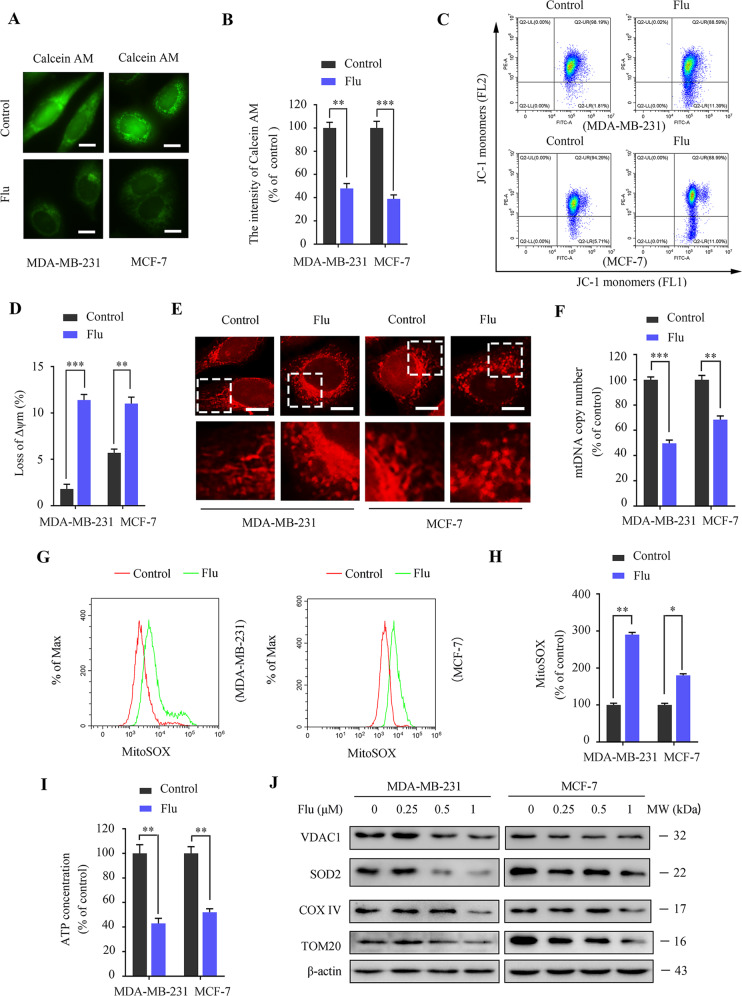
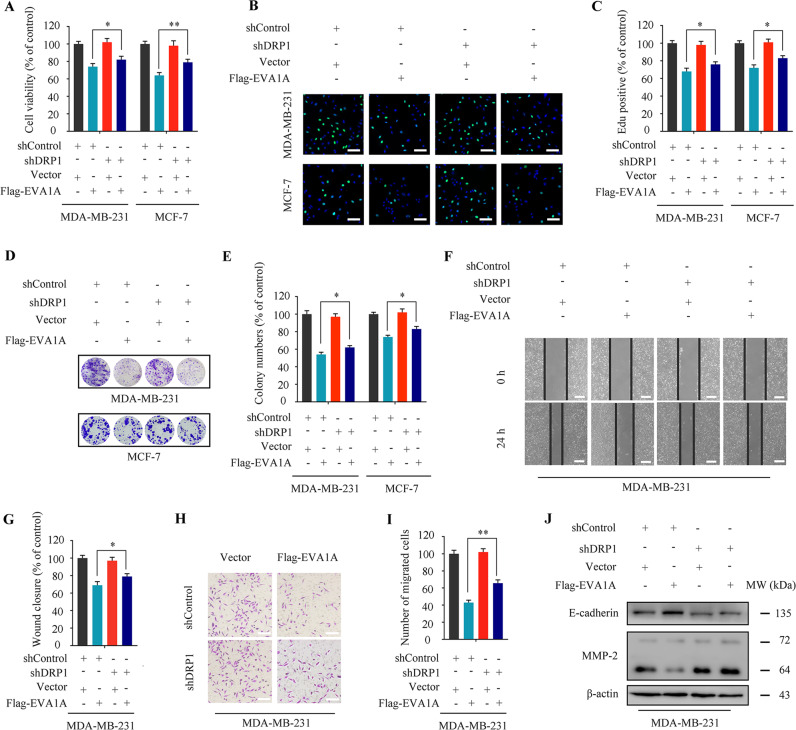
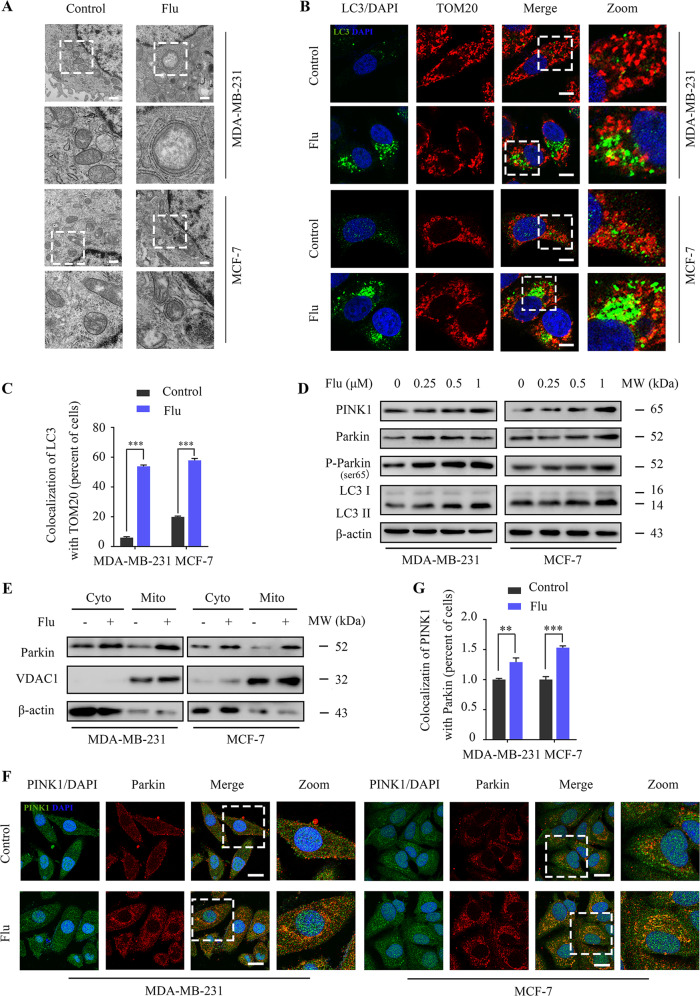
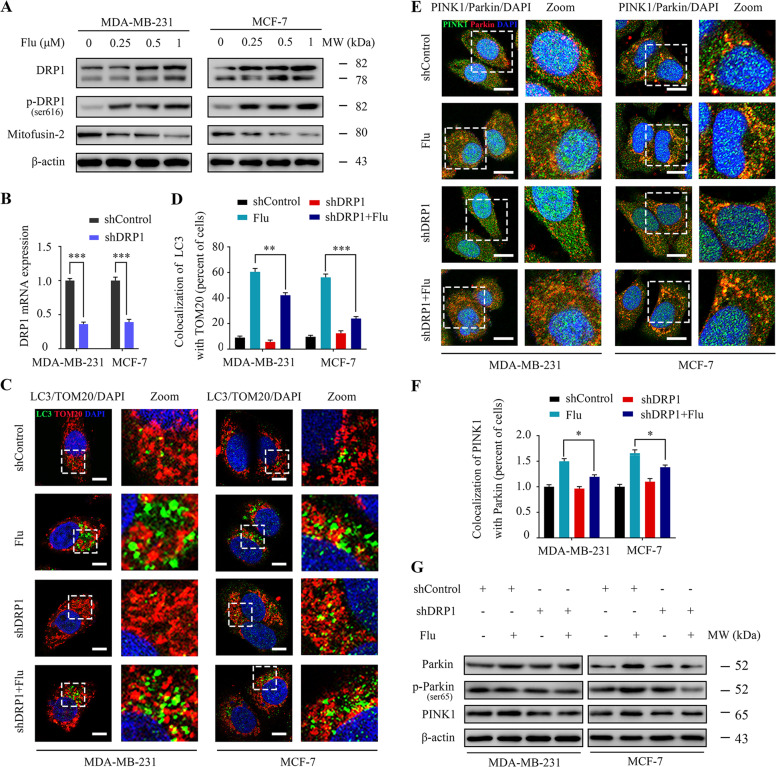
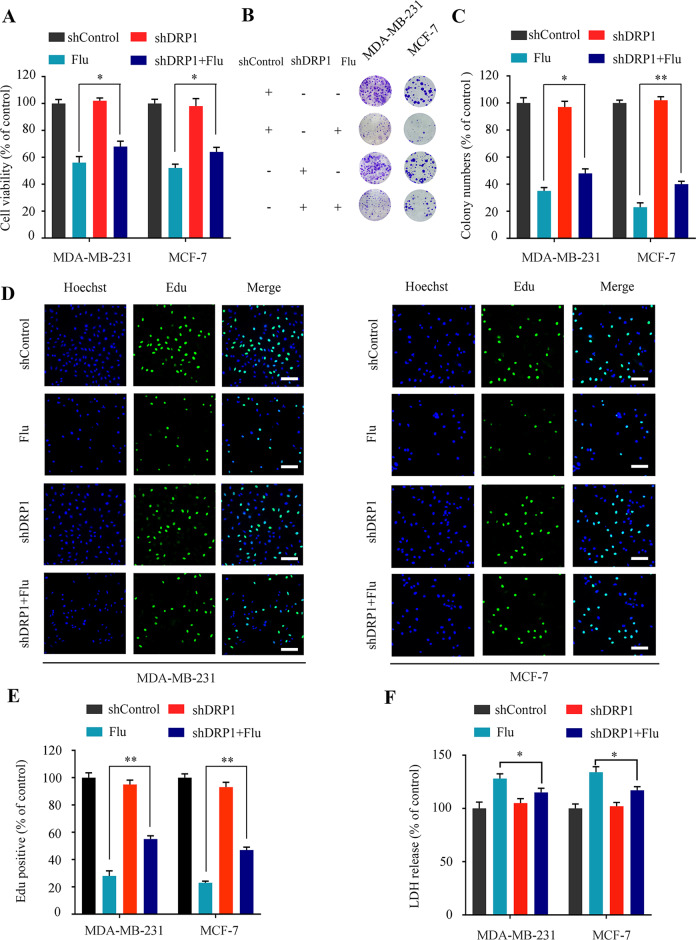
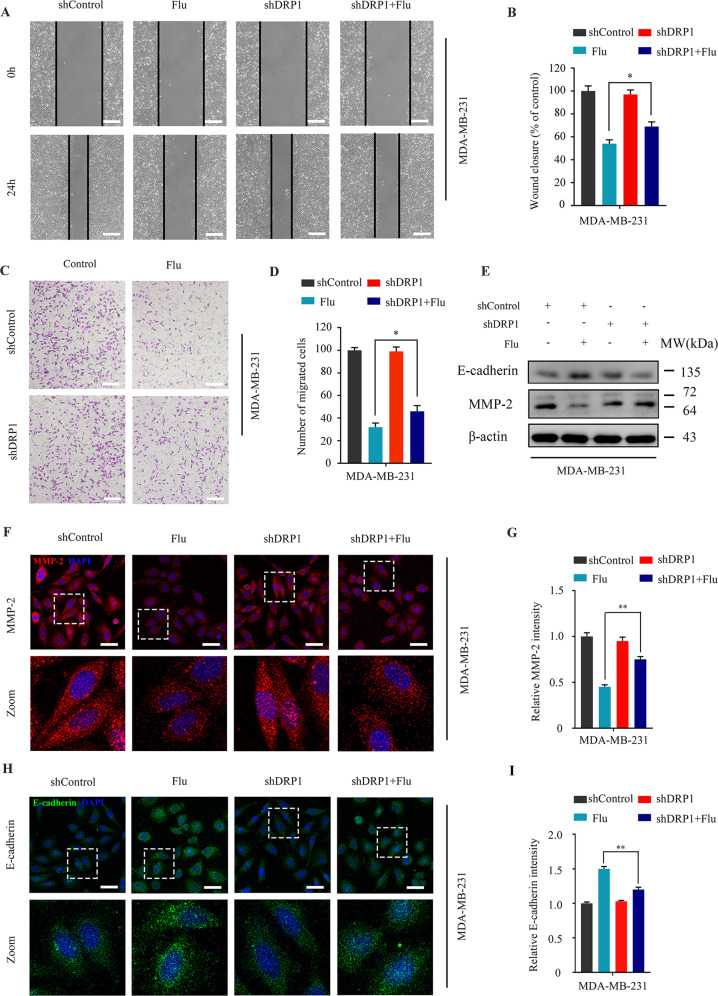
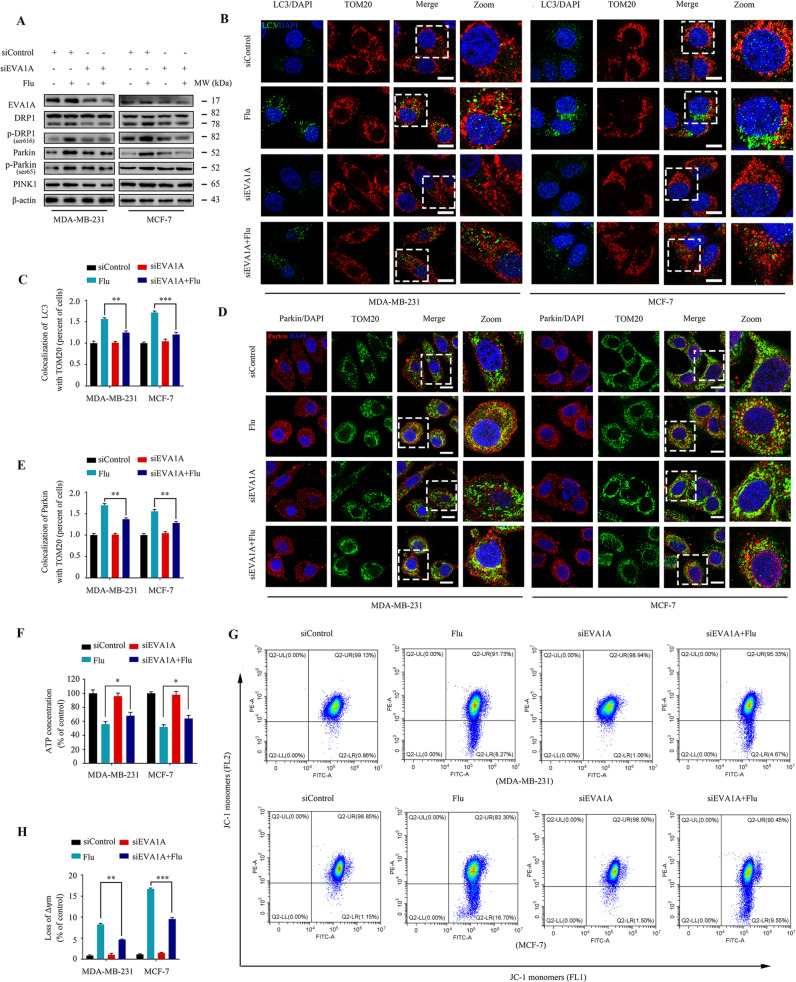
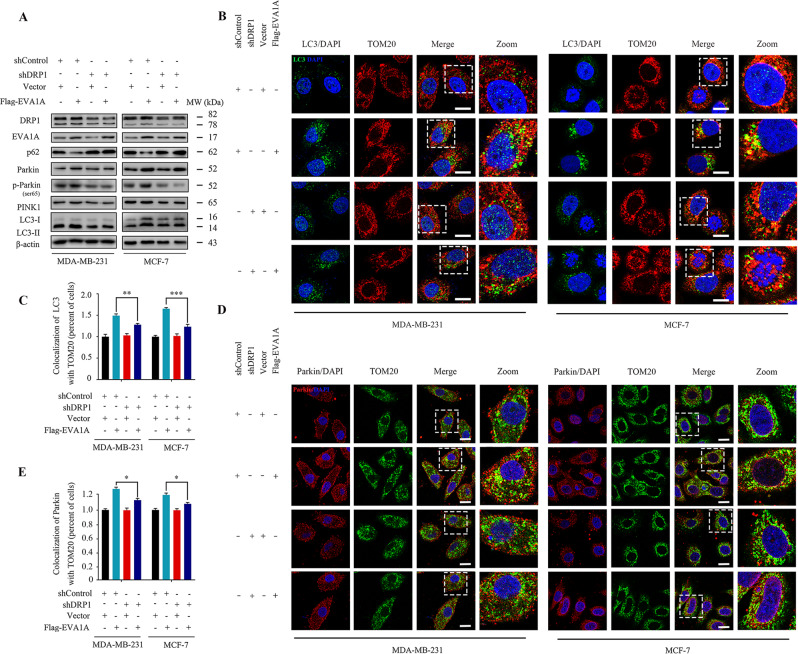
Breast cancer is still one of the most common malignancies worldwide and remains a major clinical challenge. We previously reported that the anthelmintic drug flubendazole induced autophagy and apoptosis via upregulation of eva-1 homolog A (EVA1A) in triple-negative breast cancer (TNBC) and was repurposed as a novel anti-tumor agent. However, the detailed underlying mechanisms remain unclear and need further investigation. Here, we found that flubendazole impairs the permeability of the mitochondrial outer membrane and mitochondrial function in breast cancer. Meanwhile, flubendazole increased dynamin-related protein (DRP1) expression, leading to the accumulation of PTEN induced putative kinase 1 (PINK1) and subsequent mitochondrial translocation of Parkin, thereby promoting excessive mitophagy. The resultant excessive mitophagy contributed to mitochondrial damage and dysfunction induced by flubendazole, thus inhibiting breast cancer cells proliferation and migration. Moreover, we demonstrated that excessive DRP1-mediated mitophagy played a critical role in response to the anti-tumor effects of EVA1A in breast cancer. Taken together, our results provide new insights into the molecular mechanisms in relation to the anti-tumor activities of flubendazole, and may be conducive to its rational use in potential clinical applications.
乳腺癌仍然是全球最常见的恶性肿瘤之一,仍然是一个主要的临床挑战。我们之前报道过,驱虫药氟苯达唑通过上调三阴性乳腺癌(TNBC)中的 eva-1 同源物 A(EVA1A)诱导自噬和细胞凋亡,并被重新用作新型抗肿瘤药物。然而,其详细的潜在机制仍不清楚,需要进一步研究。在这里,我们发现氟苯达唑损害了乳腺癌中线粒体膜通透性和线粒体功能。同时,氟苯达唑增加了动力相关蛋白(DRP1)的表达,导致 PTEN 诱导的假定激酶 1(PINK1)的积累和随后的 Parkin 线粒体易位,从而促进过度的线粒体自噬。由此产生的过度线粒体自噬导致了由氟苯达唑引起的线粒体损伤和功能障碍,从而抑制了乳腺癌细胞的增殖和迁移。此外,我们证明了过度的 DRP1 介导的线粒体自噬在 EVA1A 对乳腺癌的抗肿瘤作用中起着关键作用。总之,我们的研究结果为氟苯达唑的抗肿瘤活性的分子机制提供了新的见解,并可能有助于其在潜在的临床应用中的合理使用。