Badeggi Umar M, Badmus Jelili A, Botha Subelia S, Ismail Enas, Marnewick Jeanine L, Africa Charlene W J, Hussein Ahmed A
Department of Chemistry, Cape Peninsula University of Technology, Symphony Rd., Bellville 7535, South Africa.
Applied Microbial and Health Biotechnology Institute, Cape Peninsula University of Technology, Symphony Rd., Bellville 7535, South Africa.
J Funct Biomater. 2020 Sep 19;11(3):66. doi: 10.3390/jfb11030066.
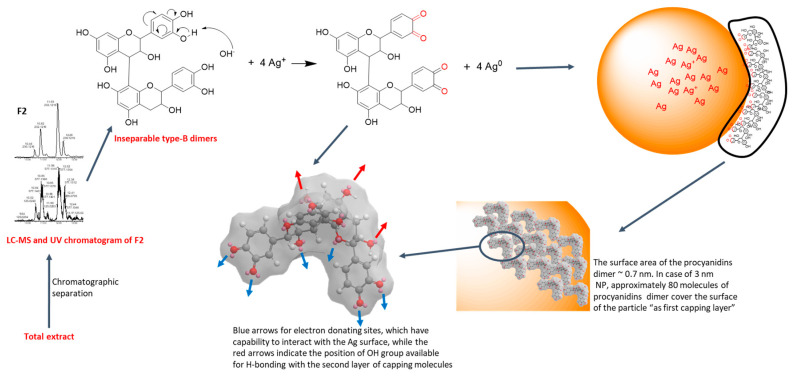
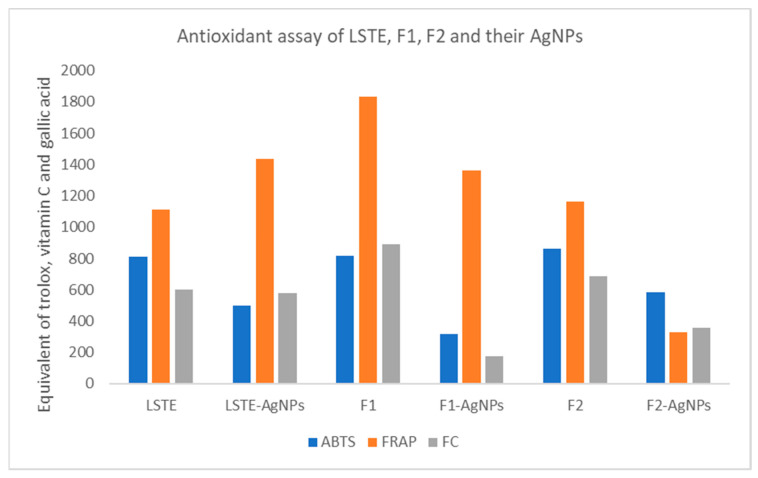
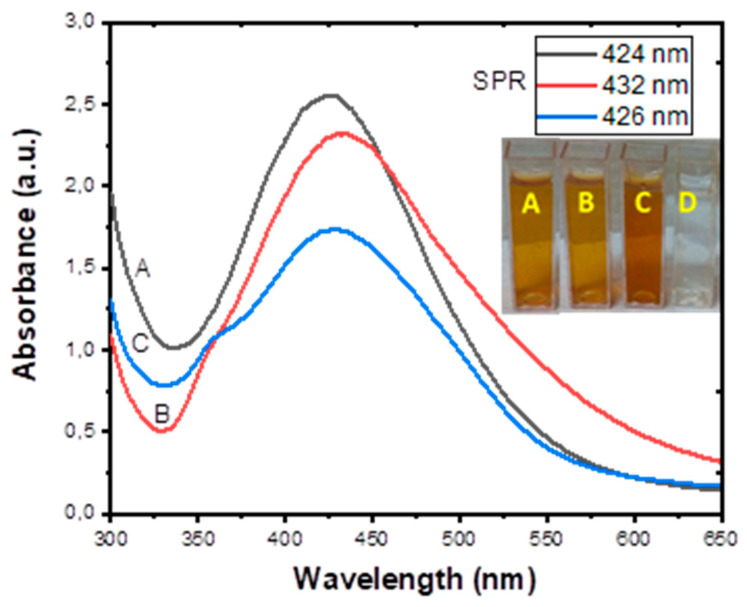
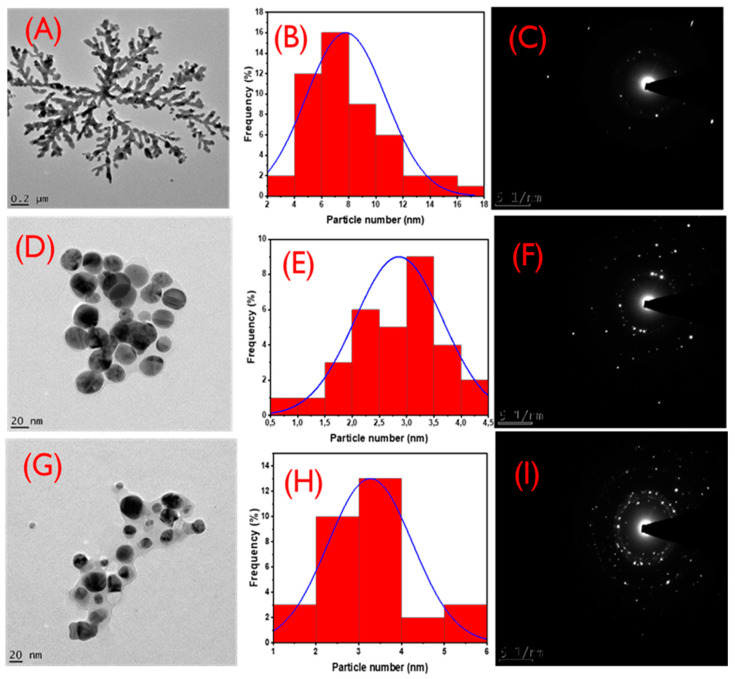
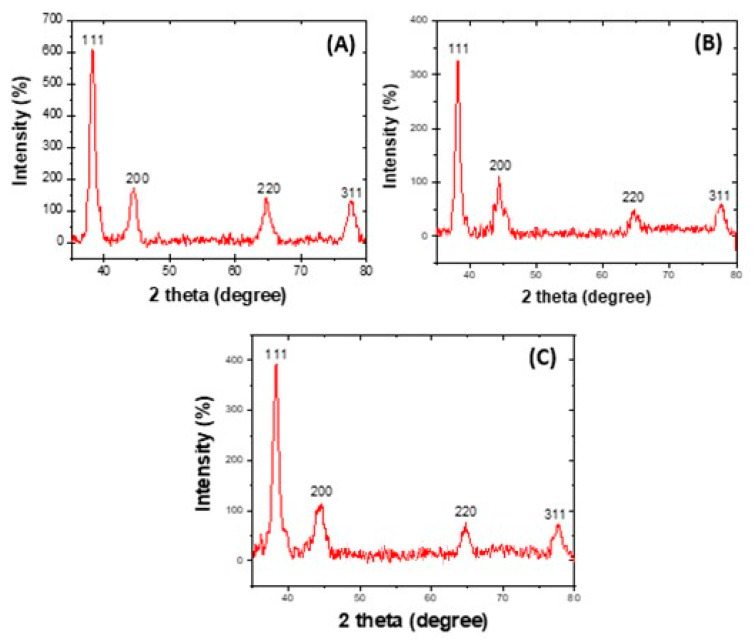
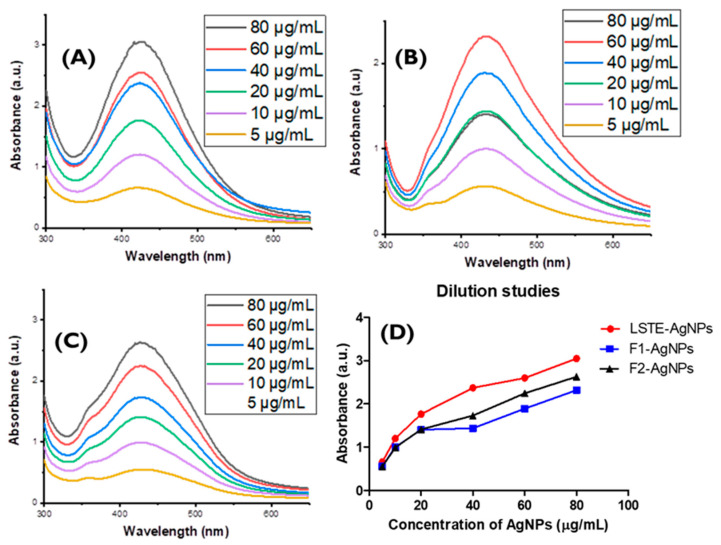
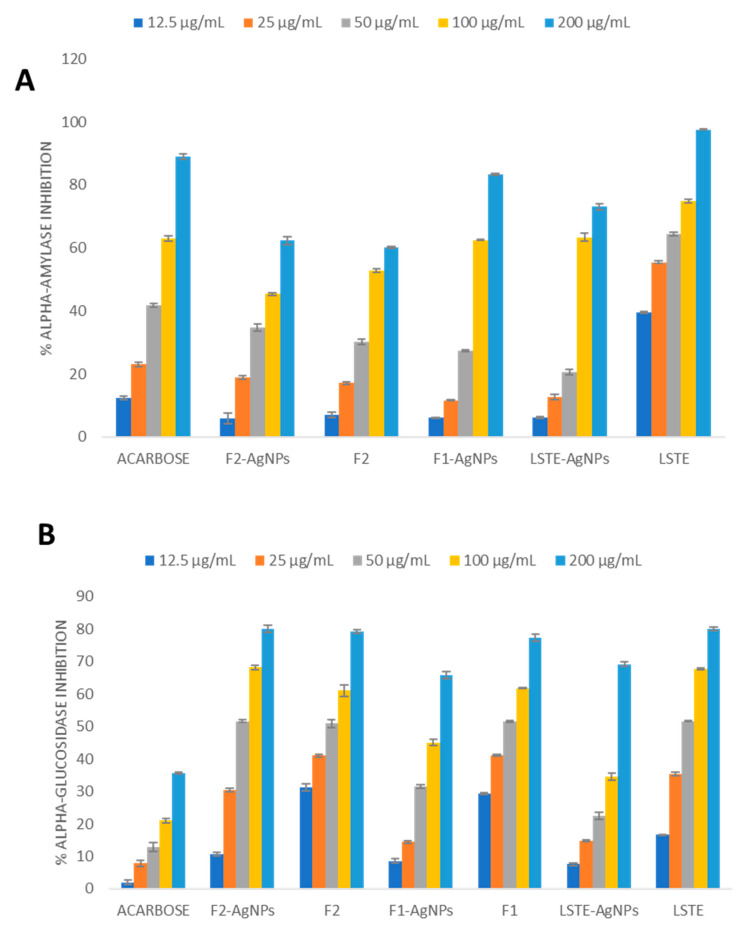
In this study, procyanidin dimers and total extract (LSTE) were employed in the synthesis of silver nanoparticles (AgNPs) and characterized by ultraviolet-visible (UV-Visible) spectroscopy, high-resolution transmission electron microscopy (HRTEM), selected area electron diffraction (SAED), X-ray diffraction (XRD), and dynamic light scattering (DLS) techniques. AgNPs of about 2-7 nm were obtained. DLS and stability evaluations confirmed that the AgNPs/procyanidins conjugates were stable. The formed nanoparticles exhibited good inhibitory activities against the two enzymes studied. The IC values against the amylase enzyme were 14.92 ± 1.0, 13.24 ± 0.2, and 19.13 ± 0.8 µg/mL for AgNPs coordinated with LSTE, F1, and F2, respectively. The corresponding values for the glucosidase enzyme were 21.48 ± 0.9, 18.76 ± 1.0, and 8.75 ± 0.7 µg/mL. The antioxidant activities were comparable to those of the intact fractions. The AgNPs also demonstrated bacterial inhibitory activities against six bacterial species. While the minimum inhibitory concentrations (MIC) of F1-AgNPs against and were 31.25 and 15.63 µg/mL respectively, those of LSTE-AgNPs and F2-AgNPs against these organisms were both 62.50 µg/mL. The F1-AgNPs demonstrated a better bactericidal effect and may be useful in food packaging. This research also showed the involvement of the procyanidins as reducing and capping agents in the formation of stable AgNPs with potential biological applications.
在本研究中,原花青素二聚体和总提取物(LSTE)被用于合成银纳米颗粒(AgNPs),并通过紫外可见光谱(UV-Visible)、高分辨率透射电子显微镜(HRTEM)、选区电子衍射(SAED)、X射线衍射(XRD)和动态光散射(DLS)技术进行表征。获得了约2-7nm的AgNPs。DLS和稳定性评估证实,AgNPs/原花青素缀合物是稳定的。所形成的纳米颗粒对所研究的两种酶表现出良好的抑制活性。与LSTE、F1和F2配位的AgNPs对淀粉酶的IC值分别为14.92±1.0、13.24±0.2和19.13±0.8μg/mL。对葡萄糖苷酶的相应值分别为21.48±0.9、18.76±1.0和8.75±0.7μg/mL。抗氧化活性与完整组分相当。AgNPs还对六种细菌表现出抑菌活性。F1-AgNPs对[具体细菌1]和[具体细菌2]的最低抑菌浓度(MIC)分别为31.25和15.63μg/mL,而LSTE-AgNPs和F2-AgNPs对这些细菌的MIC均为62.50μg/mL。F1-AgNPs表现出更好的杀菌效果,可能在食品包装中有用。本研究还表明原花青素作为还原剂和封端剂参与了具有潜在生物应用的稳定AgNPs的形成。