Soleymanzadeh Moghadam Somayeh, Mohammad Nazanin, Ghooshchian Maryam, FathiZadeh Sara, Khodaii Zohreh, Faramarzi Mahmood, Fagheei Aghmiyuni Zeinab, Roudbari Masoud, Pazouki Abdolreza, Mousavi Shabestari Tahereh
Antimicrobial Resistance Research Center, Institute of Immunology and Infectious Diseases, Iran University of Medical Sciences, Tehran, Iran.
Dietary Supplements and Probiotic Research Center, Alborz University of Medical Science, Karaj, Iran.
Med J Islam Repub Iran. 2020 Aug 8;34:94. doi: 10.34171/mjiri.34.94. eCollection 2020.
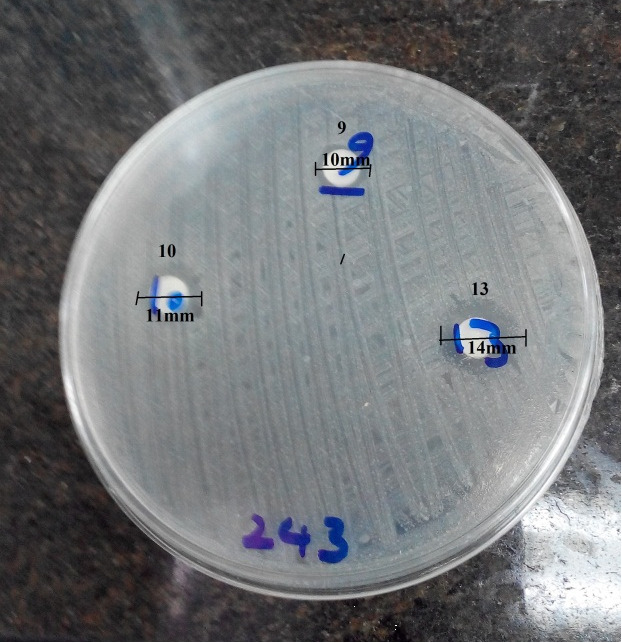
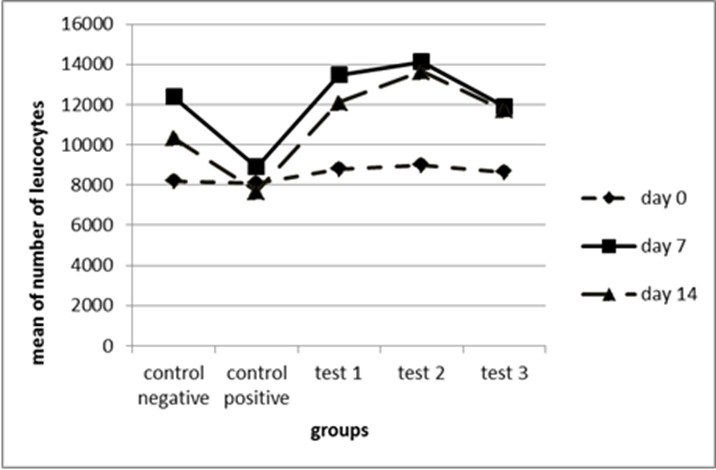
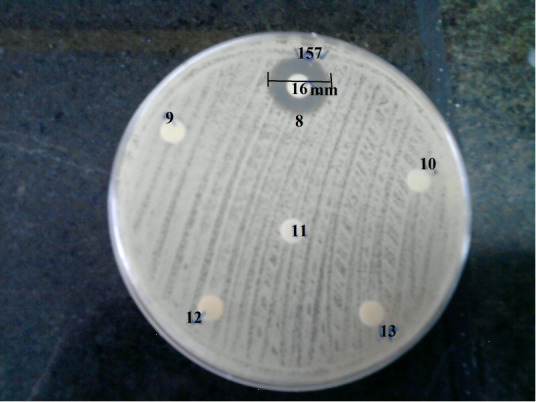
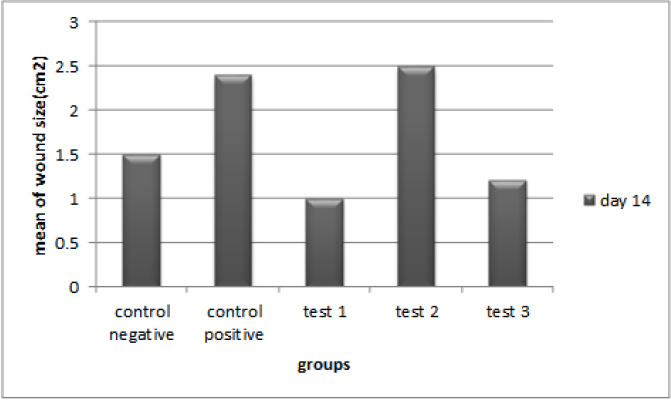
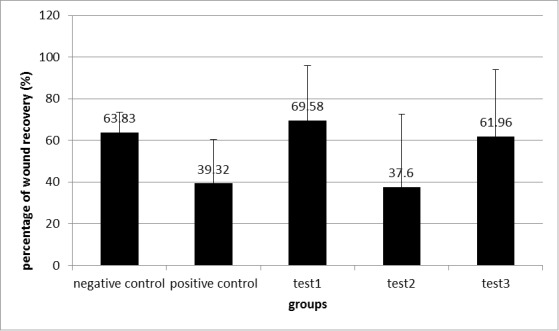
Infection of burn wounds is one of the most important problems in the world. is known for burn wound healing because of the immunomodulatory and anti-microbial roles. This study was performed to compare the effects of and imipenem - alone and in combination - on infected burn wound healing. Burn wounds were experimentally induced on 50 rats in three test groups (germ and supernatant of ) and two control groups (n=10 each) and were inoculated with During a 14-day period, wounds in all groups were daily treated topically. The data were analyzed using one-way analysis of variance followed by Tukey-Kramer and LSD. A p-value of < 0.05 was considered as statistically significant. The mean size of the wound on day 14 after the treatment in the probiotic group was significantly lower than the control and the supernatant treated groups (p<0.05). The percentage of wound healing was significantly higher in the probiotic pellet treated group compared to the imipenem and the supernatant groups (by Anova test: 69.58%, p=0.022). The mean leukocyte count in the probiotic pellet group (12110) and supernatant group (13650) was significantly higher than the imipenem group (7670) (p=0.002 and 0.001, respectively). Wound cultures revealed that the percentage of cases where the pathogens had no growth was significantly different among the comparison groups. In all three test groups, was completely eliminated in comparison to the positive control group (p<0.05). The results of our study showed that and its by-products promote wound healing and can be used as an alternative to antibiotics to treat ulcer infections caused by resistant bacteria.
烧伤创面感染是全球最重要的问题之一。因其免疫调节和抗菌作用而在烧伤创面愈合方面广为人知。本研究旨在比较单独使用及联合使用[具体物质]和亚胺培南对感染烧伤创面愈合的影响。在三个试验组([具体细菌]及其上清液)和两个对照组(每组n = 10)的50只大鼠身上实验性诱导烧伤创面,并接种[具体病菌]。在14天的时间里,所有组的创面每天进行局部治疗。数据采用单因素方差分析,随后进行Tukey-Kramer和LSD分析。p值<0.05被认为具有统计学意义。益生菌组治疗后第14天创面的平均大小显著低于对照组和上清液治疗组(p<0.05)。与亚胺培南组和上清液组相比,益生菌颗粒治疗组的创面愈合百分比显著更高(方差分析:69.58%,p = 0.022)。益生菌颗粒组(12110)和上清液组(13650)的平均白细胞计数显著高于亚胺培南组(7670)(分别为p = 0.002和0.001)。创面培养显示,比较组中病原体无生长的病例百分比有显著差异。与阳性对照组相比,所有三个试验组中的[具体病菌]均被完全清除(p<0.05)。我们的研究结果表明,[具体物质]及其副产物可促进创面愈合,可作为抗生素的替代品用于治疗由耐药菌引起的溃疡感染。