Yu JunJie, Park Su A, Kim Wan Doo, Ha Taeho, Xin Yuan-Zhu, Lee JunHee, Lee Donghyun
Department of Biomedical Engineering, School of Integrative Engineering, Chung-Ang University, 221 Heukseok-Dong, Dongjak-Gu, Seoul 06974, Korea.
Department of Nature-Inspired System and Application, Korea Institute of Machinery & Materials, 156 Gajeongbuk-Ro, Yuseong-Gu, Daejeon 34103, Korea.
Polymers (Basel). 2020 Dec 11;12(12):2958. doi: 10.3390/polym12122958.
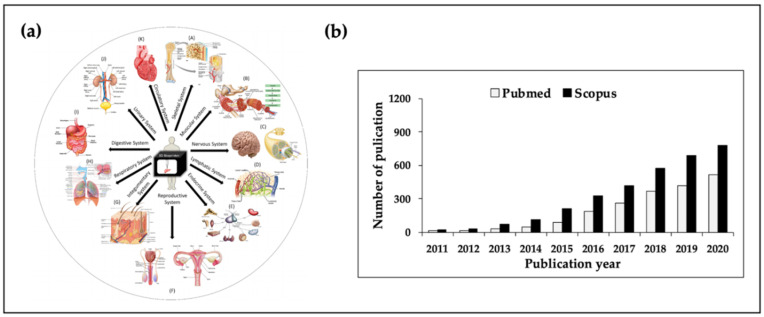
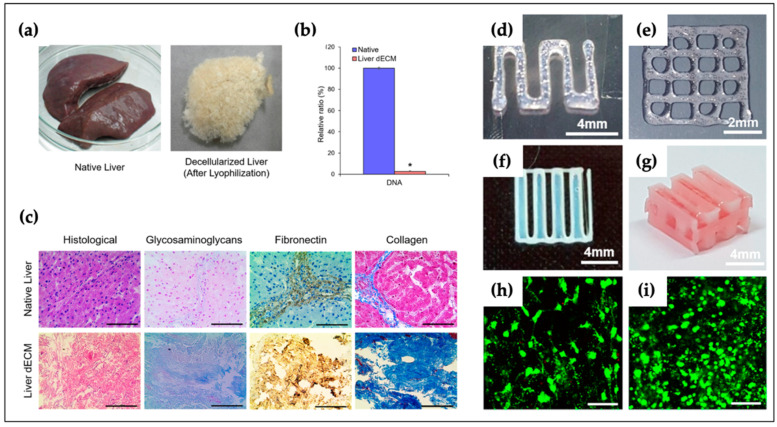
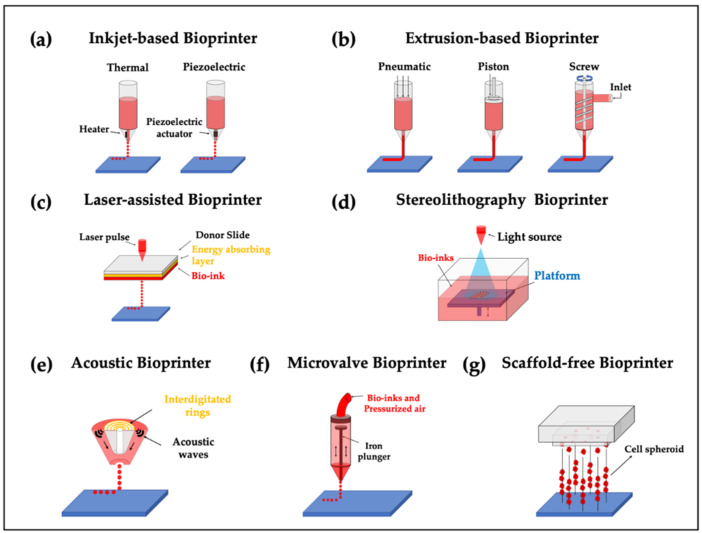
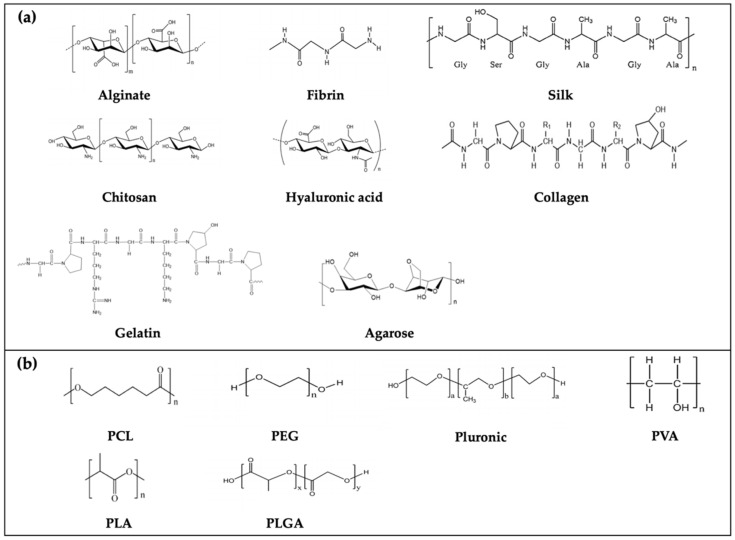
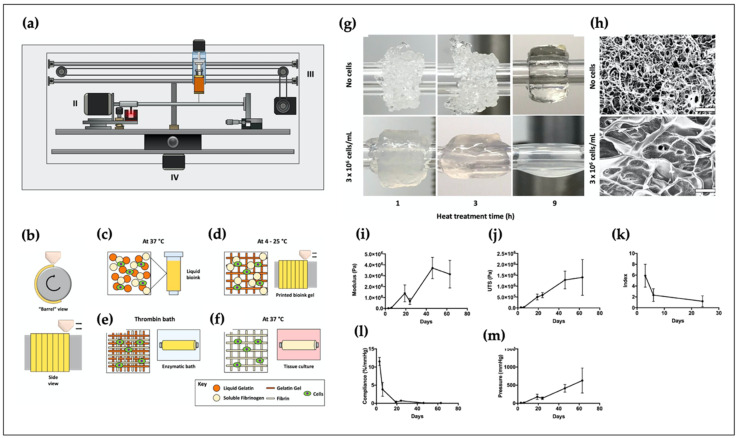
Three-dimensional (3D) bioprinting technology has emerged as a powerful biofabrication platform for tissue engineering because of its ability to engineer living cells and biomaterial-based 3D objects. Over the last few decades, droplet-based, extrusion-based, and laser-assisted bioprinters have been developed to fulfill certain requirements in terms of resolution, cell viability, cell density, etc. Simultaneously, various bio-inks based on natural-synthetic biomaterials have been developed and applied for successful tissue regeneration. To engineer more realistic artificial tissues/organs, mixtures of bio-inks with various recipes have also been developed. Taken together, this review describes the fundamental characteristics of the existing bioprinters and bio-inks that have been currently developed, followed by their advantages and disadvantages. Finally, various tissue engineering applications using 3D bioprinting are briefly introduced.
三维(3D)生物打印技术因其能够构建活细胞和基于生物材料的三维物体,已成为组织工程领域强大的生物制造平台。在过去几十年中,基于液滴、基于挤出和激光辅助的生物打印机已被开发出来,以满足分辨率、细胞活力、细胞密度等方面的特定要求。同时,基于天然 - 合成生物材料的各种生物墨水也已被开发并应用于成功的组织再生。为了构建更逼真的人工组织/器官,还开发了具有各种配方的生物墨水混合物。综上所述,本综述描述了当前已开发的现有生物打印机和生物墨水的基本特征,以及它们的优缺点。最后,简要介绍了使用3D生物打印的各种组织工程应用。