Mathematical and Statistical Methods (Biometris), Wageningen University and Research, Wageningen, The Netherlands.
Mathematical Institute, Leiden University, Leiden, The Netherlands.
Theor Appl Genet. 2021 Mar;134(3):897-908. doi: 10.1007/s00122-020-03740-8. Epub 2020 Dec 26.
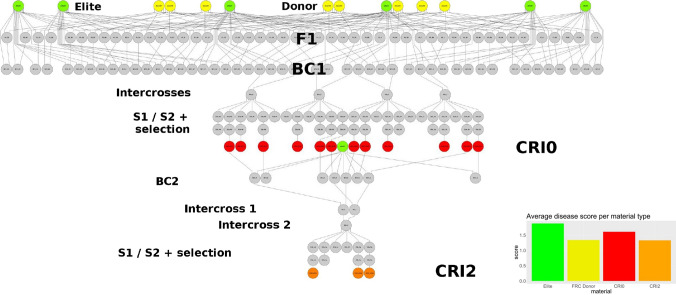
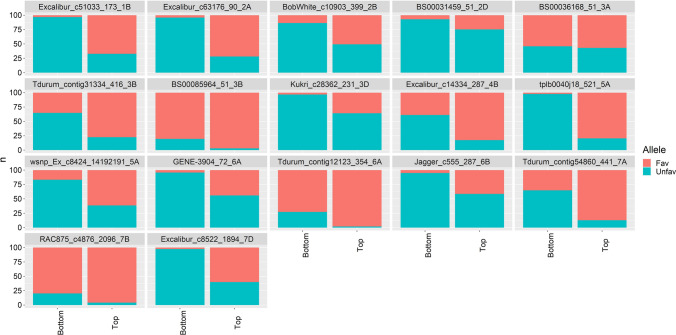
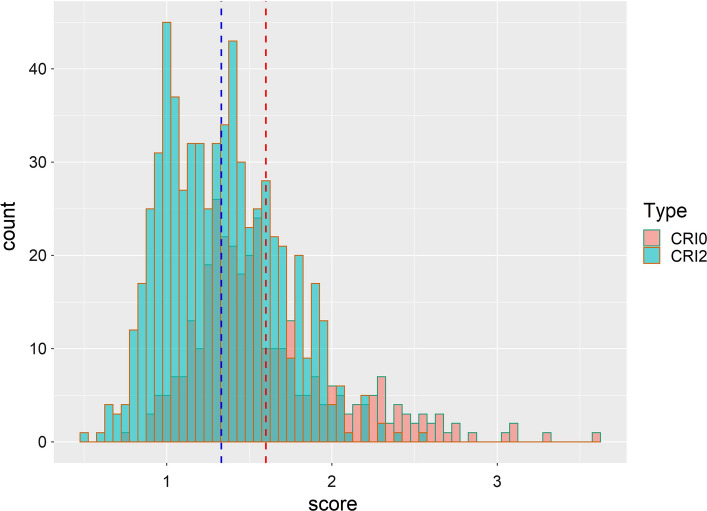
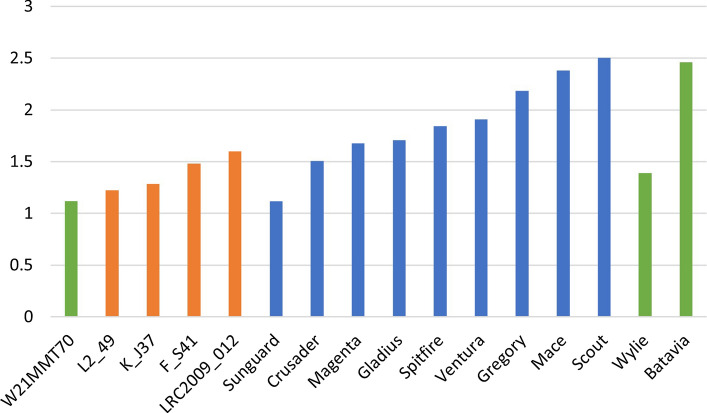
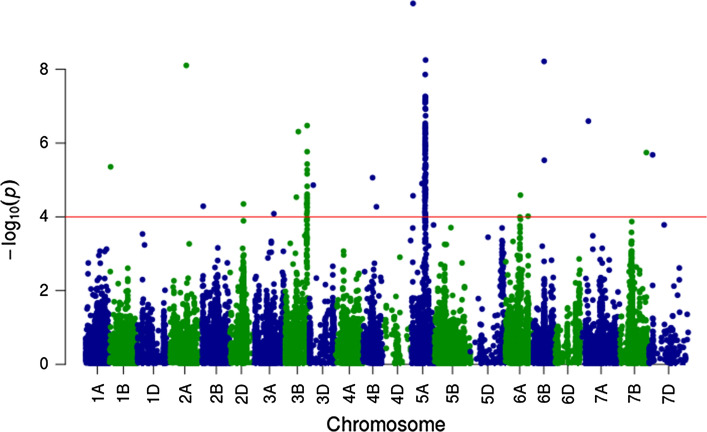
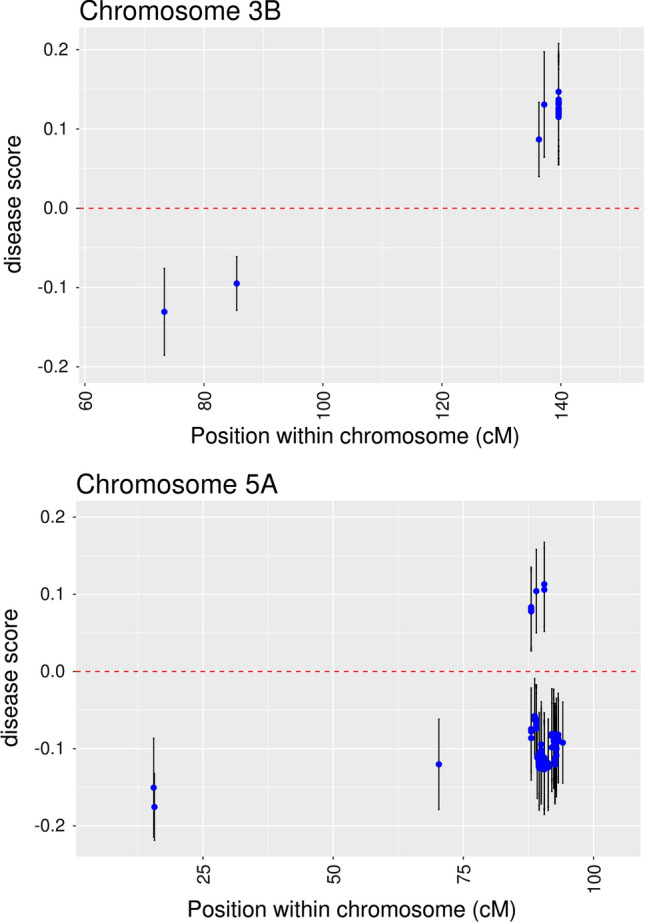
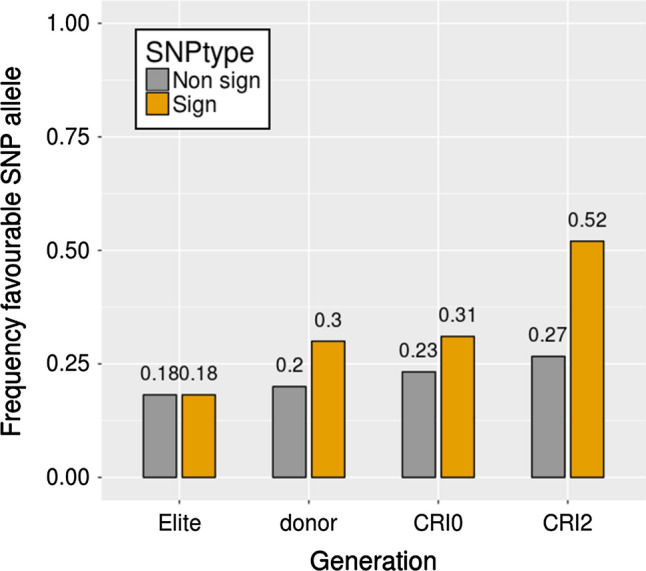
Much has been published on QTL detection for complex traits using bi-parental and multi-parental crosses (linkage analysis) or diversity panels (GWAS studies). While successful for detection, transferability of results to real applications has proven more difficult. Here, we combined a QTL detection approach using a pre-breeding populations which utilized intensive phenotypic selection for the target trait across multiple plant generations, combined with rapid generation turnover (i.e. "speed breeding") to allow cycling of multiple plant generations each year. The reasoning is that QTL mapping information would complement the selection process by identifying the genome regions under selection within the relevant germplasm. Questions to answer were the location of the genomic regions determining response to selection and the origin of the favourable alleles within the pedigree. We used data from a pre-breeding program that aimed at pyramiding different resistance sources to Fusarium crown rot into elite (but susceptible) wheat backgrounds. The population resulted from a complex backcrossing scheme involving multiple resistance donors and multiple elite backgrounds, akin to a MAGIC population (985 genotypes in total, with founders, and two major offspring layers within the pedigree). A significant increase in the resistance level was observed (i.e. a positive response to selection) after the selection process, and 17 regions significantly associated with that response were identified using a GWAS approach. Those regions included known QTL as well as potentially novel regions contributing resistance to Fusarium crown rot. In addition, we were able to trace back the sources of the favourable alleles for each QTL. We demonstrate that QTL detection using breeding populations under selection for the target trait can identify QTL controlling the target trait and that the frequency of the favourable alleles was increased as a response to selection, thereby validating the QTL detected. This is a valuable opportunistic approach that can provide QTL information that is more easily transferred to breeding applications.
人们已经发表了大量关于使用双亲和多亲杂交(连锁分析)或多样性面板(GWAS 研究)检测复杂性状 QTL 的文章。虽然这种方法在检测方面取得了成功,但将结果转化为实际应用却更加困难。在这里,我们结合了一种 QTL 检测方法,该方法使用了一个预繁殖群体,该群体在多个植物世代中对目标性状进行了密集的表型选择,并结合快速世代更替(即“快速繁殖”)来允许每年循环多个植物世代。其原理是,QTL 图谱信息将通过识别相关种质中受选择作用的基因组区域来补充选择过程。需要回答的问题是确定决定对选择反应的基因组区域的位置以及系谱中有利等位基因的来源。我们使用了一个预繁殖计划的数据,该计划旨在将不同的镰刀菌冠腐病抗性源聚合到优良(但易感)的小麦背景中。该群体是通过涉及多个抗性供体和多个优良背景的复杂回交方案产生的,类似于 MAGIC 群体(共有 985 个基因型,包括创始人以及系谱中的两个主要后代层)。在选择过程后,观察到抗性水平显著提高(即对选择的积极反应),并使用 GWAS 方法鉴定出与该反应显著相关的 17 个区域。这些区域包括已知的 QTL 以及可能对镰刀菌冠腐病有抗性的新区域。此外,我们能够追溯到每个 QTL 有利等位基因的来源。我们证明,使用针对目标性状进行选择的繁殖群体进行 QTL 检测可以鉴定出控制目标性状的 QTL,并且有利等位基因的频率随着选择而增加,从而验证了检测到的 QTL。这是一种有价值的机会主义方法,可以提供更容易转移到育种应用的 QTL 信息。