Wang Ting-Ting, Yu Tai-Fei, Fu Jin-Dong, Su Hong-Gang, Chen Jun, Zhou Yong-Bin, Chen Ming, Guo Jun, Ma You-Zhi, Wei Wen-Liang, Xu Zhao-Shi
College of Agriculture, Yangtze University, Jingzhou, China.
Hubei Collaborative Innovation Center for Grain Industry, Yangtze University, Jingzhou, China.
Front Plant Sci. 2020 Dec 23;11:604690. doi: 10.3389/fpls.2020.604690. eCollection 2020.
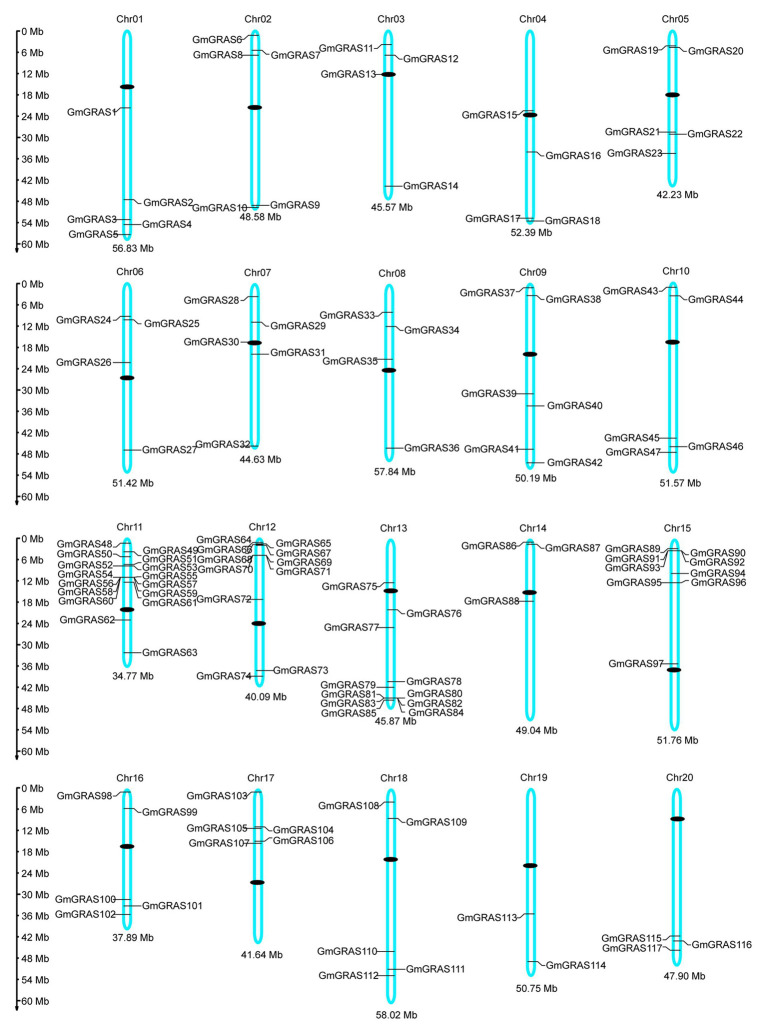
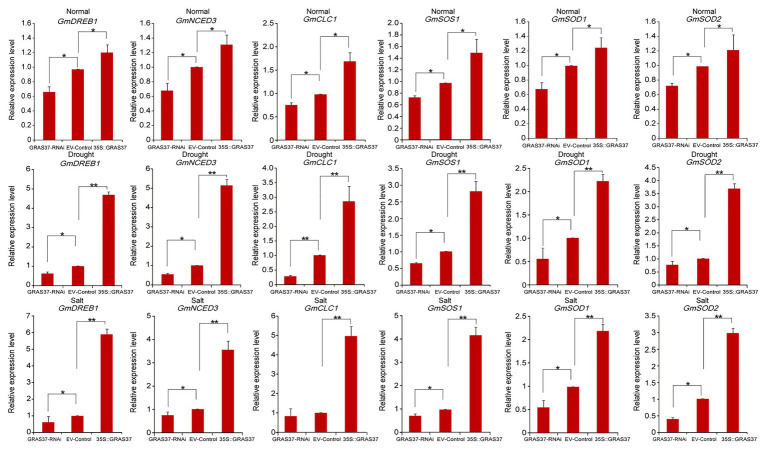
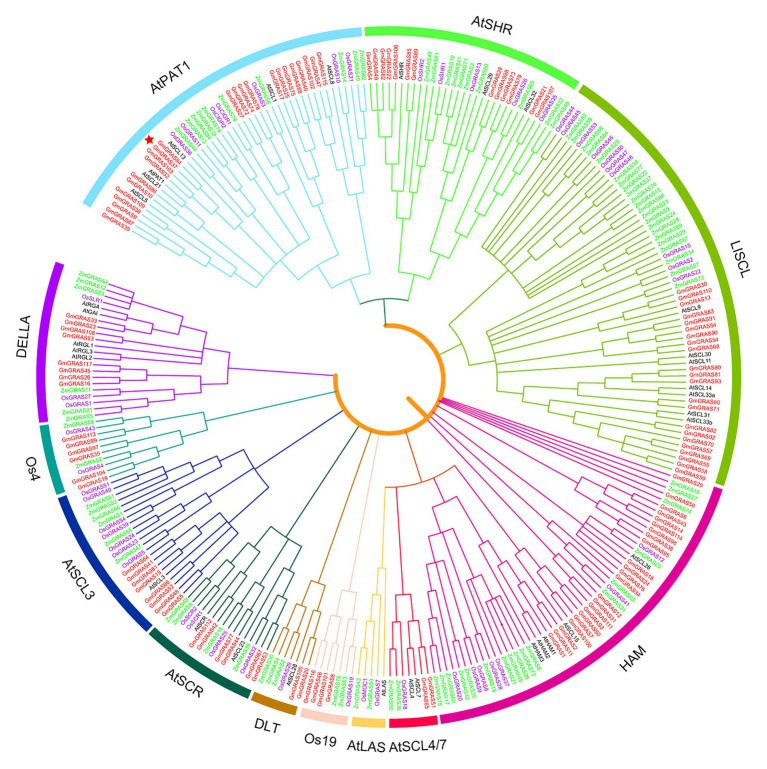
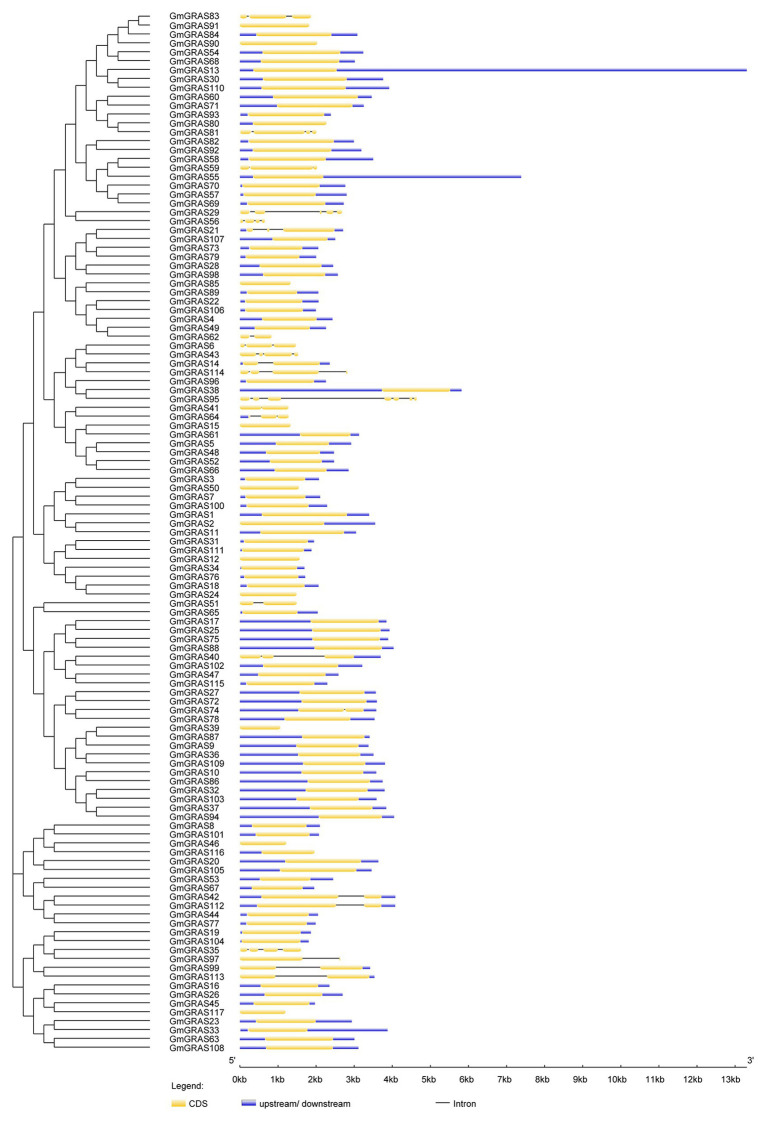
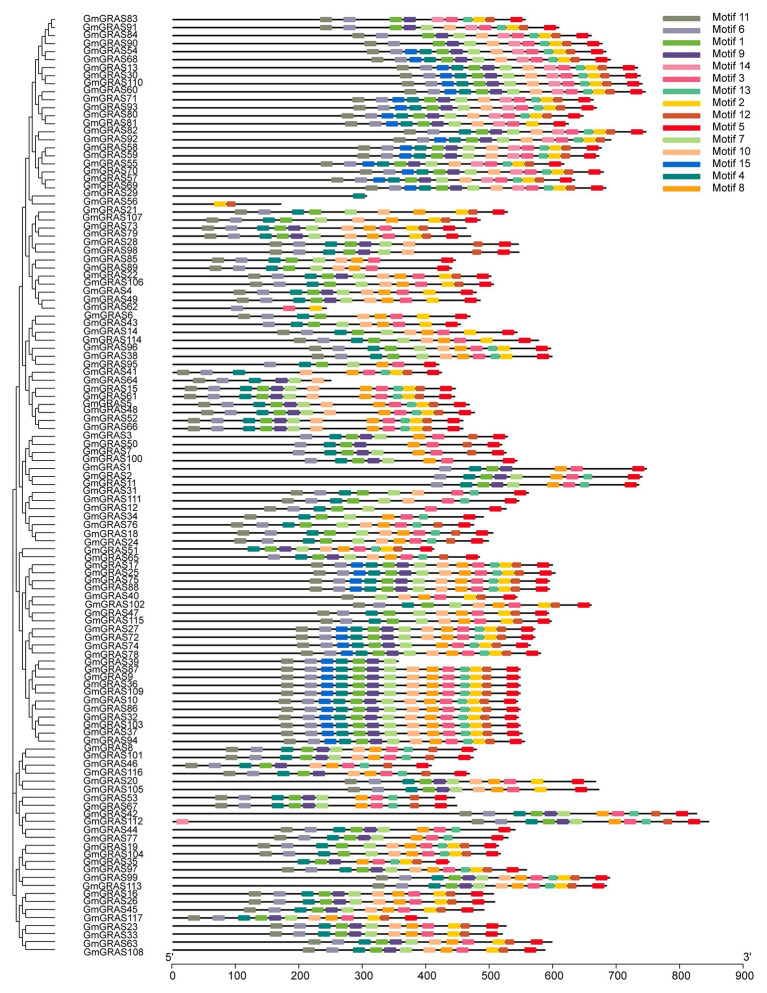
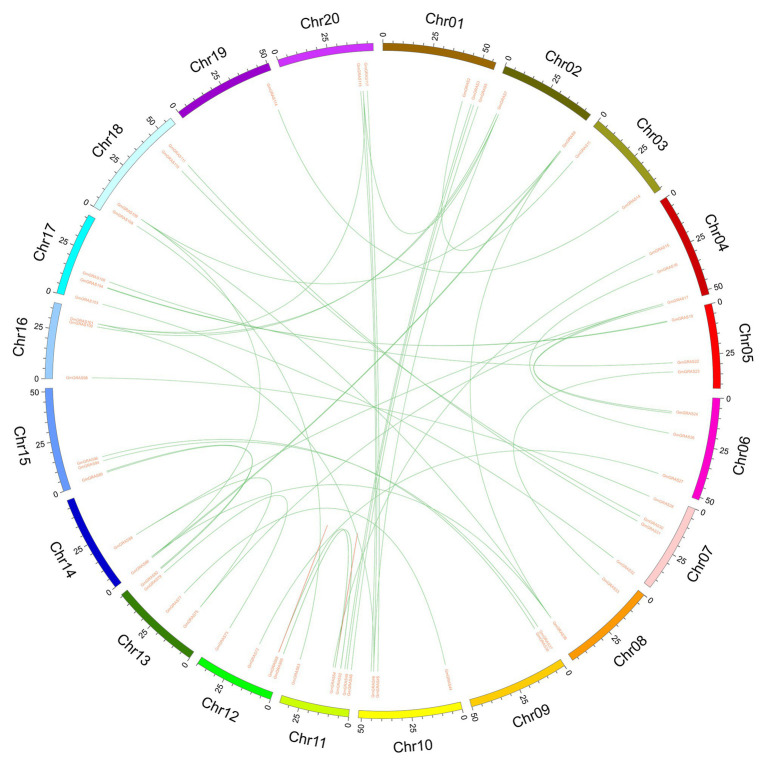
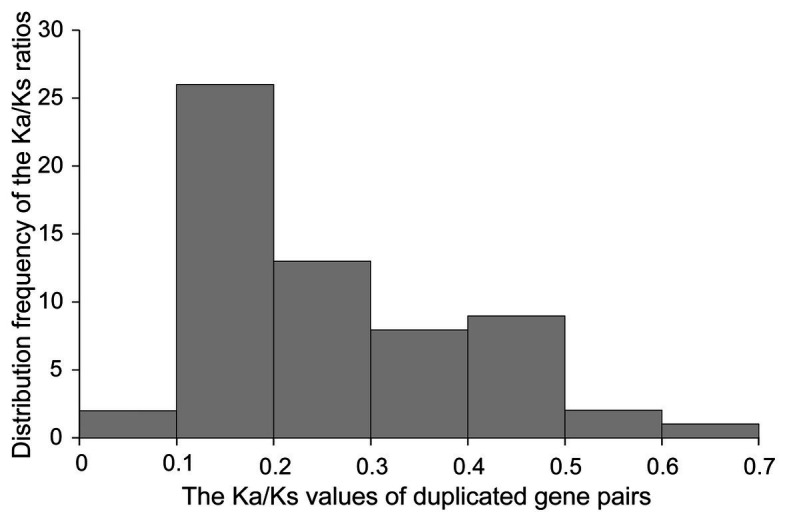
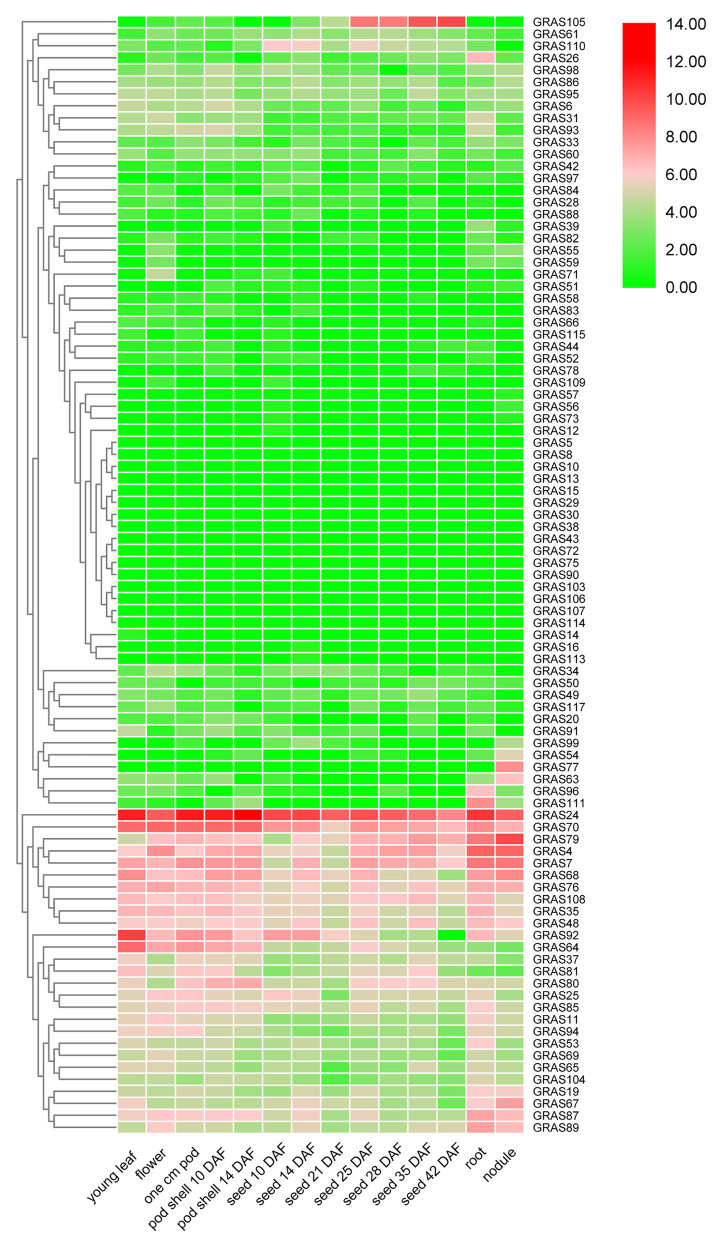
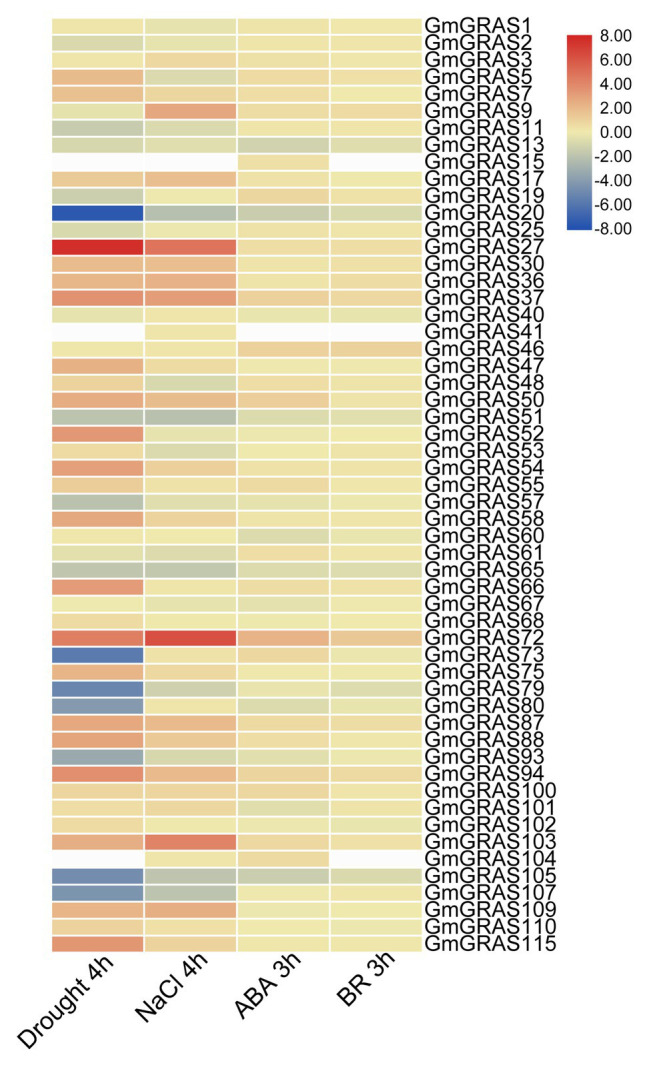
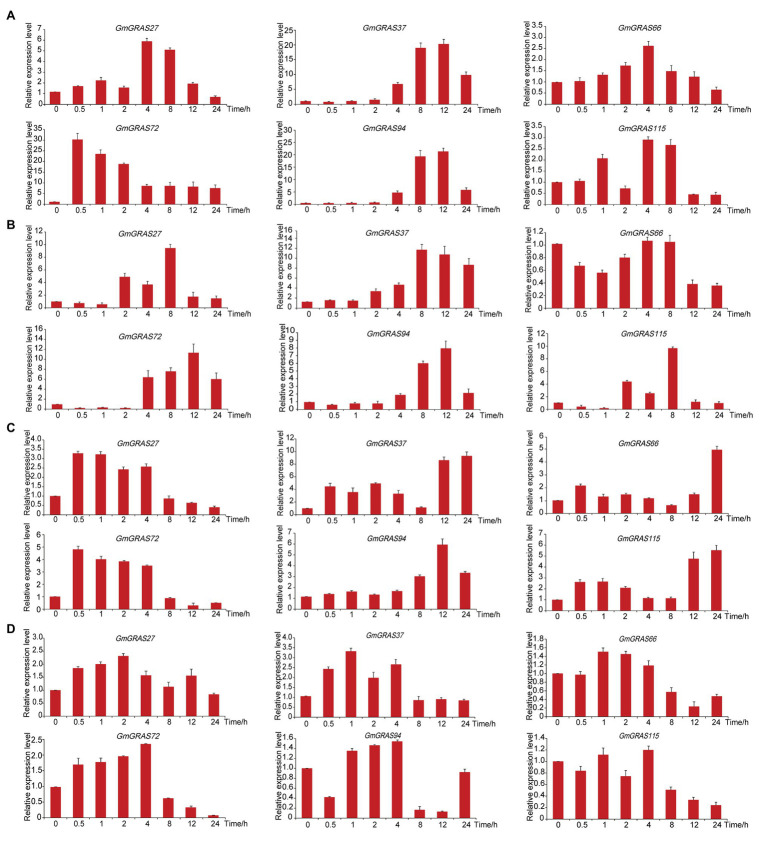
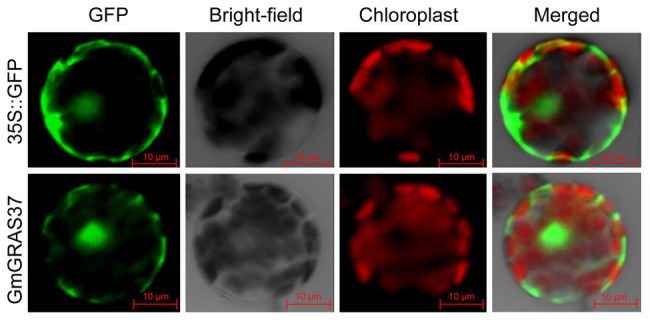
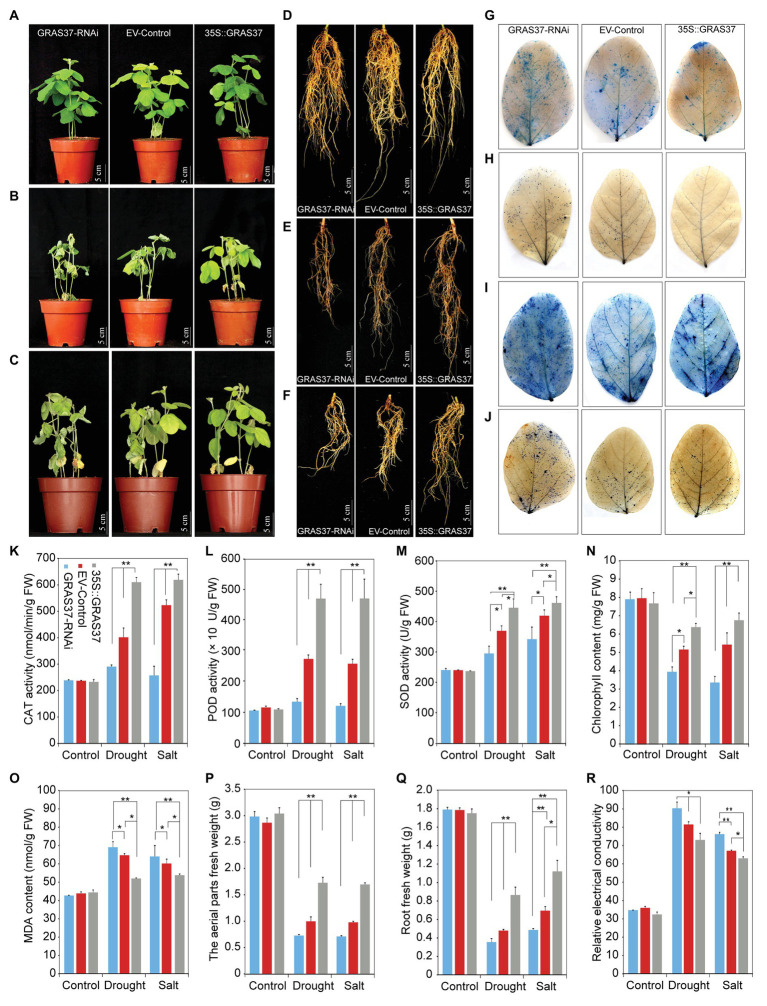
genes, which form a plant-specific transcription factor family, play an important role in plant growth and development and stress responses. However, the functions of genes in soybean () remain largely unknown. Here, 117 genes distributed on 20 chromosomes were identified in the soybean genome and were classified into 11 subfamilies. Of the soybean genes, 80.34% did not have intron insertions, and 54 pairs of genes accounted for 88.52% of duplication events (61 pairs). RNA-seq analysis demonstrated that most were expressed in 14 different soybean tissues examined and responded to multiple abiotic stresses. Results from quantitative real-time PCR analysis of six selected suggested that was significantly upregulated under drought and salt stress conditions and abscisic acid and brassinosteroid treatment; therefore, this gene was selected for further study. Subcellular localization analysis revealed that the GmGRAS37 protein was located in the plasma membrane, nucleus, and cytosol. Soybean hairy roots overexpressing had improved resistance to drought and salt stresses. In addition, these roots showed increased transcript levels of several drought- and salt-related genes. The results of this study provide the basis for comprehensive analysis of genes and insight into the abiotic stress response mechanism in soybean.
基因构成了一个植物特有的转录因子家族,在植物生长发育和应激反应中发挥重要作用。然而,基因在大豆()中的功能仍 largely 未知。在此,在大豆基因组中鉴定出分布于 20 条染色体上的 117 个基因,并将其分为 11 个亚家族。在大豆基因中,80.34% 没有内含子插入,54 对基因占重复事件的 88.52%(共 61 对)。RNA 测序分析表明,大多数基因在检测的 14 种不同大豆组织中表达,并对多种非生物胁迫有反应。对六个选定基因进行定量实时 PCR 分析的结果表明,该基因在干旱和盐胁迫条件以及脱落酸和油菜素内酯处理下显著上调;因此,选择该基因进行进一步研究。亚细胞定位分析表明,GmGRAS37 蛋白位于质膜、细胞核和细胞质中。过表达该基因的大豆毛状根对干旱和盐胁迫的抗性增强。此外,这些根中几个与干旱和盐相关基因的转录水平升高。本研究结果为全面分析基因以及深入了解大豆非生物胁迫反应机制提供了依据。