Huq Md Amdadul
Department of Food and Nutrition, College of Biotechnology and Natural Resource, Chung-Ang University, Anseong, South Korea.
Front Bioeng Biotechnol. 2020 Dec 16;8:597502. doi: 10.3389/fbioe.2020.597502. eCollection 2020.
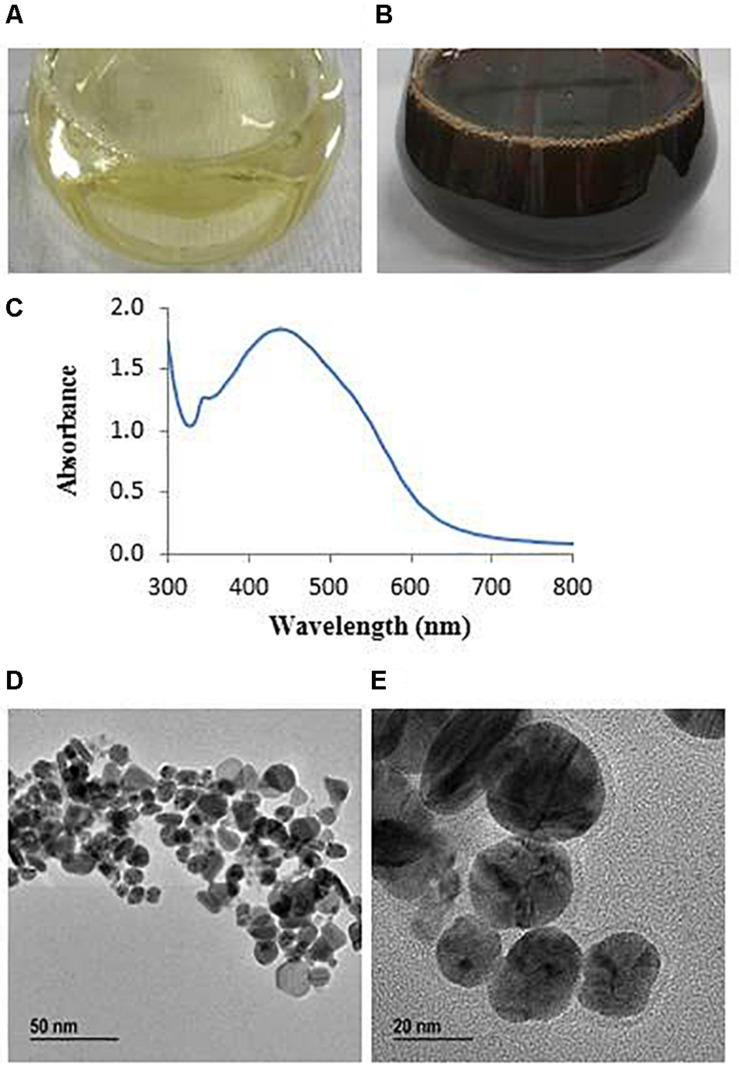
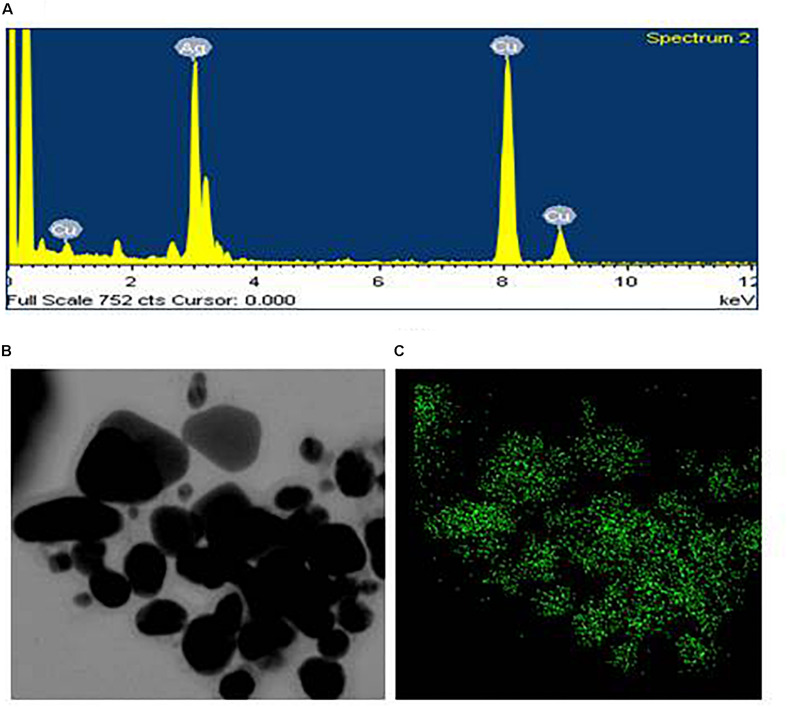
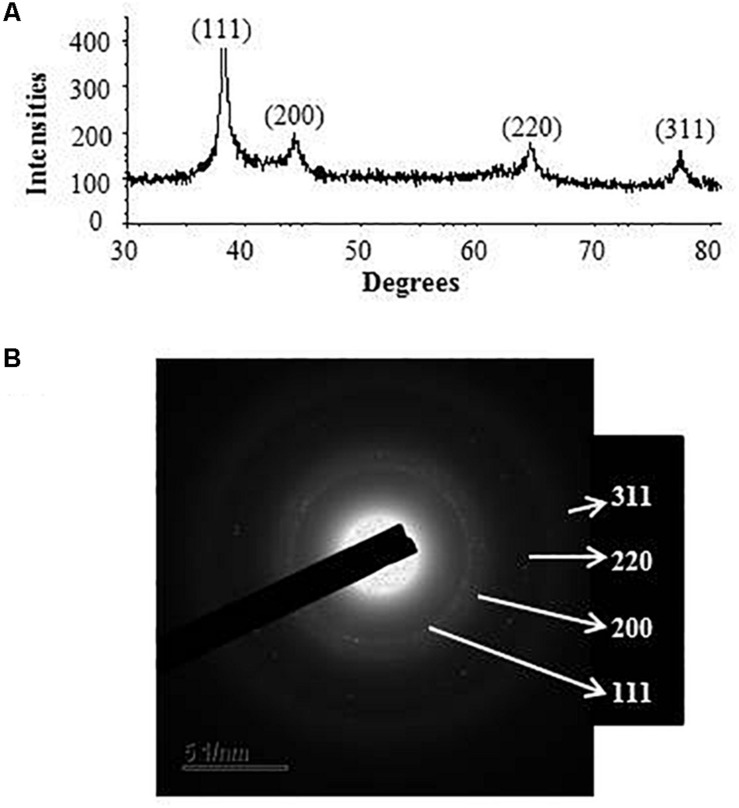
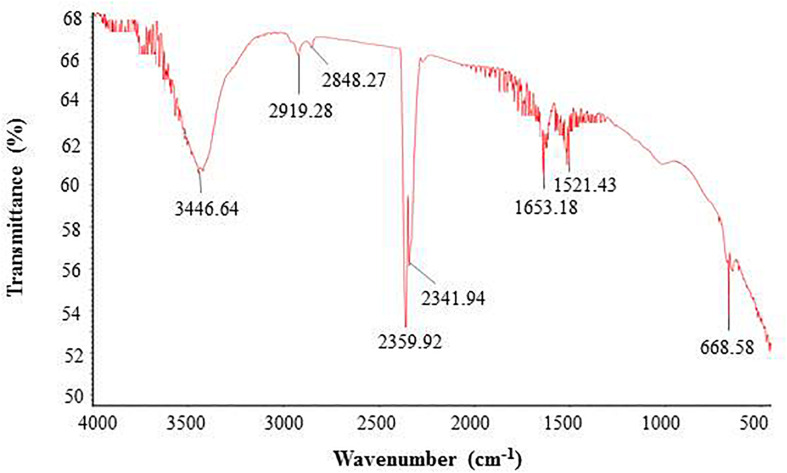
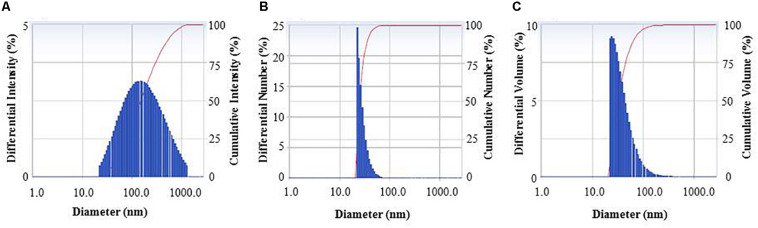
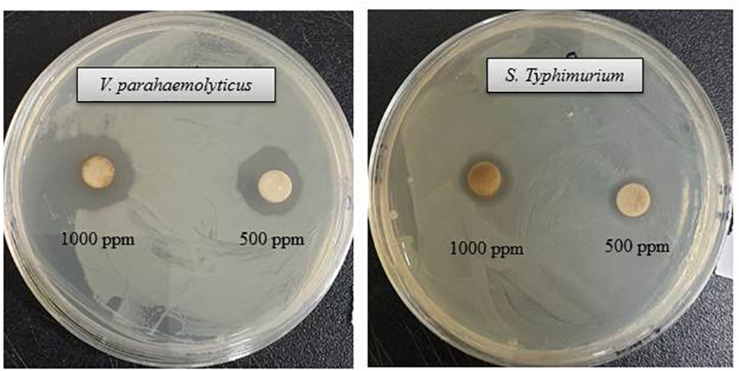
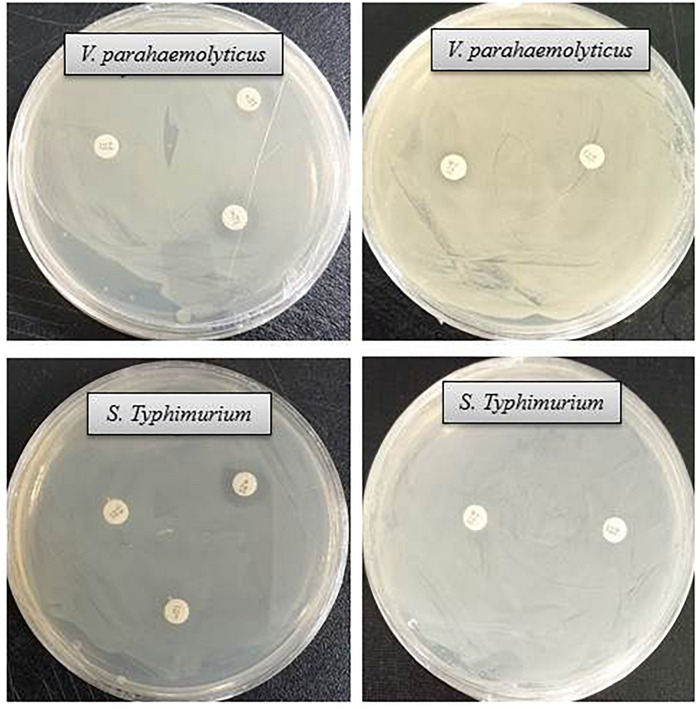
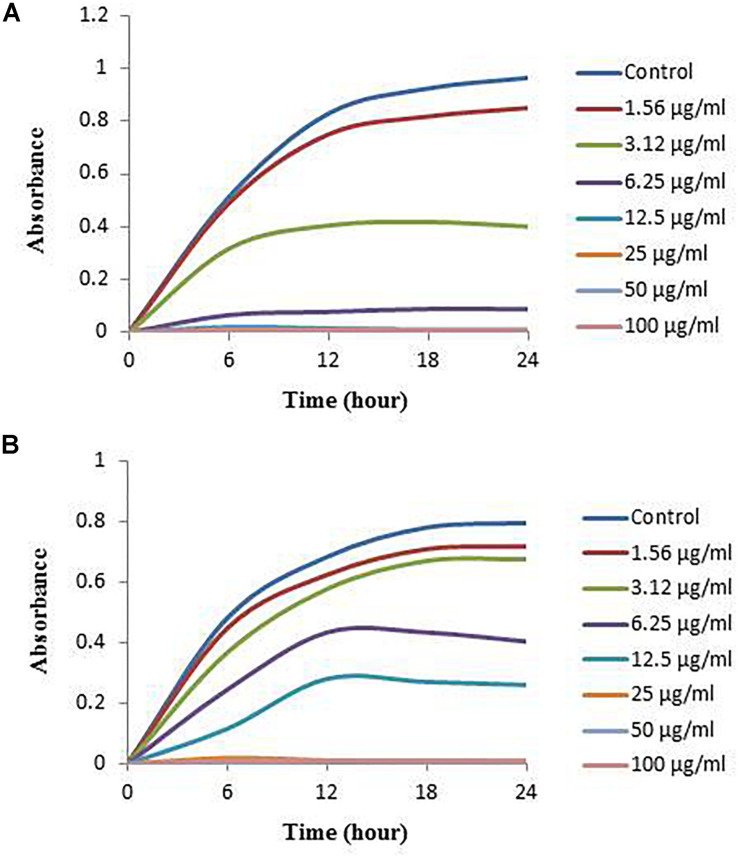
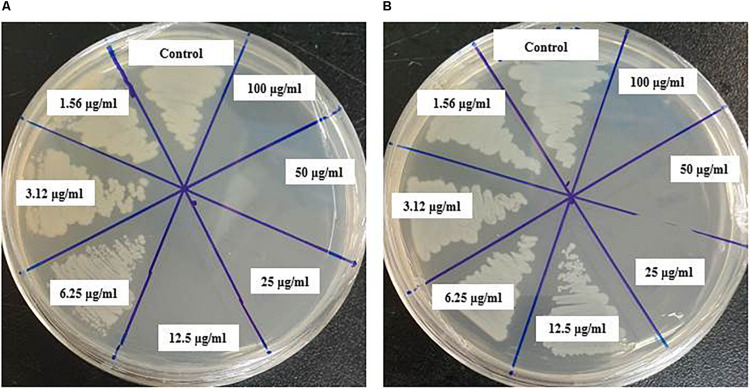
The present study highlights a simple and eco-friendly method for the biosynthesis of silver nanoparticles (AgNPs) using strain MAHUQ-40. Also, the synthesized AgNPs were used to investigate their antibacterial activity and mechanisms against antibiotic-resistant pathogens. Biosynthesis of AgNPs was confirmed by ultraviolet-visible spectroscopy, and then, they were characterized by field emission-transmission electron microscopy (FE-TEM), X-ray diffraction (XRD), dynamic light scattering (DLS), and fourier transform-infrared (FTIR). The toxicity of AgNPs against two pathogenic bacteria was evaluated. The UV-vis spectral scanning showed the peak for synthesized AgNPs at 438 nm. Under FE-TEM, the synthesized AgNPs were spherical with diameter ranges from 8 to 30 nm. The XRD analysis revealed the crystallinity of synthesized AgNPs. FTIR data showed various biomolecules including proteins and polysaccharides that may be involved in the synthesis and stabilization of AgNPs. The resultant AgNPs showed significant antibacterial activity against tested pathogens. The MICs (minimum inhibitory concentrations) and MBCs (minimum bactericidal concentrations) of the AgNPs synthesized by strain MAHUQ-40 were 3.12 and 12.5 μg/ml, respectively, against and 6.25 and 25 μg/ml, respectively, against . FE-TEM analysis showed that the biogenic AgNPs generated structural and morphological changes and damaged the membrane integrity of pathogenic bacteria. Our findings showed the potentiality of MAHUQ-40 to synthesis AgNPs that acted as potent antibacterial material against pathogenic bacterial strains.
本研究重点介绍了一种使用MAHUQ - 40菌株生物合成银纳米颗粒(AgNPs)的简单且环保的方法。此外,所合成的AgNPs用于研究其对耐抗生素病原体的抗菌活性及作用机制。通过紫外 - 可见光谱法确认了AgNPs的生物合成,然后,用场发射 - 透射电子显微镜(FE - TEM)、X射线衍射(XRD)、动态光散射(DLS)和傅里叶变换红外光谱(FTIR)对其进行表征。评估了AgNPs对两种病原菌的毒性。紫外 - 可见光谱扫描显示合成的AgNPs在438 nm处有峰值。在FE - TEM下,合成的AgNPs呈球形,直径范围为8至30 nm。XRD分析揭示了合成的AgNPs的结晶性。FTIR数据显示了包括蛋白质和多糖在内的各种生物分子,它们可能参与了AgNPs的合成与稳定。所得的AgNPs对测试的病原体显示出显著的抗菌活性。由MAHUQ - 40菌株合成的AgNPs对[具体细菌1]的最低抑菌浓度(MICs)和最低杀菌浓度(MBCs)分别为3.12和12.5 μg/ml,对[具体细菌2]分别为6.25和25 μg/ml。FE - TEM分析表明,生物合成的AgNPs产生了结构和形态变化,并破坏了病原菌的膜完整性。我们的研究结果表明,MAHUQ - 40有潜力合成作为针对病原菌菌株的有效抗菌材料的AgNPs。