CSE Department, Bennett University, Greater Noida, India.
Department of Radiology, Azienda Ospedaliero Universitaria di Cagliari, Cagliari, Monserrato, Italy.
J Med Syst. 2021 Jan 26;45(3):28. doi: 10.1007/s10916-021-01707-w.
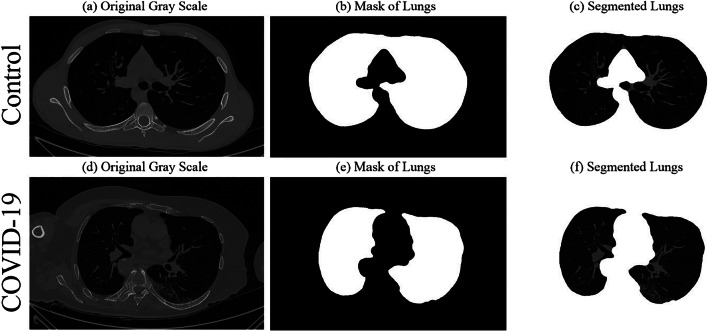
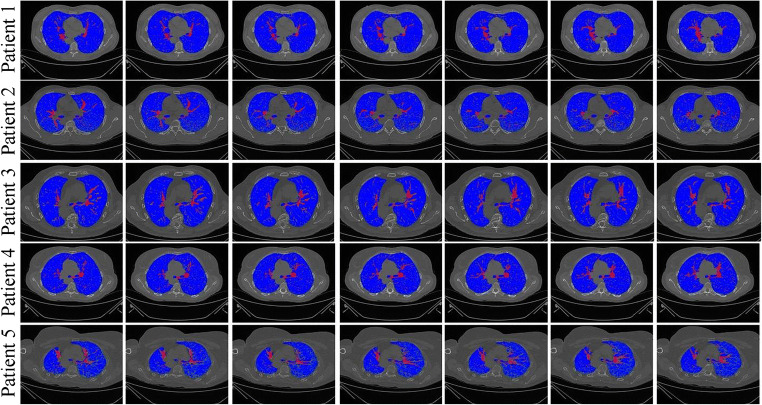
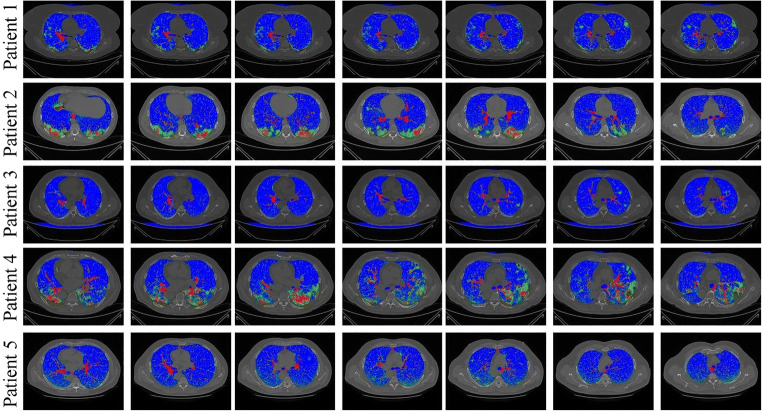
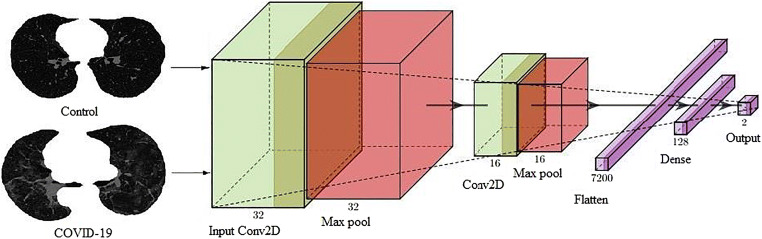
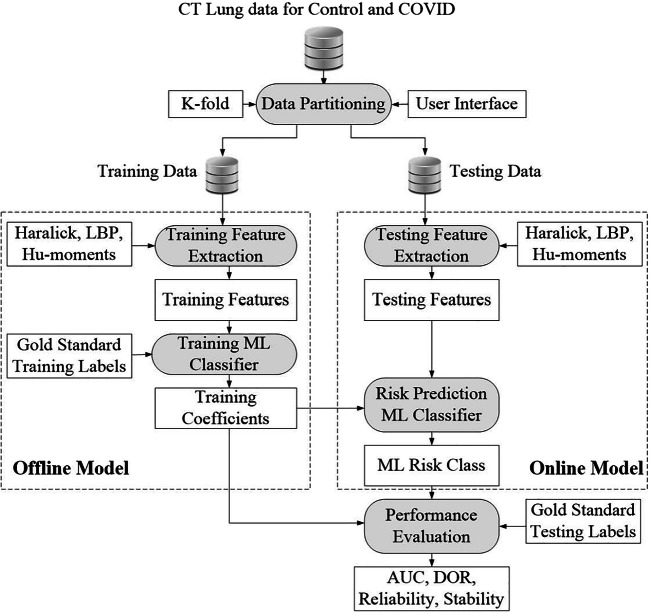
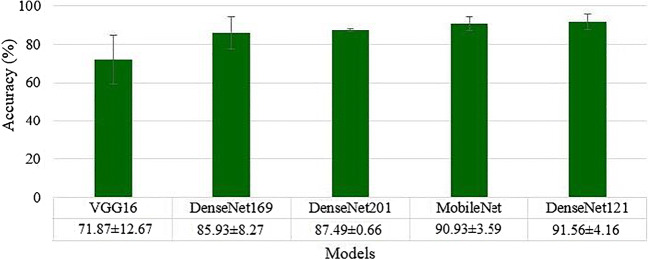
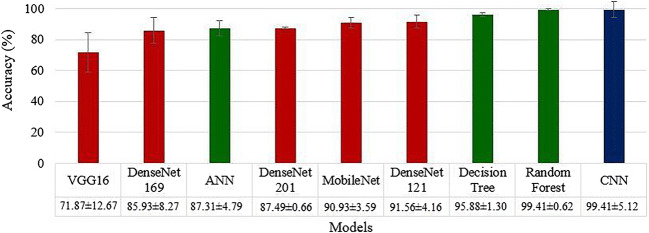
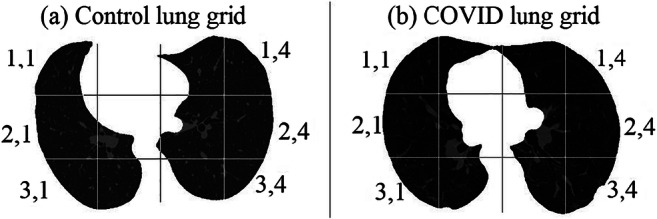
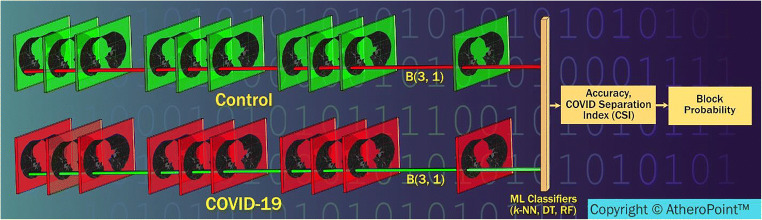
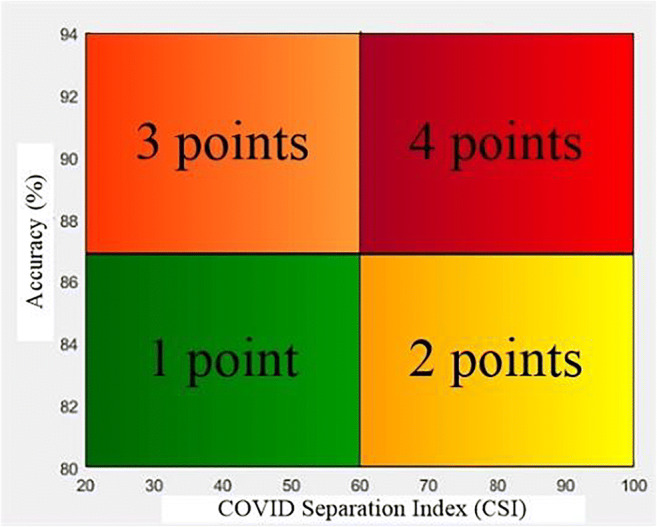
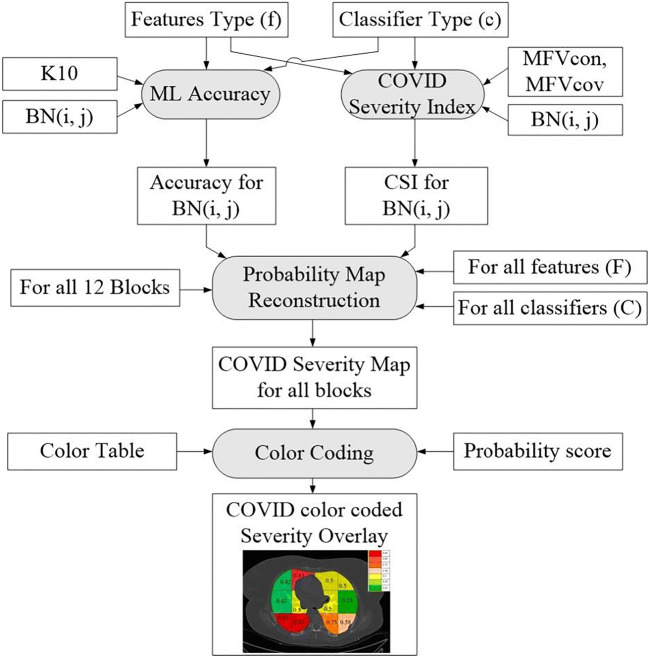
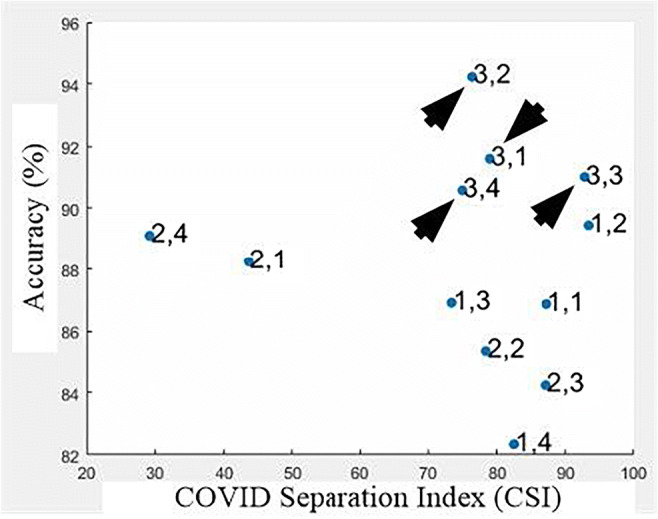
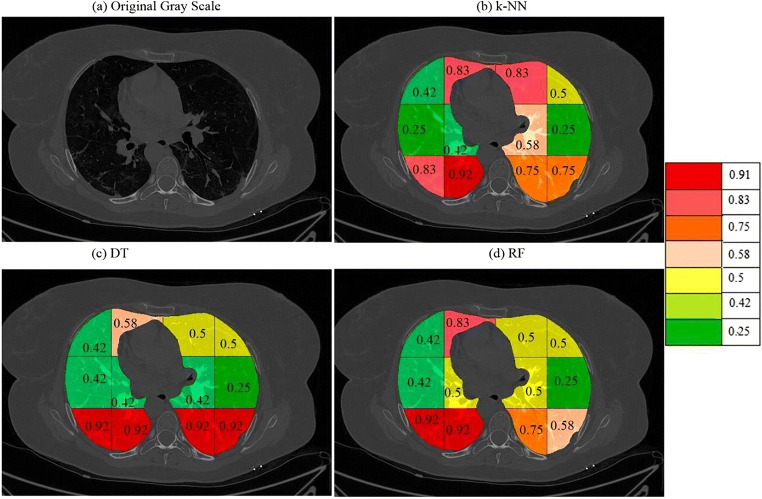
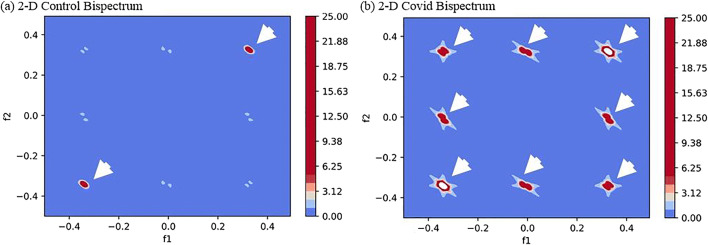
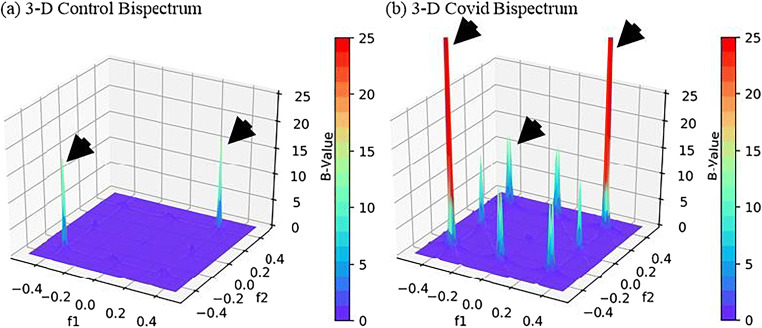
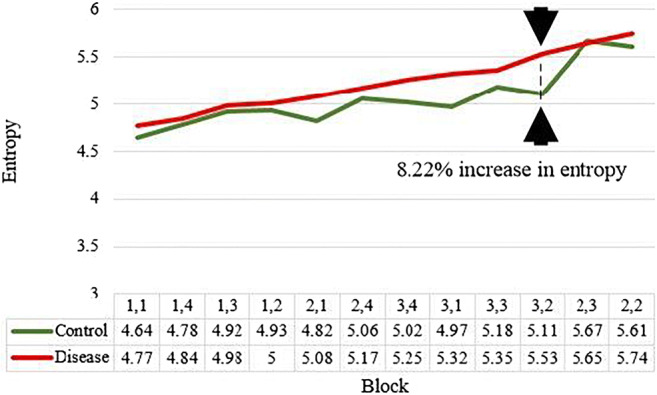
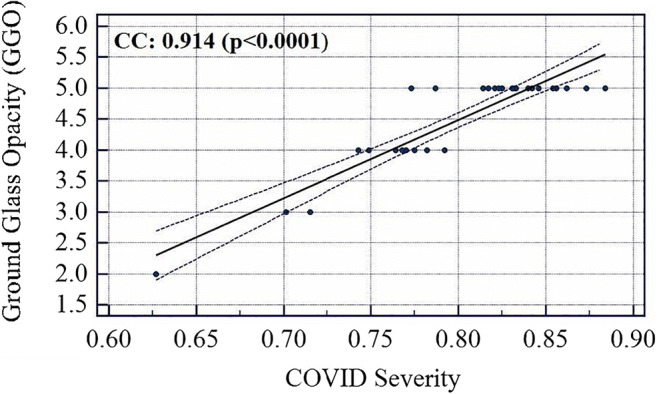
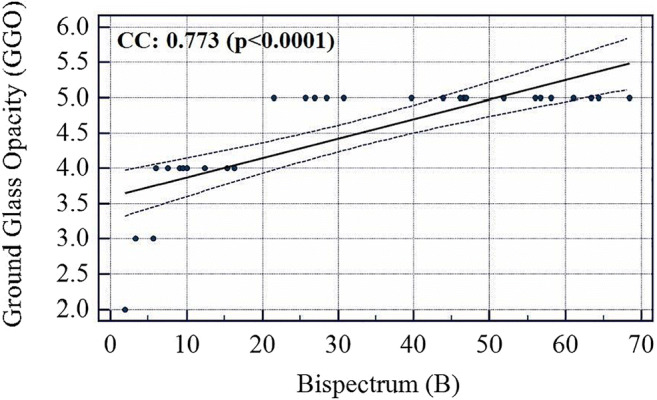
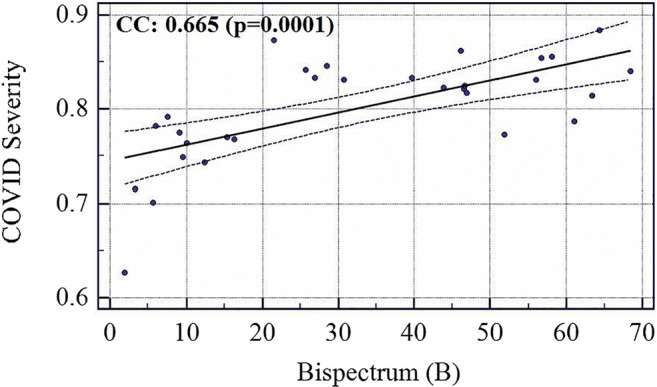
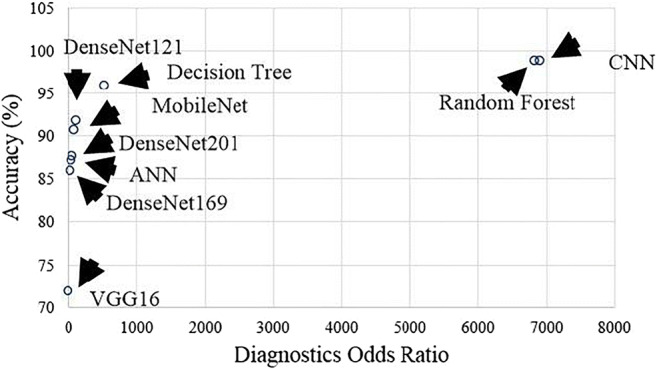
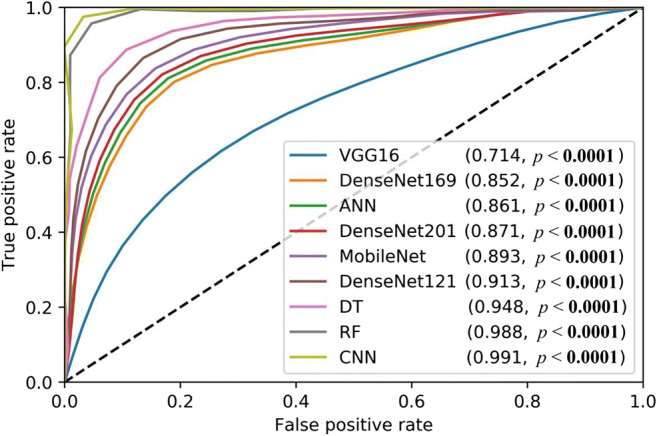
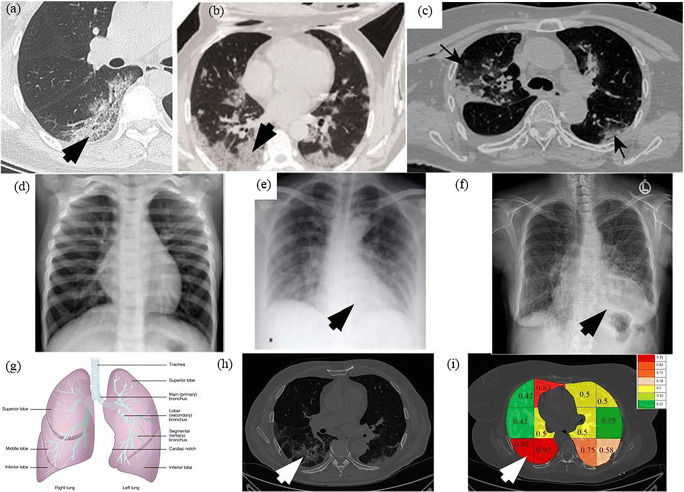
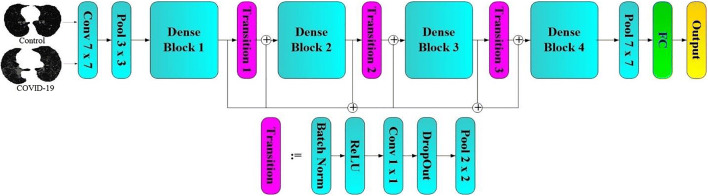
Computer Tomography (CT) is currently being adapted for visualization of COVID-19 lung damage. Manual classification and characterization of COVID-19 may be biased depending on the expert's opinion. Artificial Intelligence has recently penetrated COVID-19, especially deep learning paradigms. There are nine kinds of classification systems in this study, namely one deep learning-based CNN, five kinds of transfer learning (TL) systems namely VGG16, DenseNet121, DenseNet169, DenseNet201 and MobileNet, three kinds of machine-learning (ML) systems, namely artificial neural network (ANN), decision tree (DT), and random forest (RF) that have been designed for classification of COVID-19 segmented CT lung against Controls. Three kinds of characterization systems were developed namely (a) Block imaging for COVID-19 severity index (CSI); (b) Bispectrum analysis; and (c) Block Entropy. A cohort of Italian patients with 30 controls (990 slices) and 30 COVID-19 patients (705 slices) was used to test the performance of three types of classifiers. Using K10 protocol (90% training and 10% testing), the best accuracy and AUC was for DCNN and RF pairs were 99.41 ± 5.12%, 0.991 (p < 0.0001), and 99.41 ± 0.62%, 0.988 (p < 0.0001), respectively, followed by other ML and TL classifiers. We show that diagnostics odds ratio (DOR) was higher for DL compared to ML, and both, Bispecturm and Block Entropy shows higher values for COVID-19 patients. CSI shows an association with Ground Glass Opacities (0.9146, p < 0.0001). Our hypothesis holds true that deep learning shows superior performance compared to machine learning models. Block imaging is a powerful novel approach for pinpointing COVID-19 severity and is clinically validated.
计算机断层扫描(CT)目前正被用于可视化 COVID-19 肺部损伤。COVID-19 的手动分类和特征描述可能会因专家意见而存在偏差。人工智能最近已经渗透到 COVID-19 领域,特别是深度学习范式。本研究中有九种分类系统,即一种基于深度学习的卷积神经网络(CNN),五种迁移学习(TL)系统,即 VGG16、DenseNet121、DenseNet169、DenseNet201 和 MobileNet,三种机器学习(ML)系统,即人工神经网络(ANN)、决策树(DT)和随机森林(RF),这些系统是为对对照人群的 COVID-19 分割 CT 肺部进行分类而设计的。开发了三种特征描述系统,即(a)COVID-19 严重指数(CSI)的块状成像;(b)双谱分析;和(c)块状熵。使用 K10 协议(90%的训练和 10%的测试),对三种类型的分类器进行了性能测试。使用 DCNN 和 RF 对最佳准确性和 AUC 分别为 99.41 ± 5.12%,0.991(p<0.0001)和 99.41 ± 0.62%,0.988(p<0.0001),其次是其他 ML 和 TL 分类器。我们表明,与 ML 相比,深度学习的诊断优势比(DOR)更高,双谱和块状熵均显示 COVID-19 患者的数值更高。CSI 与磨玻璃混浊(0.9146,p<0.0001)相关。我们的假设是正确的,即与机器学习模型相比,深度学习具有更好的性能。块状成像方法是一种用于确定 COVID-19 严重程度的强大新方法,并且已经在临床上得到验证。