Zhou Min, Yang Dexiang, Chen Yong, Xu Yanping, Xu Jin-Fu, Jie Zhijun, Yao Weiwu, Jin Xiaoyan, Pan Zilai, Tan Jingwen, Wang Lan, Xia Yihan, Zou Longkuan, Xu Xin, Wei Jingqi, Guan Mingxin, Yan Fuhua, Feng Jianxing, Zhang Huan, Qu Jieming
Department of Respiratory and Critical Care Medicine, Ruijin Hospital, Shanghai Jiao Tong University School of Medicine, Shanghai, China.
Institute of Respiratory Diseases, Shanghai Jiao Tong University School of Medicine, Shanghai, China.
Ann Transl Med. 2021 Jan;9(2):111. doi: 10.21037/atm-20-5328.
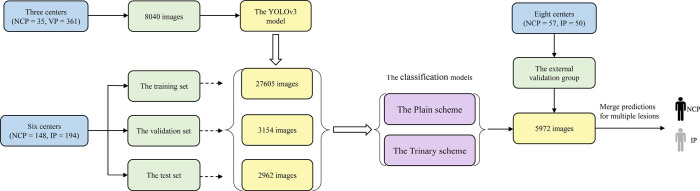
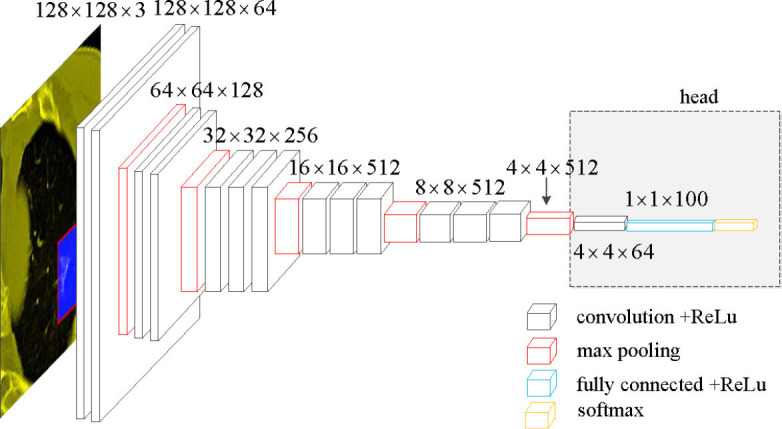
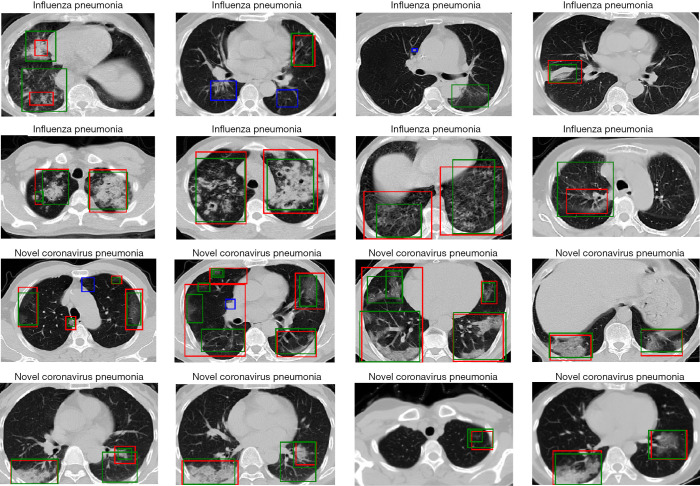
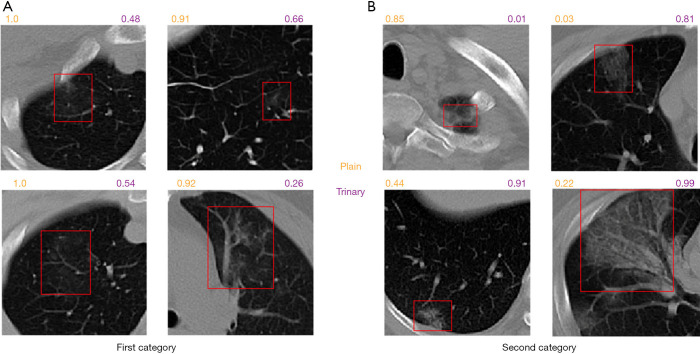
Chest computed tomography (CT) has been found to have high sensitivity in diagnosing novel coronavirus pneumonia (NCP) at the early stage, giving it an advantage over nucleic acid detection during the current pandemic. In this study, we aimed to develop and validate an integrated deep learning framework on chest CT images for the automatic detection of NCP, focusing particularly on differentiating NCP from influenza pneumonia (IP).
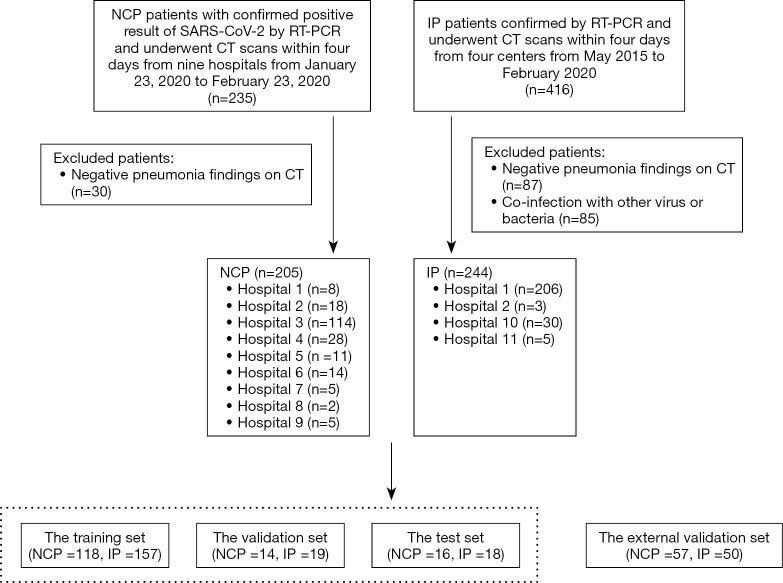
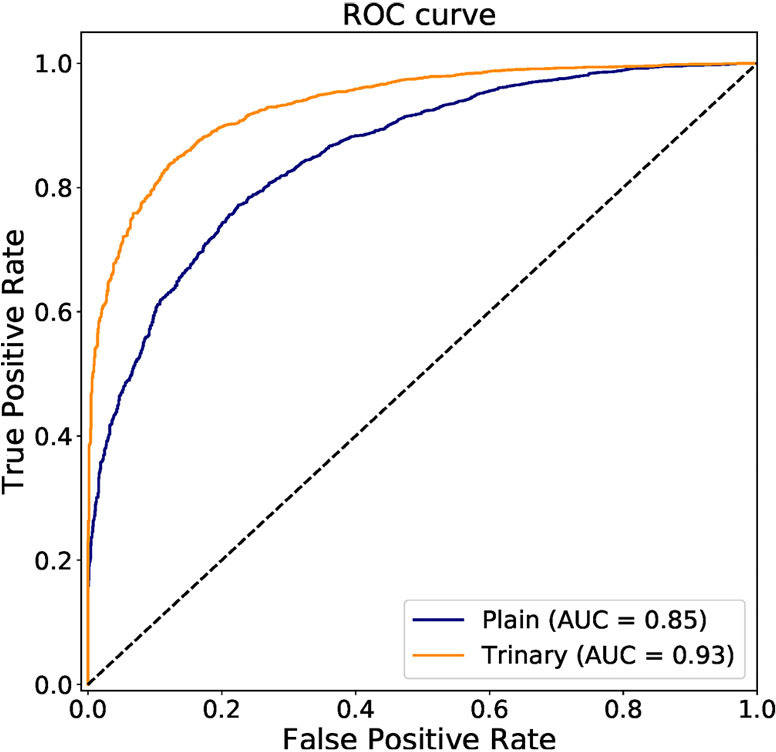
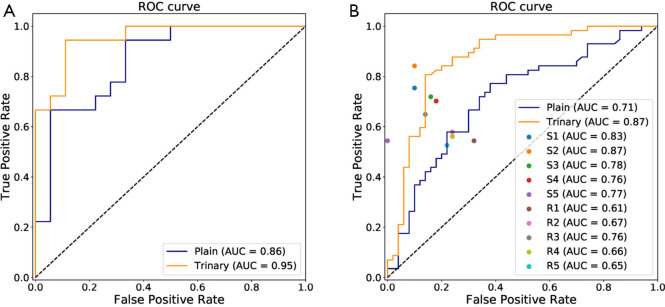
A total of 148 confirmed NCP patients [80 male; median age, 51.5 years; interquartile range (IQR), 42.5-63.0 years] treated in 4 NCP designated hospitals between January 11, 2020 and February 23, 2020 were retrospectively enrolled as a training cohort, along with 194 confirmed IP patients (112 males; median age, 65.0 years; IQR, 55.0-78.0 years) treated in 5 hospitals from May 2015 to February 2020. An external validation set comprising 57 NCP patients and 50 IP patients from 8 hospitals was also enrolled. Two deep learning schemes (the Trinary scheme and the Plain scheme) were developed and compared using receiver operating characteristic (ROC) curves.
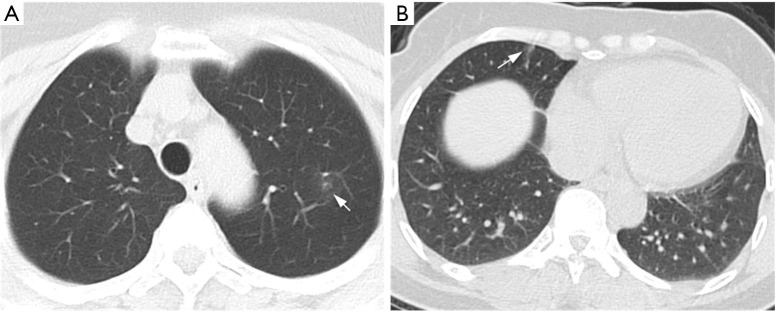
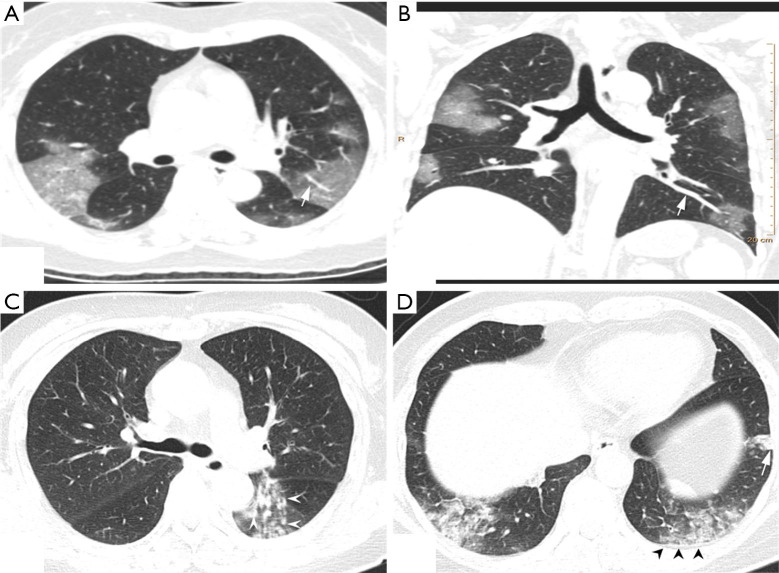
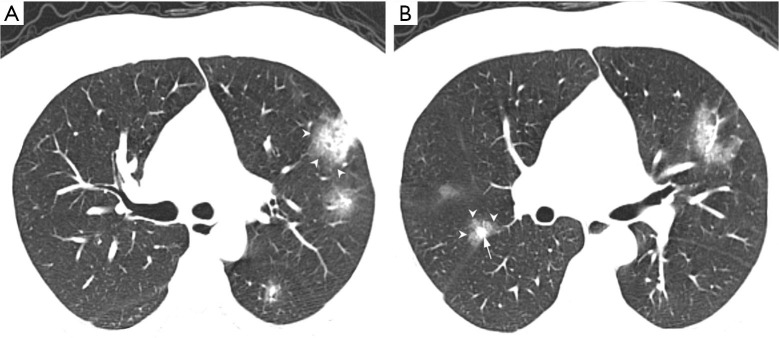
Of the NCP lesions, 96.6% were >1 cm and 76.8% were of a density <-500 Hu, indicating them to have less consolidation than IP lesions, which had nodules ranging from 5-10 mm. The Trinary scheme accurately distinguished NCP from IP lesions, with an area under the curve (AUC) of 0.93. For patient-level classification in the external validation set, the Trinary scheme outperformed the Plain scheme (AUC: 0.87 . 0.71) and achieved human specialist-level performance.
Our study has potentially provided an accurate tool on chest CT for early diagnosis of NCP with high transferability and showed high efficiency in differentiating between NCP and IP; these findings could help to reduce misdiagnosis and contain the pandemic transmission.
胸部计算机断层扫描(CT)已被发现对新型冠状病毒肺炎(NCP)早期诊断具有高敏感性,在当前疫情期间,这使其相对于核酸检测具有优势。在本研究中,我们旨在开发并验证一个基于胸部CT图像的集成深度学习框架,用于自动检测NCP,尤其着重于将NCP与流感肺炎(IP)区分开来。
回顾性纳入2020年1月11日至2020年2月23日期间在4家NCP定点医院接受治疗的148例确诊NCP患者[80例男性;中位年龄51.5岁;四分位间距(IQR),42.5 - 63.0岁]作为训练队列,以及2015年5月至2020年2月期间在5家医院接受治疗的194例确诊IP患者(112例男性;中位年龄65.0岁;IQR,55.0 - 78.0岁)。还纳入了一个由来自8家医院的57例NCP患者和50例IP患者组成的外部验证集。使用受试者操作特征(ROC)曲线开发并比较了两种深度学习方案(三元方案和普通方案)。
NCP病灶中,96.6%大于1 cm,76.8%的密度小于 - 500 Hu,表明其实变程度低于IP病灶,IP病灶有5 - 10 mm的结节。三元方案能准确区分NCP与IP病灶,曲线下面积(AUC)为0.93。在外部验证集中进行患者水平分类时,三元方案优于普通方案(AUC:0.87对0.71),并达到了人类专家水平的性能。
我们的研究可能为胸部CT早期诊断NCP提供了一种具有高可转移性的准确工具,并在区分NCP和IP方面显示出高效率;这些发现有助于减少误诊并遏制疫情传播。