Department of Pediatrics, University of Tennessee Health Science Center, Memphis, TN, United States.
Department of Biotechnology, Indian Institute of Technology Madras, Chennai, India.
Front Immunol. 2021 Feb 22;12:592303. doi: 10.3389/fimmu.2021.592303. eCollection 2021.
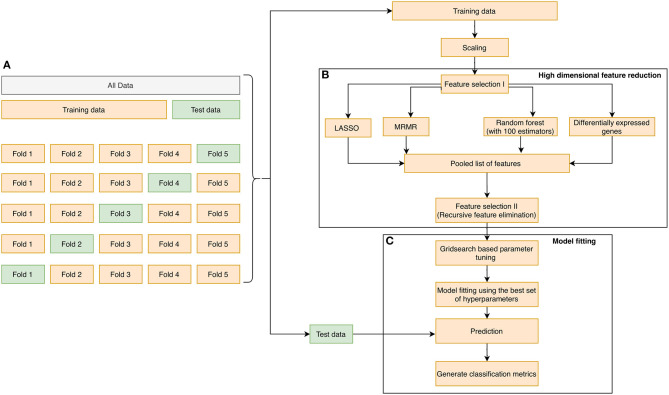
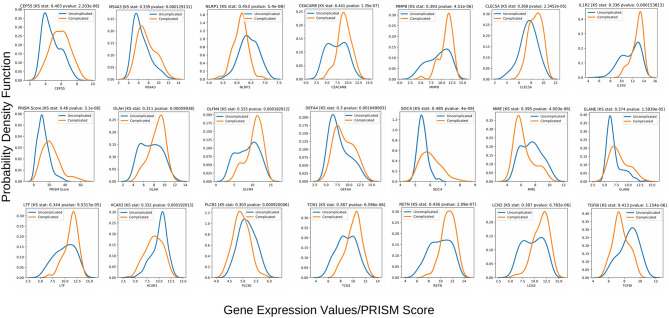
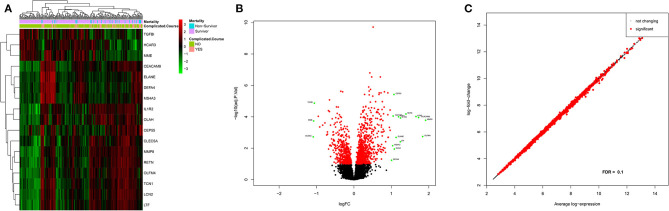
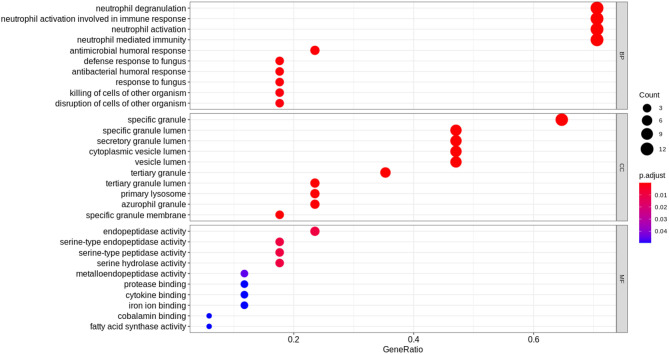
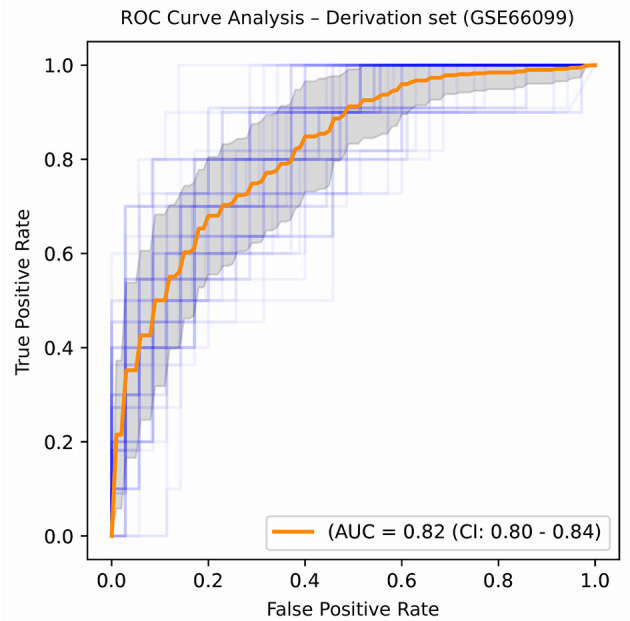
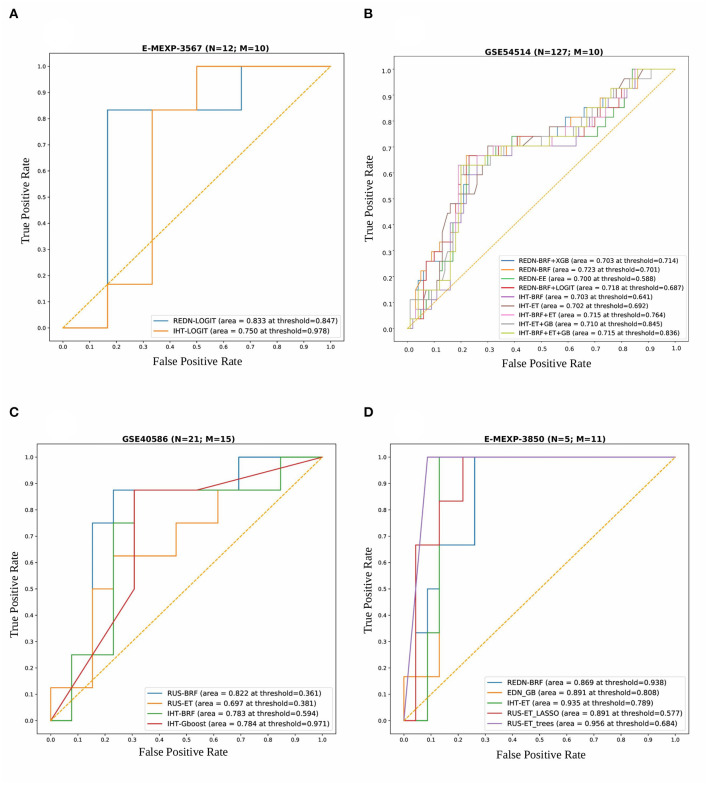
A complicated clinical course for critically ill patients admitted to the intensive care unit (ICU) usually includes multiorgan dysfunction and subsequent death. Owing to the heterogeneity, complexity, and unpredictability of the disease progression, ICU patient care is challenging. Identifying the predictors of complicated courses and subsequent mortality at the early stages of the disease and recognizing the trajectory of the disease from the vast array of longitudinal quantitative clinical data is difficult. Therefore, we attempted to perform a meta-analysis of previously published gene expression datasets to identify novel early biomarkers and train the artificial intelligence systems to recognize the disease trajectories and subsequent clinical outcomes. Using the gene expression profile of peripheral blood cells obtained within 24 h of pediatric ICU (PICU) admission and numerous clinical data from 228 septic patients from pediatric ICU, we identified 20 differentially expressed genes predictive of complicated course outcomes and developed a new machine learning model. After 5-fold cross-validation with 10 iterations, the overall mean area under the curve reached 0.82. Using a subset of the same set of genes, we further achieved an overall area under the curve of 0.72, 0.96, 0.83, and 0.82, respectively, on four independent external validation sets. This model was highly effective in identifying the clinical trajectories of the patients and mortality. Artificial intelligence systems identified eight out of twenty novel genetic markers (, and ) that help predict sepsis severity or mortality. While these genes have been previously associated with sepsis mortality, in this work, we show that these genes are also implicated in complex disease courses, even among survivors. The discovery of eight novel genetic biomarkers related to the overactive innate immune system, including neutrophil function, and a new predictive machine learning method provides options to effectively recognize sepsis trajectories, modify real-time treatment options, improve prognosis, and patient survival.
危重症患者的临床过程通常复杂,包括多器官功能障碍和随后的死亡。由于疾病进展的异质性、复杂性和不可预测性,重症监护病房(ICU)患者的治疗具有挑战性。在疾病的早期阶段识别复杂病程和随后死亡的预测因子,并从大量纵向定量临床数据中识别疾病轨迹是困难的。因此,我们试图对以前发表的基因表达数据集进行荟萃分析,以确定新的早期生物标志物,并训练人工智能系统识别疾病轨迹和随后的临床结果。我们使用了 228 名儿科 ICU(PICU)败血症患者入院后 24 小时内获得的外周血细胞基因表达谱和大量临床数据,鉴定了 20 个差异表达基因,这些基因可预测复杂的病程结果,并开发了一种新的机器学习模型。经过 10 次迭代的 5 倍交叉验证,总平均曲线下面积达到 0.82。使用相同基因集的子集,我们在四个独立的外部验证集中进一步实现了 0.72、0.96、0.83 和 0.82 的总体曲线下面积。该模型在识别患者的临床轨迹和死亡率方面非常有效。人工智能系统鉴定了 20 个新遗传标记中的 8 个(、和),这些标记有助于预测败血症的严重程度或死亡率。虽然这些基因以前与败血症的死亡率相关,但在这项工作中,我们表明这些基因也与复杂的疾病病程有关,甚至在幸存者中也是如此。发现了 8 个与过度活跃的固有免疫系统相关的新遗传生物标志物,包括中性粒细胞功能,以及一种新的预测性机器学习方法,可以有效地识别败血症的轨迹,改变实时治疗选择,改善预后和患者生存率。