Department of Stem Cell and Regenerative Biology and the Harvard Stem Cell Institute, Harvard University, 7 Divinity Ave, Cambridge, MA, 02138, USA.
Department of Cardiology, Boston Children's Hospital, 300 Longwood Ave, Boston, MA, 02115, USA.
Stem Cell Res Ther. 2021 Mar 12;12(1):177. doi: 10.1186/s13287-021-02252-6.
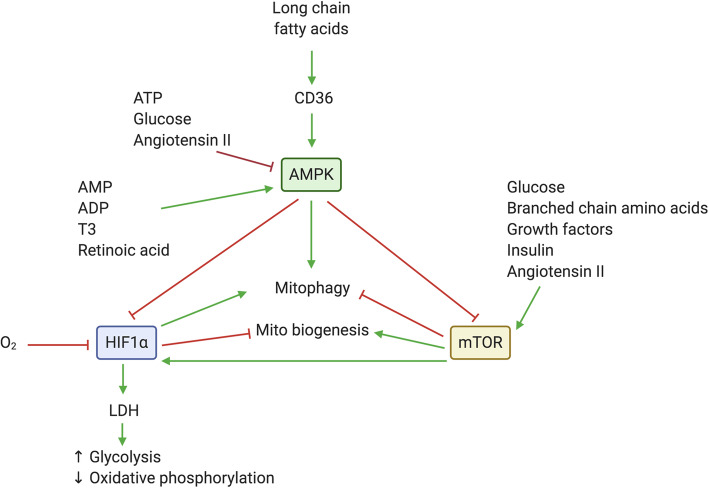
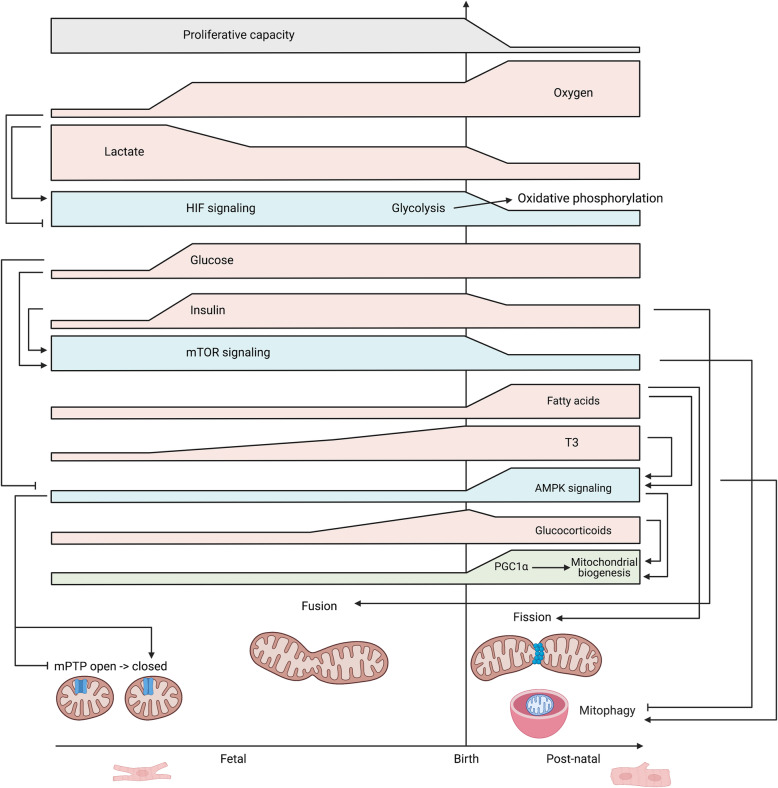
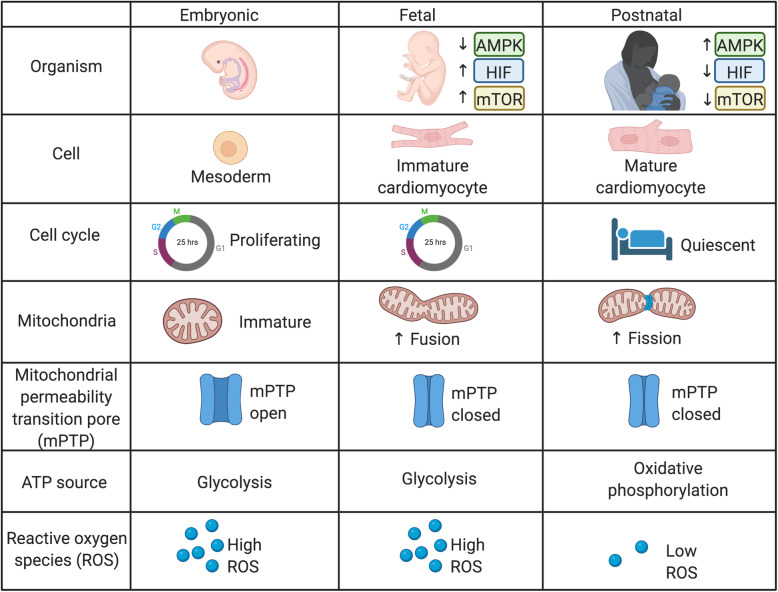
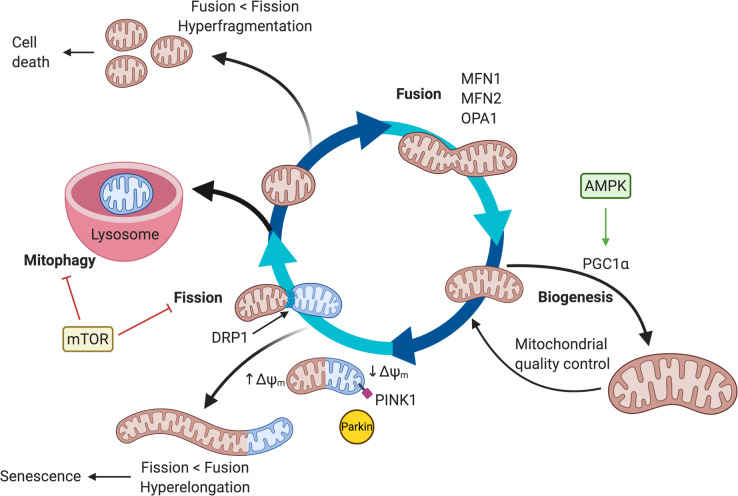
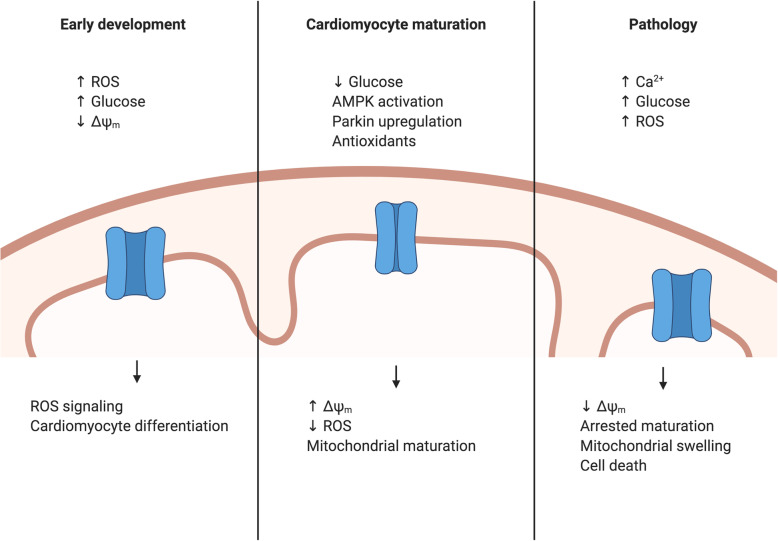
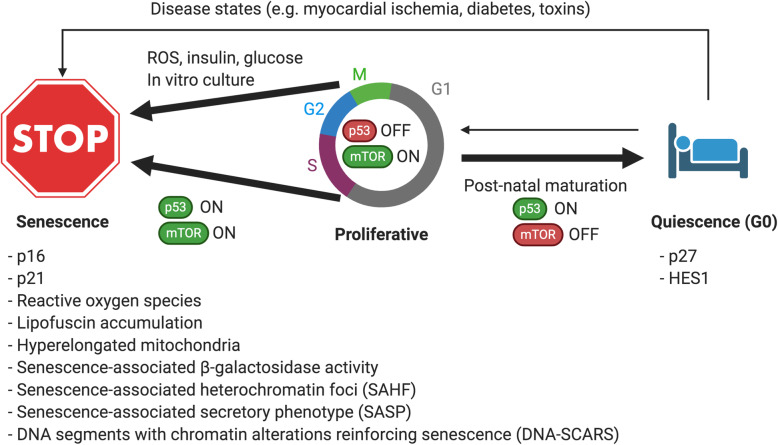
Current methods to differentiate cardiomyocytes from human pluripotent stem cells (PSCs) inadequately recapitulate complete development and result in PSC-derived cardiomyocytes (PSC-CMs) with an immature or fetal-like phenotype. Embryonic and fetal development are highly dynamic periods during which the developing embryo or fetus is exposed to changing nutrient, oxygen, and hormone levels until birth. It is becoming increasingly apparent that these metabolic changes initiate developmental processes to mature cardiomyocytes. Mitochondria are central to these changes, responding to these metabolic changes and transitioning from small, fragmented mitochondria to large organelles capable of producing enough ATP to support the contractile function of the heart. These changes in mitochondria may not simply be a response to cardiomyocyte maturation; the metabolic signals that occur throughout development may actually be central to the maturation process in cardiomyocytes. Here, we review methods to enhance maturation of PSC-CMs and highlight evidence from development indicating the key roles that mitochondria play during cardiomyocyte maturation. We evaluate metabolic transitions that occur during development and how these affect molecular nutrient sensors, discuss how regulation of nutrient sensing pathways affect mitochondrial dynamics and function, and explore how changes in mitochondrial function can affect metabolite production, the cell cycle, and epigenetics to influence maturation of cardiomyocytes.
目前将人类多能干细胞(PSCs)分化为心肌细胞的方法不能充分再现完整的发育过程,导致源自 PSC 的心肌细胞(PSC-CMs)具有不成熟或胎儿样的表型。胚胎和胎儿发育是高度动态的时期,在此期间,发育中的胚胎或胎儿会受到不断变化的营养、氧气和激素水平的影响,直到出生。越来越明显的是,这些代谢变化启动了使心肌细胞成熟的发育过程。线粒体是这些变化的核心,它们对这些代谢变化做出反应,并从小而碎片化的线粒体过渡到大细胞器,从而能够产生足够的 ATP 来支持心脏的收缩功能。线粒体的这些变化可能不仅仅是心肌细胞成熟的反应;在整个发育过程中发生的代谢信号实际上可能是心肌细胞成熟过程的核心。在这里,我们综述了增强 PSC-CMs 成熟的方法,并强调了来自发育的证据,表明线粒体在心肌细胞成熟过程中发挥着关键作用。我们评估了发育过程中发生的代谢转变,以及这些转变如何影响分子营养传感器,讨论了营养感应途径的调节如何影响线粒体的动态和功能,以及探索线粒体功能的变化如何影响代谢产物的产生、细胞周期和表观遗传学,从而影响心肌细胞的成熟。