Center for Evolutionary Cognitive Sciences (ECS), Graduate School of Art and Sciences, The University of Tokyo, Meguro-ku, Tokyo 153-8902, Japan; University of Tokyo Institute for Diversity & Adaptation of Human Mind (UTIDAHM), Meguro-ku, Tokyo 153-8902, Japan; University of Tokyo Center for Integrative Science of Human Behavior (CiSHuB), 3-8-1 Komaba, Meguro-ku, Tokyo 153-8902, Japan; The International Research Center for Neurointelligence (WPI-IRCN), Institutes for Advanced Study (UTIAS), University of Tokyo, 7-3-1 Hongo, Bunkyo-ku, Tokyo 113-8654, Japan.
Brain Information Communication Research Laboratory Group, Advanced Telecommunications Research Institutes International (ATR), Kyoto 619-0288, Japan.
Neuroimage Clin. 2021;30:102600. doi: 10.1016/j.nicl.2021.102600. Epub 2021 Mar 16.
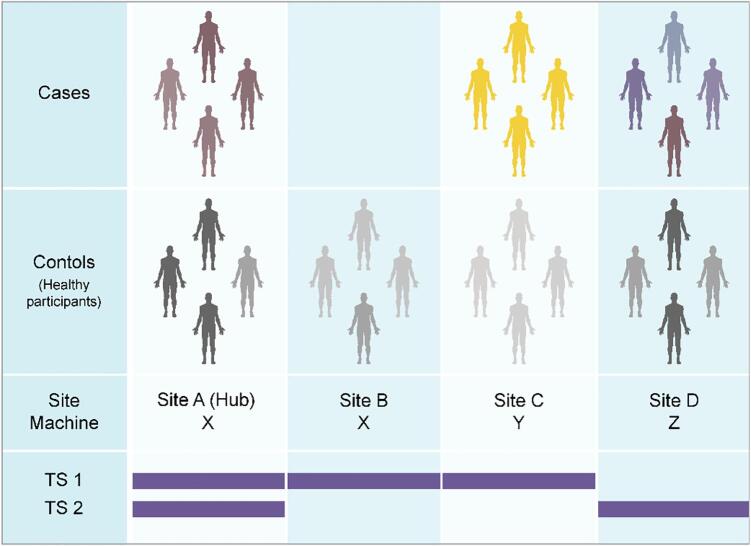
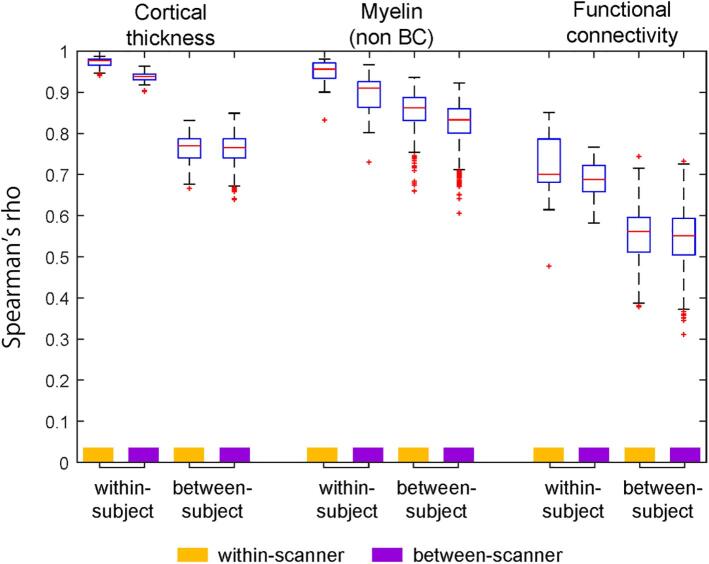
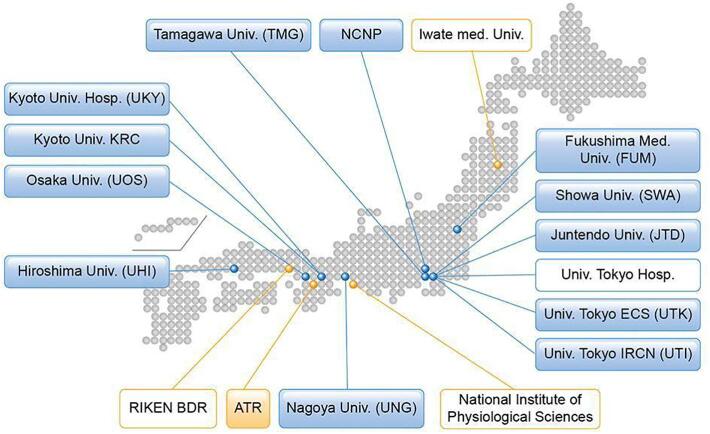
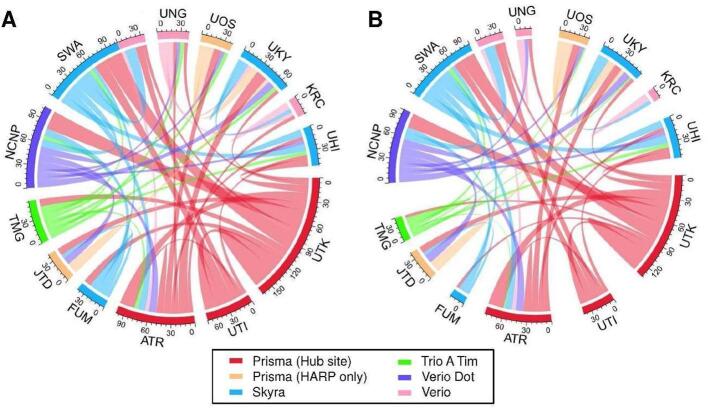
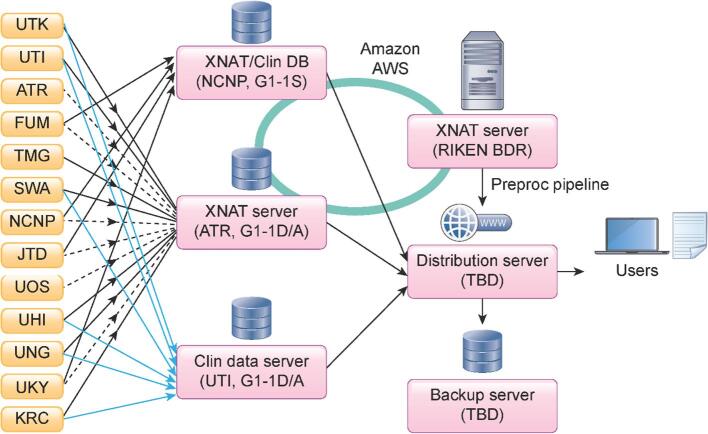
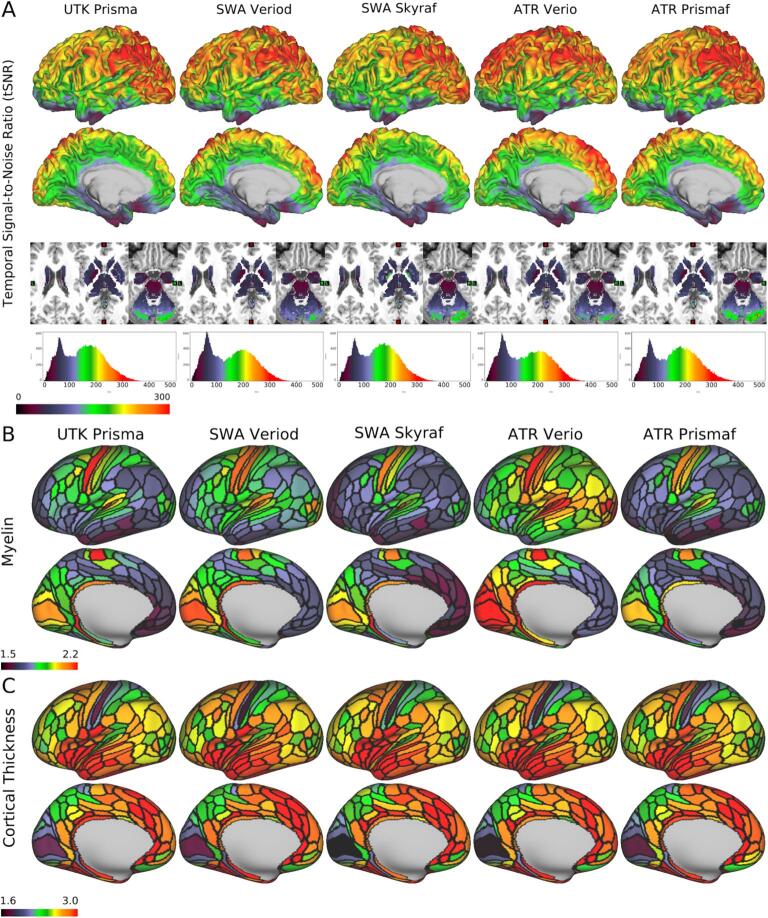
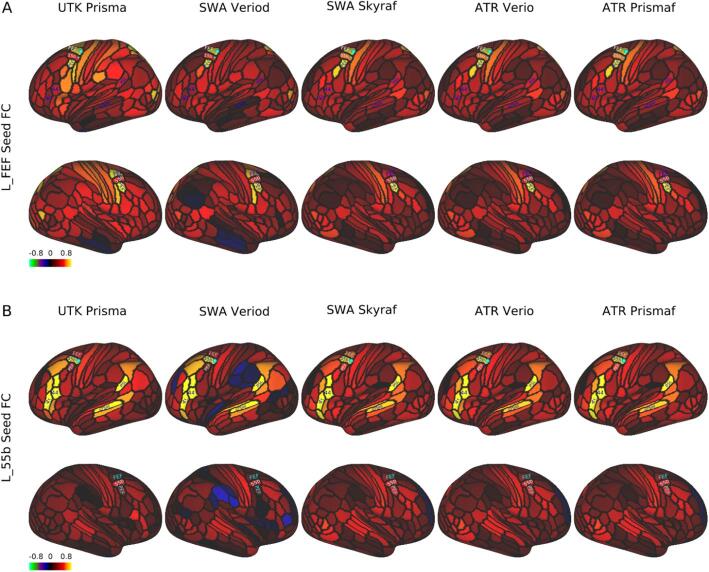
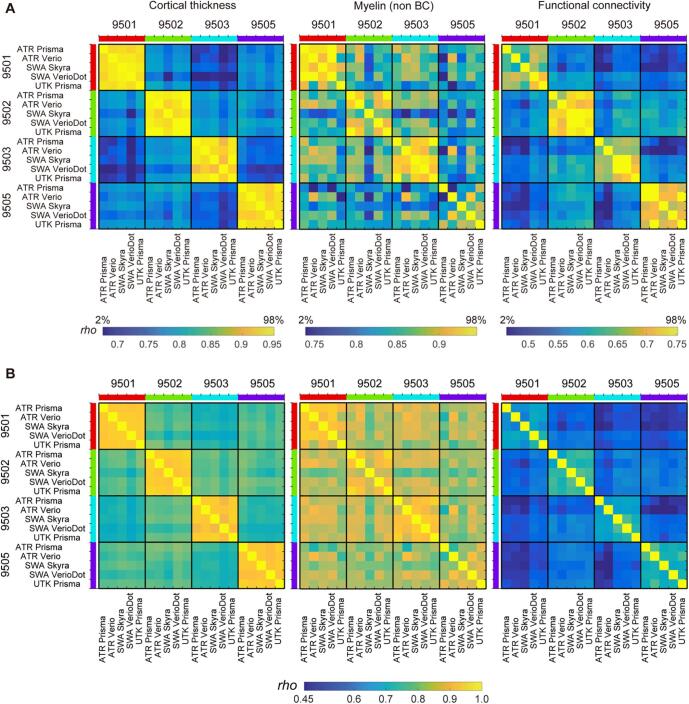
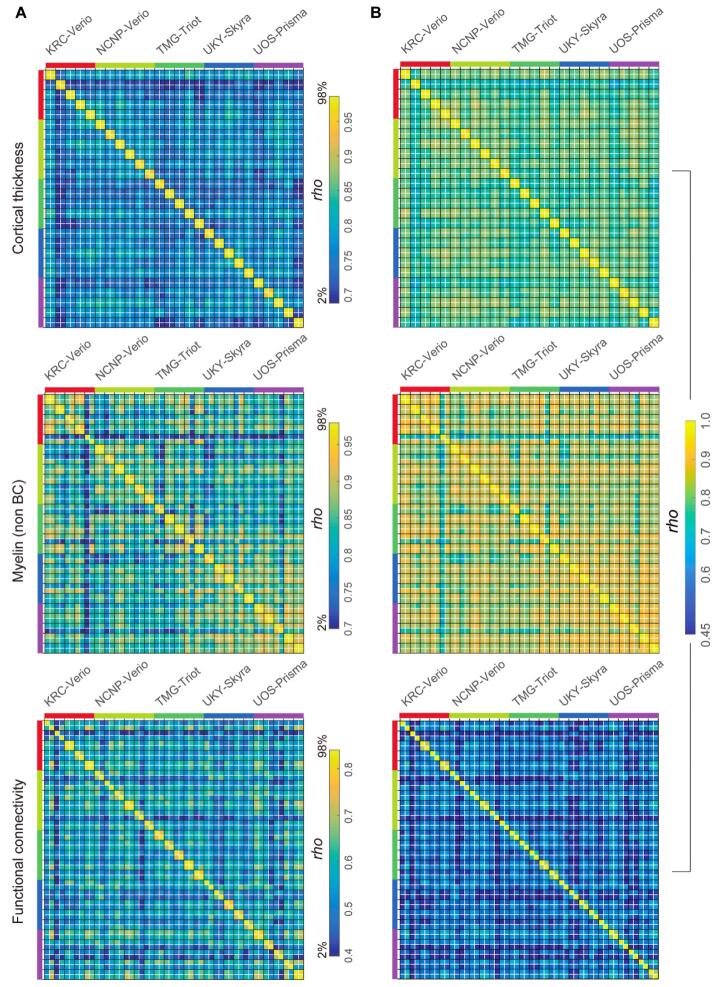
Psychiatric and neurological disorders are afflictions of the brain that can affect individuals throughout their lifespan. Many brain magnetic resonance imaging (MRI) studies have been conducted; however, imaging-based biomarkers are not yet well established for diagnostic and therapeutic use. This article describes an outline of the planned study, the Brain/MINDS Beyond human brain MRI project (BMB-HBM, FY2018 ~ FY2023), which aims to establish clinically-relevant imaging biomarkers with multi-site harmonization by collecting data from healthy traveling subjects (TS) at 13 research sites. Collection of data in psychiatric and neurological disorders across the lifespan is also scheduled at 13 sites, whereas designing measurement procedures, developing and analyzing neuroimaging protocols, and databasing are done at three research sites. A high-quality scanning protocol, Harmonization Protocol (HARP), was established for five high-quality 3 T scanners to obtain multimodal brain images including T1 and T2-weighted, resting-state and task functional and diffusion-weighted MRI. Data are preprocessed and analyzed using approaches developed by the Human Connectome Project. Preliminary results in 30 TS demonstrated cortical thickness, myelin, functional connectivity measures are comparable across 5 scanners, suggesting sensitivity to subject-specific connectome. A total of 75 TS and more than two thousand patients with various psychiatric and neurological disorders are scheduled to participate in the project, allowing a mixed model statistical harmonization. The HARP protocols are publicly available online, and all the imaging, demographic and clinical information, harmonizing database will also be made available by 2024. To the best of our knowledge, this is the first project to implement a prospective, multi-level harmonization protocol with multi-site TS data. It explores intractable brain disorders across the lifespan and may help to identify the disease-specific pathophysiology and imaging biomarkers for clinical practice.
精神神经疾病是影响个体全生命周期的大脑疾病。已经开展了许多脑磁共振成像(MRI)研究,但基于成像的生物标志物尚不能很好地用于诊断和治疗。本文描述了一项计划研究的概要,即 Brain/MINDS Beyond human brain MRI 项目(BMB-HBM,2018 财年至 2023 财年),该项目旨在通过从 13 个研究地点的健康旅行受试者(TS)中收集数据,建立具有多站点协调的临床相关成像生物标志物。还计划在 13 个地点收集全生命周期的精神神经疾病数据,而设计测量程序、开发和分析神经影像学方案以及数据库则在三个研究地点进行。为五台高质量 3T 扫描仪制定了高质量扫描协议(HARP),以获取包括 T1 和 T2 加权、静息态和任务功能以及弥散加权 MRI 在内的多模态脑图像。使用 Human Connectome Project 开发的方法对数据进行预处理和分析。在 30 名 TS 中的初步结果表明,皮质厚度、髓鞘、功能连接测量在 5 台扫描仪之间具有可比性,提示对特定于受试者的连接组具有敏感性。预计将有 75 名 TS 和 2000 多名患有各种精神神经疾病的患者参与该项目,允许进行混合模型统计协调。HARP 协议可在线获取,所有成像、人口统计学和临床信息以及协调数据库也将在 2024 年之前提供。据我们所知,这是第一个实施具有多站点 TS 数据的前瞻性、多层次协调协议的项目。它探索了全生命周期的顽固性脑疾病,并可能有助于确定特定于疾病的病理生理学和成像生物标志物用于临床实践。