Pervaiz Usama, Vidaurre Diego, Woolrich Mark W, Smith Stephen M
Oxford Centre for Functional MRI of the Brain (FMRIB), Wellcome Centre for Integrative Neuroimaging, Nuffield Department of Clinical Neurosciences, University of Oxford, Oxford, OX3 9DU, United Kingdom.
Oxford Centre for Human Brain Activity (OHBA), Wellcome Centre for Integrative Neuroimaging, Department of Psychiatry, University of Oxford, Oxford, OX3 7JX, United Kingdom; Department of Clinical Medicine, Aarhus University, Denmark.
Neuroimage. 2020 May 1;211:116604. doi: 10.1016/j.neuroimage.2020.116604. Epub 2020 Feb 13.
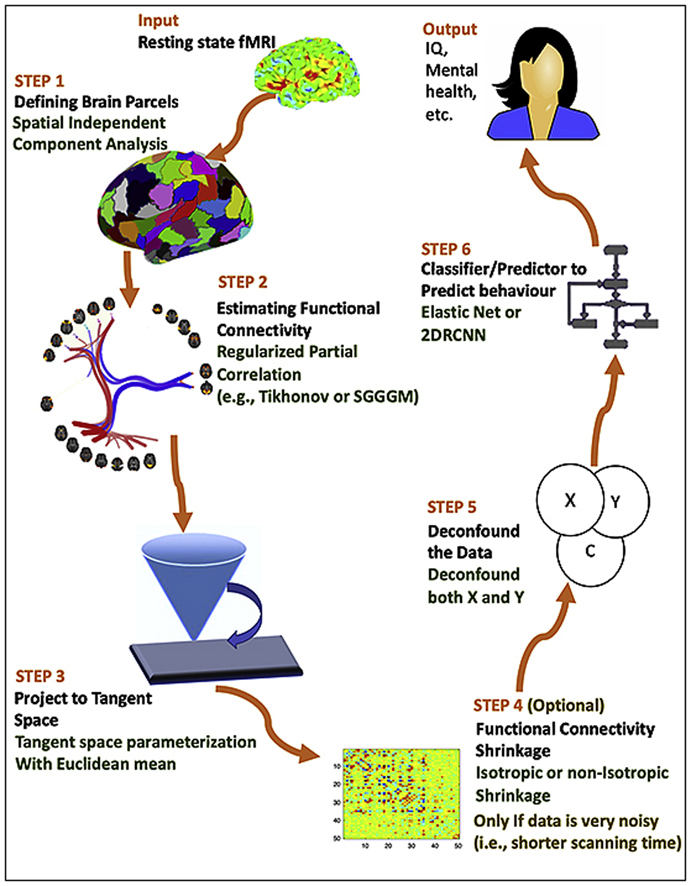
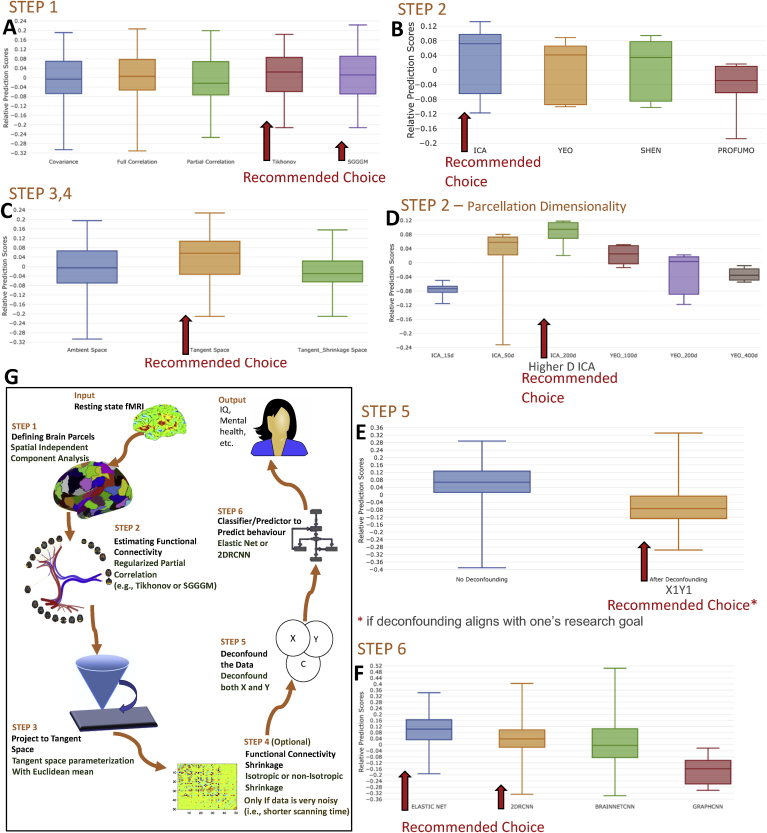
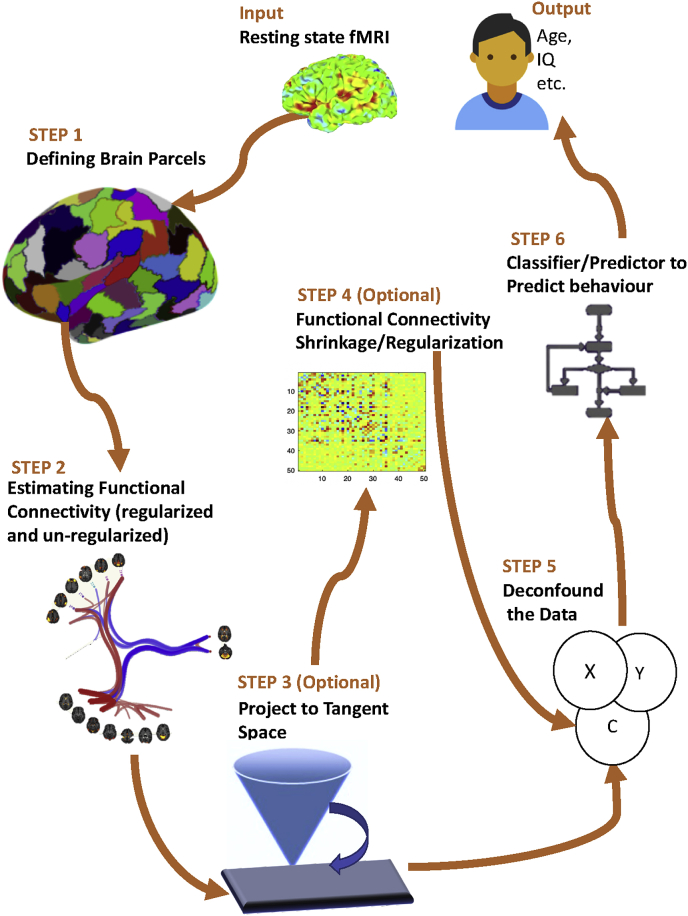
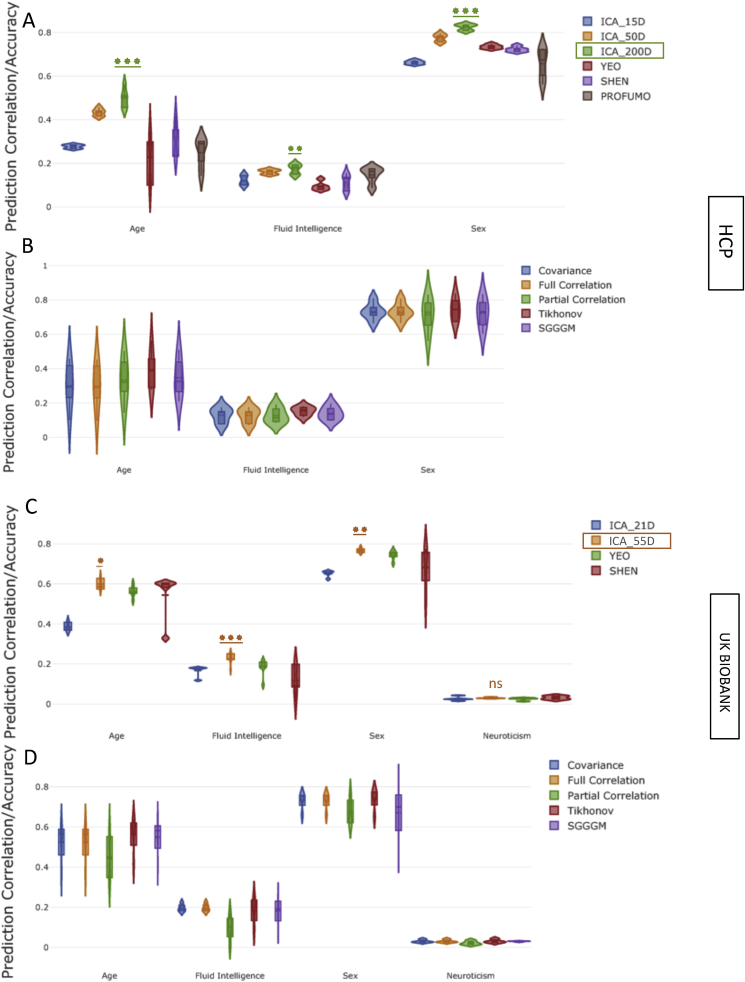
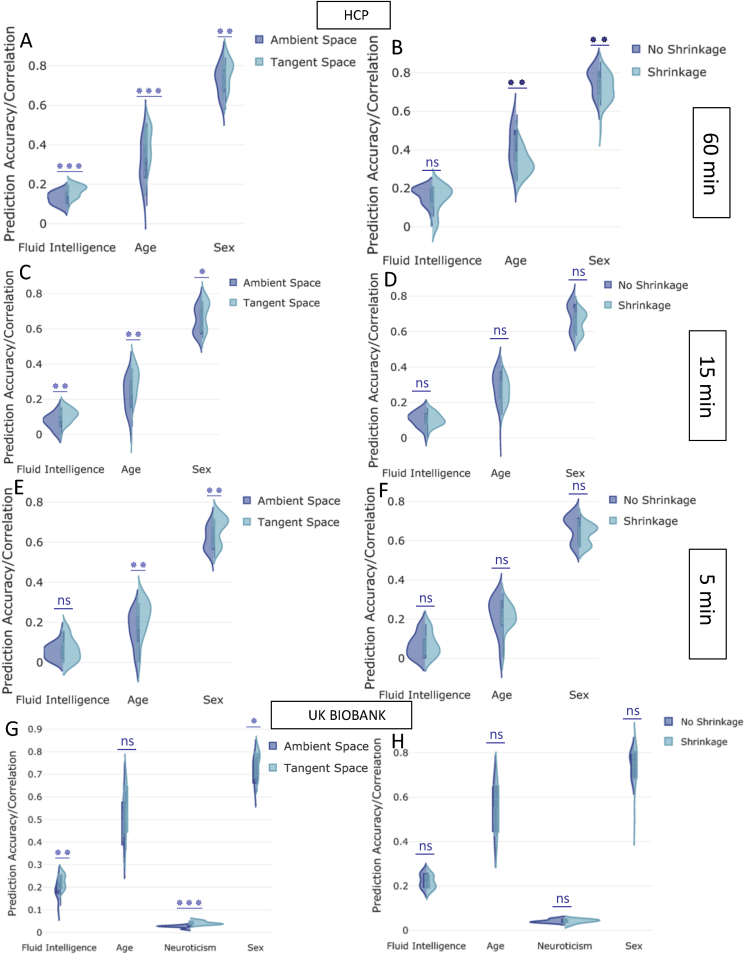
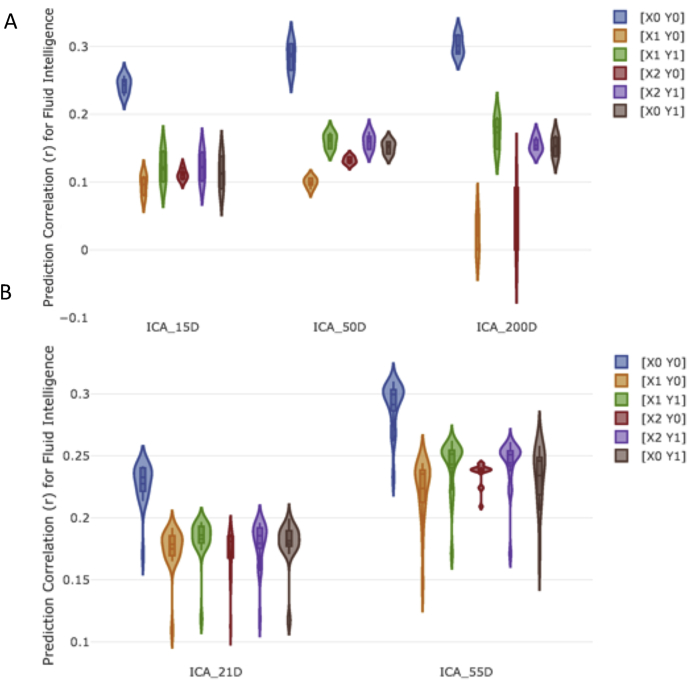
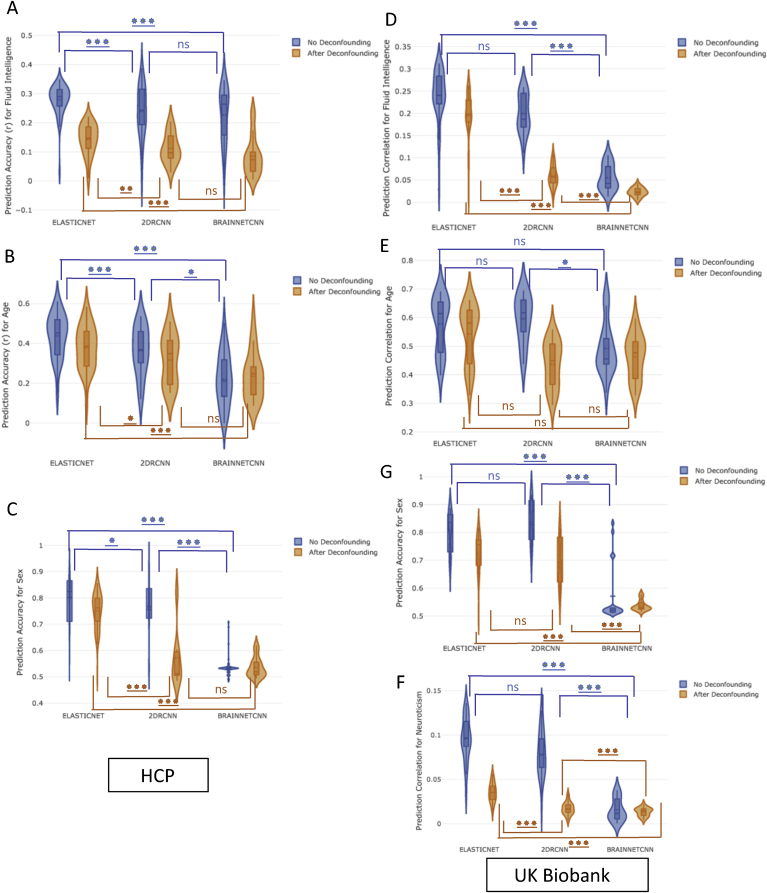
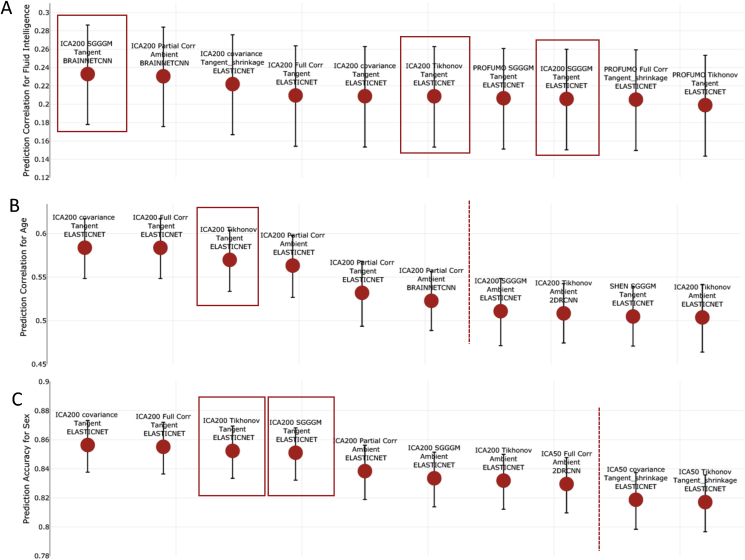
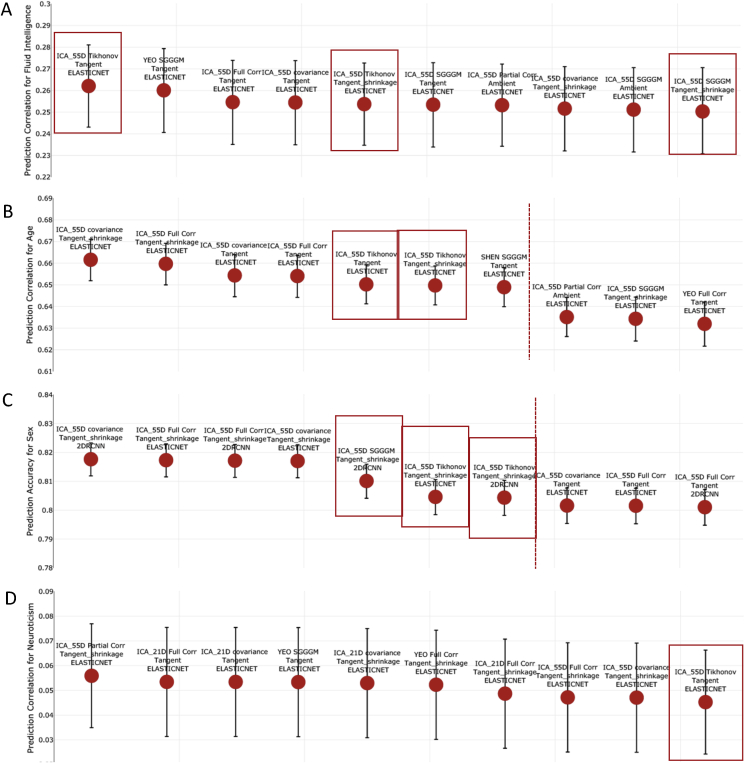
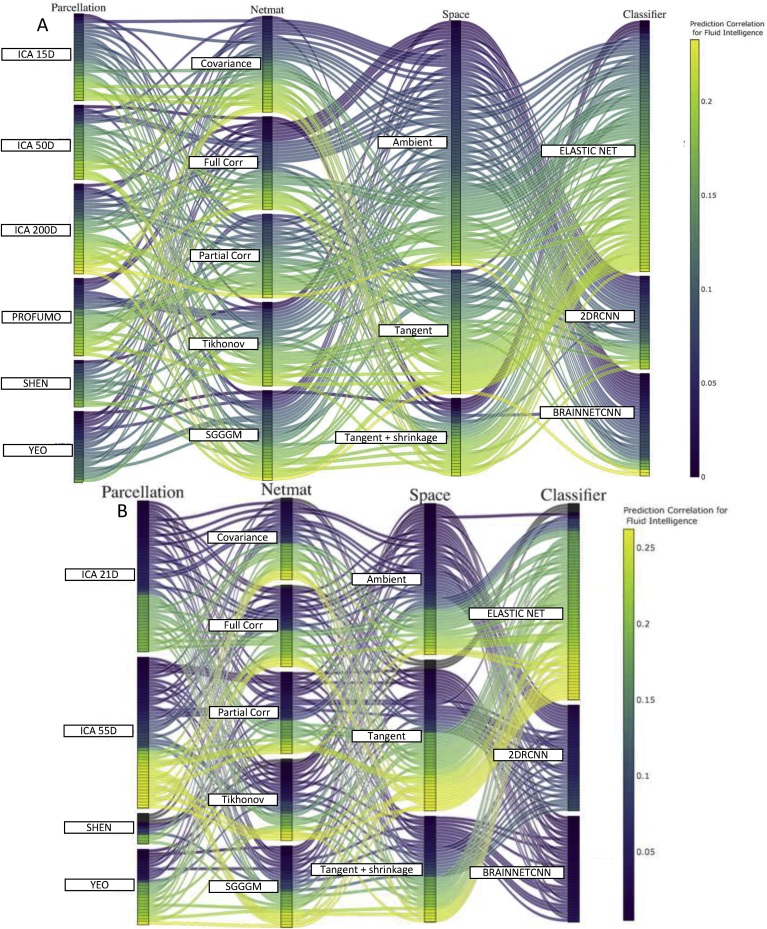
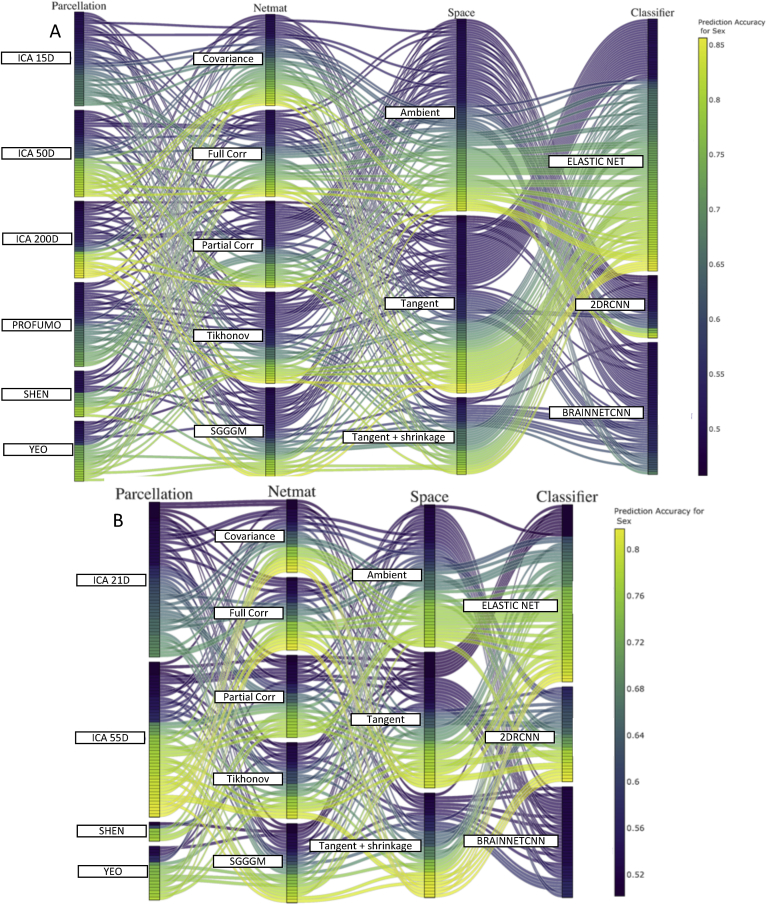
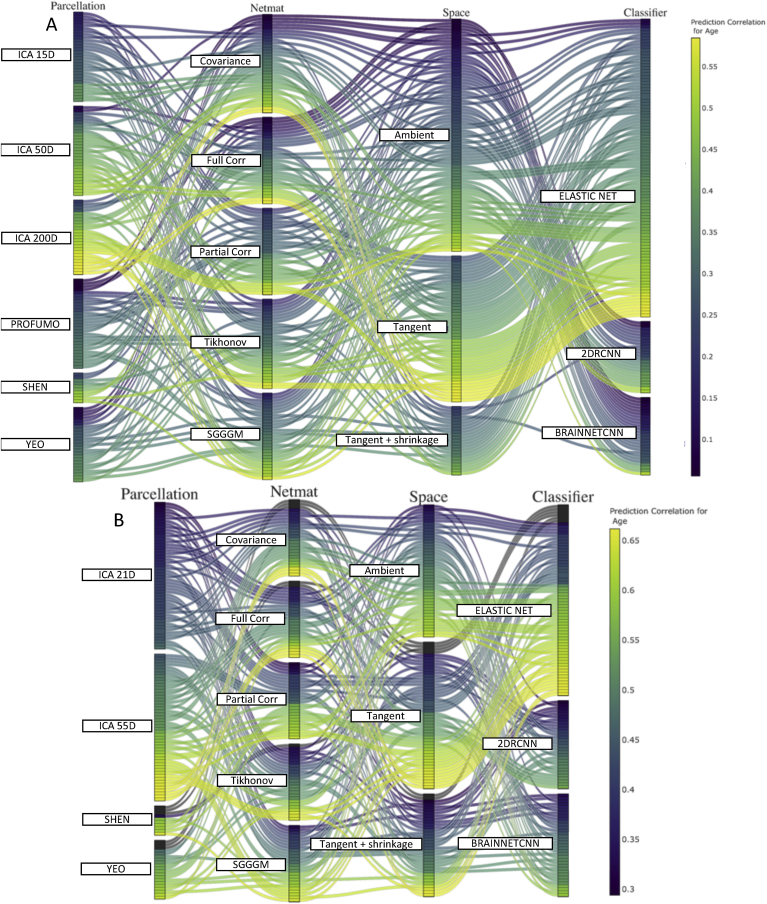
A major goal of neuroimaging studies is to develop predictive models to analyze the relationship between whole brain functional connectivity patterns and behavioural traits. However, there is no single widely-accepted standard pipeline for analyzing functional connectivity. The common procedure for designing functional connectivity based predictive models entails three main steps: parcellating the brain, estimating the interaction between defined parcels, and lastly, using these integrated associations between brain parcels as features fed to a classifier for predicting non-imaging variables e.g., behavioural traits, demographics, emotional measures, etc. There are also additional considerations when using correlation-based measures of functional connectivity, resulting in three supplementary steps: utilising Riemannian geometry tangent space parameterization to preserve the geometry of functional connectivity; penalizing the connectivity estimates with shrinkage approaches to handle challenges related to short time-series (and noisy) data; and removing confounding variables from brain-behaviour data. These six steps are contingent on each-other, and to optimise a general framework one should ideally examine these various methods simultaneously. In this paper, we investigated strengths and short-comings, both independently and jointly, of the following measures: parcellation techniques of four kinds (categorized further depending upon number of parcels), five measures of functional connectivity, the decision of staying in the ambient space of connectivity matrices or in tangent space, the choice of applying shrinkage estimators, six alternative techniques for handling confounds and finally four novel classifiers/predictors. For performance evaluation, we have selected two of the largest datasets, UK Biobank and the Human Connectome Project resting state fMRI data, and have run more than 9000 different pipeline variants on a total of ∼14000 individuals to determine the optimum pipeline. For independent performance validation, we have run some best-performing pipeline variants on ABIDE and ACPI datasets (∼1000 subjects) to evaluate the generalisability of proposed network modelling methods.
神经影像学研究的一个主要目标是开发预测模型,以分析全脑功能连接模式与行为特征之间的关系。然而,目前尚无单一被广泛接受的分析功能连接的标准流程。设计基于功能连接的预测模型的一般步骤包括三个主要环节:将大脑进行分割、估计已定义脑区之间的相互作用,最后,将这些脑区之间的综合关联作为特征输入分类器,以预测非成像变量,如行为特征、人口统计学信息、情绪指标等。在使用基于相关性的功能连接测量方法时,还需要额外考虑一些因素,从而产生了三个补充步骤:利用黎曼几何切空间参数化来保留功能连接的几何结构;采用收缩方法对连接估计值进行惩罚,以应对与短时间序列(及噪声)数据相关的挑战;从脑-行为数据中去除混杂变量。这六个步骤相互依存,为了优化一个通用框架,理想情况下应该同时审视这些不同的方法。在本文中,我们分别独立地以及联合起来研究了以下测量方法的优缺点:四种分割技术(根据脑区数量进一步分类)、五种功能连接测量方法、关于是留在连接矩阵的环境空间还是切空间的决策、应用收缩估计器的选择、六种处理混杂因素的替代技术,以及最后四种新型分类器/预测器。为了进行性能评估,我们选择了两个最大的数据集,即英国生物银行和人类连接组计划静息态功能磁共振成像数据,并在总共约14000名个体上运行了9000多个不同的流程变体,以确定最优流程。为了进行独立的性能验证,我们在ABIDE和ACPI数据集(约1000名受试者)上运行了一些性能最佳的流程变体,以评估所提出的网络建模方法的通用性。