Yang Ruixin, Yu Yingyan
Department of General Surgery of Ruijin Hospital, Shanghai Institute of Digestive Surgery and Shanghai Key Laboratory for Gastric Neoplasms, Shanghai Jiao Tong University School of Medicine, Shanghai, China.
Front Oncol. 2021 Mar 9;11:638182. doi: 10.3389/fonc.2021.638182. eCollection 2021.
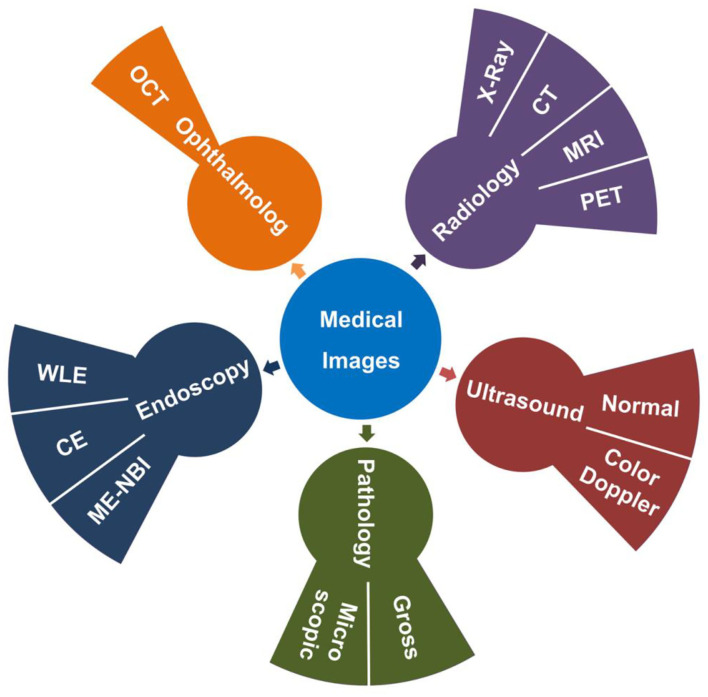
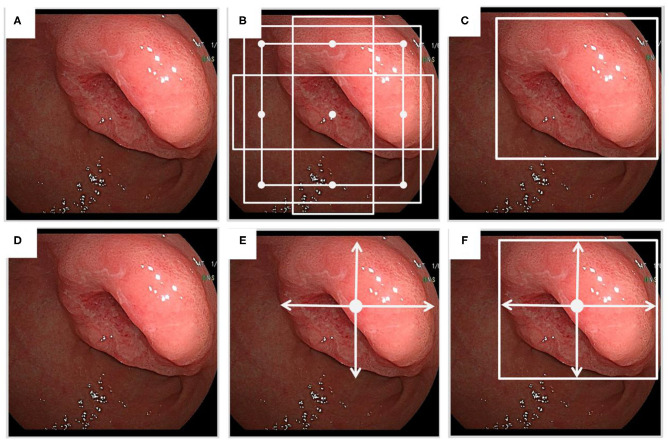
In the era of digital medicine, a vast number of medical images are produced every day. There is a great demand for intelligent equipment for adjuvant diagnosis to assist medical doctors with different disciplines. With the development of artificial intelligence, the algorithms of convolutional neural network (CNN) progressed rapidly. CNN and its extension algorithms play important roles on medical imaging classification, object detection, and semantic segmentation. While medical imaging classification has been widely reported, the object detection and semantic segmentation of imaging are rarely described. In this review article, we introduce the progression of object detection and semantic segmentation in medical imaging study. We also discuss how to accurately define the location and boundary of diseases.
在数字医学时代,每天都会产生大量的医学图像。对于辅助诊断的智能设备有着巨大需求,以协助不同学科的医生。随着人工智能的发展,卷积神经网络(CNN)算法进展迅速。CNN及其扩展算法在医学影像分类、目标检测和语义分割中发挥着重要作用。虽然医学影像分类已有广泛报道,但成像的目标检测和语义分割却鲜有描述。在这篇综述文章中,我们介绍了医学影像研究中目标检测和语义分割的进展情况。我们还讨论了如何准确界定疾病的位置和边界。