School of Mathematics and Computing (Mathematics), Yonsei University, Seoul, Korea.
Department of Mathematics, Inha University, Incheon, Korea.
PLoS One. 2021 Mar 29;16(3):e0249262. doi: 10.1371/journal.pone.0249262. eCollection 2021.
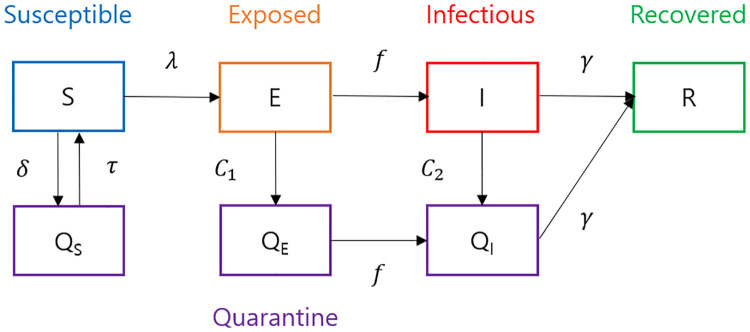
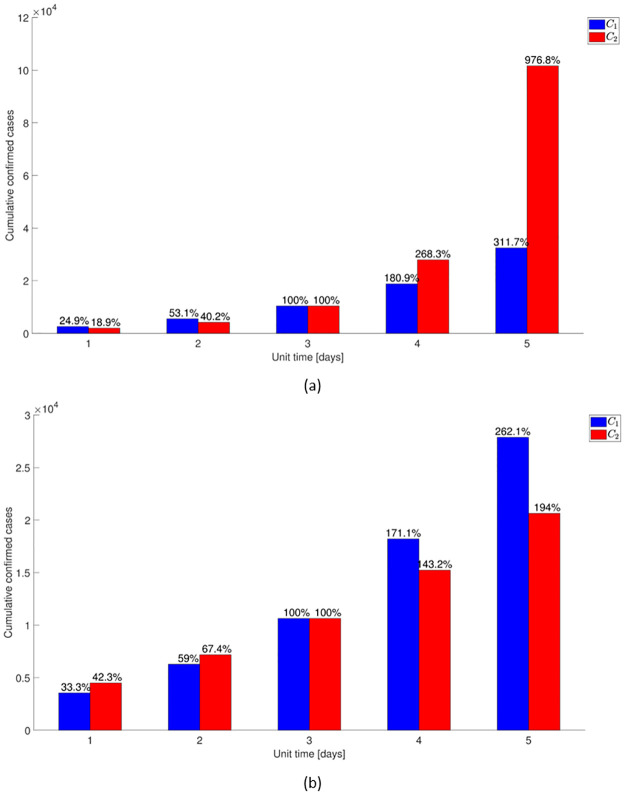
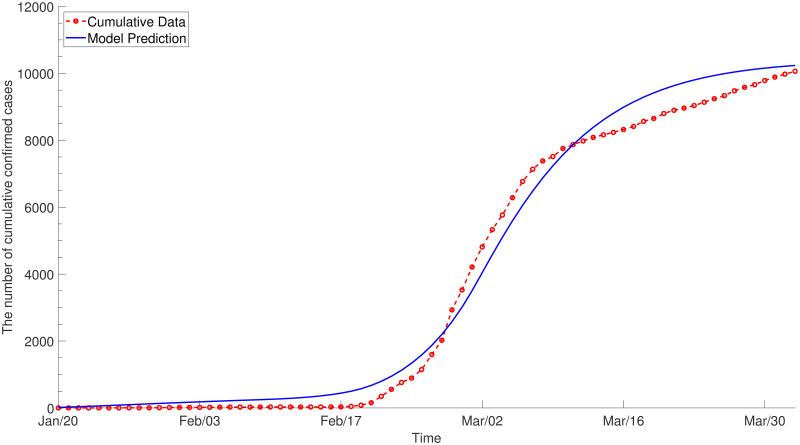
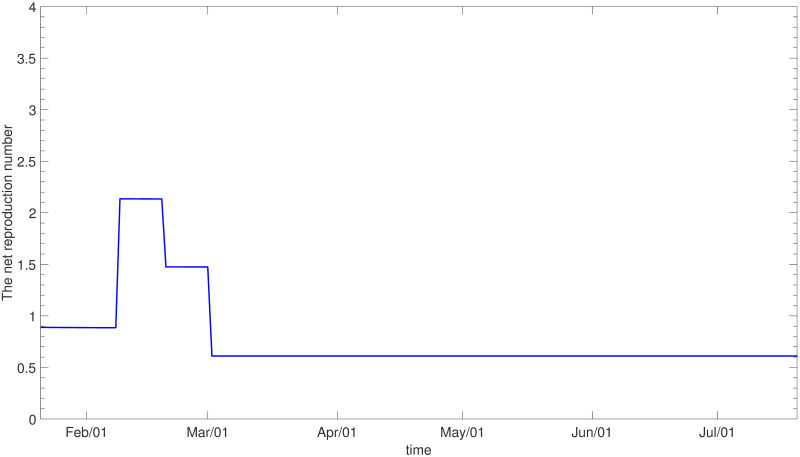
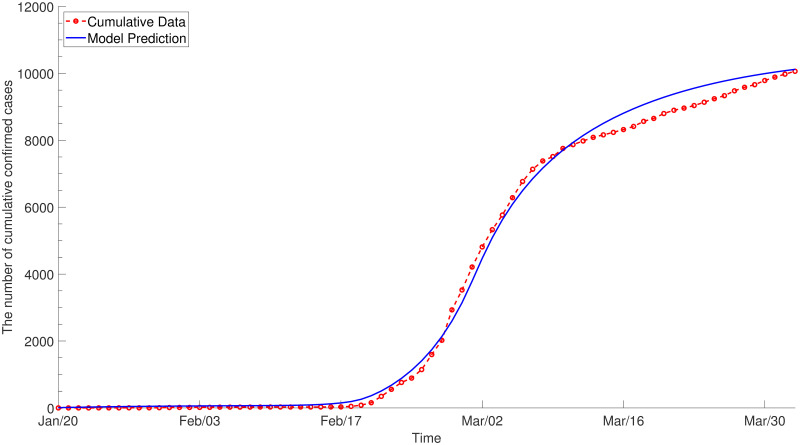
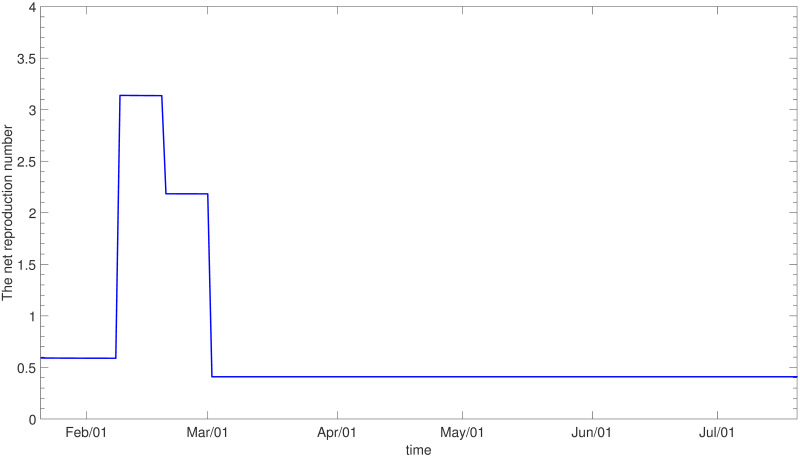
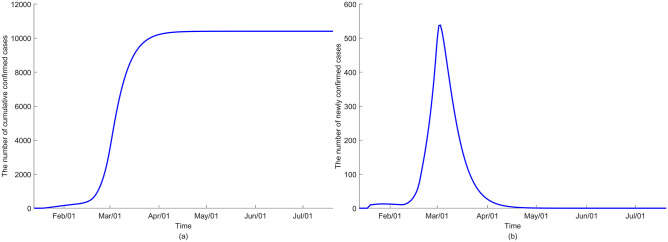
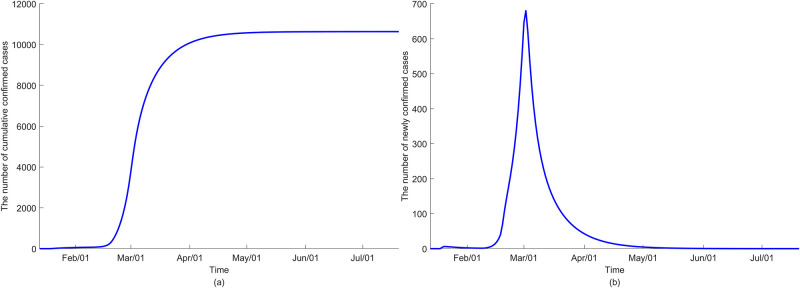
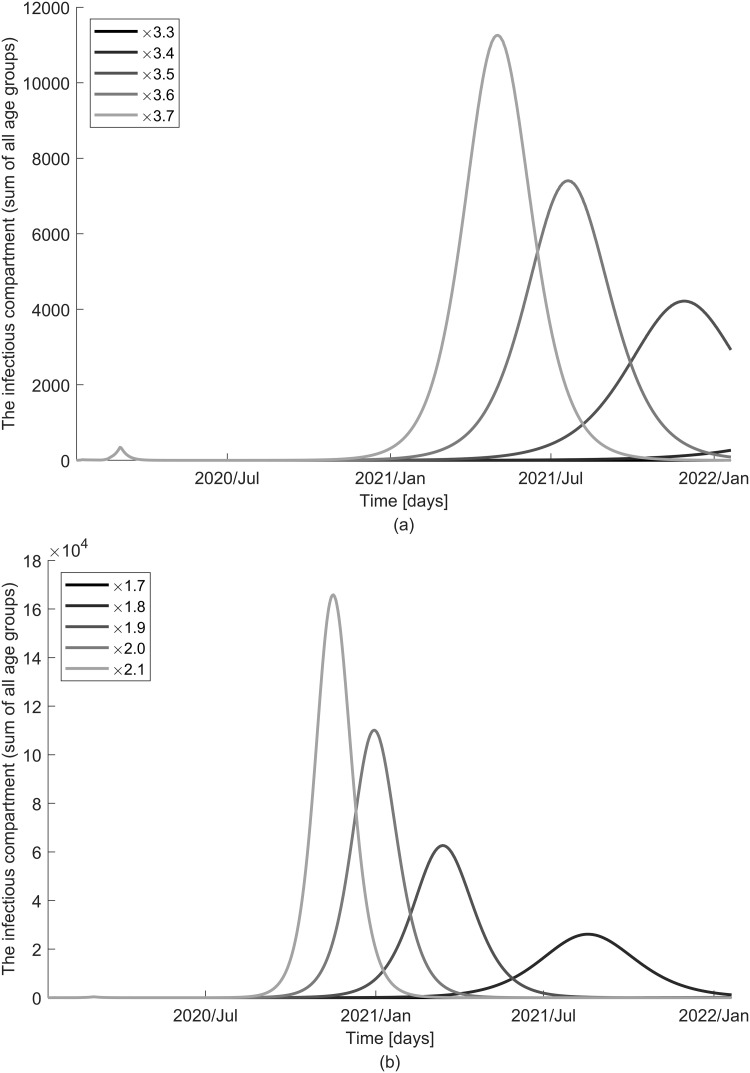
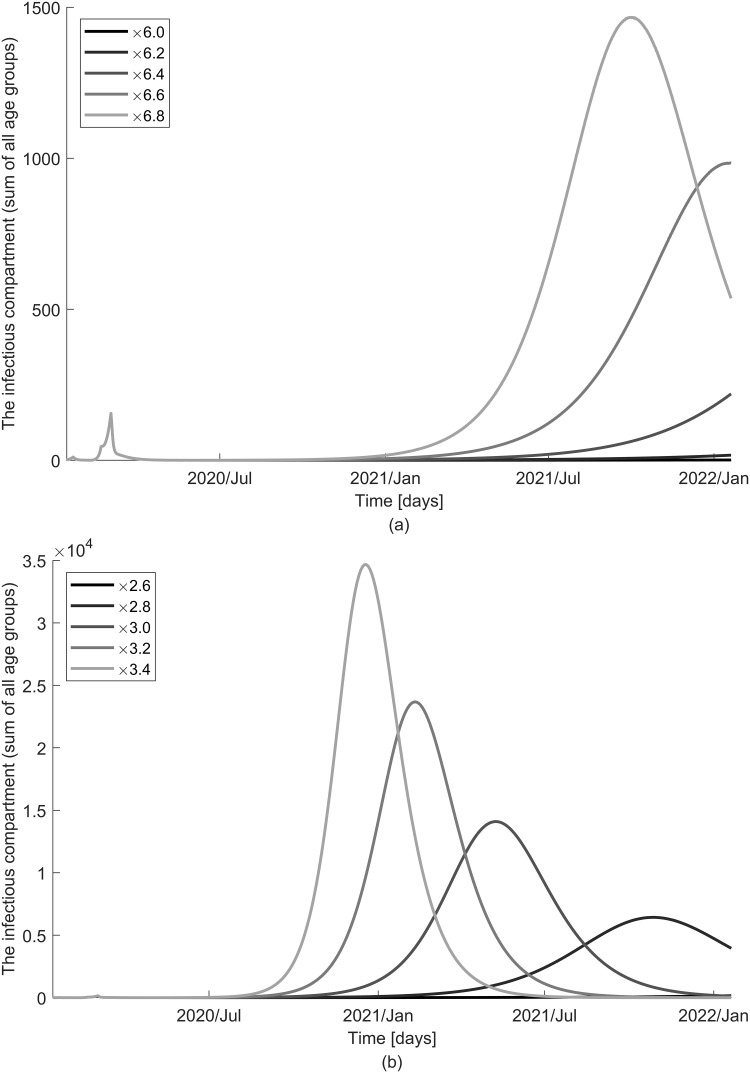
Countries around the world have taken control measures to mitigate the spread of COVID-19, including Korea. Social distancing is considered an essential strategy to reduce transmission in the absence of vaccination or treatment. While interventions have been successful in controlling COVID-19 in Korea, maintaining the current restrictions incurs great social costs. Thus, it is important to analyze the impact of different polices on the spread of the epidemic. To model the COVID-19 outbreak, we use an extended age-structured SEIR model with quarantine and isolation compartments. The model is calibrated to age-specific cumulative confirmed cases provided by the Korea Disease Control and Prevention Agency (KDCA). Four control measures-school closure, social distancing, quarantine, and isolation-are investigated. Because the infectiousness of the exposed has been controversial, we study two major scenarios, considering contributions to infection of the exposed, the quarantined, and the isolated. Assuming the transmission rate would increase more than 1.7 times after the end of social distancing, a second outbreak is expected in the first scenario. The epidemic threshold for increase of contacts between teenagers after school reopening is 3.3 times, which brings the net reproduction number to 1. The threshold values are higher in the second scenario. If the average time taken until isolation and quarantine reduces from three days to two, cumulative cases are reduced by 60% and 47% in the first scenario, respectively. Meanwhile, the reduction is 33% and 41%, respectively, for rapid isolation and quarantine in the second scenario. Without social distancing, a second wave is possible, irrespective of whether we assume risk of infection by the exposed. In the non-infectivity of the exposed scenario, early detection and isolation are significantly more effective than quarantine. Furthermore, quarantining the exposed is as important as isolating the infectious when we assume that the exposed also contribute to infection.
全球各国已采取控制措施来减轻 COVID-19 的传播,韩国也不例外。在没有疫苗或治疗方法的情况下,社交距离被认为是减少传播的重要策略。虽然干预措施在韩国成功地控制了 COVID-19,但维持当前的限制会带来巨大的社会成本。因此,分析不同政策对疫情传播的影响非常重要。为了对 COVID-19 疫情进行建模,我们使用带有检疫和隔离区的扩展年龄结构 SEIR 模型。该模型根据韩国疾病控制和预防机构(KDCA)提供的特定年龄累积确诊病例进行了校准。我们研究了四种控制措施,包括学校关闭、社交距离、检疫和隔离。由于接触者的传染性一直存在争议,我们研究了两种主要情况,考虑了接触者、被隔离者和被隔离者的感染对疫情传播的贡献。假设社交距离结束后,传染性增加超过 1.7 倍,预计会出现第二次疫情。在第一种情况下,青少年放学后复课,接触人数增加,其流行阈值为 3.3 倍,使净繁殖数达到 1。在第二种情况下,该阈值更高。如果隔离和检疫的平均时间从三天减少到两天,在第一种情况下,累计病例将分别减少 60%和 47%。同时,在第二种情况下快速隔离和检疫的减少幅度分别为 33%和 41%。如果没有社交距离,无论我们是否假设接触者的感染风险,都可能出现第二波疫情。在接触者不具传染性的情况下,早期发现和隔离比检疫更为有效。此外,当我们假设接触者也会导致感染时,对接触者进行检疫与对感染者进行隔离同样重要。