Riley Parand R, Narayan Roger J
Department of Materials Science and Engineering, Centennial Campus, North Carolina State University, Raleigh, NC, 27695-7907, USA.
Joint Department of Biomedical Engineering, Centennial Campus, North Carolina State University, Raleigh, NC, 27695-7115, USA.
Curr Opin Biomed Eng. 2021 Mar;17:100262. doi: 10.1016/j.cobme.2021.100262. Epub 2021 Jan 15.
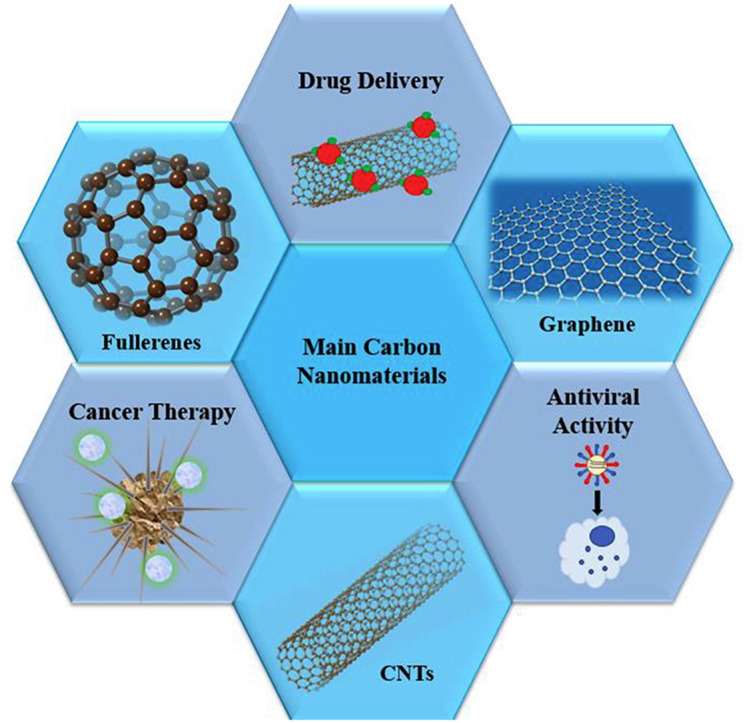
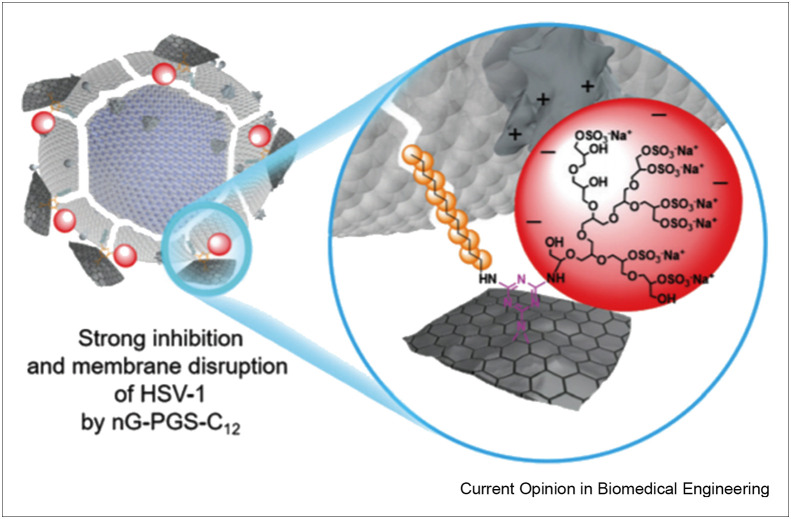
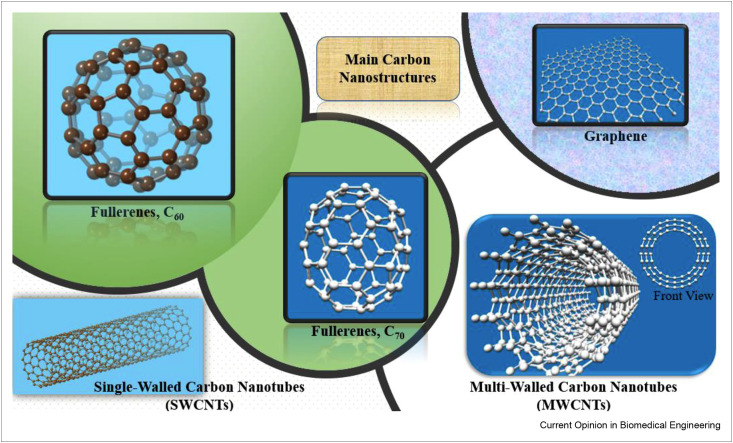
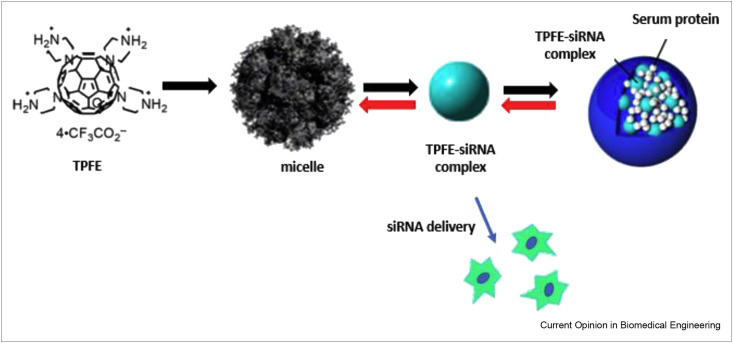
With the emergence of new pathogens like coronavirus disease 2019 and the prevalence of cancer as one of the leading causes of mortality globally, the effort to develop appropriate materials to address these challenges is a critical research area. Researchers around the world are investigating new types of materials and biological systems to fight against various diseases that affect humans and animals. Carbon nanostructures with their properties of straightforward functionalization, capability for drug loading, biocompatibility, and antiviral properties have become a major focus of biomedical researchers. However, reducing toxicity, enhancing biocompatibility, improving dispersibility, and enhancing water solubility have been challenging for carbon-based biomedical systems. The goal of this article is to provide a review on the latest progress involving the use of carbon nanostructures, namely fullerenes, graphene, and carbon nanotubes, for drug delivery, cancer therapy, and antiviral applications.
随着新型病原体如2019冠状病毒病的出现以及癌症作为全球主要死亡原因之一的普遍存在,开发合适材料以应对这些挑战的努力成为一个关键的研究领域。世界各地的研究人员正在研究新型材料和生物系统,以对抗影响人类和动物的各种疾病。具有直接功能化特性、载药能力、生物相容性和抗病毒特性的碳纳米结构已成为生物医学研究人员的主要关注点。然而,降低毒性、增强生物相容性、改善分散性和提高水溶性对基于碳的生物医学系统来说一直是具有挑战性的。本文的目的是综述碳纳米结构,即富勒烯、石墨烯和碳纳米管,在药物递送、癌症治疗和抗病毒应用方面的最新进展。