Alzubaidi Laith, Al-Amidie Muthana, Al-Asadi Ahmed, Humaidi Amjad J, Al-Shamma Omran, Fadhel Mohammed A, Zhang Jinglan, Santamaría J, Duan Ye
School of Computer Science, Queensland University of Technology, Brisbane, QLD 4000, Australia.
AlNidhal Campus, University of Information Technology & Communications, Baghdad 10001, Iraq.
Cancers (Basel). 2021 Mar 30;13(7):1590. doi: 10.3390/cancers13071590.
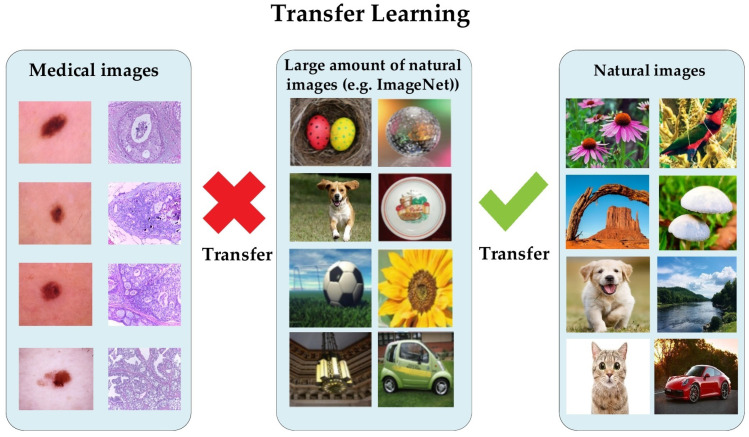
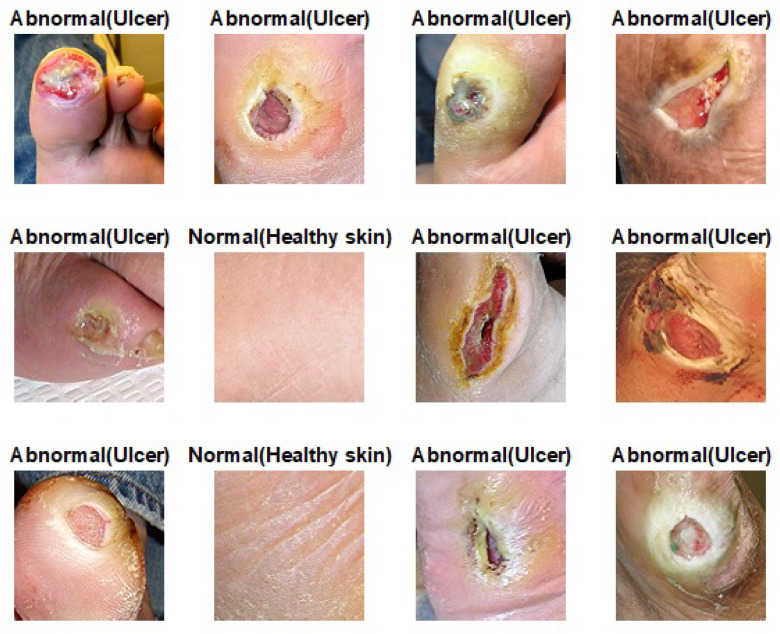
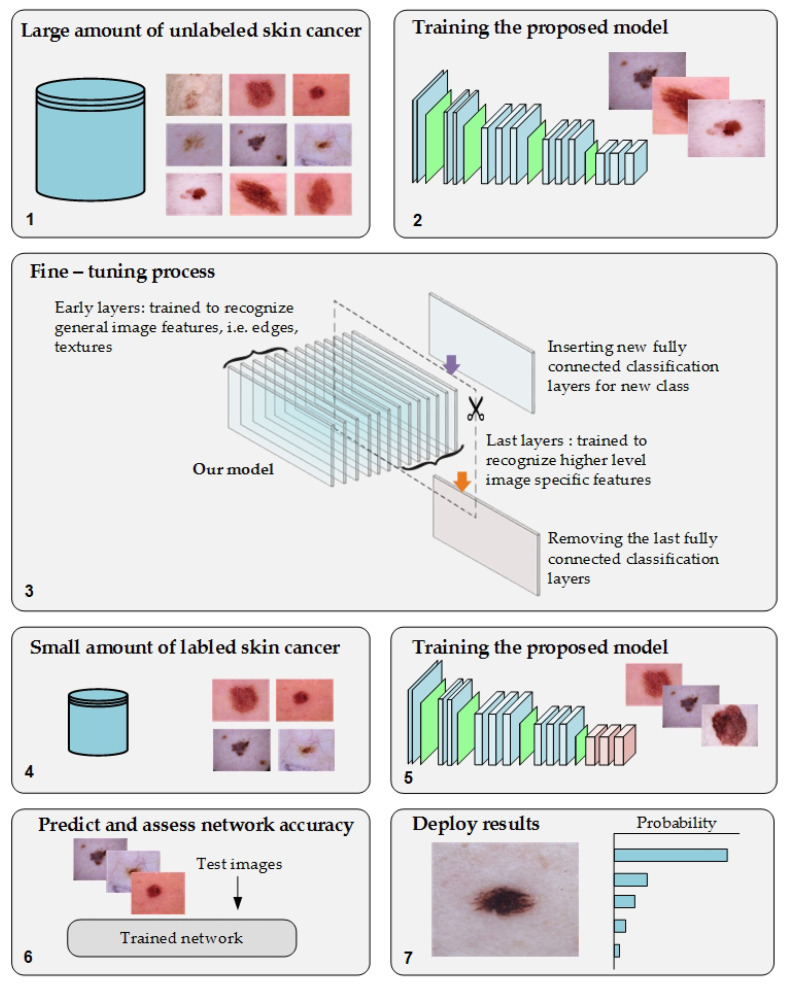
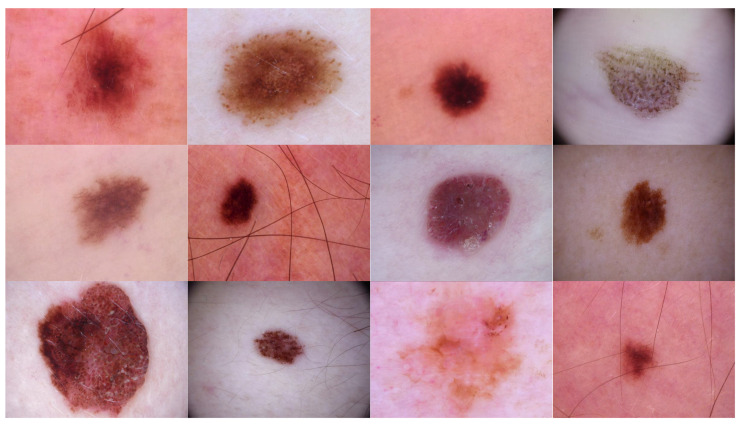
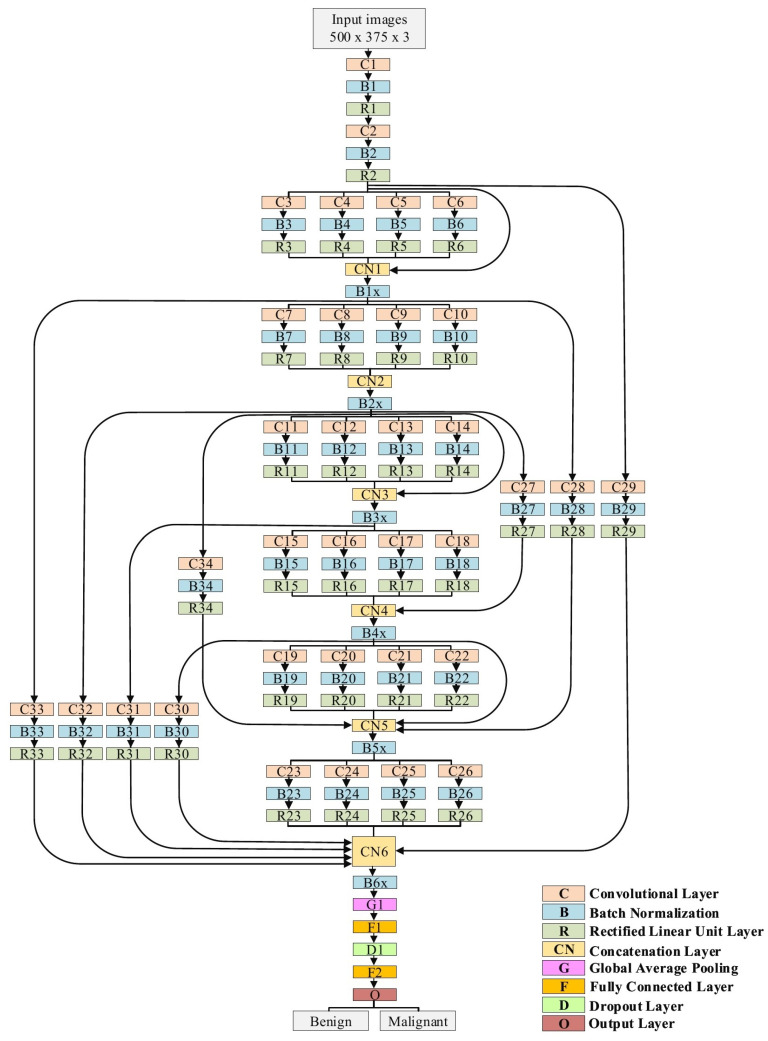
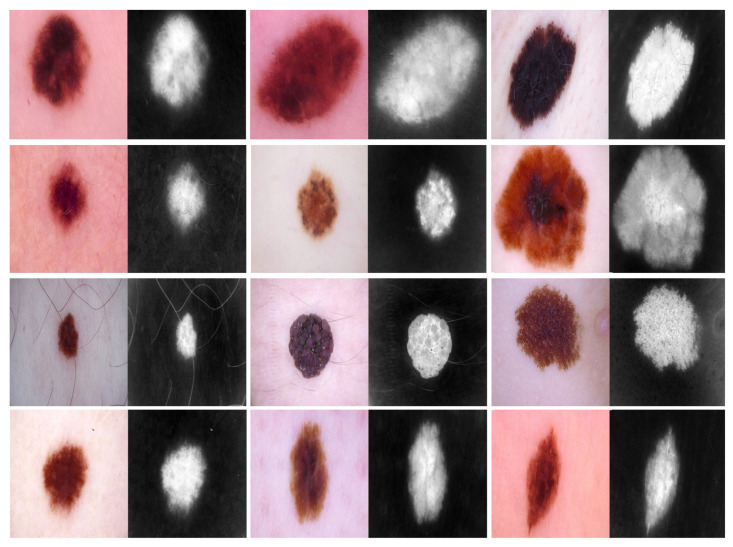
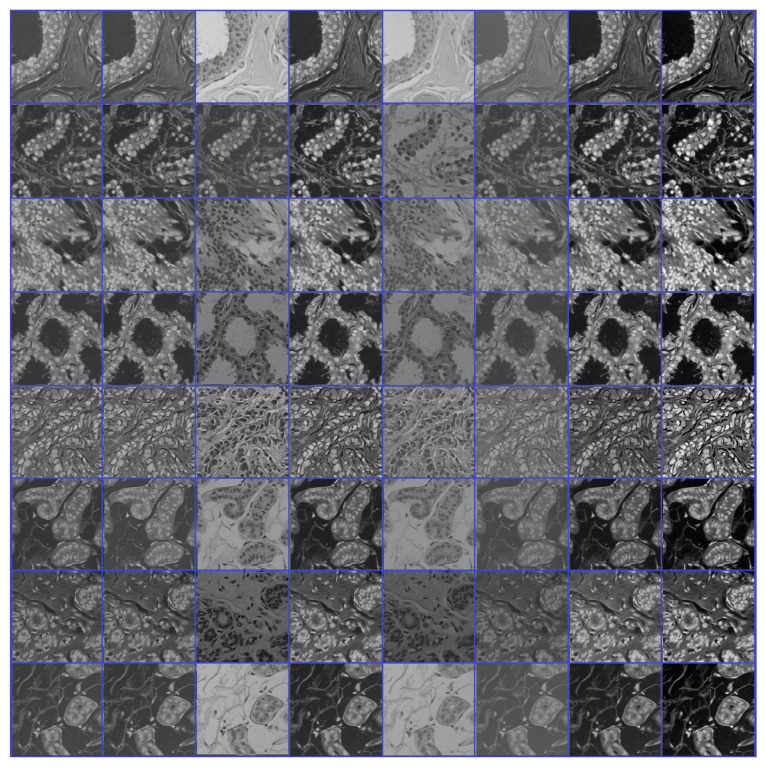
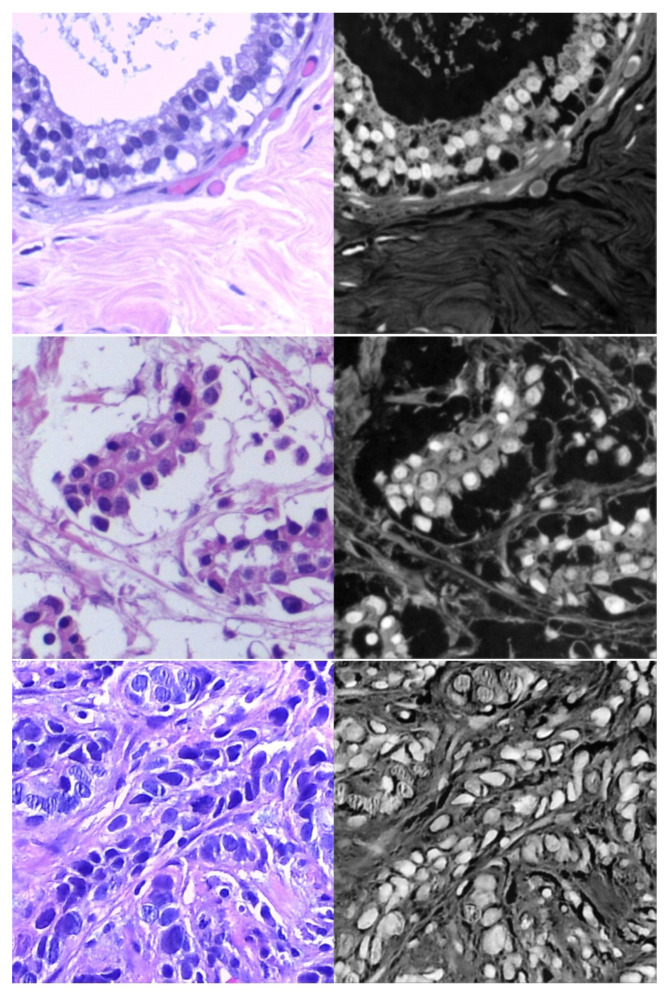
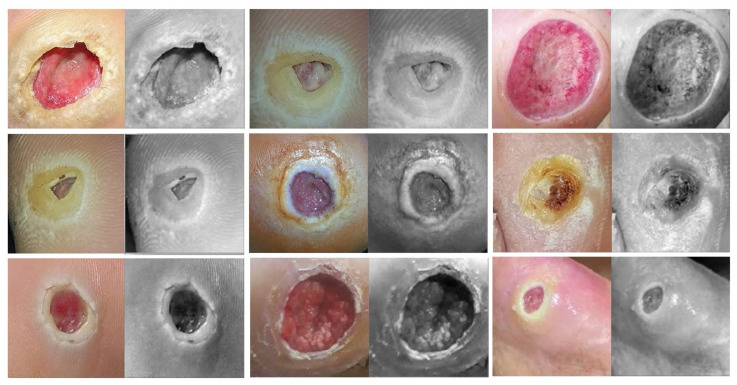
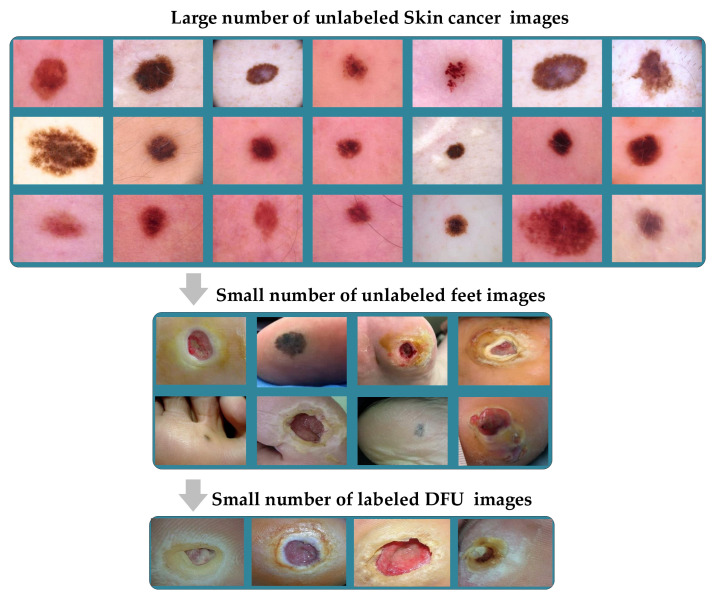
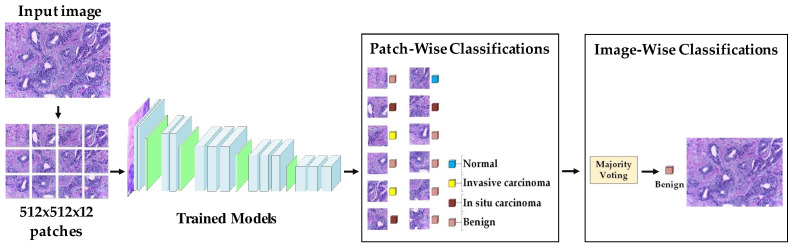
Deep learning requires a large amount of data to perform well. However, the field of medical image analysis suffers from a lack of sufficient data for training deep learning models. Moreover, medical images require manual labeling, usually provided by human annotators coming from various backgrounds. More importantly, the annotation process is time-consuming, expensive, and prone to errors. Transfer learning was introduced to reduce the need for the annotation process by transferring the deep learning models with knowledge from a previous task and then by fine-tuning them on a relatively small dataset of the current task. Most of the methods of medical image classification employ transfer learning from pretrained models, e.g., ImageNet, which has been proven to be ineffective. This is due to the mismatch in learned features between the natural image, e.g., ImageNet, and medical images. Additionally, it results in the utilization of deeply elaborated models. In this paper, we propose a novel transfer learning approach to overcome the previous drawbacks by means of training the deep learning model on large unlabeled medical image datasets and by next transferring the knowledge to train the deep learning model on the small amount of labeled medical images. Additionally, we propose a new deep convolutional neural network (DCNN) model that combines recent advancements in the field. We conducted several experiments on two challenging medical imaging scenarios dealing with skin and breast cancer classification tasks. According to the reported results, it has been empirically proven that the proposed approach can significantly improve the performance of both classification scenarios. In terms of skin cancer, the proposed model achieved an F1-score value of 89.09% when trained from scratch and 98.53% with the proposed approach. Secondly, it achieved an accuracy value of 85.29% and 97.51%, respectively, when trained from scratch and using the proposed approach in the case of the breast cancer scenario. Finally, we concluded that our method can possibly be applied to many medical imaging problems in which a substantial amount of unlabeled image data is available and the labeled image data is limited. Moreover, it can be utilized to improve the performance of medical imaging tasks in the same domain. To do so, we used the pretrained skin cancer model to train on feet skin to classify them into two classes-either normal or abnormal (diabetic foot ulcer (DFU)). It achieved an F1-score value of 86.0% when trained from scratch, 96.25% using transfer learning, and 99.25% using double-transfer learning.
深度学习需要大量数据才能表现良好。然而,医学图像分析领域缺乏足够的数据来训练深度学习模型。此外,医学图像需要人工标注,通常由来自不同背景的人类标注员提供。更重要的是,标注过程耗时、昂贵且容易出错。迁移学习被引入以减少标注过程的需求,方法是将深度学习模型与先前任务的知识进行迁移,然后在当前任务的相对小的数据集中对其进行微调。大多数医学图像分类方法采用从预训练模型(如ImageNet)进行迁移学习,但已证明这种方法无效。这是由于自然图像(如图像网)和医学图像之间学习到的特征不匹配。此外,这还导致了对深度复杂模型的利用。在本文中,我们提出了一种新颖的迁移学习方法,通过在大量未标注的医学图像数据集上训练深度学习模型,然后将知识迁移到在少量标注的医学图像上训练深度学习模型,以克服先前的缺点。此外,我们提出了一种结合该领域最新进展的新型深度卷积神经网络(DCNN)模型。我们针对处理皮肤癌和乳腺癌分类任务的两个具有挑战性的医学成像场景进行了多项实验。根据报告的结果,经验证所提出的方法可以显著提高两种分类场景的性能。在皮肤癌方面,所提出的模型从零开始训练时F1分数值为89.09%,使用所提出的方法时为98.53%。其次,在乳腺癌场景中,从零开始训练和使用所提出的方法时,其准确率分别为85.29%和97.51%。最后,我们得出结论,我们的方法可能适用于许多医学成像问题,其中有大量未标注的图像数据且标注的图像数据有限。此外,它可用于提高同一领域医学成像任务的性能。为此,我们使用预训练的皮肤癌模型在足部皮肤数据上进行训练,将其分为两类——正常或异常(糖尿病足溃疡(DFU))。从零开始训练时它的F1分数值为86.0%,使用迁移学习时为96.25%,使用双重迁移学习时为99.25%。