Rienth Markus, Vigneron Nicolas, Darriet Philippe, Sweetman Crystal, Burbidge Crista, Bonghi Claudio, Walker Robert Peter, Famiani Franco, Castellarin Simone Diego
Changins College for Viticulture and Oenology, University of Sciences and Art Western Switzerland, Nyon, Switzerland.
Unité de recherche Œnologie EA 4577, USC 1366 INRAE, Bordeaux, France.
Front Plant Sci. 2021 Mar 22;12:643258. doi: 10.3389/fpls.2021.643258. eCollection 2021.
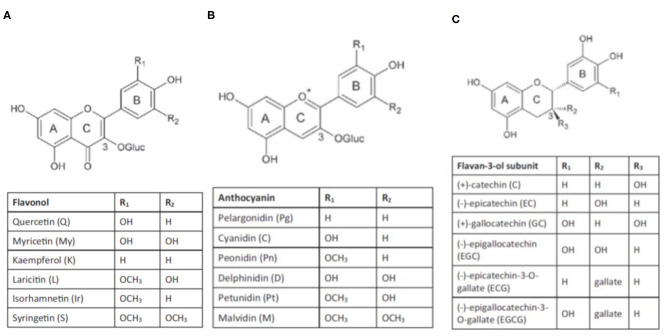
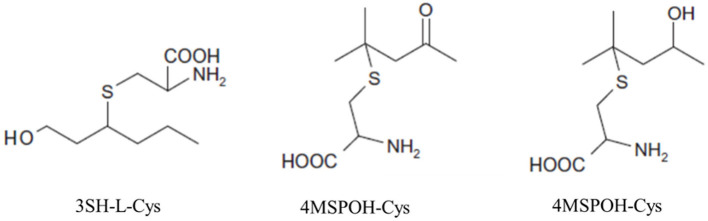
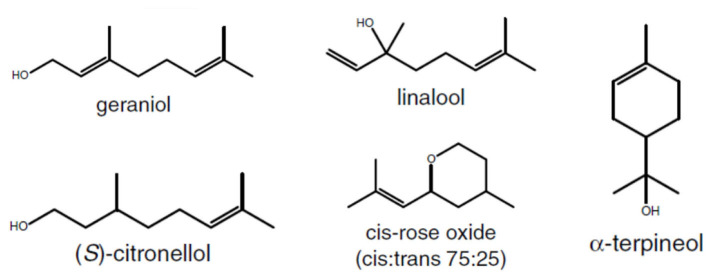
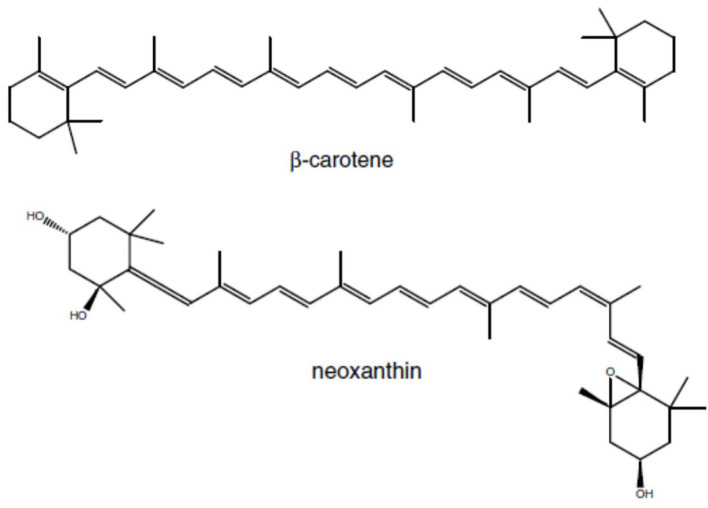
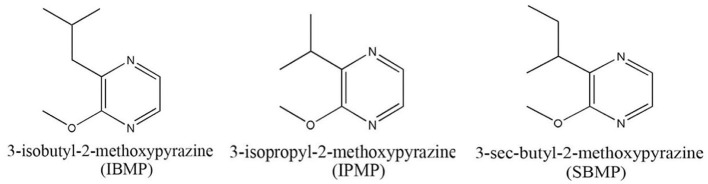
Temperature, water, solar radiation, and atmospheric CO concentration are the main abiotic factors that are changing in the course of global warming. These abiotic factors govern the synthesis and degradation of primary (sugars, amino acids, organic acids, etc.) and secondary (phenolic and volatile flavor compounds and their precursors) metabolites directly, via the regulation of their biosynthetic pathways, or indirectly, via their effects on vine physiology and phenology. Several hundred secondary metabolites have been identified in the grape berry. Their biosynthesis and degradation have been characterized and have been shown to occur during different developmental stages of the berry. The understanding of how the different abiotic factors modulate secondary metabolism and thus berry quality is of crucial importance for breeders and growers to develop plant material and viticultural practices to maintain high-quality fruit and wine production in the context of global warming. Here, we review the main secondary metabolites of the grape berry, their biosynthesis, and how their accumulation and degradation is influenced by abiotic factors. The first part of the review provides an update on structure, biosynthesis, and degradation of phenolic compounds (flavonoids and non-flavonoids) and major aroma compounds (terpenes, thiols, methoxypyrazines, and C13 norisoprenoids). The second part gives an update on the influence of abiotic factors, such as water availability, temperature, radiation, and CO concentration, on berry secondary metabolism. At the end of the paper, we raise some critical questions regarding intracluster berry heterogeneity and dilution effects and how the sampling strategy can impact the outcome of studies on the grapevine berry response to abiotic factors.
温度、水分、太阳辐射和大气二氧化碳浓度是全球变暖过程中正在发生变化的主要非生物因素。这些非生物因素直接通过调节初级代谢物(糖类、氨基酸、有机酸等)和次级代谢物(酚类和挥发性风味化合物及其前体)的生物合成途径,或间接通过对葡萄生理和物候的影响,来控制它们的合成与降解。葡萄浆果中已鉴定出数百种次级代谢物。它们的生物合成和降解特性已得到表征,并且已证明在浆果的不同发育阶段发生。了解不同的非生物因素如何调节次级代谢进而影响浆果品质,对于育种者和种植者开发植物材料和葡萄栽培实践以在全球变暖背景下维持高质量水果和葡萄酒生产至关重要。在此,我们综述葡萄浆果的主要次级代谢物、它们的生物合成,以及非生物因素如何影响它们的积累和降解。综述的第一部分提供了酚类化合物(黄酮类和非黄酮类)和主要香气化合物(萜类、硫醇、甲氧基吡嗪和C13类异戊二烯)的结构、生物合成和降解的最新信息。第二部分介绍了非生物因素,如水有效性、温度、辐射和二氧化碳浓度对浆果次级代谢的影响。在本文结尾,我们提出了一些关于果穗内浆果异质性和稀释效应的关键问题,以及采样策略如何影响葡萄浆果对非生物因素响应研究的结果。