Department of Electrical Engineering, Jadavpur University, Kolkata, 700032, India.
Department of Computer Science and Engineering, Jadavpur University, Kolkata, 700032, India.
Sci Rep. 2021 Apr 15;11(1):8304. doi: 10.1038/s41598-021-87523-1.
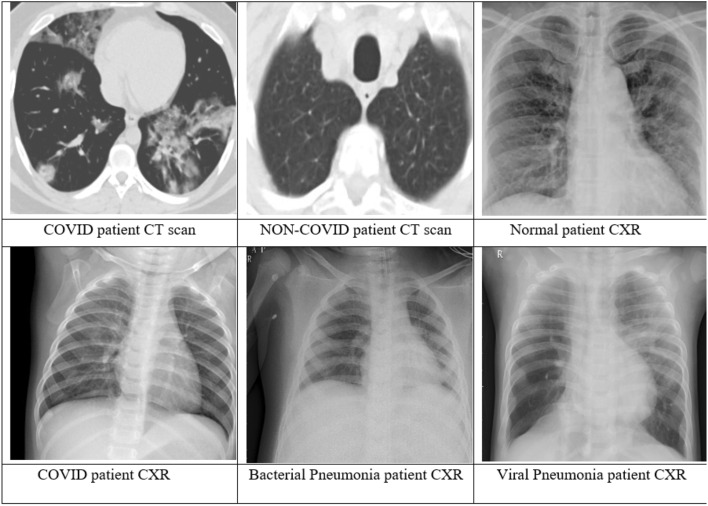
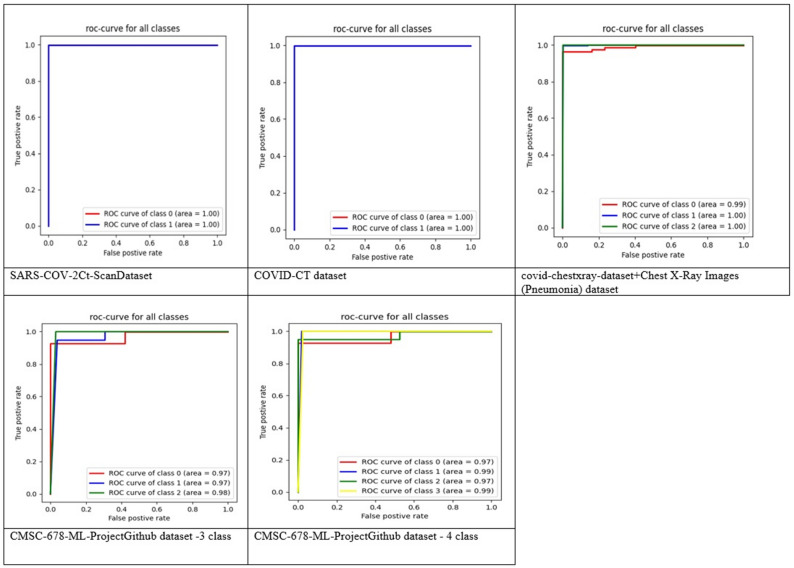
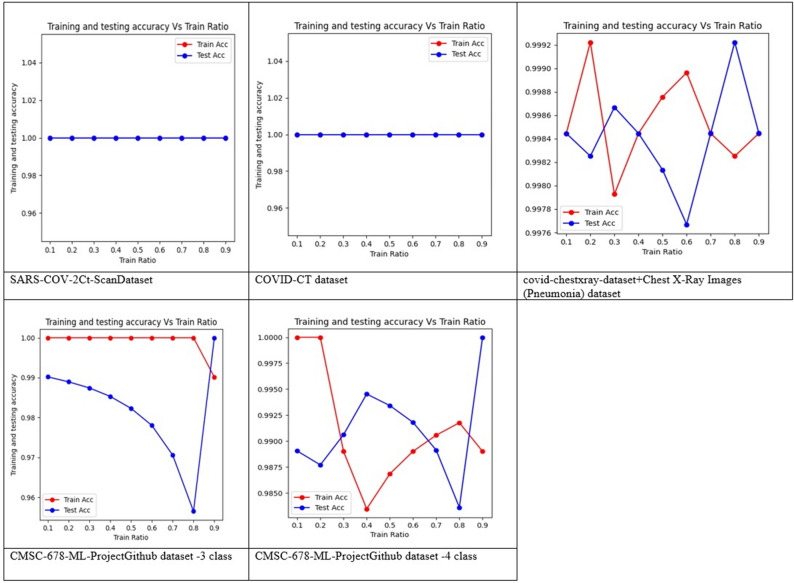
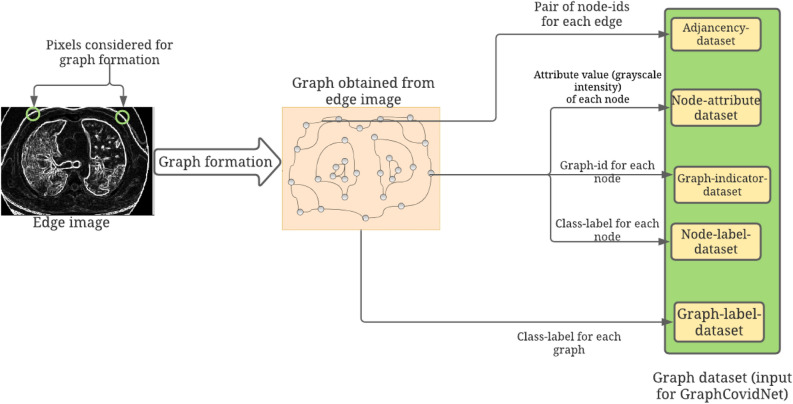
COVID-19, a viral infection originated from Wuhan, China has spread across the world and it has currently affected over 115 million people. Although vaccination process has already started, reaching sufficient availability will take time. Considering the impact of this widespread disease, many research attempts have been made by the computer scientists to screen the COVID-19 from Chest X-Rays (CXRs) or Computed Tomography (CT) scans. To this end, we have proposed GraphCovidNet, a Graph Isomorphic Network (GIN) based model which is used to detect COVID-19 from CT-scans and CXRs of the affected patients. Our proposed model only accepts input data in the form of graph as we follow a GIN based architecture. Initially, pre-processing is performed to convert an image data into an undirected graph to consider only the edges instead of the whole image. Our proposed GraphCovidNet model is evaluated on four standard datasets: SARS-COV-2 Ct-Scan dataset, COVID-CT dataset, combination of covid-chestxray-dataset, Chest X-Ray Images (Pneumonia) dataset and CMSC-678-ML-Project dataset. The model shows an impressive accuracy of 99% for all the datasets and its prediction capability becomes 100% accurate for the binary classification problem of detecting COVID-19 scans. Source code of this work can be found at GitHub-link .
COVID-19,一种源自中国武汉的病毒感染,已经在全球范围内传播,目前已经影响了超过 1.15 亿人。尽管疫苗接种已经开始,但要达到足够的供应量还需要时间。考虑到这种广泛疾病的影响,计算机科学家们已经做出了许多研究尝试,通过胸部 X 光(CXR)或计算机断层扫描(CT)扫描来筛选 COVID-19。为此,我们提出了 GraphCovidNet,这是一种基于图同构网络(GIN)的模型,用于从受影响患者的 CT 扫描和 CXR 中检测 COVID-19。我们提出的模型仅接受图形形式的输入数据,因为我们遵循基于 GIN 的架构。最初,进行预处理以将图像数据转换为无向图,仅考虑边缘而不是整个图像。我们提出的 GraphCovidNet 模型在四个标准数据集上进行了评估:SARS-COV-2 Ct-Scan 数据集、COVID-CT 数据集、covid-chestxray-dataset 的组合、Chest X-Ray Images (Pneumonia) 数据集和 CMSC-678-ML-Project 数据集。该模型在所有数据集上的准确率达到 99%,对于检测 COVID-19 扫描的二进制分类问题,其预测能力达到 100%的准确率。这项工作的源代码可以在 GitHub 链接上找到。