Department of Fundamental Neurosciences, University of Lausanne, Lausanne, Switzerland.
Department of Biomedical Sciences, University of Lausanne, Lausanne, Switzerland.
Front Endocrinol (Lausanne). 2021 May 10;12:670719. doi: 10.3389/fendo.2021.670719. eCollection 2021.
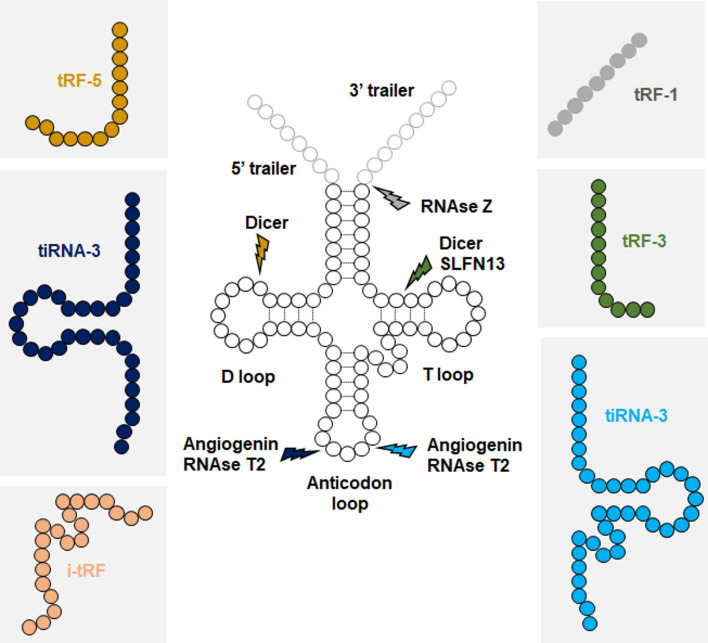
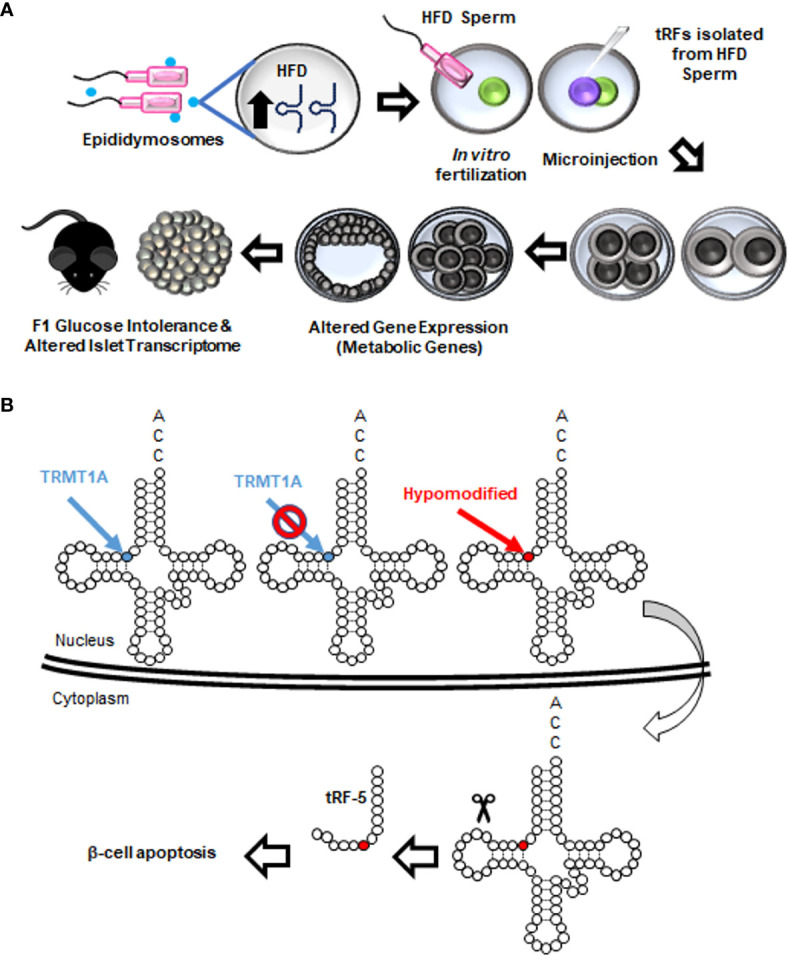
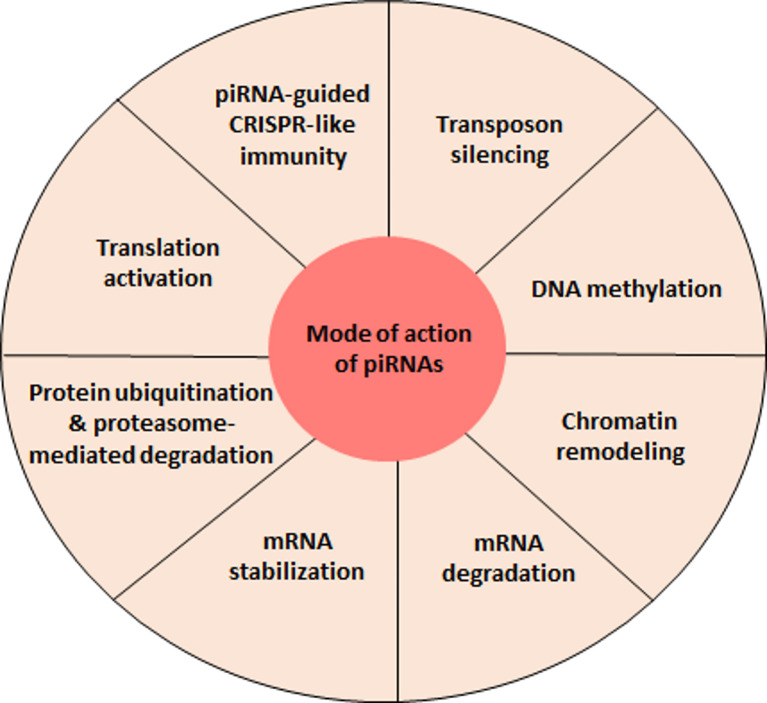
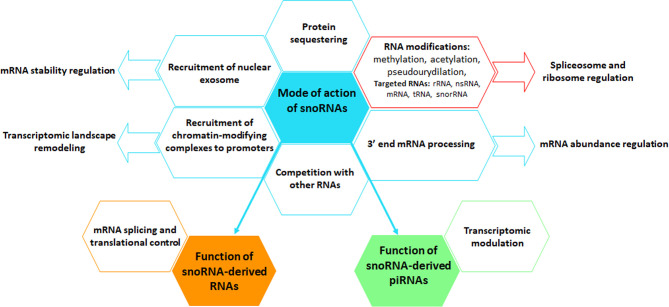
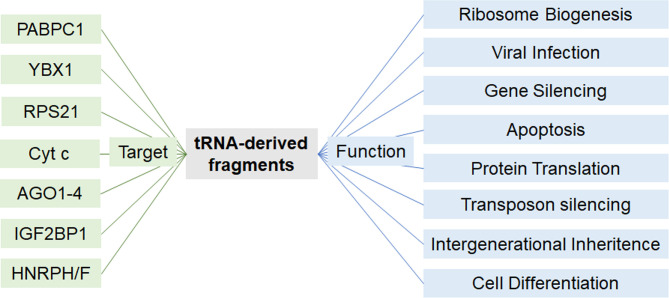
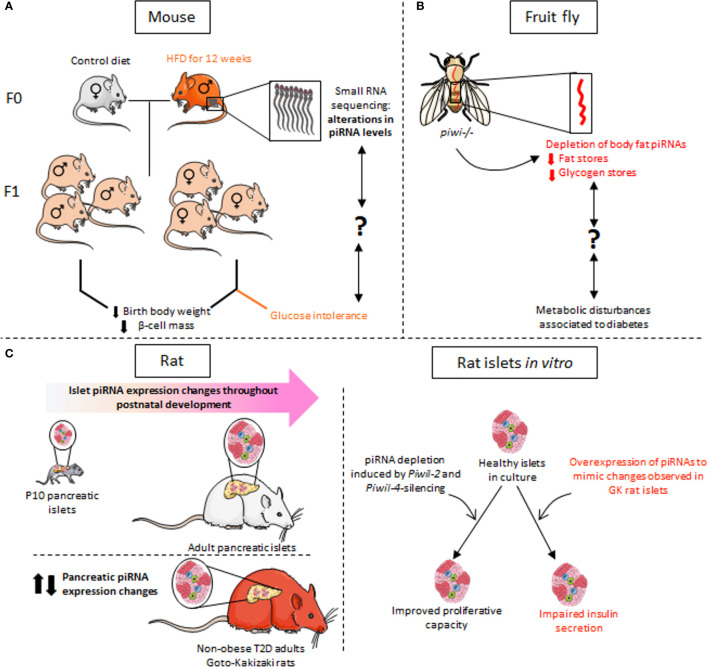
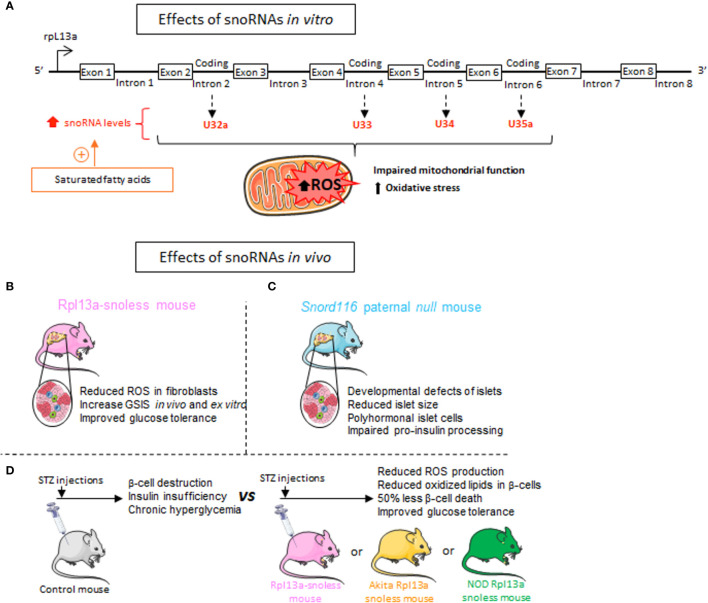
Most of the sequences in the human genome do not code for proteins but generate thousands of non-coding RNAs (ncRNAs) with regulatory functions. High-throughput sequencing technologies and bioinformatic tools significantly expanded our knowledge about ncRNAs, highlighting their key role in gene regulatory networks, through their capacity to interact with coding and non-coding RNAs, DNAs and proteins. NcRNAs comprise diverse RNA species, including amongst others PIWI-interacting RNAs (piRNAs), involved in transposon silencing, and small nucleolar RNAs (snoRNAs), which participate in the modification of other RNAs such as ribosomal RNAs and transfer RNAs. Recently, a novel class of small ncRNAs generated from the cleavage of tRNAs or pre-tRNAs, called tRNA-derived small RNAs (tRFs) has been identified. tRFs have been suggested to regulate protein translation, RNA silencing and cell survival. While for other ncRNAs an implication in several pathologies is now well established, the potential involvement of piRNAs, snoRNAs and tRFs in human diseases, including diabetes, is only beginning to emerge. In this review, we summarize fundamental aspects of piRNAs, snoRNAs and tRFs biology. We discuss their biogenesis while emphasizing on novel sequencing technologies that allow ncRNA discovery and annotation. Moreover, we give an overview of genomic approaches to decrypt their mechanisms of action and to study their functional relevance. The review will provide a comprehensive landscape of the regulatory roles of these three types of ncRNAs in metabolic disorders by reporting their differential expression in endocrine pancreatic tissue as well as their contribution to diabetes incidence and diabetes-underlying conditions such as inflammation. Based on these discoveries we discuss the potential use of piRNAs, snoRNAs and tRFs as promising therapeutic targets in metabolic disorders.
人类基因组中的大多数序列不编码蛋白质,但能生成具有调节功能的数千种非编码 RNA(ncRNA)。高通量测序技术和生物信息学工具极大地扩展了我们对 ncRNA 的认识,强调了它们在基因调控网络中的关键作用,因为它们能够与编码和非编码 RNA、DNA 和蛋白质相互作用。ncRNA 包括多种 RNA 物种,包括 PIWI 相互作用 RNA(piRNA),参与转座子沉默,以及小核仁 RNA(snoRNA),它们参与其他 RNA(如核糖体 RNA 和转移 RNA)的修饰。最近,从 tRNA 或 pre-tRNA 的切割中产生的一类新型小 ncRNA,称为 tRNA 衍生的小 RNA(tRFs)已被鉴定出来。tRFs 被认为可以调节蛋白质翻译、RNA 沉默和细胞存活。虽然其他 ncRNA 在几种病理学中的作用已经得到很好的证实,但 piRNA、snoRNA 和 tRF 在人类疾病中的潜在作用,包括糖尿病,才刚刚开始显现。在这篇综述中,我们总结了 piRNA、snoRNA 和 tRF 的生物学基本方面。我们讨论了它们的生物发生,同时强调了允许 ncRNA 发现和注释的新型测序技术。此外,我们概述了基因组方法来解密它们的作用机制并研究它们的功能相关性。该综述将通过报告这些 ncRNA 在胰岛组织中的差异表达以及它们对糖尿病发病和糖尿病相关条件(如炎症)的贡献,全面概述这三种 ncRNA 在代谢紊乱中的调节作用。基于这些发现,我们讨论了 piRNA、snoRNA 和 tRF 作为代谢紊乱有前途的治疗靶点的潜在用途。