Department of Microbial Pathogenicity Mechanisms, Hans Knoell Institute, Jena, Germany.
Barcelona Supercomputing Centre (BSC-CNS), Barcelona, Spain.
mBio. 2021 Jun 29;12(3):e0112821. doi: 10.1128/mBio.01128-21. Epub 2021 Jun 1.
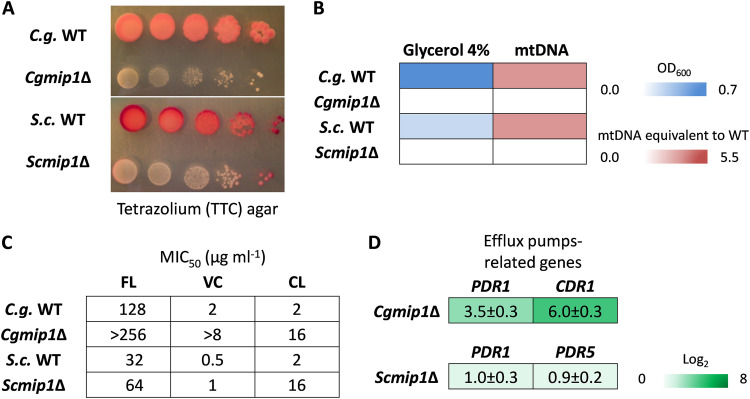
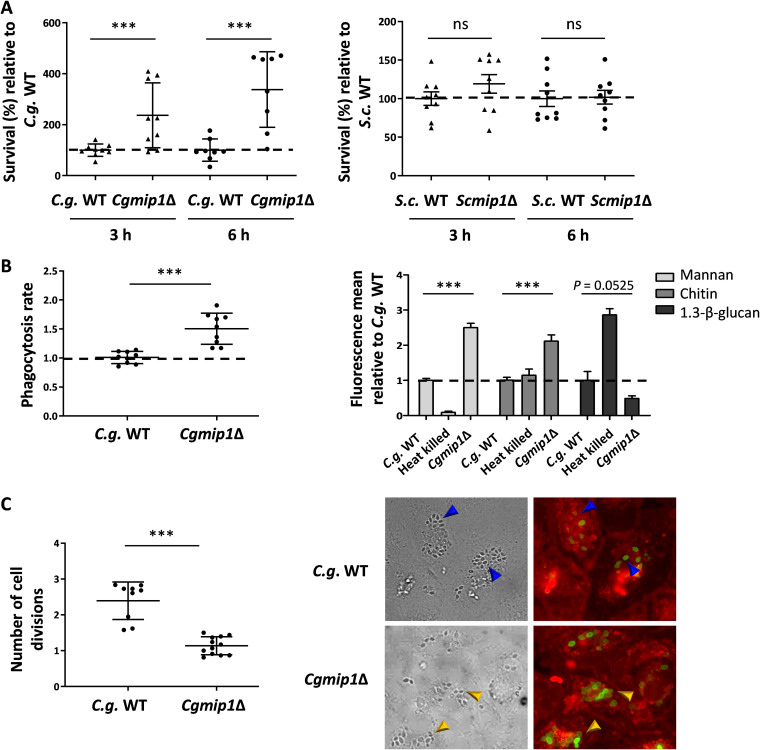
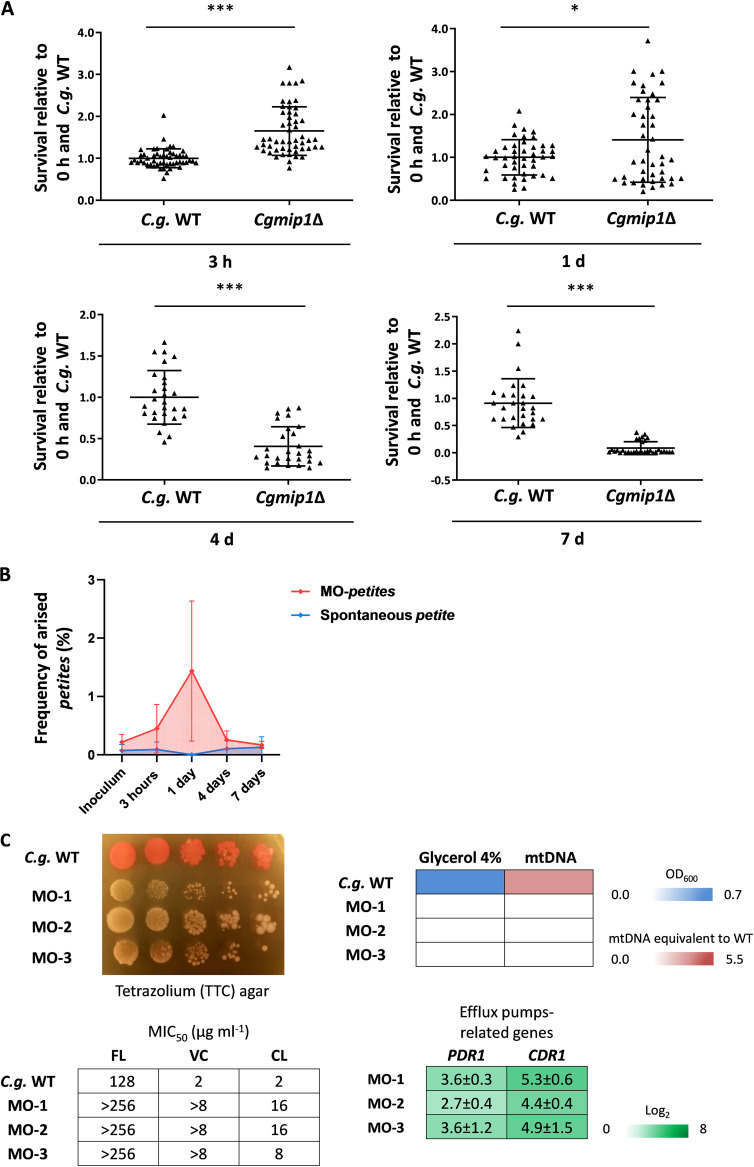
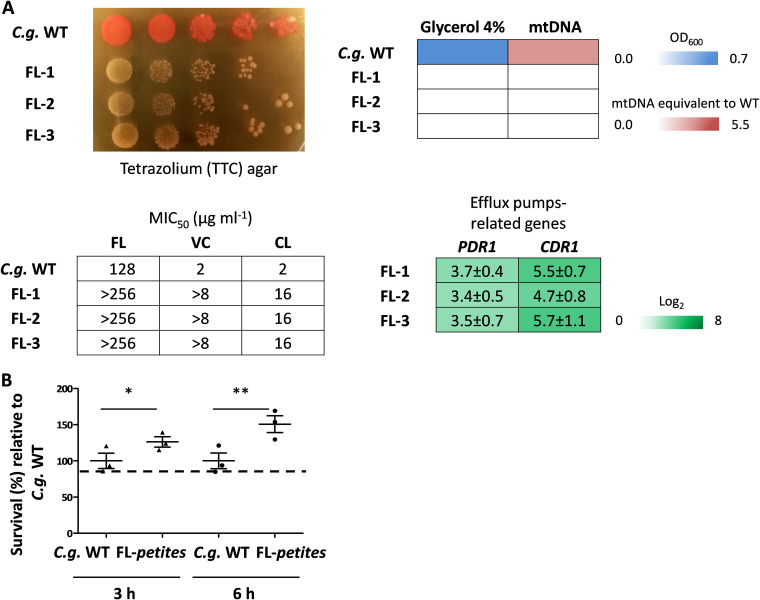
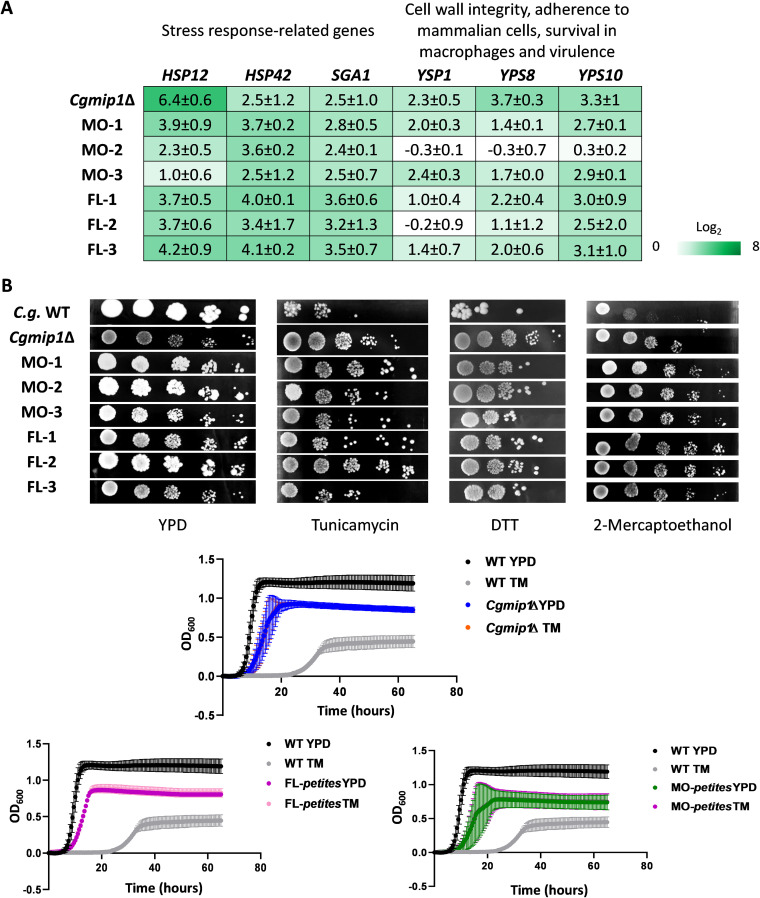
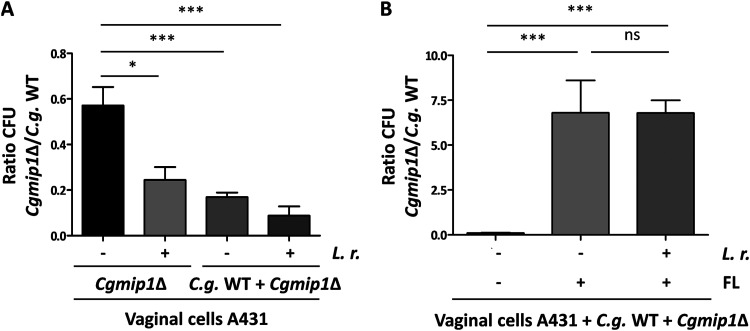
Loss or inactivation of antivirulence genes is an adaptive strategy in pathogen evolution. Candida glabrata is an important opportunistic pathogen related to baker's yeast, with the ability to both quickly increase its intrinsic high level of azole resistance and persist within phagocytes. During C. glabrata's evolution as a pathogen, the mitochondrial DNA polymerase CgMip1 has been under positive selection. We show that deletion not only triggers loss of mitochondrial function and a phenotype, but increases C. glabrata's azole and endoplasmic reticulum (ER) stress resistance and, importantly, its survival in phagocytes. The same phenotype is induced by fluconazole and by exposure to macrophages, conferring a cross-resistance between antifungals and immune cells, and can be found in clinical isolates despite a slow growth of strains. This suggests that constitutes a bet-hedging strategy of C. glabrata and, potentially, a relevant cause of azole resistance. Mitochondrial function may therefore be considered a potential antivirulence factor. Candida glabrata is an opportunistic pathogen whose incidence has been increasing in the last 40 years. It has risen to become the most prominent non-Candida albicans (NCAC) species to cause candidemia, constituting about one-third of isolates in the United States, and steadily increasing in European countries and in Australia. Despite its clinical importance, C. glabrata's pathogenicity strategies remain poorly understood. Our research shows that loss of mitochondrial function and the resulting phenotype is advantageous for C. glabrata to cope with infection-related stressors, such as antifungals and host immune defenses. The (cross-)resistance against both these factors may have major implications in the clinical outcome of infections with this major fungal pathogen.
毒力基因的缺失或失活是病原体进化的一种适应性策略。光滑念珠菌是一种与面包酵母有关的重要机会性病原体,具有快速增加其内在高水平唑类耐药性和在吞噬细胞内持续存在的能力。在光滑念珠菌作为病原体进化的过程中,线粒体 DNA 聚合酶 CgMip1 一直受到正选择。我们表明,缺失不仅会触发线粒体功能丧失和表型,还会增加光滑念珠菌对唑类药物和内质网(ER)应激的耐药性,重要的是,它在吞噬细胞中的存活率增加。氟康唑和巨噬细胞暴露同样会诱导相同的表型,赋予抗真菌药物和免疫细胞之间的交叉耐药性,并且尽管 菌株的生长缓慢,但在临床分离株中也可以发现这种表型。这表明 构成了光滑念珠菌的一种风险分散策略,并且可能是唑类耐药性的一个相关原因。
光滑念珠菌是一种机会性病原体,其发病率在过去 40 年中一直在增加。它已成为导致念珠菌血症的最突出的非白色念珠菌(NCAC)物种,约占美国分离株的三分之一,在欧洲国家和澳大利亚稳步增加。尽管具有临床重要性,但光滑念珠菌的致病性策略仍知之甚少。我们的研究表明,线粒体功能丧失和由此产生的表型有利于光滑念珠菌应对与感染相关的应激源,如抗真菌药物和宿主免疫防御。对这两种因素的(交叉)耐药性可能对这种主要真菌病原体感染的临床结果产生重大影响。