Catalani Elisabetta, Fanelli Giuseppina, Silvestri Federica, Cherubini Agnese, Del Quondam Simona, Bongiorni Silvia, Taddei Anna Rita, Ceci Marcello, De Palma Clara, Perrotta Cristiana, Rinalducci Sara, Prantera Giorgio, Cervia Davide
Department for Innovation in Biological, Agro-Food and Forest Systems (DIBAF), Università degli Studi della Tuscia, largo dell'Università snc, 01100 Viterbo, Italy.
Department of Ecological and Biological Sciences (DEB), Università degli Studi della Tuscia, largo dell'Università snc, 01100 Viterbo, Italy.
Antioxidants (Basel). 2021 Jul 27;10(8):1197. doi: 10.3390/antiox10081197.
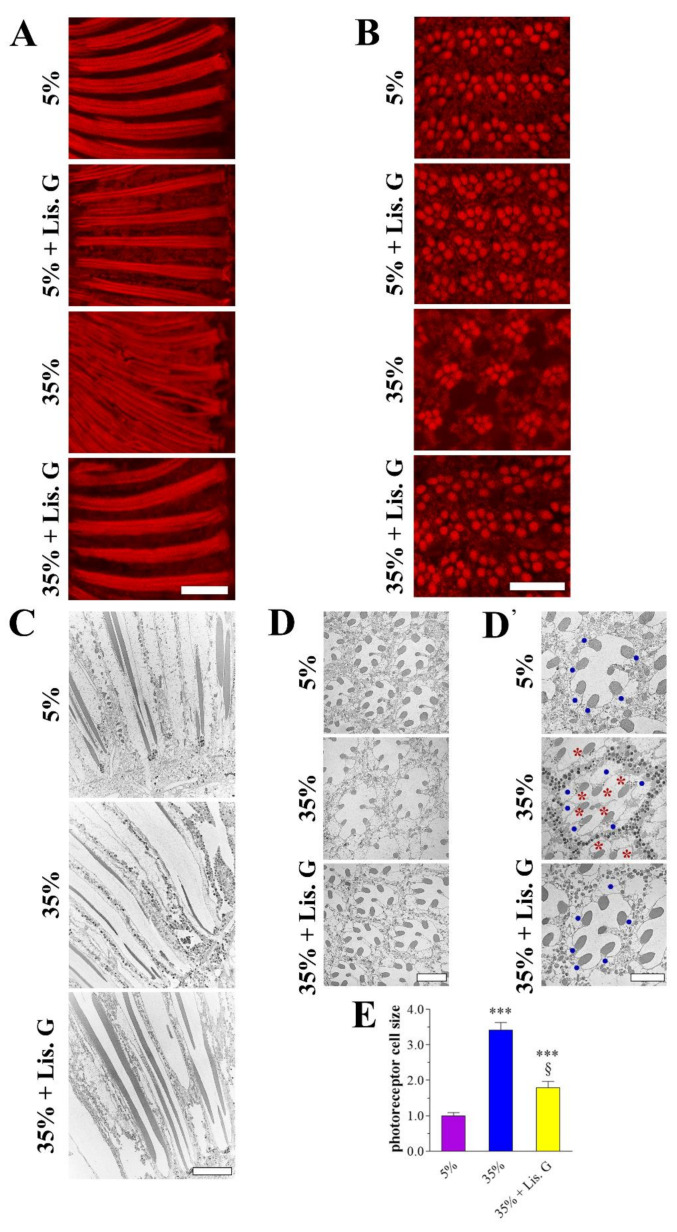
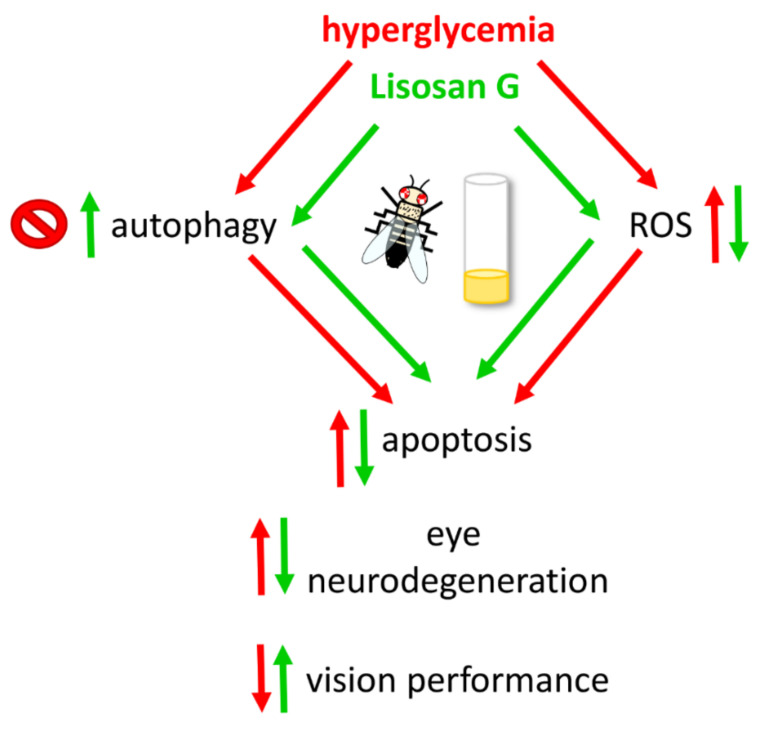
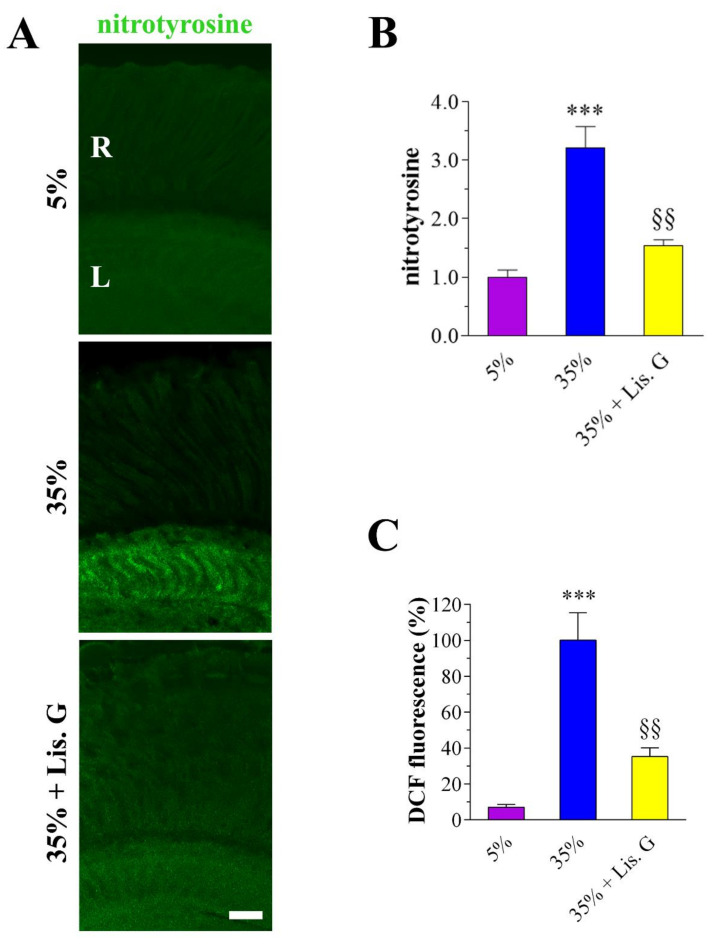
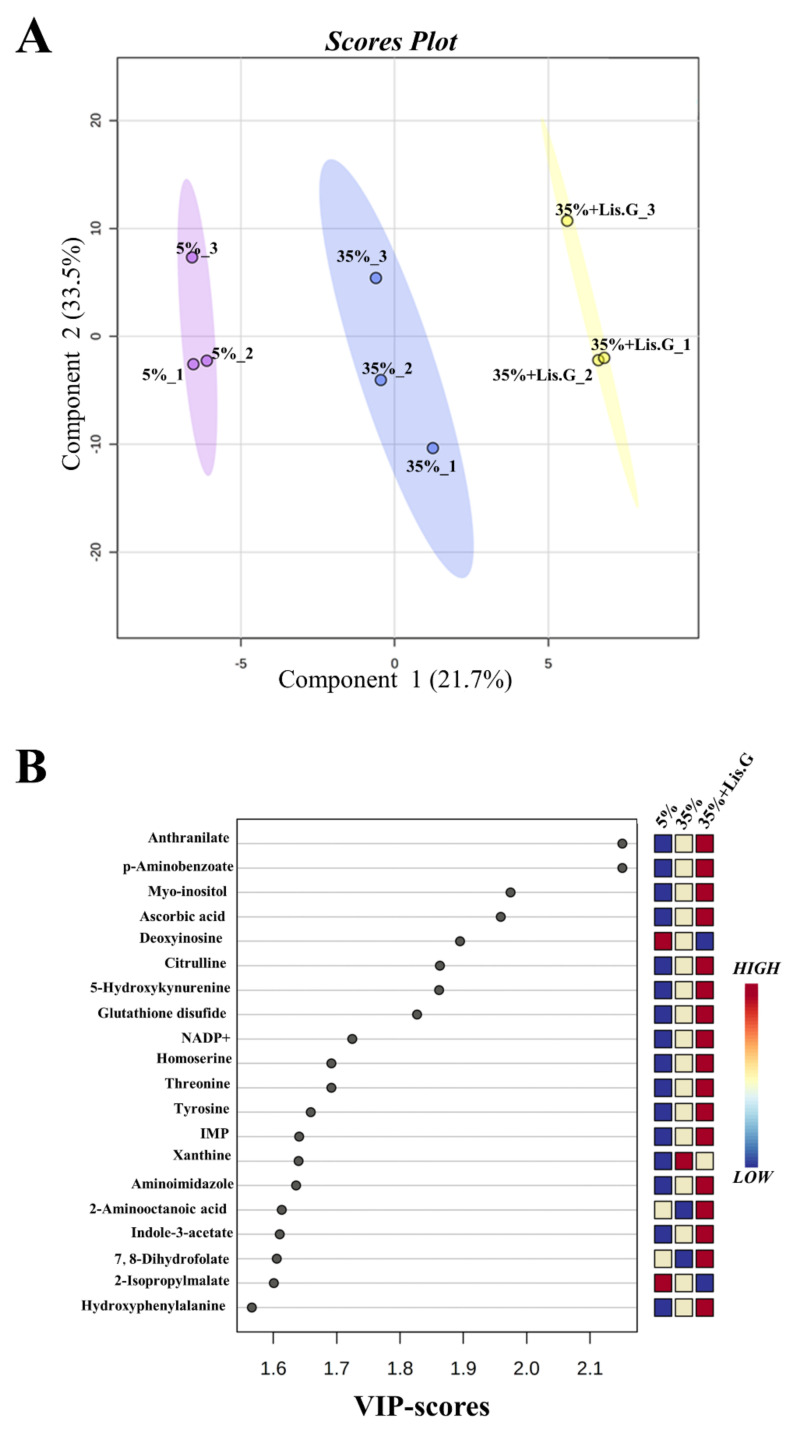
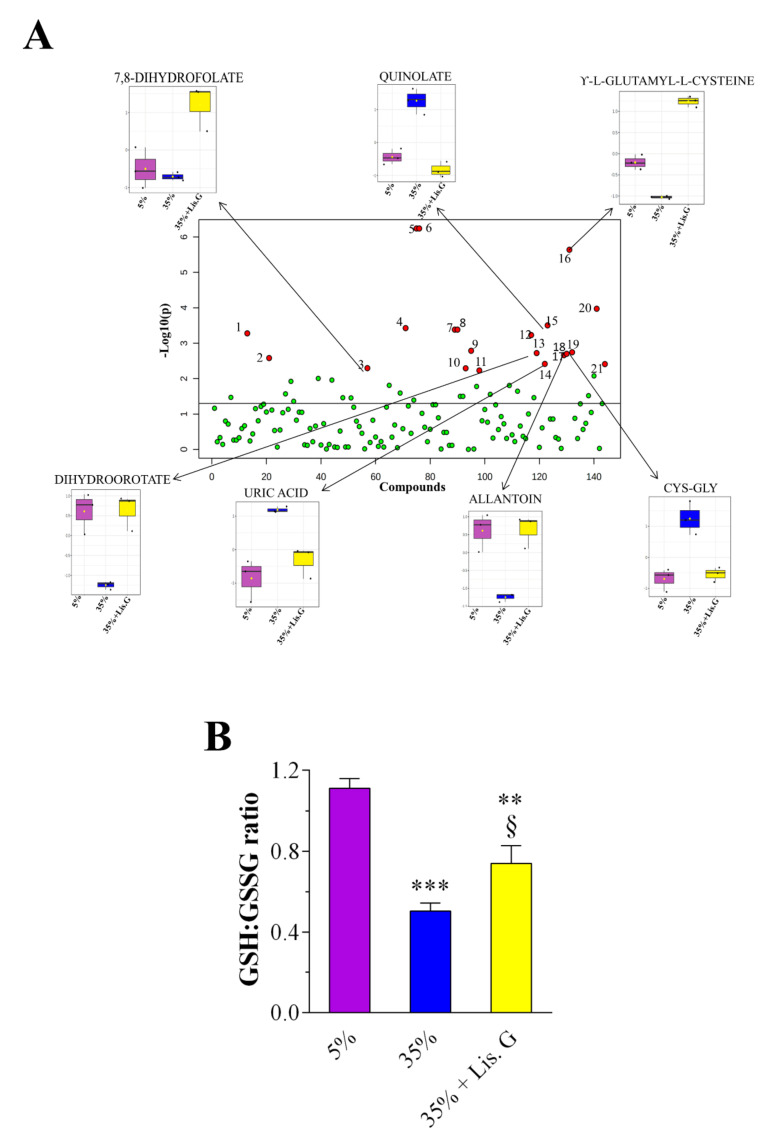
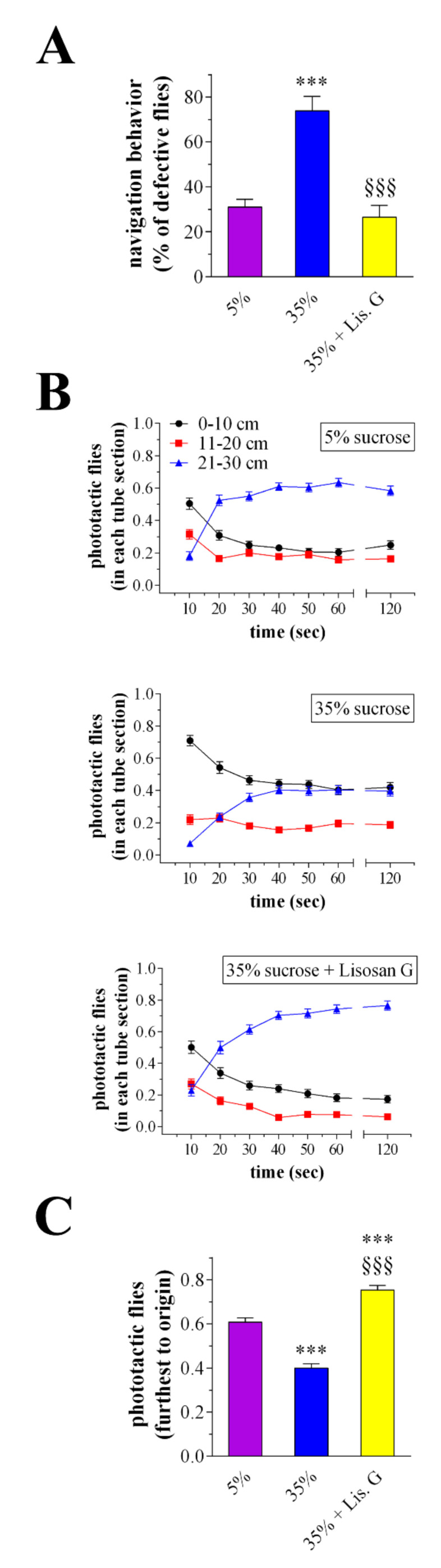
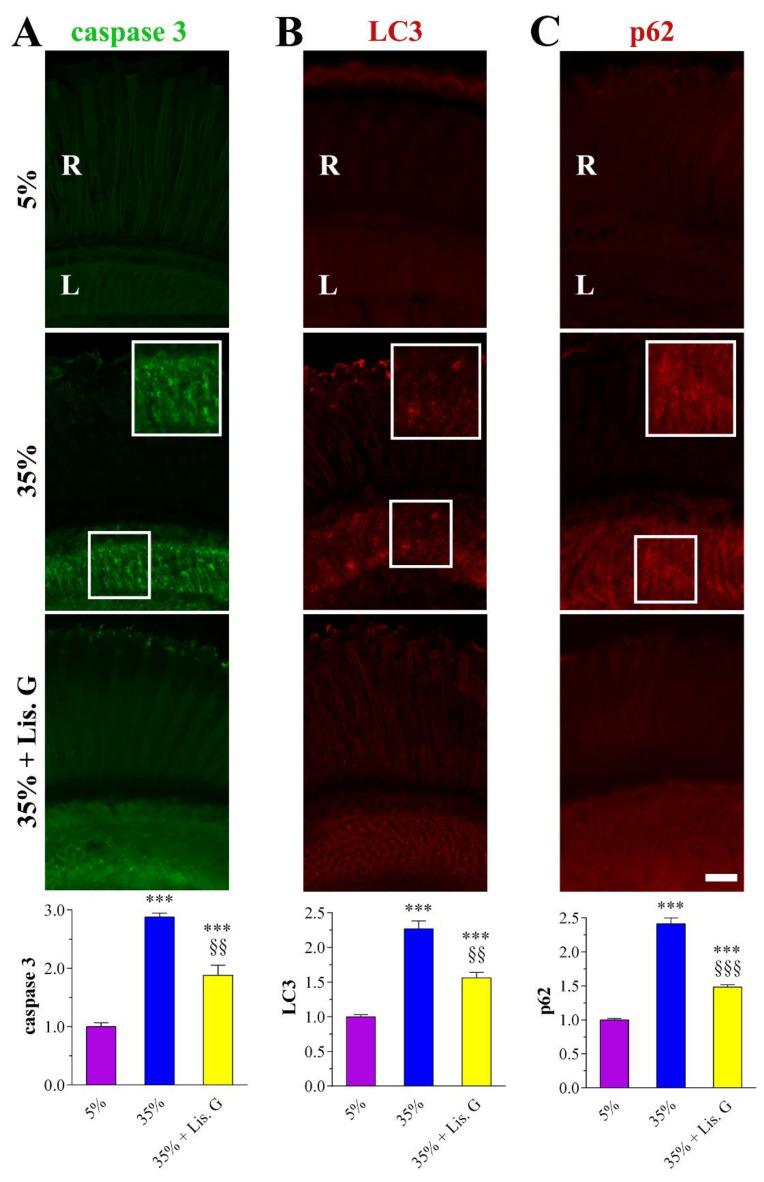
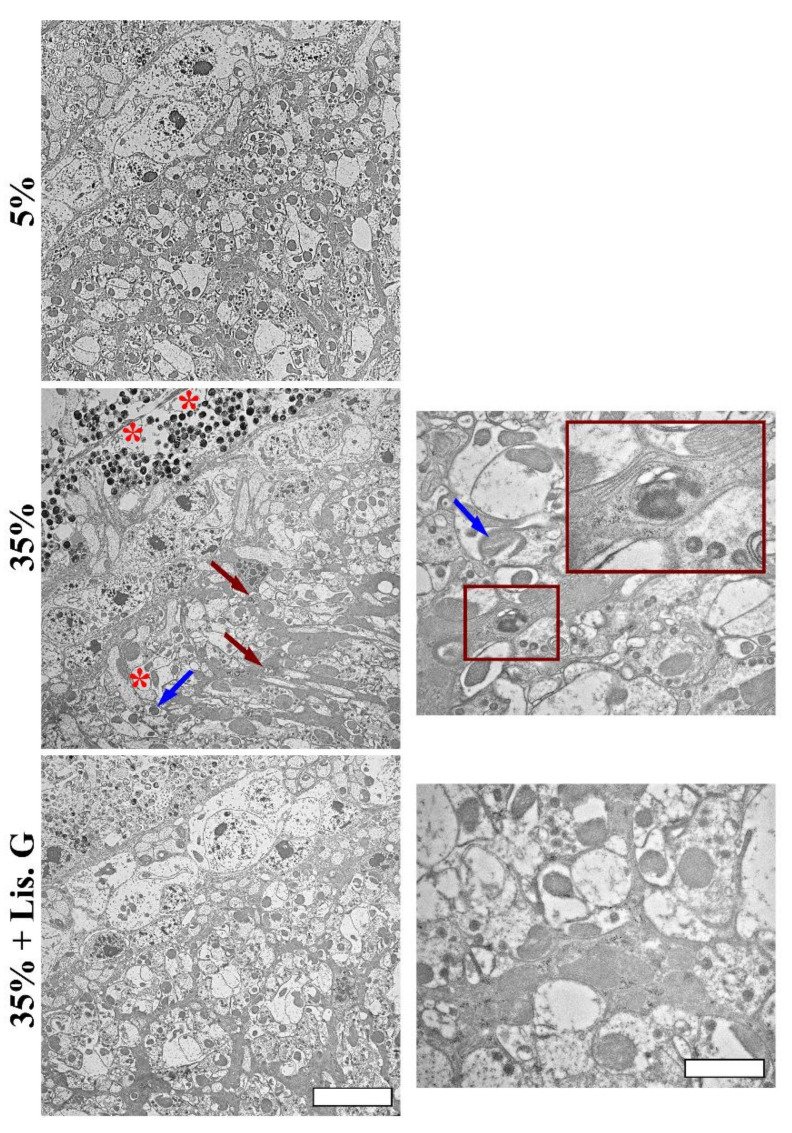
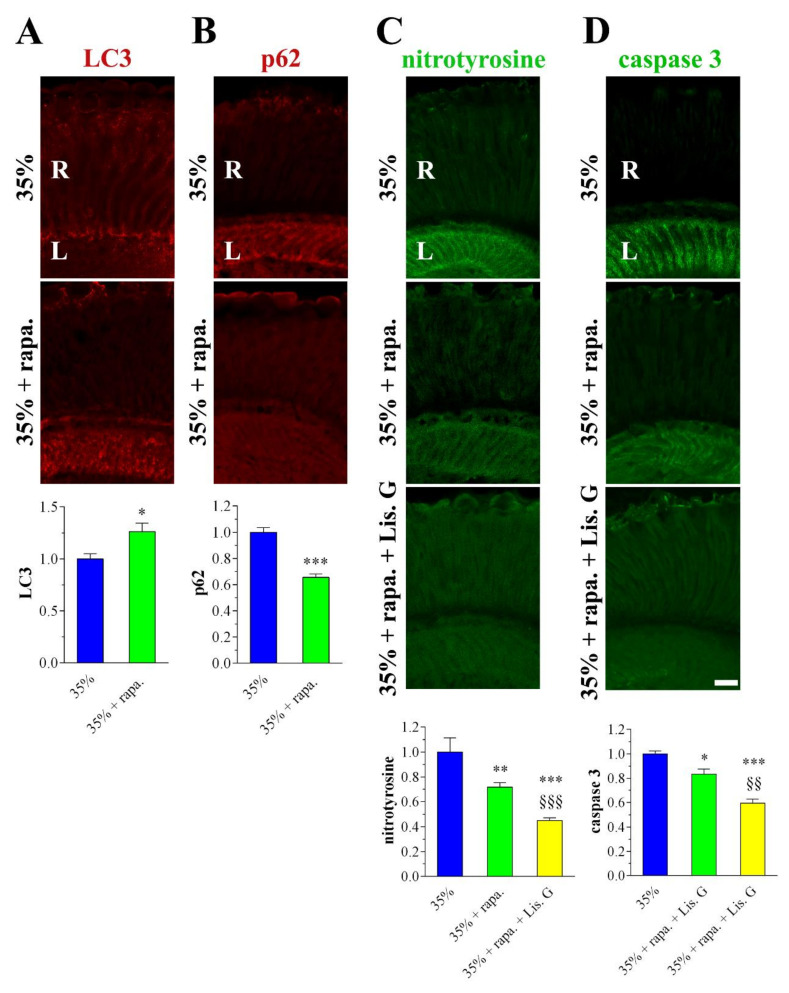
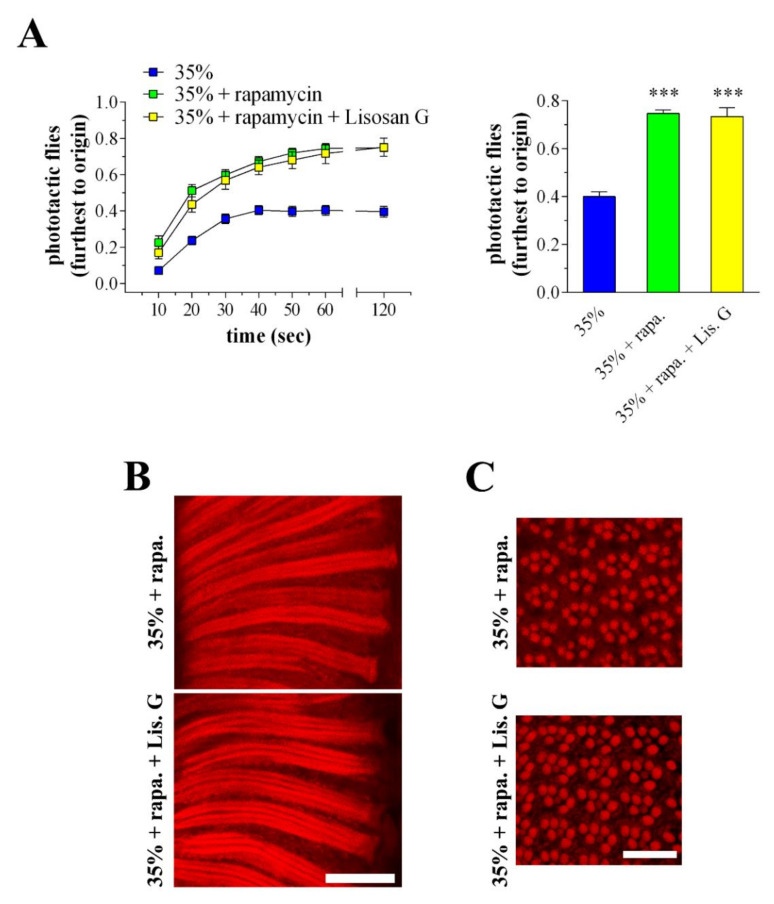
Aberrant production of reactive oxygen species (ROS) is a common feature of damaged retinal neurons in diabetic retinopathy, and antioxidants may exert both preventive and therapeutic action. To evaluate the beneficial and antioxidant properties of food supplementation with Lisosan G, a powder of bran and germ of grain () obtained by fermentation with selected lactobacillus and natural yeast strains, we used an in vivo model of hyperglycemia-induced retinal damage, the fruit fly fed with high-sucrose diet. Lisosan G positively affected the visual system of hyperglycemic flies at structural/functional level, decreased apoptosis, and reactivated protective autophagy at the retina internal network. Also, in high sucrose-fed Drosophila, Lisosan G reduced the levels of brain ROS and retina peroxynitrite. The analysis of oxidative stress-related metabolites suggested 7,8-dihydrofolate, uric acid, dihydroorotate, γ-L-glutamyl-L-cysteine, allantoin, cysteinyl-glycine, and quinolate as key mediators of Lisosan G-induced inhibition of neuronal ROS, along with the upregulation of glutathione system. Of note, Lisosan G may impact oxidative stress and the ensuing retinal cell death, also independently from autophagy, although the autophagy-ROS cross-talk is critical. This study demonstrated that the continuous supplementation with the alimentary integrator Lisosan G exerts a robust and multifaceted antioxidant effect on retinal neurons, thus providing efficacious neuroprotection of hyperglycemic eye.
活性氧(ROS)的异常产生是糖尿病视网膜病变中受损视网膜神经元的一个共同特征,抗氧化剂可能具有预防和治疗作用。为了评估用Lisosan G(一种通过与选定的乳酸菌和天然酵母菌株发酵获得的谷物麸皮和胚芽粉末)进行食物补充的益处和抗氧化特性,我们使用了高血糖诱导的视网膜损伤体内模型,即喂食高糖饮食的果蝇。Lisosan G在结构/功能水平上对高血糖果蝇的视觉系统产生了积极影响,减少了细胞凋亡,并在视网膜内部网络重新激活了保护性自噬。此外,在喂食高糖的果蝇中,Lisosan G降低了大脑ROS和视网膜过氧亚硝酸盐的水平。对氧化应激相关代谢物的分析表明,7,8 - 二氢叶酸、尿酸、二氢乳清酸、γ-L-谷氨酰-L-半胱氨酸、尿囊素、半胱氨酰甘氨酸和喹啉酸是Lisosan G诱导抑制神经元ROS的关键介质,同时谷胱甘肽系统上调。值得注意的是,Lisosan G可能影响氧化应激及随后的视网膜细胞死亡,即使自噬-ROS相互作用至关重要,其作用也可能独立于自噬。这项研究表明,持续补充营养补充剂Lisosan G对视网膜神经元具有强大且多方面的抗氧化作用,从而为高血糖性眼病提供有效的神经保护。