Department of Pharmacology and Toxicology, Michigan State University, East Lansing, MI, 48824, United States; Institute for Integrative Toxicology, Michigan State University, East Lansing, MI, 48824, United States.
Institute for Integrative Toxicology, Michigan State University, East Lansing, MI, 48824, United States; Center for Research on Ingredient Safety, Michigan State University, East Lansing, MI, 48824, United States.
Toxicology. 2021 Dec;464:153016. doi: 10.1016/j.tox.2021.153016. Epub 2021 Nov 2.
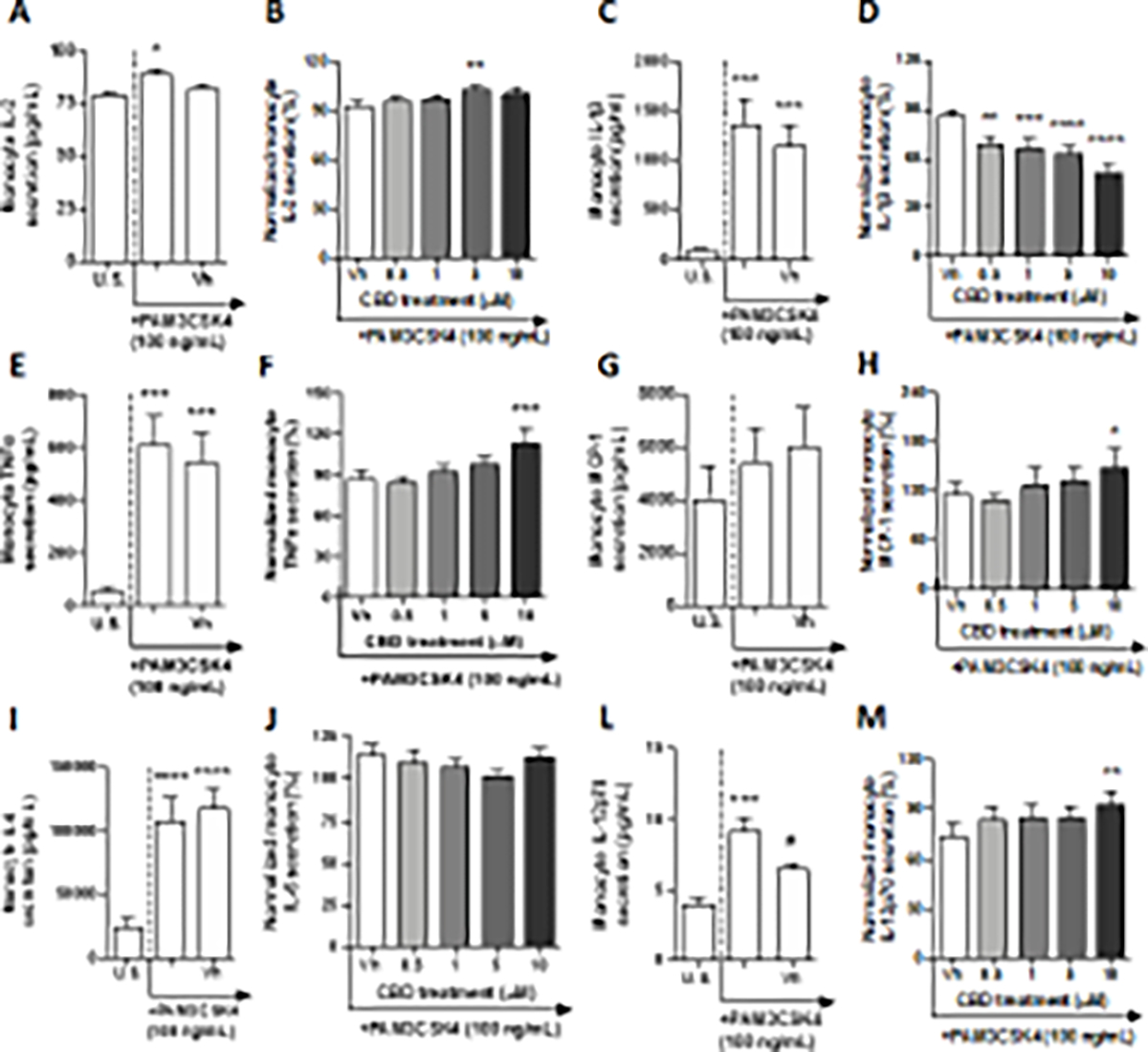
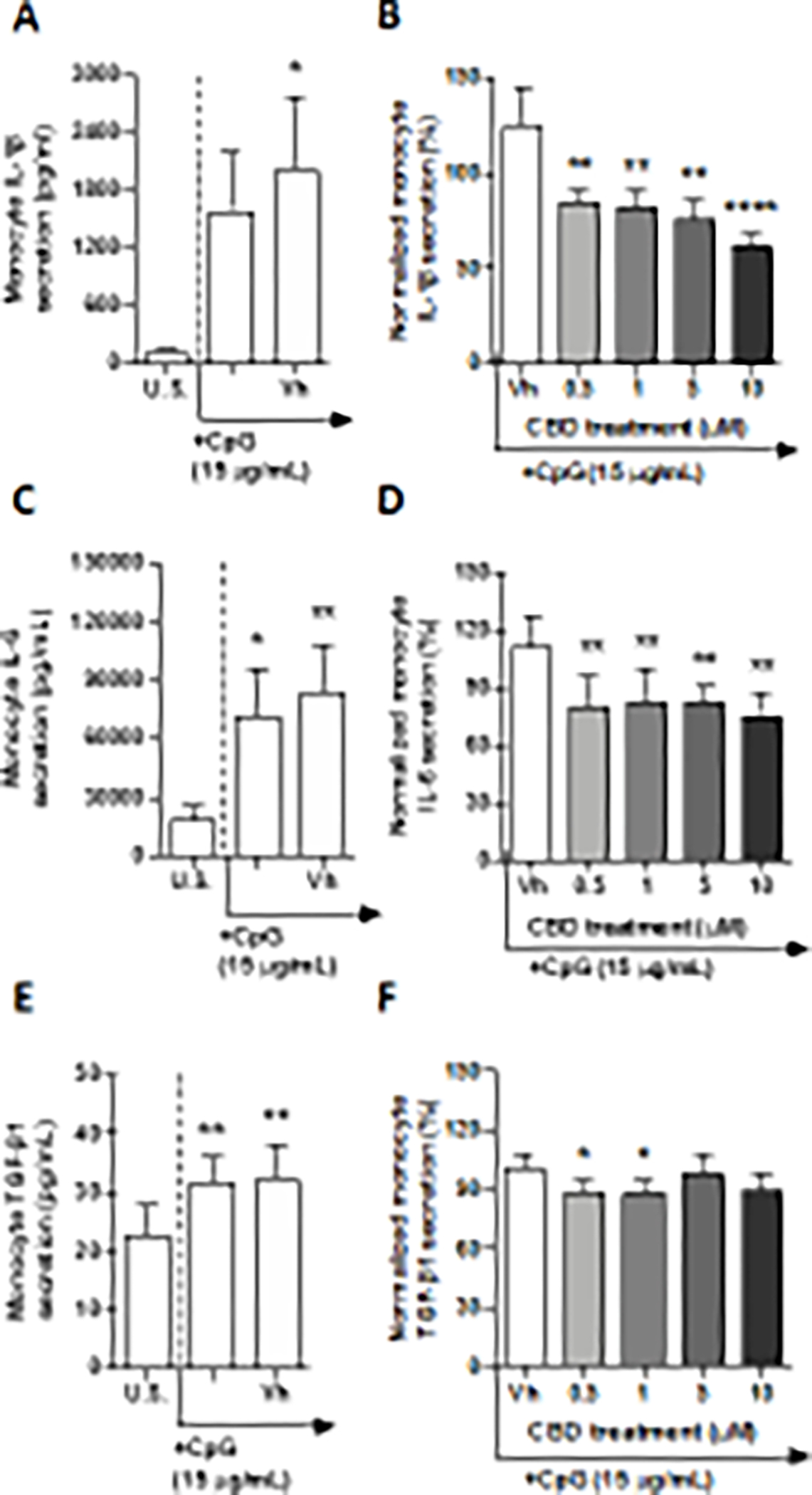
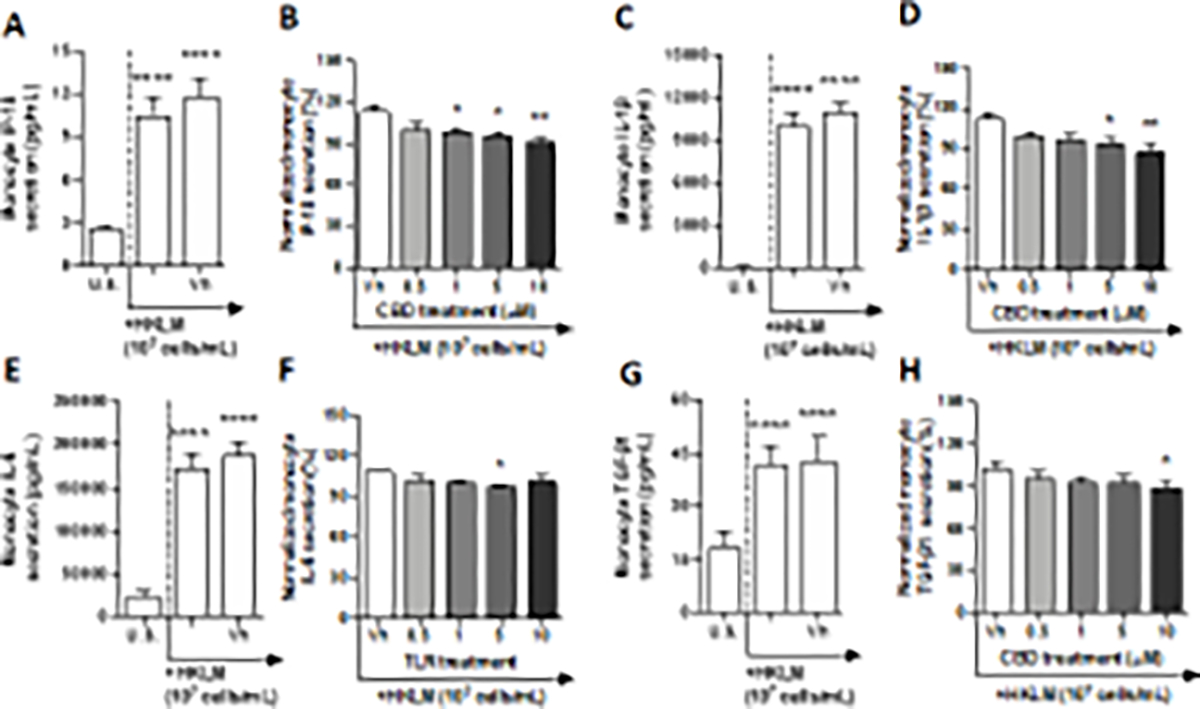
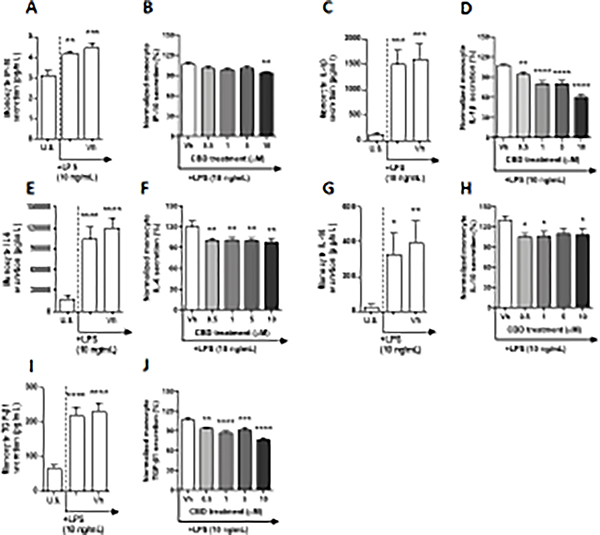
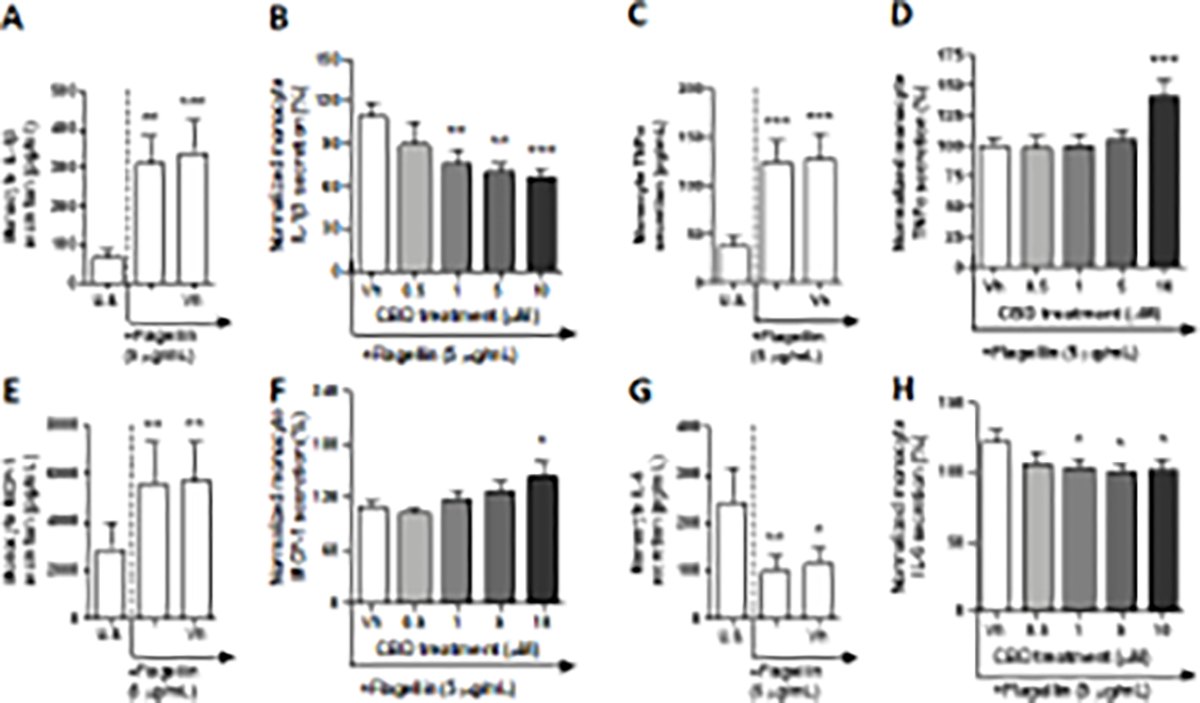
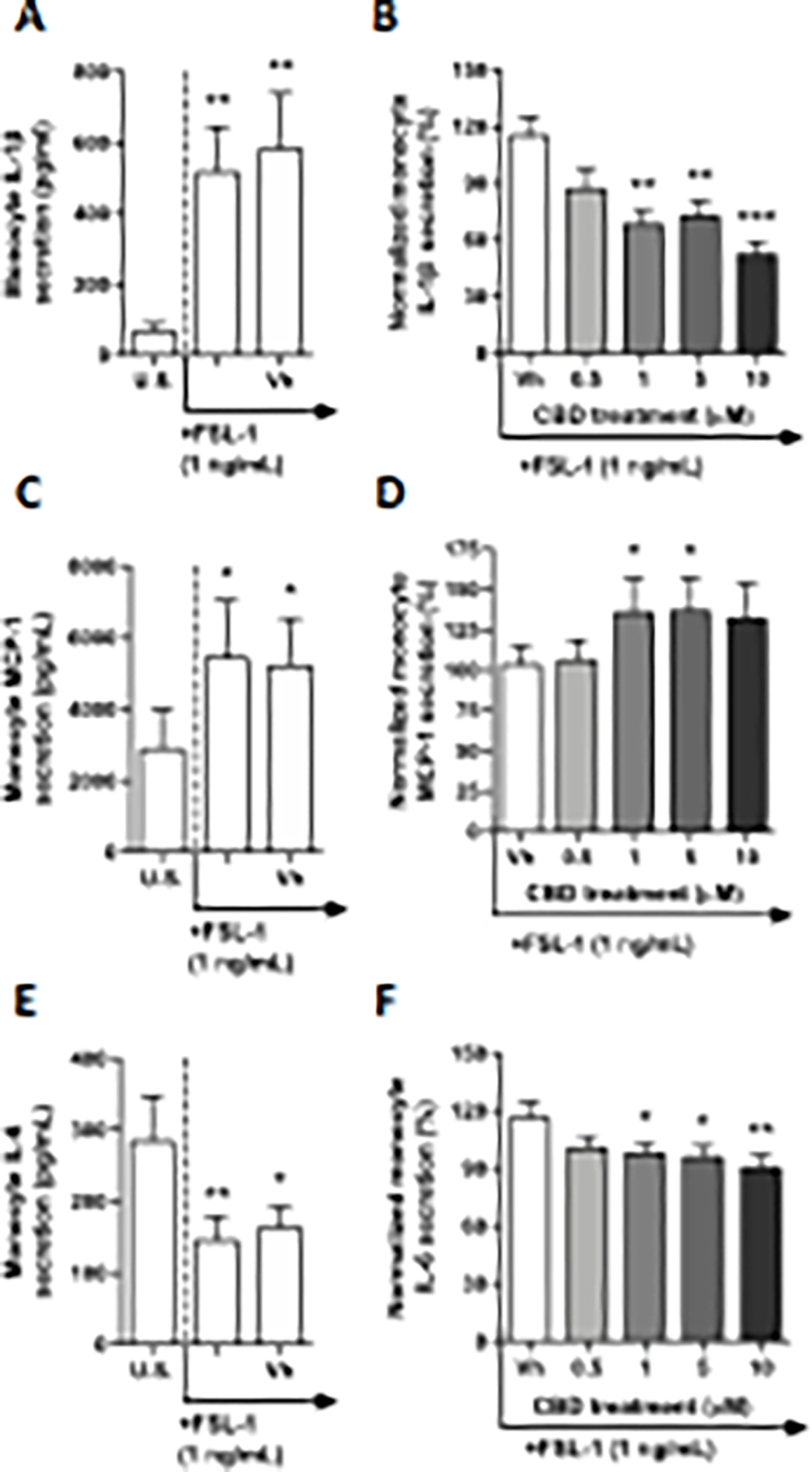
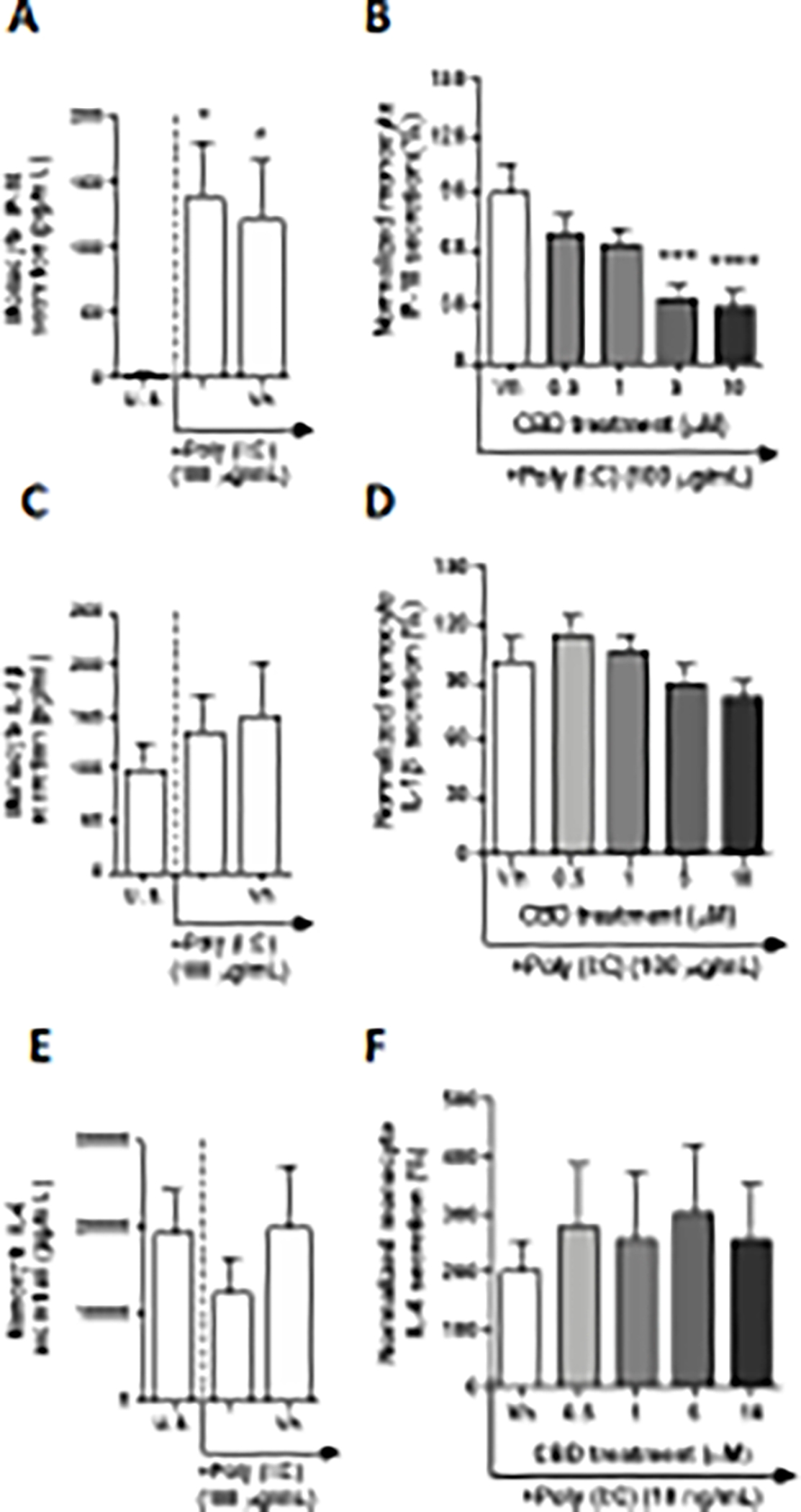
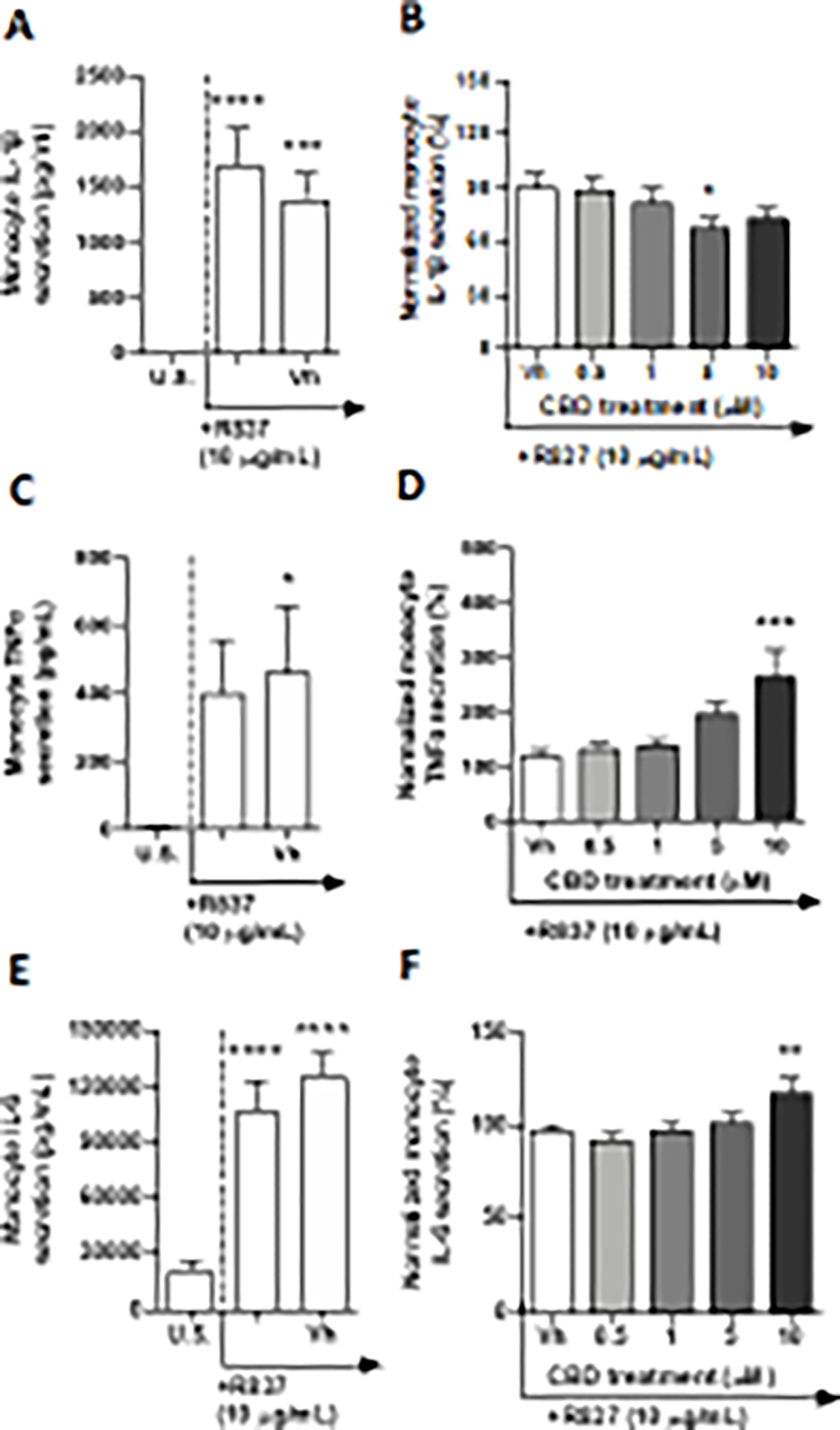
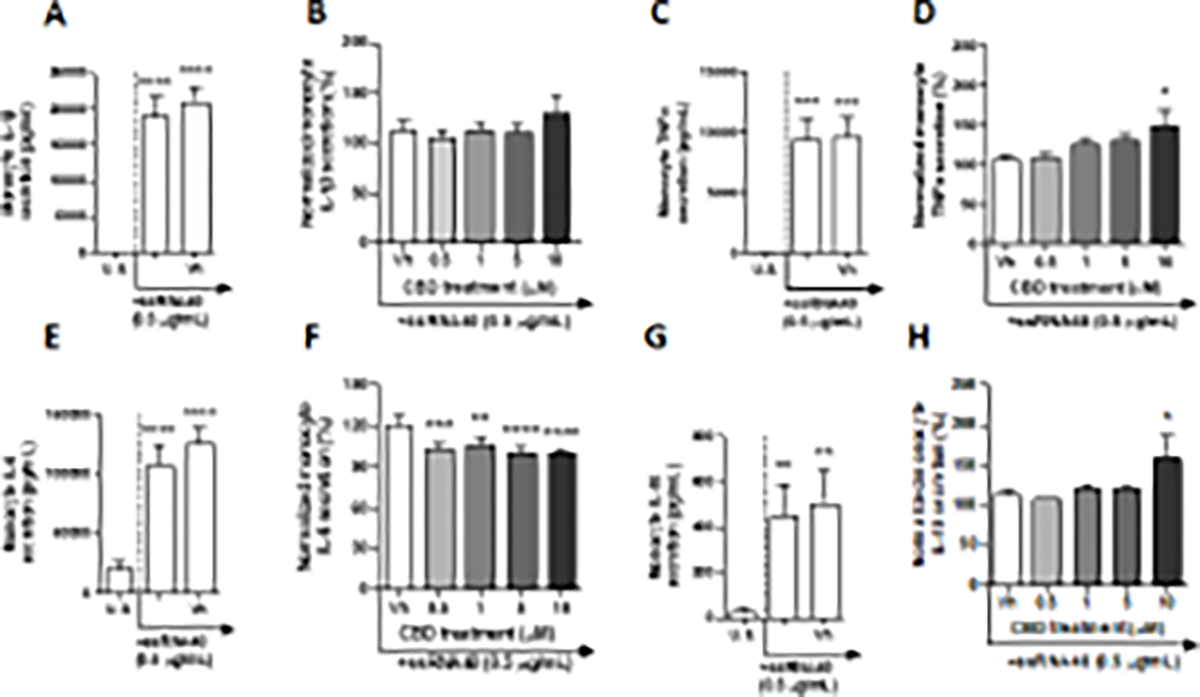
Cannabidiol (CBD) is a major non-euphoric cannabis-derived compound that has become popular in its over-the-counter use. CBD possesses low affinity for cannabinoid receptors, while the primary molecular target(s) by which it mediates biological activity remain poorly defined. Individuals commonly self-medicate using CBD products with little knowledge of its specific immunopharmacological effects on the human immune system; however, research has established primarily in rodent models that CBD possesses immune modulating properties. The objective of this study was to evaluate whether CBD modulates the innate immune response by human primary monocytes activated through toll-like receptors (TLR) 1-9. Monocytes were activated through each TLR and treated with CBD (0.5-10 μM) for 22 h. Monocyte secretion profiles for 13 immune mediators were quantified including: IL-4, IL-2, IP-10, IL-1β, TNFα, MCP-1, IL-17a, IL-6, IL-10, IFNγ, IL-12p70, IL-8, and TGF-β1. CBD treatment significantly suppressed secretion of proinflammatory cytokine IL-1β by monocytes activated through most TLRs, apart from TLRs 3 and 8. Additionally, CBD treatment induced significant modulation of IL-6 production by monocytes activated through most TLRs, except for TLRs 1 and 3. Most other monocyte-derived factors assayed were refractory to CBD modulation. Overall, CBD selectively altered monocyte-derived IL-1β and IL-6 when activated through most TLRs. This study is of particular importance as it provides a direct and comprehensive assessment of the effects of CBD on TLR-activated primary human monocytes at a time when CBD containing products are being widely used by the public.
大麻二酚(CBD)是一种主要的非致幻大麻衍生化合物,在非处方使用中变得流行。CBD 对大麻素受体的亲和力较低,而介导其生物活性的主要分子靶标仍定义不明确。个体通常使用 CBD 产品进行自我治疗,对其对人体免疫系统的具体免疫药理学作用知之甚少;然而,研究已在啮齿动物模型中确立,CBD 具有免疫调节特性。本研究旨在评估 CBD 是否通过人类原代单核细胞通过 Toll 样受体(TLR)1-9 激活来调节先天免疫反应。通过每个 TLR 激活单核细胞,并在 CBD(0.5-10 μM)存在下处理 22 小时。定量测定了 13 种免疫介质的单核细胞分泌谱,包括:IL-4、IL-2、IP-10、IL-1β、TNFα、MCP-1、IL-17a、IL-6、IL-10、IFNγ、IL-12p70、IL-8 和 TGF-β1。CBD 处理显著抑制了除 TLRs 3 和 8 之外,通过大多数 TLR 激活的单核细胞分泌的促炎细胞因子 IL-1β。此外,CBD 处理诱导了除 TLRs 1 和 3 之外,通过大多数 TLR 激活的单核细胞产生的 IL-6 产生的显著调节。测定的大多数其他单核细胞衍生因子对 CBD 调节无反应。总体而言,当通过大多数 TLR 激活时,CBD 选择性地改变了单核细胞衍生的 IL-1β 和 IL-6。这项研究尤为重要,因为它提供了 CBD 对含有 CBD 产品广泛用于公众时,TLR 激活的原代人类单核细胞的影响的直接和全面评估。