Ivanova Aleksandra, Ivanova Kristina, Tzanov Tzanko
Grup de Biotecnologia Molecular i Industrial, Department of Chemical Engineering, Universitat Politècnica de Catalunya, Rambla Sant Nebridi 22, 08222 Terrassa, Spain.
Nanomaterials (Basel). 2021 Nov 21;11(11):3143. doi: 10.3390/nano11113143.
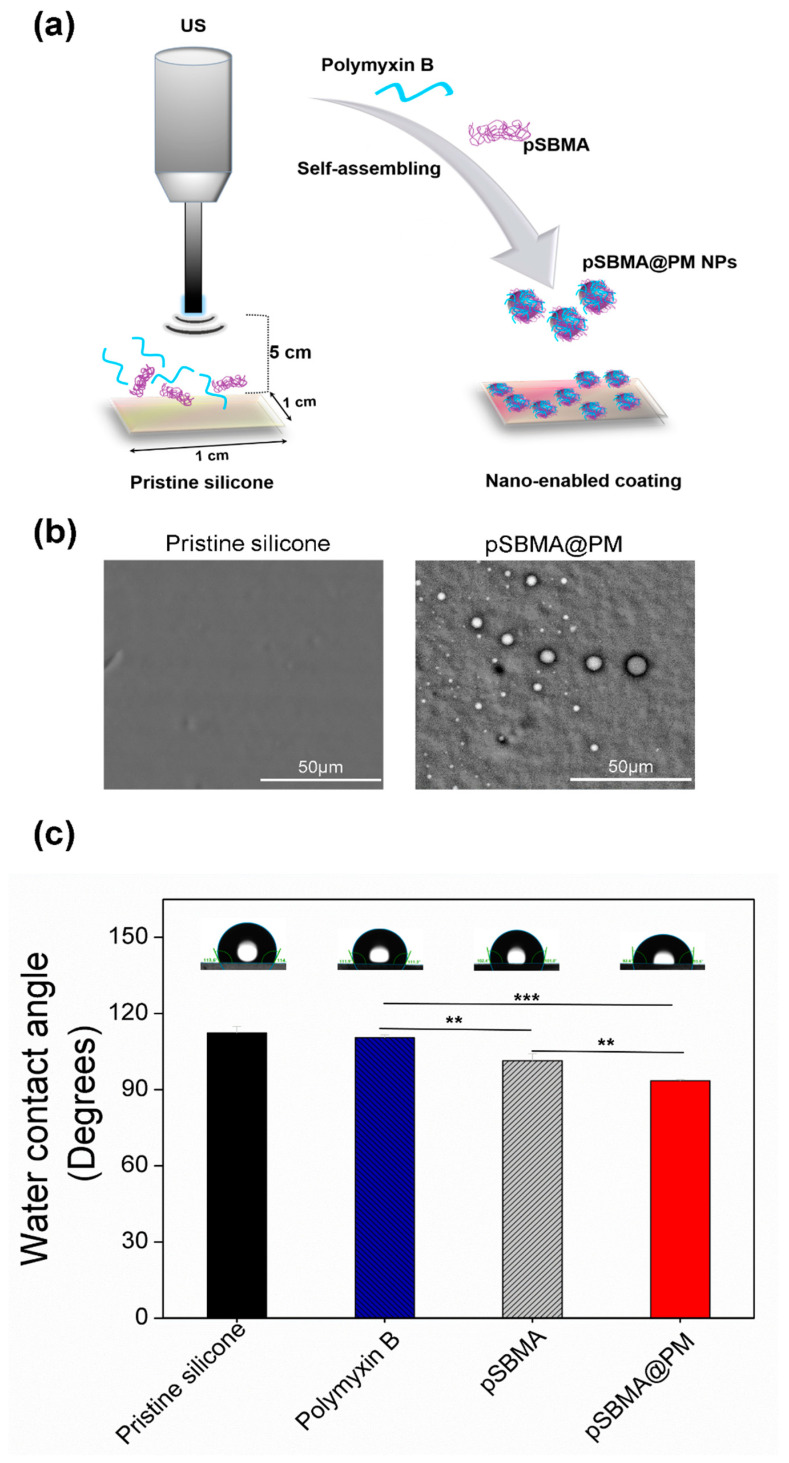
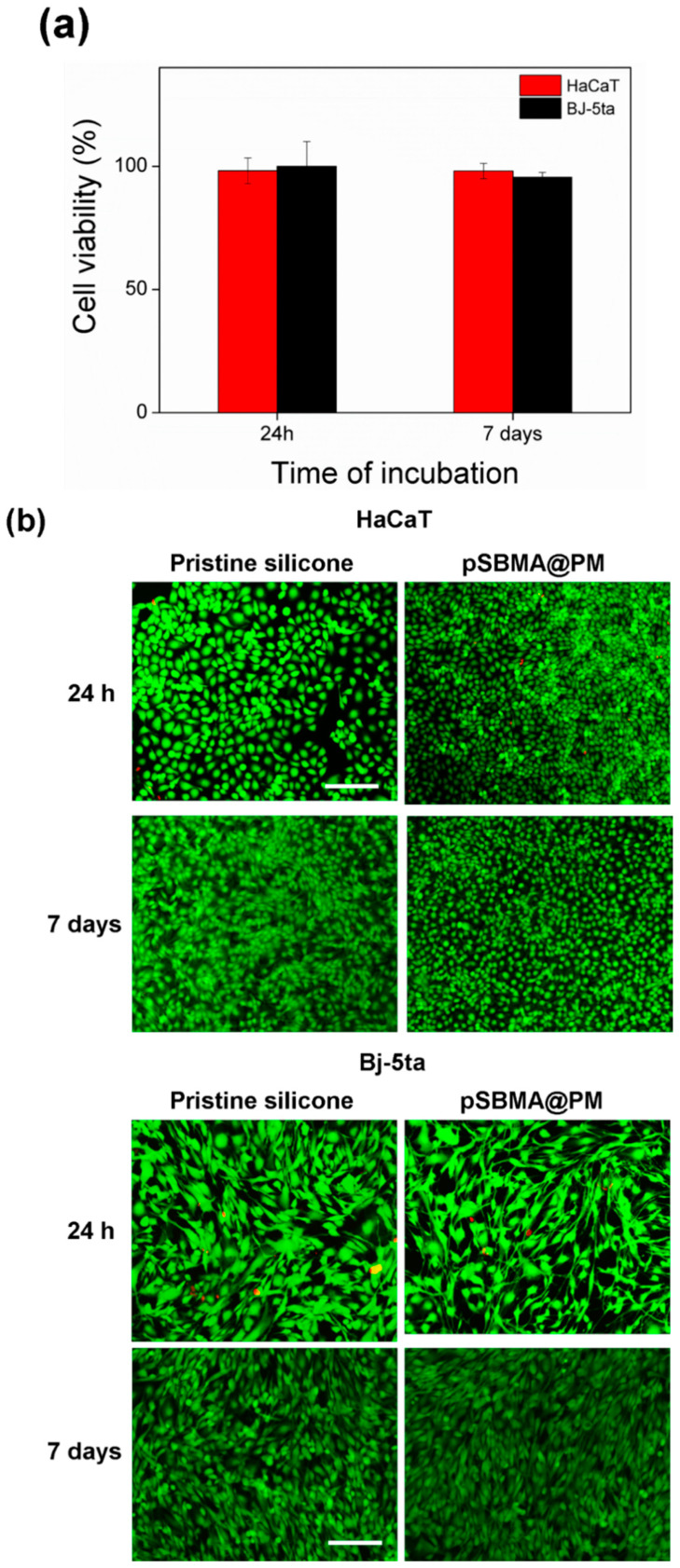
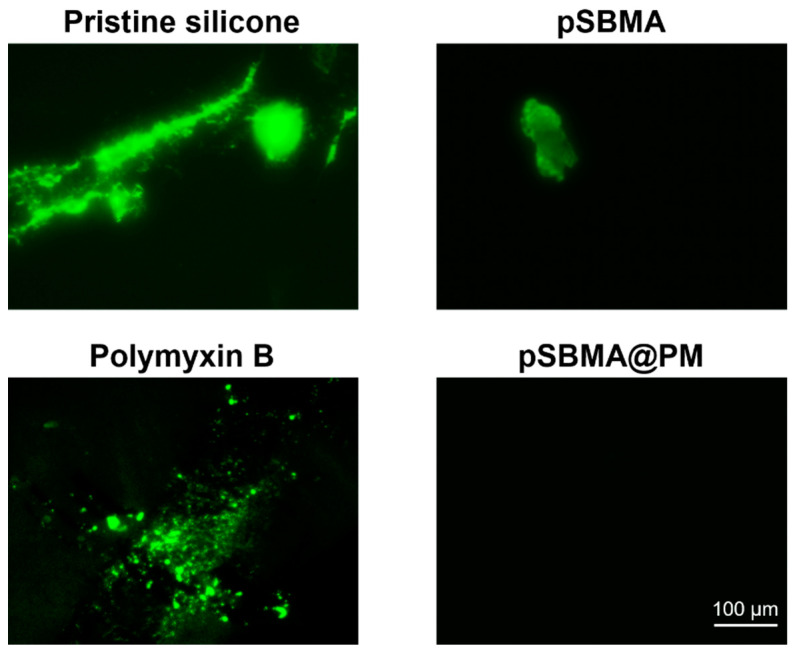
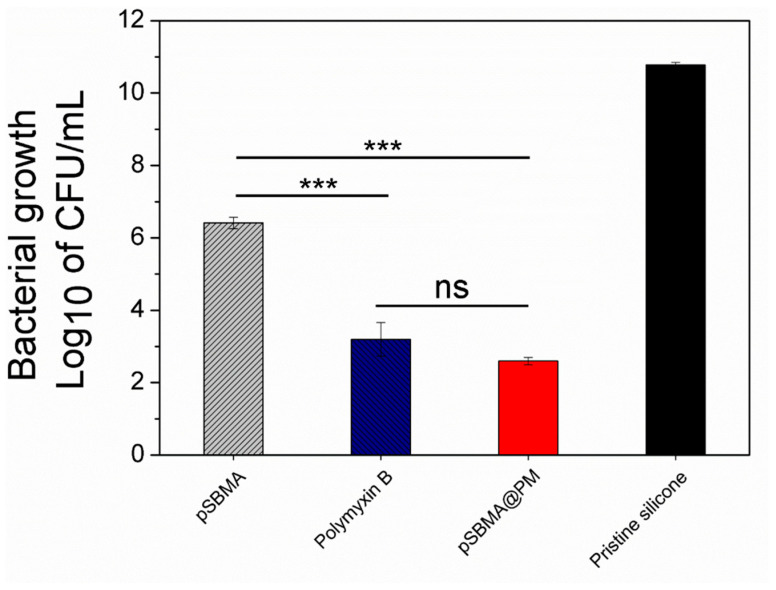
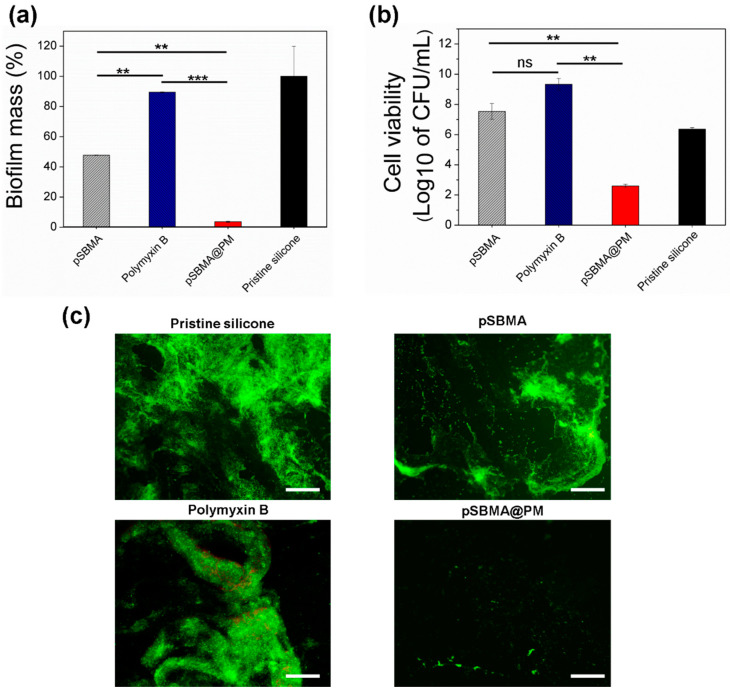
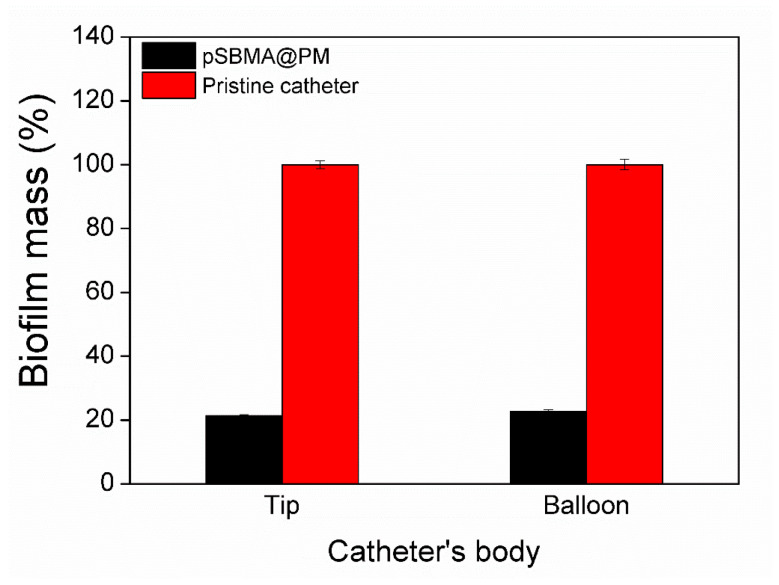
Nosocomial infections caused by antibiotic-resistant bacteria are constantly growing healthcare threats, as they are the reason for the increased mortality, morbidity, and considerable financial burden due to the poor infection outcomes. Indwelling medical devices, such as urinary catheters, are frequently colonized by bacteria in the form of biofilms that cause dysfunction of the device and severe chronic infections. The current treatment strategies of such device-associated infections are impaired by the resistant pathogens but also by a risk of prompting the appearance of new antibiotic-resistant bacterial mechanisms. Herein, the one-step sonochemical synthesis of hybrid poly(sulfobetaine) methacrylate/Polymyxin B nanoparticles (pSBMA@PM NPs) coating was employed to engineer novel nanoenabled silicone catheters with improved antifouling, antibacterial, and antibiofilm efficiencies. The synergistic mode of action of nanohybridized zwitterionic polymer and antimicrobial peptide led to complete inhibition of the nonspecific protein adsorption and up to 97% reduction in biofilm formation, in comparison with the pristine silicone. Additionally, the bactericidal activity in the hybrid coating reduced the free-floating and surface-attached bacterial growth by 8 logs, minimizing the probability for further spreading and host invasion. This coating was stable for up to 7 days under conditions simulating the real scenario of catheter usage and inhibited by 80% biofilms. For the same time of use, the pSBMA@PM NPs coating did not affect the metabolic activity and morphology of mammalian cells, demonstrating their capacity to control antibiotic-resistant biofilm-associated bacterial infections.
由抗生素耐药菌引起的医院感染对医疗健康构成的威胁日益严重,因为这些感染会导致死亡率和发病率上升,而且由于感染治疗效果不佳还会带来巨大的经济负担。留置医疗设备,如导尿管,经常被细菌以生物膜的形式定植,从而导致设备功能障碍和严重的慢性感染。目前针对此类与设备相关感染的治疗策略不仅受到耐药病原体的影响,还存在促使新的抗生素耐药细菌机制出现的风险。在此,采用一步声化学合成法制备了聚(磺基甜菜碱)甲基丙烯酸酯/多粘菌素B纳米颗粒(pSBMA@PM NPs)杂化涂层,用于制造具有更高防污、抗菌和抗生物膜效率的新型纳米硅导尿管。与原始硅橡胶相比,纳米杂化两性离子聚合物和抗菌肽的协同作用模式可完全抑制非特异性蛋白质吸附,并使生物膜形成减少高达97%。此外,杂化涂层的杀菌活性使游离和附着在表面的细菌生长减少了8个对数级,最大限度地降低了进一步传播和宿主感染的可能性。在模拟导尿管实际使用情况的条件下,这种涂层在长达7天的时间内保持稳定,对生物膜的抑制率达80%。在相同的使用时间内,pSBMA@PM NPs涂层不会影响哺乳动物细胞的代谢活性和形态,表明它们有能力控制与抗生素耐药生物膜相关的细菌感染。