Ferreres Guillem, Ivanova Kristina, Ivanov Ivan, Tzanov Tzanko
Grup de Biotecnologia Molecular i Industrial, Department of Chemical Engineering, Universitat Politècnica de Catalunya, Rambla Sant Nebridi 22, 08222 Terrassa, Spain.
Antibiotics (Basel). 2023 Feb 2;12(2):310. doi: 10.3390/antibiotics12020310.
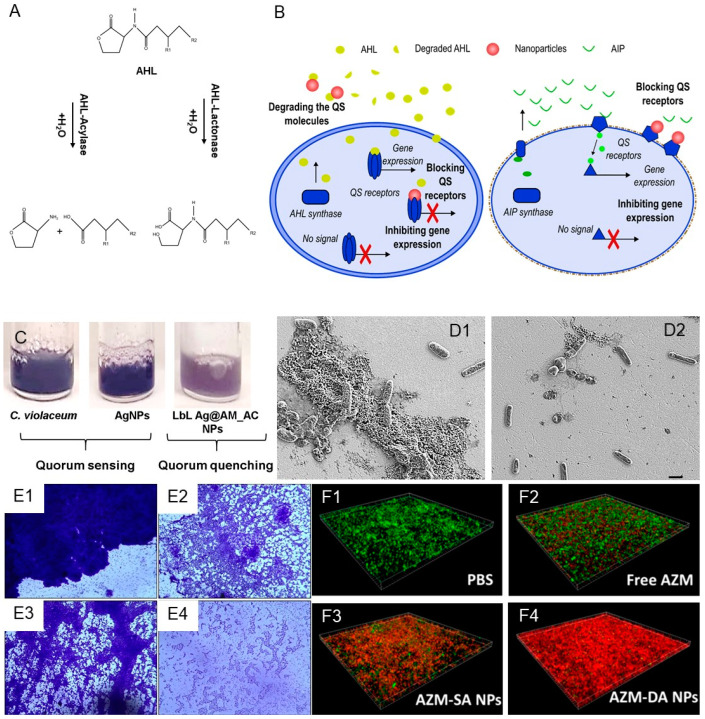
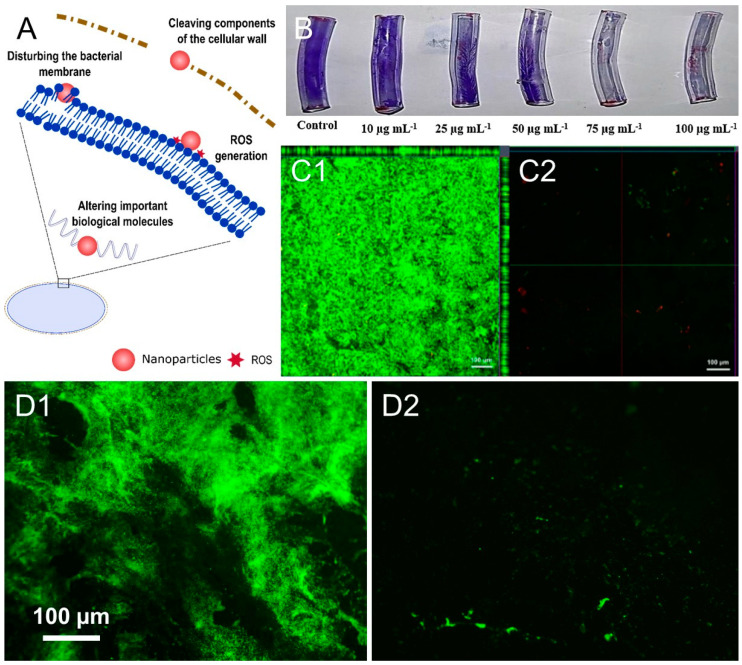
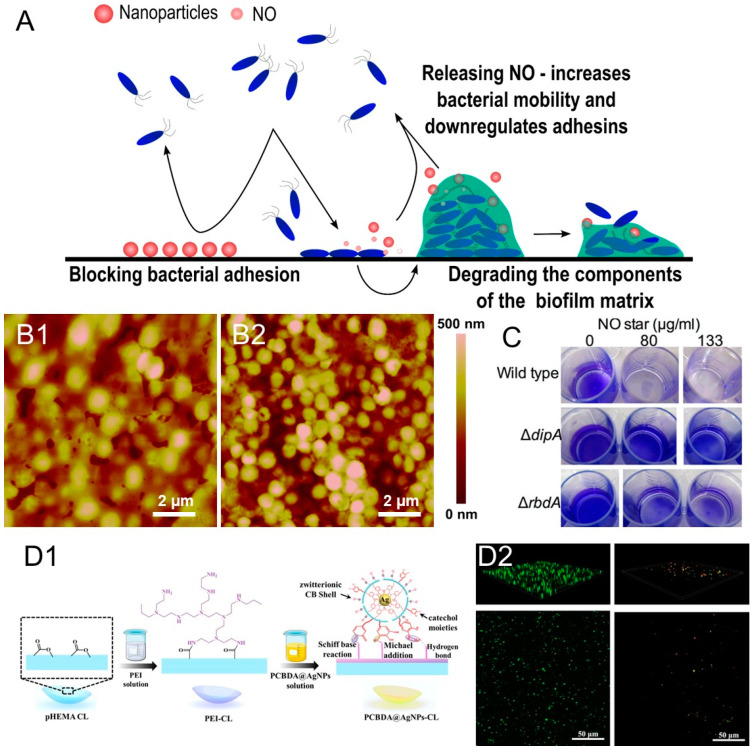
Biofilms are a global health concern responsible for 65 to 80% of the total number of acute and persistent nosocomial infections, which lead to prolonged hospitalization and a huge economic burden to the healthcare systems. Biofilms are organized assemblages of surface-bound cells, which are enclosed in a self-produced extracellular polymer matrix (EPM) of polysaccharides, nucleic acids, lipids, and proteins. The EPM holds the pathogens together and provides a functional environment, enabling adhesion to living and non-living surfaces, mechanical stability, next to enhanced tolerance to host immune responses and conventional antibiotics compared to free-floating cells. Furthermore, the close proximity of cells in biofilms facilitates the horizontal transfer of genes, which is responsible for the development of antibiotic resistance. Given the growing number and impact of resistant bacteria, there is an urgent need to design novel strategies in order to outsmart bacterial evolutionary mechanisms. Antibiotic-free approaches that attenuate virulence through interruption of quorum sensing, prevent adhesion via EPM degradation, or kill pathogens by novel mechanisms that are less likely to cause resistance have gained considerable attention in the war against biofilm infections. Thereby, nanoformulation offers significant advantages due to the enhanced antibacterial efficacy and better penetration into the biofilm compared to bulk therapeutics of the same composition. This review highlights the latest developments in the field of nanoformulated quorum-quenching actives, antiadhesives, and bactericides, and their use as colloid suspensions and coatings on medical devices to reduce the incidence of biofilm-related infections.
生物膜是一个全球性的健康问题,占急性和持续性医院感染总数的65%至80%,这导致住院时间延长,并给医疗系统带来巨大的经济负担。生物膜是表面结合细胞的有组织集合体,被包裹在由多糖、核酸、脂质和蛋白质组成的自身产生的细胞外聚合物基质(EPM)中。EPM将病原体聚集在一起,并提供一个功能环境,使其能够粘附在生物和非生物表面,具有机械稳定性,同时与游离细胞相比,对宿主免疫反应和传统抗生素的耐受性增强。此外,生物膜中细胞的紧密接近促进了基因的水平转移,这是抗生素耐药性产生的原因。鉴于耐药细菌的数量不断增加及其影响,迫切需要设计新的策略来智取细菌的进化机制。通过中断群体感应来减弱毒力、通过EPM降解防止粘附或通过不太可能产生耐药性的新机制杀死病原体的无抗生素方法,在对抗生物膜感染的斗争中受到了相当大的关注。因此,与相同成分的大块治疗剂相比,纳米制剂由于增强的抗菌功效和更好地渗透到生物膜中而具有显著优势。本综述重点介绍了纳米制剂化群体淬灭活性物质、抗粘附剂和杀菌剂领域的最新进展,以及它们作为胶体悬浮液和医疗器械涂层的应用,以降低生物膜相关感染的发生率。