Montemurro Nicola, Scerrati Alba, Ricciardi Luca, Trevisi Gianluca
Department of Neurosurgery, Azienda Ospedaliera Universitaria Pisana (AOUP), University of Pisa, 56100 Pisa, Italy.
Department of Neurosurgery, Sant'Anna University Hospital, 44124 Ferrara, Italy.
J Clin Med. 2021 Dec 31;11(1):223. doi: 10.3390/jcm11010223.
Exoscopes are a safe and effective alternative or adjunct to the existing binocular surgical microscope for brain tumor, skull base surgery, aneurysm clipping and both cervical and lumbar complex spine surgery that probably will open a new era in the field of new tools and techniques in neurosurgery.
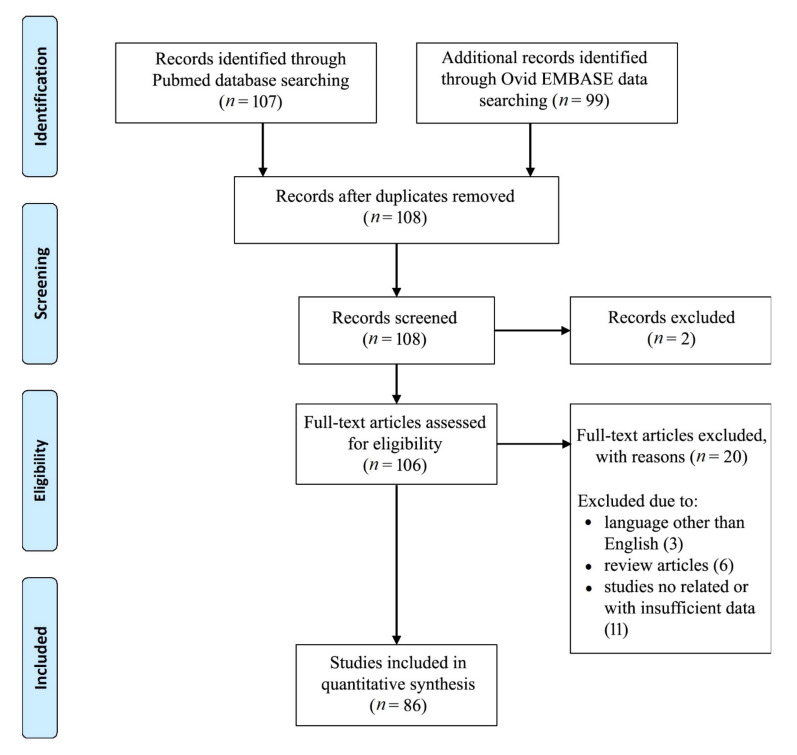
A Pubmed and Ovid EMBASE search was performed to identify papers that include surgical experiences with the exoscope in neurosurgery. PRISMA guidelines (Preferred Reporting Items for Systematic Reviews and Meta-analyses) were followed.
A total of 86 articles and 1711 cases were included and analyzed in this review. Among 86 papers included in this review 74 (86%) were published in the last 5 years. Out of 1711 surgical procedures, 1534 (89.6%) were performed in the operative room, whereas 177 (10.9%) were performed in the laboratory on cadavers. In more detail, 1251 (72.7%) were reported as brain surgeries, whereas 274 (16%) and 9 (0.5%) were reported as spine and peripheral nerve surgeries, respectively. Considering only the clinical series (40 studies and 1328 patients), the overall surgical complication rate was 2.6% during the use of the exoscope. These patients experienced complication profiles similar to those that underwent the same treatments with the OM. The overall switch incidence rate from exoscope to OM during surgery was 5.8%.
The exoscope seems to be a safe alternative compared to an operative microscope for the most common brain and spinal procedures, with several advantages that have been reached, such as an easier simplicity of use and a better 3D vision and magnification of the surgical field. Moreover, it offers the opportunity of better interaction with other members of the surgical staff. All these points set the first step for subsequent and short-term changes in the field of neurosurgery and offer new educational possibilities for young neurosurgery and medical students.
对于脑肿瘤、颅底手术、动脉瘤夹闭以及颈椎和腰椎复杂脊柱手术而言,外视镜是现有双目手术显微镜的一种安全有效的替代工具或辅助工具,这可能会在神经外科新工具和技术领域开启一个新时代。
进行了PubMed和Ovid EMBASE检索,以识别包含外视镜在神经外科手术经验的论文。遵循PRISMA指南(系统评价和Meta分析的首选报告项目)。
本综述共纳入并分析了86篇文章和1711例病例。在本综述纳入的86篇论文中,74篇(86%)发表于过去5年。在1711例手术中,1534例(89.6%)在手术室进行,而177例(10.9%)在实验室对尸体进行。更详细地说,1251例(72.7%)报告为脑部手术,而274例(16%)和9例(0.5%)分别报告为脊柱和周围神经手术。仅考虑临床系列(40项研究和1328例患者),使用外视镜期间的总体手术并发症发生率为2.6%。这些患者经历的并发症情况与接受相同治疗的手术显微镜患者相似。手术期间从外视镜转换为手术显微镜的总体发生率为5.8%。
与手术显微镜相比,外视镜对于最常见的脑部和脊柱手术似乎是一种安全的替代工具,具有已实现的几个优点,如使用更简便、手术视野的3D视觉和放大效果更好。此外,它为与手术团队的其他成员更好地互动提供了机会。所有这些都为神经外科领域的后续和短期变革奠定了第一步,并为年轻的神经外科医生和医学生提供了新的教育可能性。