Department of Chemistry, Pennsylvania State University, University Park, PA, USA.
Department of Chemistry, Johns Hopkins University, Baltimore, MD, USA.
Nature. 2022 Feb;602(7896):343-348. doi: 10.1038/s41586-021-04392-4. Epub 2022 Feb 2.
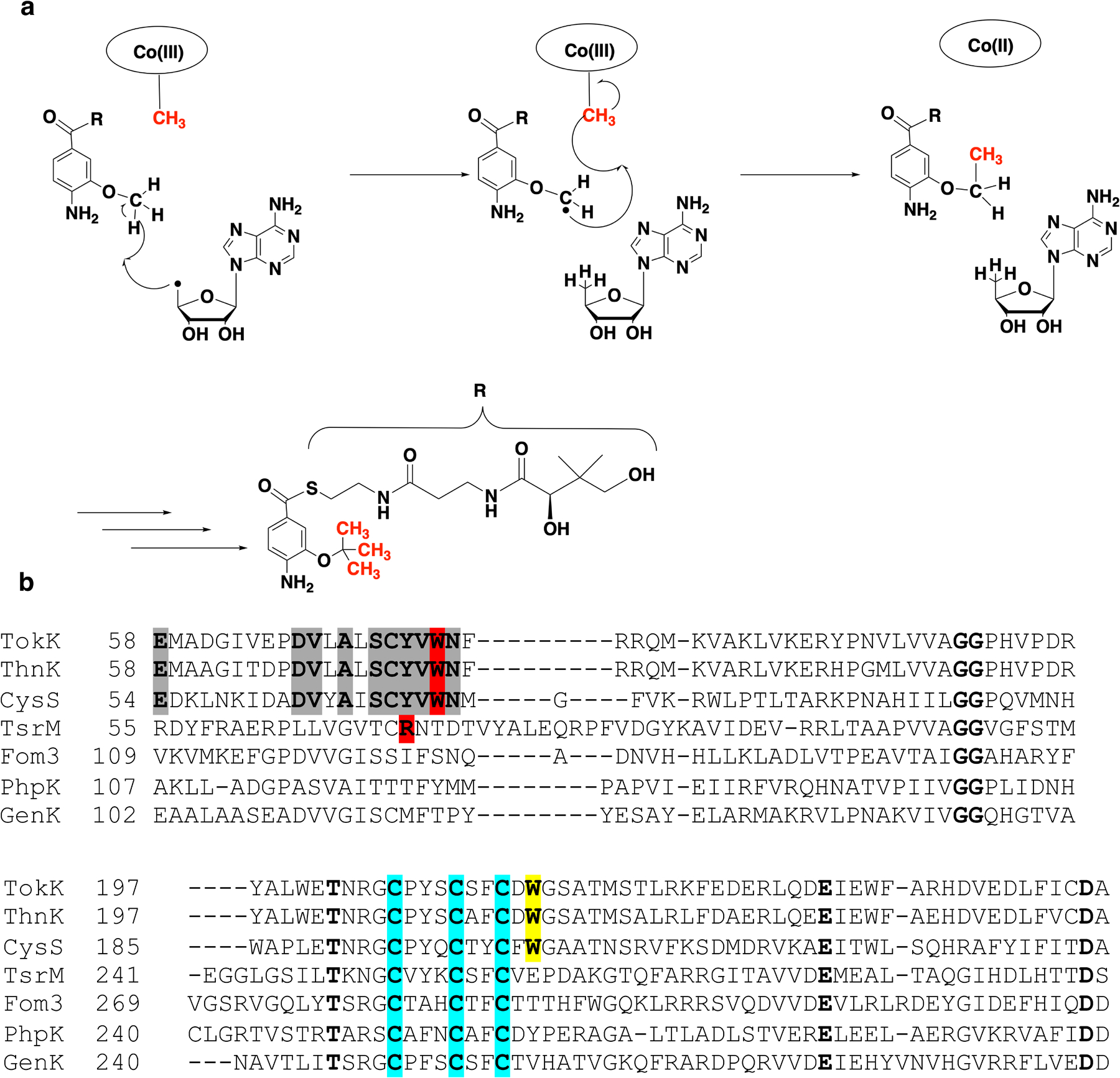
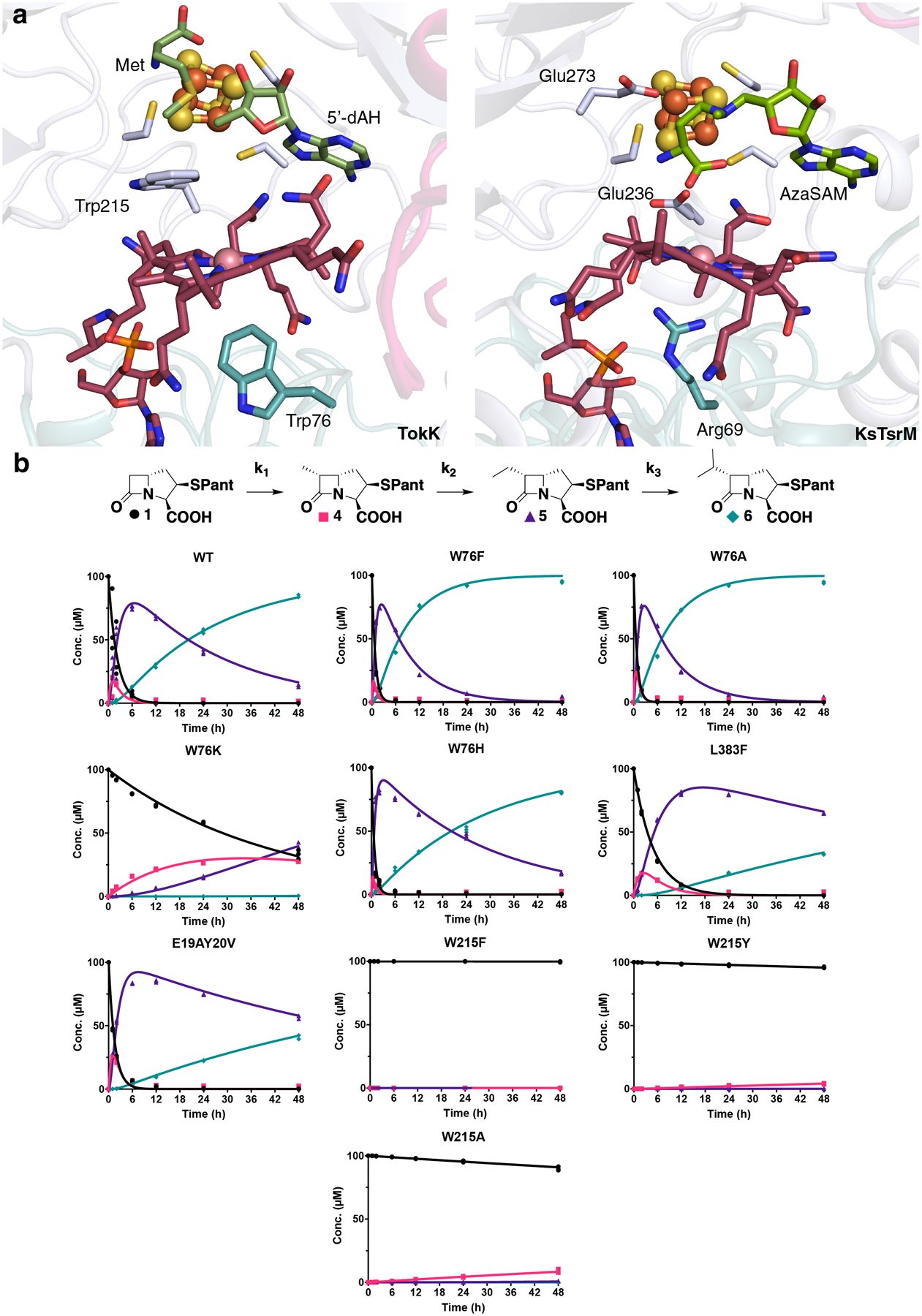
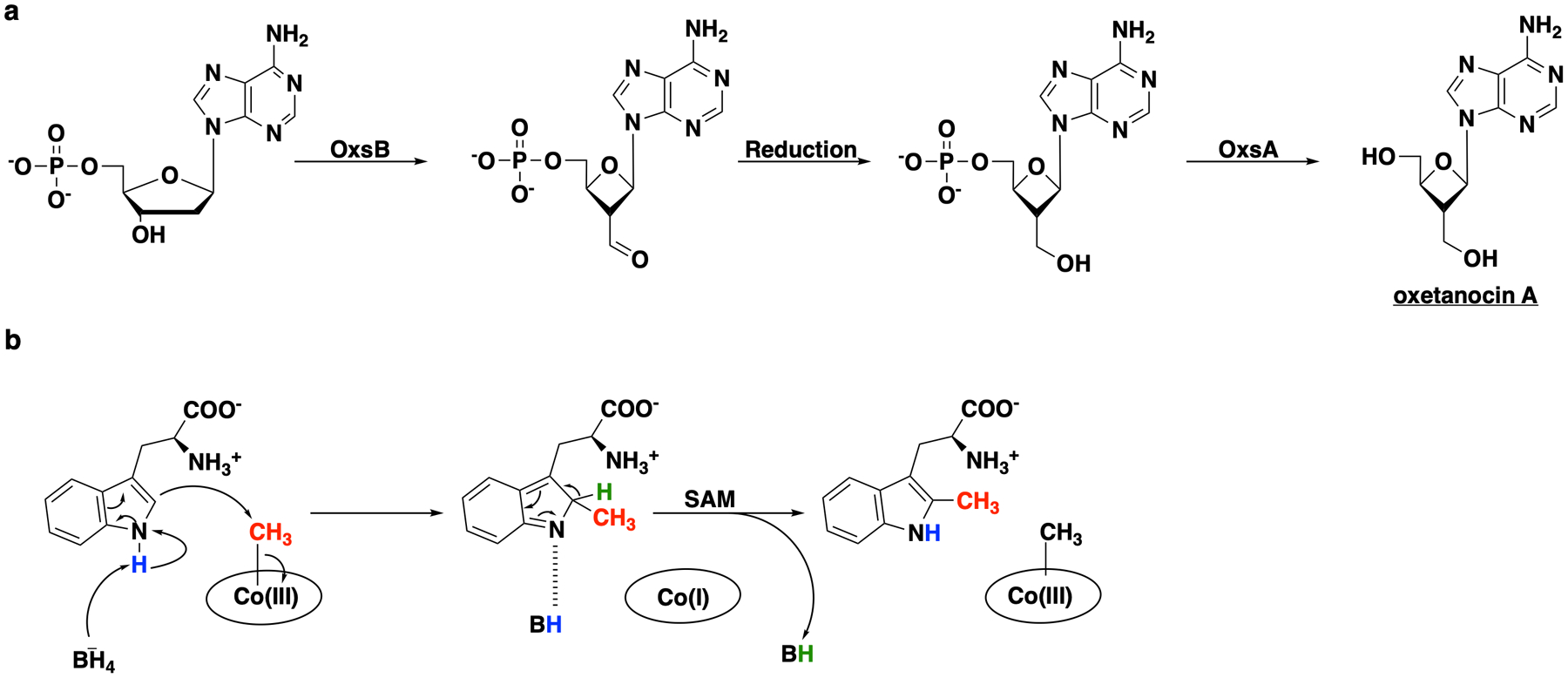
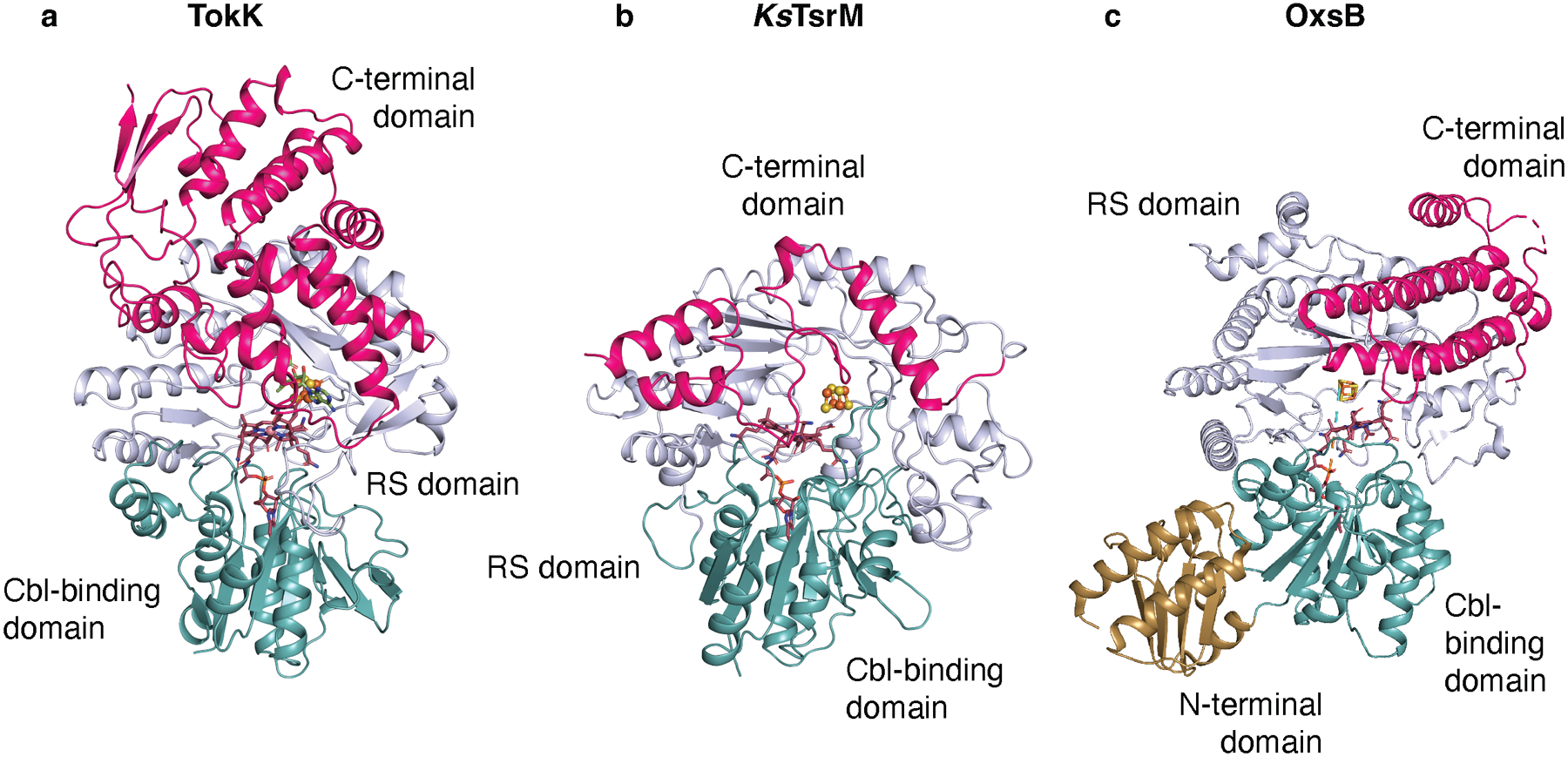
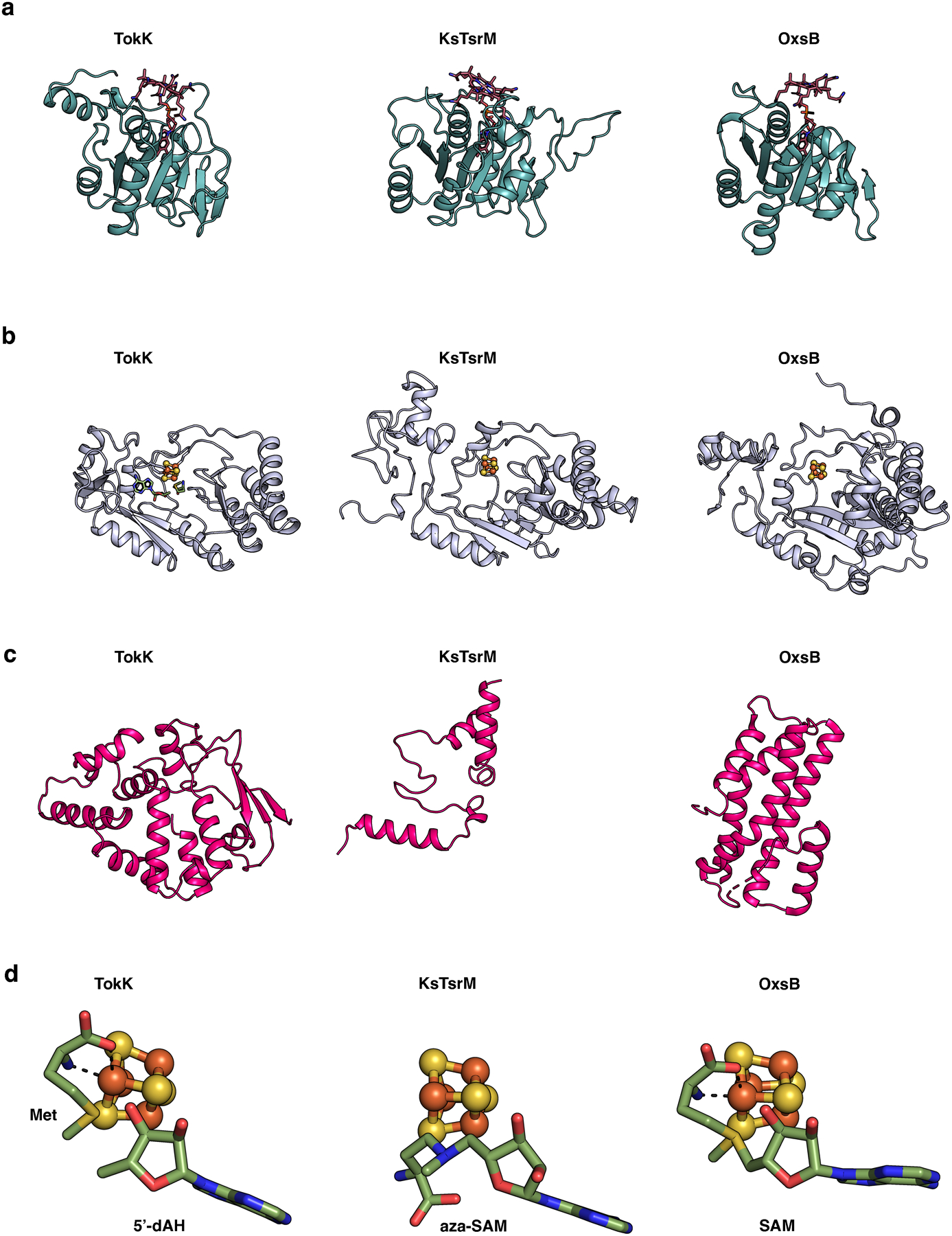
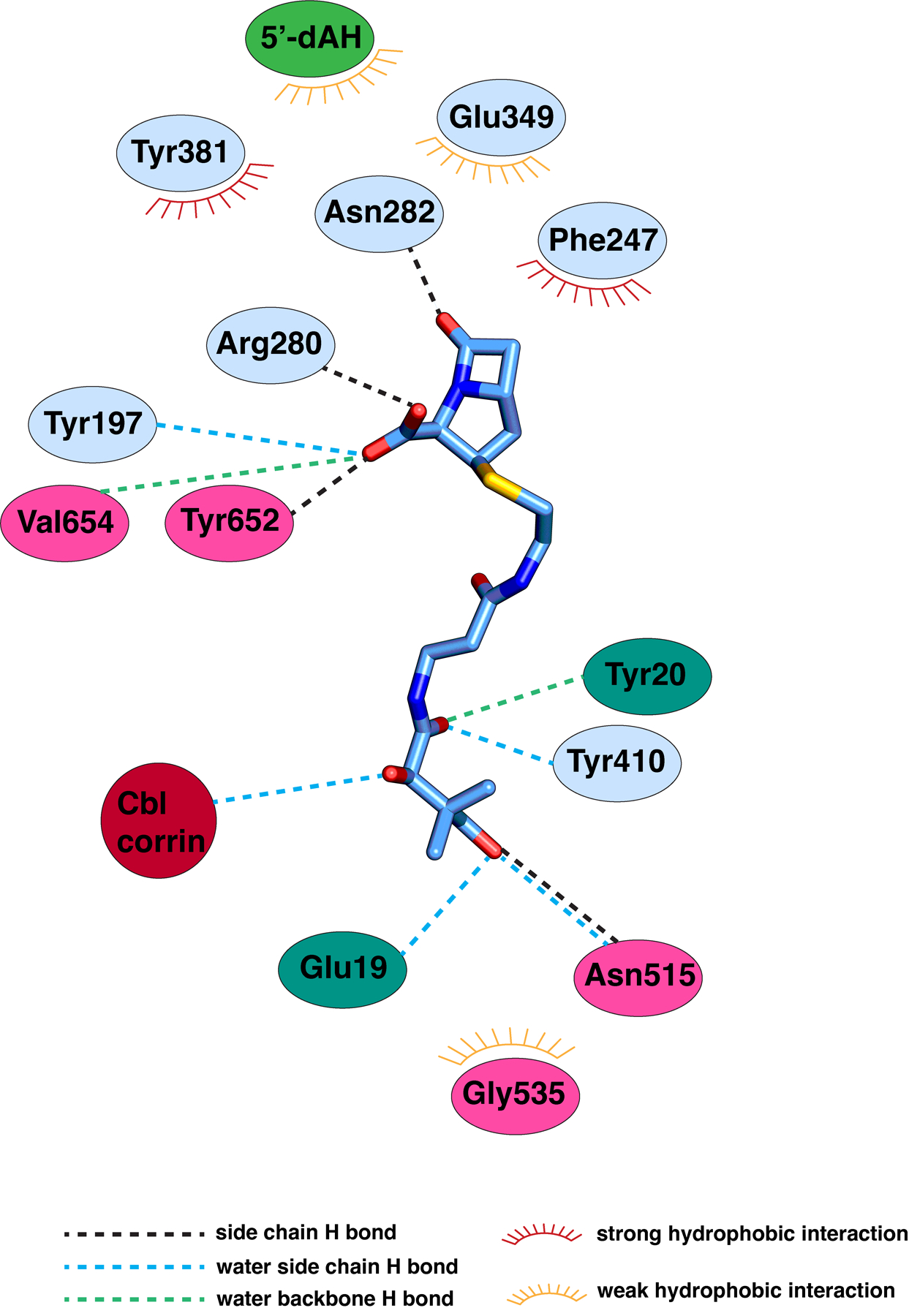
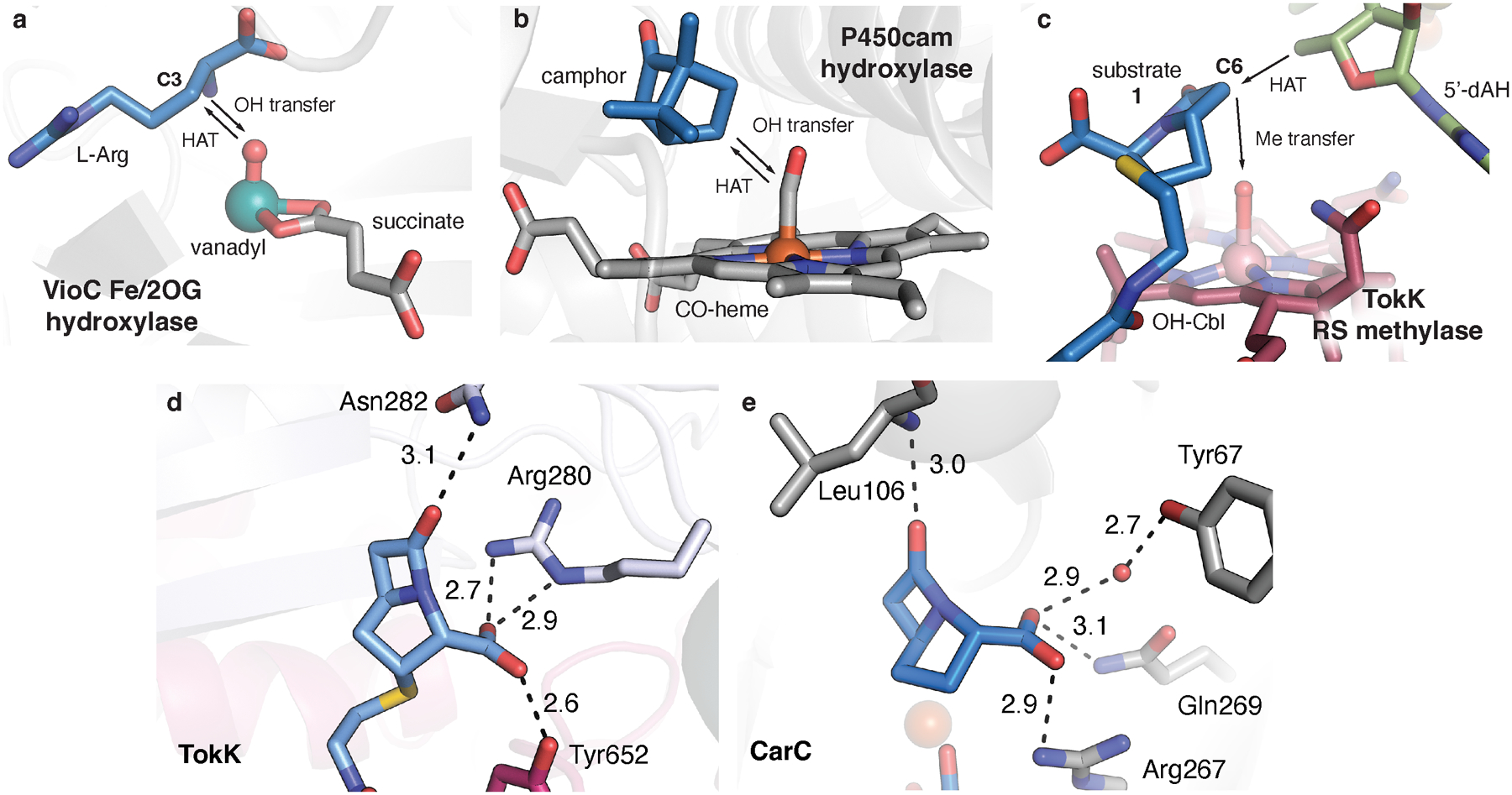
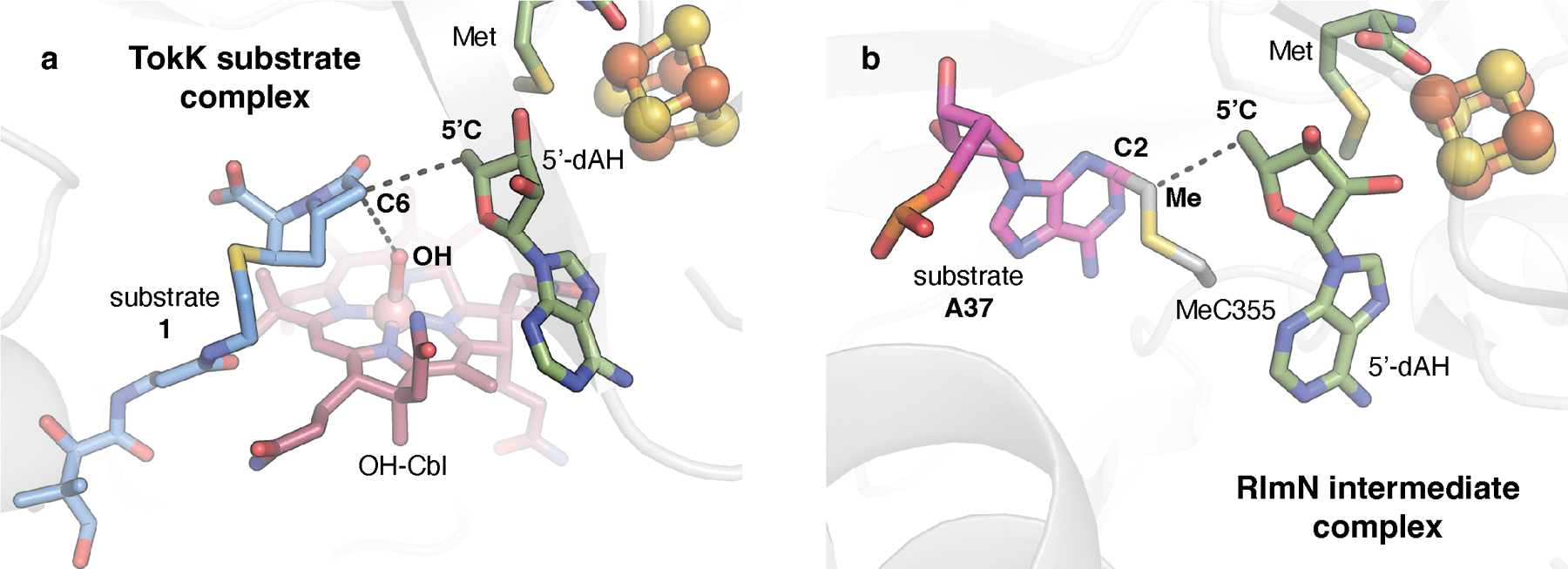
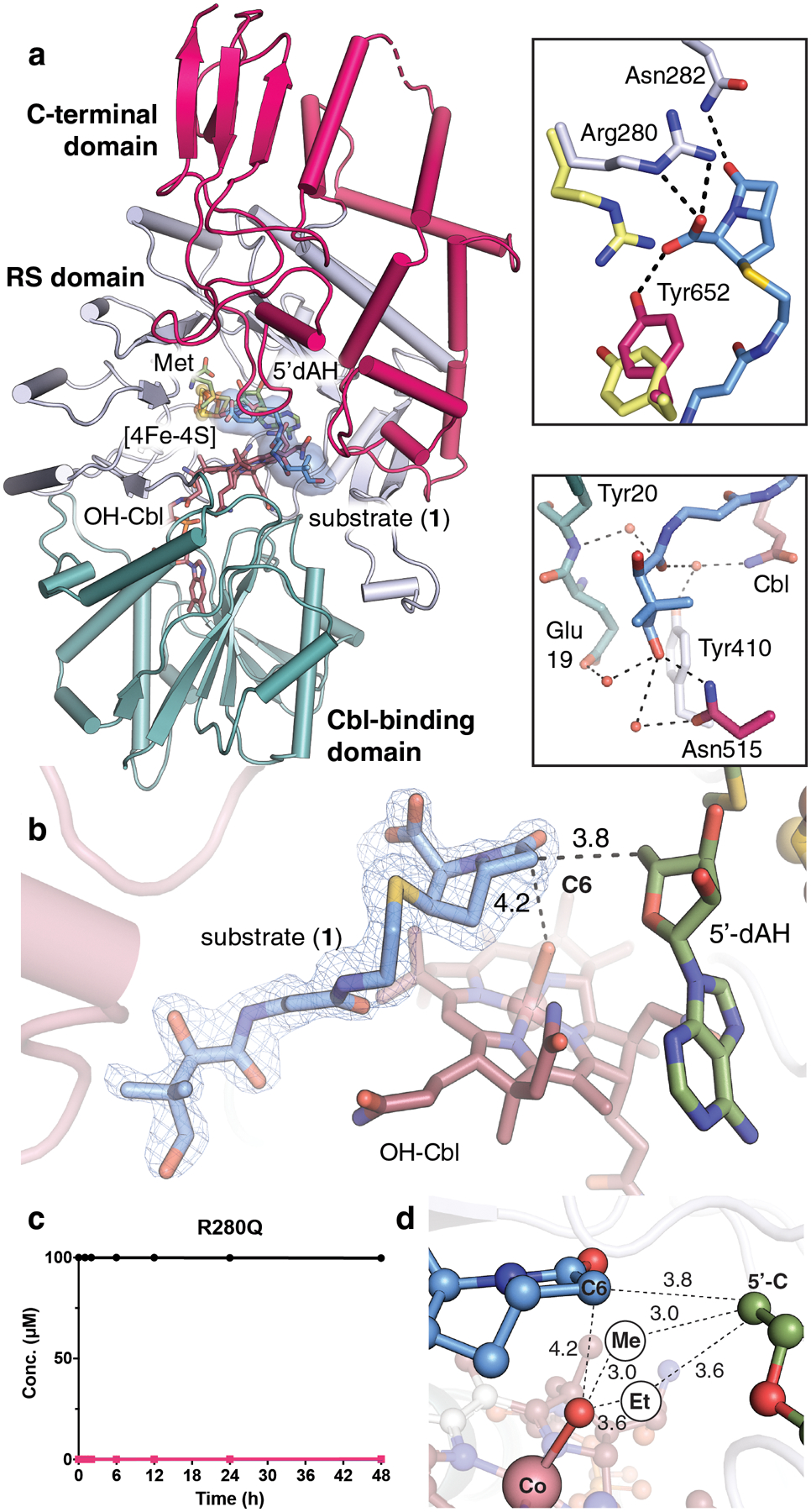
Carbapenems are antibiotics of last resort in the clinic. Owing to their potency and broad-spectrum activity, they are an important part of the antibiotic arsenal. The vital role of carbapenems is exemplified by the approval acquired by Merck from the US Food and Drug Administration (FDA) for the use of an imipenem combination therapy to treat the increased levels of hospital-acquired and ventilator-associated bacterial pneumonia that have occurred during the COVID-19 pandemic. The C6 hydroxyethyl side chain distinguishes the clinically used carbapenems from the other classes of β-lactam antibiotics and is responsible for their low susceptibility to inactivation by occluding water from the β-lactamase active site. The construction of the C6 hydroxyethyl side chain is mediated by cobalamin- or B-dependent radical S-adenosylmethionine (SAM) enzymes. These radical SAM methylases (RSMTs) assemble the alkyl backbone by sequential methylation reactions, and thereby underlie the therapeutic usefulness of clinically used carbapenems. Here we present X-ray crystal structures of TokK, a B-dependent RSMT that catalyses three-sequential methylations during the biosynthesis of asparenomycin A. These structures, which contain the two metallocofactors of the enzyme and were determined in the presence and absence of a carbapenam substrate, provide a visualization of a B-dependent RSMT that uses the radical mechanism that is shared by most of these enzymes. The structures provide insight into the stereochemistry of initial C6 methylation and suggest that substrate positioning governs the rate of each methylation event.
碳青霉烯类抗生素是临床治疗的最后手段。由于其效力和广谱活性,它们是抗生素库的重要组成部分。默克公司从美国食品和药物管理局 (FDA) 获得了碳青霉烯类抗生素与亚胺培南联合治疗 COVID-19 大流行期间医院获得性和呼吸机相关性细菌性肺炎的应用许可,这充分说明了碳青霉烯类抗生素的重要作用。临床使用的碳青霉烯类抗生素与其他β-内酰胺类抗生素的区别在于其 C6 羟乙基侧链,该侧链通过将水分子从β-内酰胺酶活性部位排除,使其对失活具有较低的敏感性。C6 羟乙基侧链的构建是由钴胺素或 B 依赖性自由基 S-腺苷甲硫氨酸 (SAM) 酶介导的。这些自由基 SAM 甲基转移酶(RSMTs)通过顺序甲基化反应组装烷基骨架,从而为临床使用的碳青霉烯类抗生素的治疗效果提供了基础。在这里,我们展示了 TokK 的 X 射线晶体结构,TokK 是一种 B 依赖性 RSMT,它在 asparenomycin A 生物合成过程中催化三个连续的甲基化反应。这些结构包含酶的两个金属辅因子,并且是在存在和不存在碳青霉烯类抗生素底物的情况下确定的,为大多数此类酶共享的 B 依赖性 RSMT 提供了一个可视化视图。这些结构提供了对初始 C6 甲基化立体化学的深入了解,并表明底物定位控制每个甲基化事件的速率。