Cao Ke, Verspoor Karin, Sahebjada Srujana, Baird Paul N
Centre for Eye Research Australia, Melbourne, VIC 3002, Australia.
Department of Surgery, Ophthalmology, The University of Melbourne, Melbourne, VIC 3002, Australia.
J Clin Med. 2022 Jan 18;11(3):478. doi: 10.3390/jcm11030478.
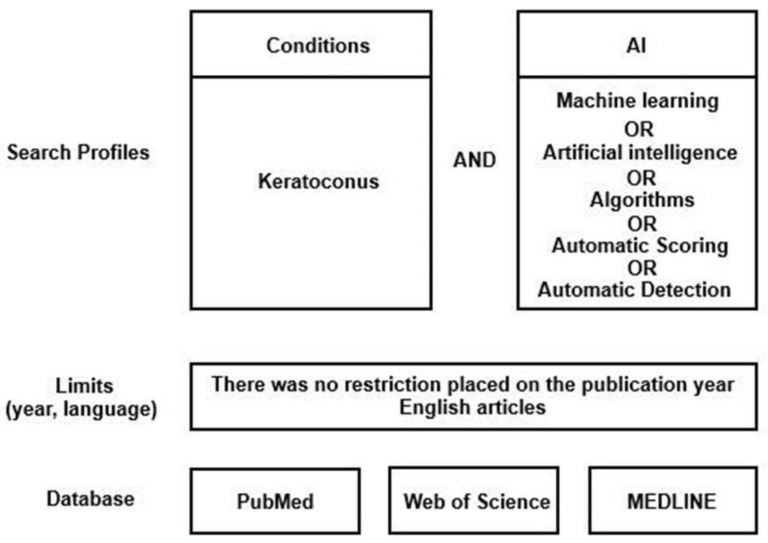
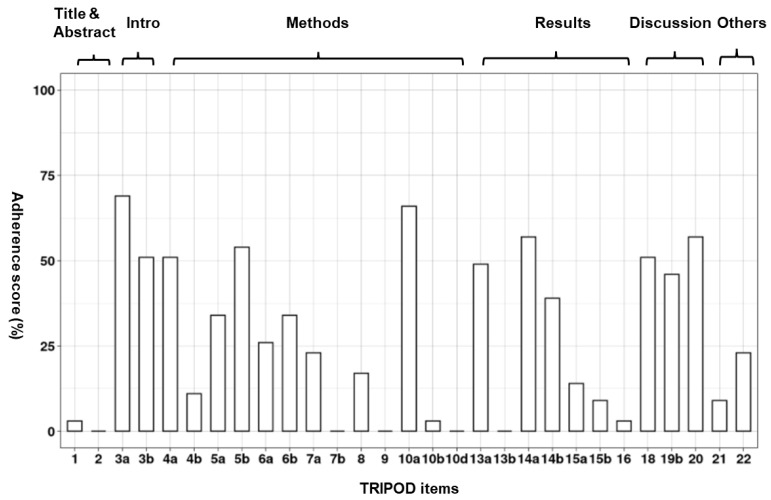
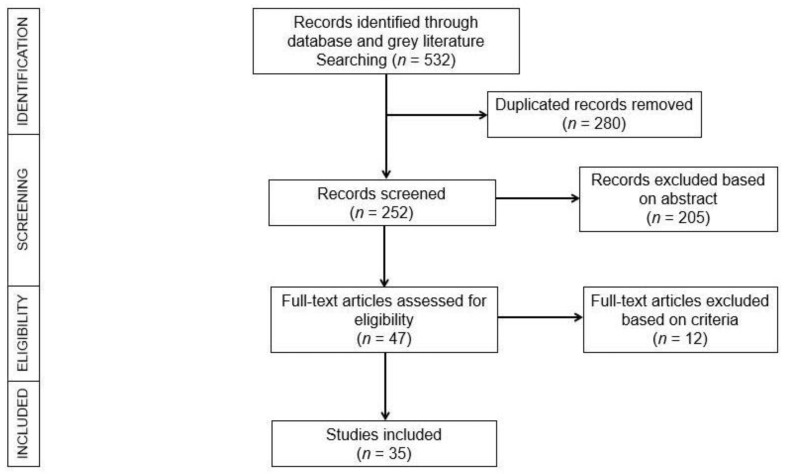
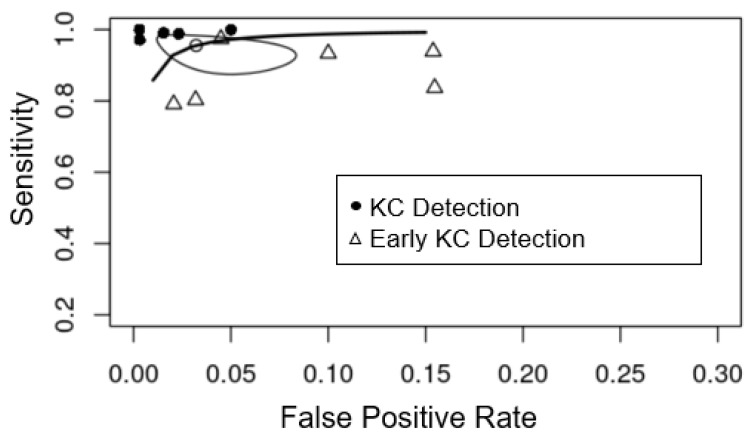
(1) Background: The objective of this review was to synthesize available data on the use of machine learning to evaluate its accuracy (as determined by pooled sensitivity and specificity) in detecting keratoconus (KC), and measure reporting completeness of machine learning models in KC based on TRIPOD (the transparent reporting of multivariable prediction models for individual prognosis or diagnosis) statement. (2) Methods: Two independent reviewers searched the electronic databases for all potential articles on machine learning and KC published prior to 2021. The TRIPOD 29-item checklist was used to evaluate the adherence to reporting guidelines of the studies, and the adherence rate to each item was computed. We conducted a meta-analysis to determine the pooled sensitivity and specificity of machine learning models for detecting KC. (3) Results: Thirty-five studies were included in this review. Thirty studies evaluated machine learning models for detecting KC eyes from controls and 14 studies evaluated machine learning models for detecting early KC eyes from controls. The pooled sensitivity for detecting KC was 0.970 (95% CI 0.949-0.982), with a pooled specificity of 0.985 (95% CI 0.971-0.993), whereas the pooled sensitivity of detecting early KC was 0.882 (95% CI 0.822-0.923), with a pooled specificity of 0.947 (95% CI 0.914-0.967). Between 3% and 48% of TRIPOD items were adhered to in studies, and the average (median) adherence rate for a single TRIPOD item was 23% across all studies. (4) Conclusions: Application of machine learning model has the potential to make the diagnosis and monitoring of KC more efficient, resulting in reduced vision loss to the patients. This review provides current information on the machine learning models that have been developed for detecting KC and early KC. Presently, the machine learning models performed poorly in identifying early KC from control eyes and many of these research studies did not follow established reporting standards, thus resulting in the failure of these clinical translation of these machine learning models. We present possible approaches for future studies for improvement in studies related to both KC and early KC models to more efficiently and widely utilize machine learning models for diagnostic process.
(1)背景:本综述的目的是综合关于使用机器学习来评估其在检测圆锥角膜(KC)时的准确性(由合并敏感度和特异度确定)的数据,并根据TRIPOD(个体预后或诊断的多变量预测模型的透明报告)声明来衡量KC中机器学习模型的报告完整性。(2)方法:两名独立评审员在电子数据库中检索了2021年之前发表的所有关于机器学习和KC的潜在文章。使用TRIPOD的29项清单来评估研究对报告指南的遵循情况,并计算每项的遵循率。我们进行了一项荟萃分析,以确定机器学习模型检测KC的合并敏感度和特异度。(3)结果:本综述纳入了35项研究。30项研究评估了用于从对照中检测KC眼的机器学习模型,14项研究评估了用于从对照中检测早期KC眼的机器学习模型。检测KC的合并敏感度为0.970(95%可信区间0.949 - 0.982),合并特异度为0.985(95%可信区间0.971 - 0.993),而检测早期KC的合并敏感度为0.882(95%可信区间0.822 - 0.923),合并特异度为0.947(95%可信区间0.914 - 0.967)。研究中对TRIPOD项目的遵循率在3%至48%之间,所有研究中单个TRIPOD项目的平均(中位数)遵循率为23%。(4)结论:机器学习模型的应用有可能使KC的诊断和监测更高效,从而减少患者的视力丧失。本综述提供了关于已开发用于检测KC和早期KC的机器学习模型的当前信息。目前,机器学习模型在从对照眼中识别早期KC方面表现不佳,并且许多这些研究未遵循既定的报告标准,因此导致这些机器学习模型在临床转化中失败。我们提出了未来研究的可能方法,以改进与KC和早期KC模型相关的研究,以便更高效、广泛地将机器学习模型用于诊断过程。