Abdelfattah Ahmed S, Ahuja Sapna, Akkin Taner, Allu Srinivasa Rao, Brake Joshua, Boas David A, Buckley Erin M, Campbell Robert E, Chen Anderson I, Cheng Xiaojun, Čižmár Tomáš, Costantini Irene, De Vittorio Massimo, Devor Anna, Doran Patrick R, El Khatib Mirna, Emiliani Valentina, Fomin-Thunemann Natalie, Fainman Yeshaiahu, Fernandez-Alfonso Tomas, Ferri Christopher G L, Gilad Ariel, Han Xue, Harris Andrew, Hillman Elizabeth M C, Hochgeschwender Ute, Holt Matthew G, Ji Na, Kılıç Kıvılcım, Lake Evelyn M R, Li Lei, Li Tianqi, Mächler Philipp, Miller Evan W, Mesquita Rickson C, Nadella K M Naga Srinivas, Nägerl U Valentin, Nasu Yusuke, Nimmerjahn Axel, Ondráčková Petra, Pavone Francesco S, Perez Campos Citlali, Peterka Darcy S, Pisano Filippo, Pisanello Ferruccio, Puppo Francesca, Sabatini Bernardo L, Sadegh Sanaz, Sakadzic Sava, Shoham Shy, Shroff Sanaya N, Silver R Angus, Sims Ruth R, Smith Spencer L, Srinivasan Vivek J, Thunemann Martin, Tian Lei, Tian Lin, Troxler Thomas, Valera Antoine, Vaziri Alipasha, Vinogradov Sergei A, Vitale Flavia, Wang Lihong V, Uhlířová Hana, Xu Chris, Yang Changhuei, Yang Mu-Han, Yellen Gary, Yizhar Ofer, Zhao Yongxin
Brown University, Department of Neuroscience, Providence, Rhode Island, United States.
University of Pennsylvania, Perelman School of Medicine, Department of Biochemistry and Biophysics, Philadelphia, Pennsylvania, United States.
Neurophotonics. 2022 Jan;9(Suppl 1):013001. doi: 10.1117/1.NPh.9.S1.013001. Epub 2022 Apr 27.
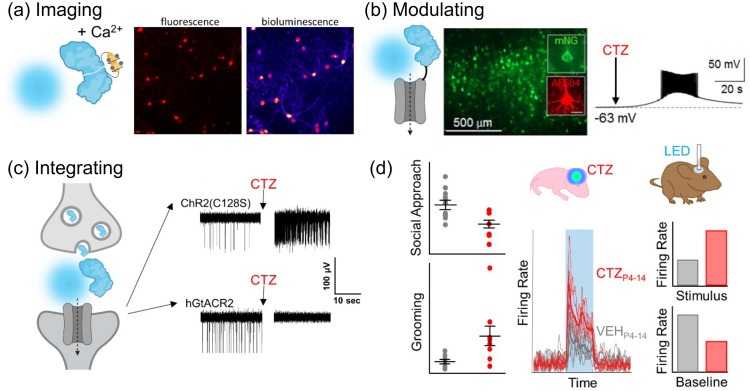
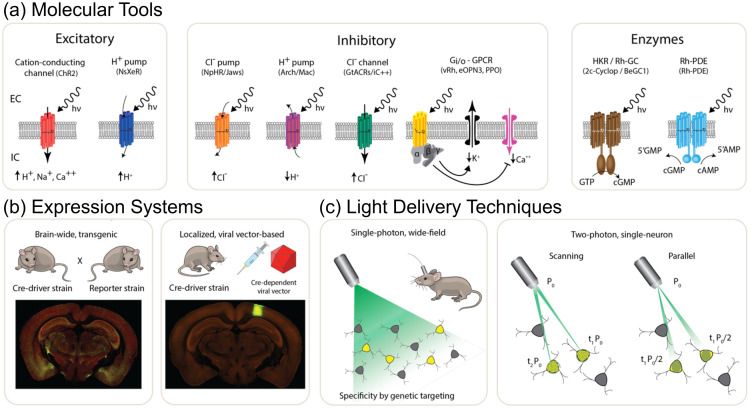
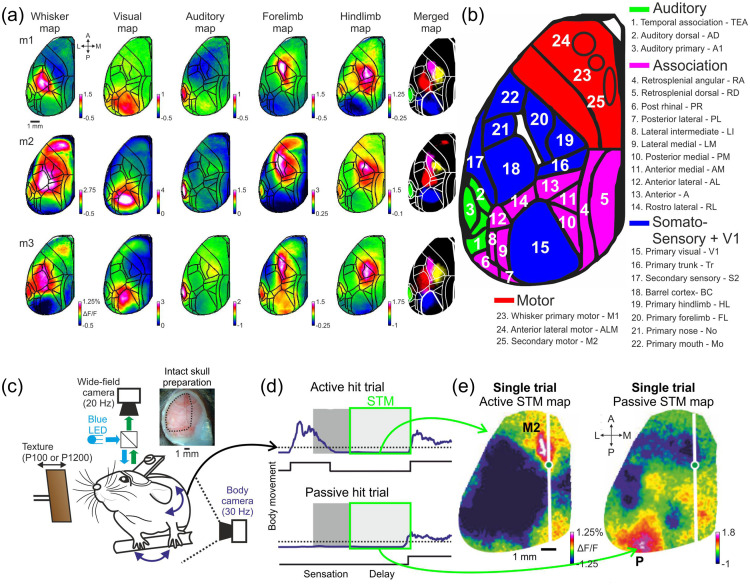
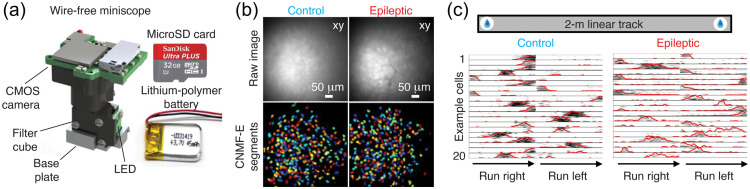
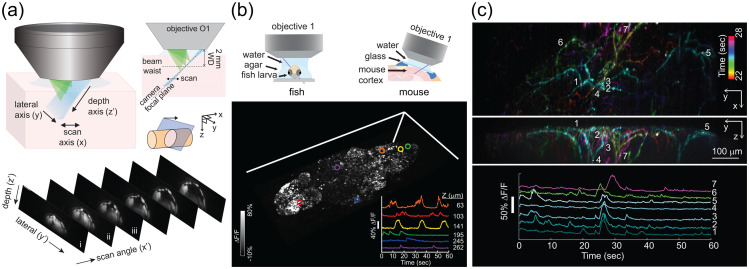
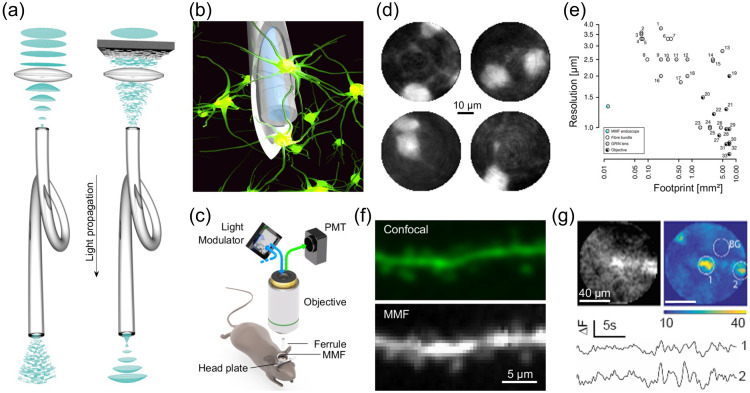
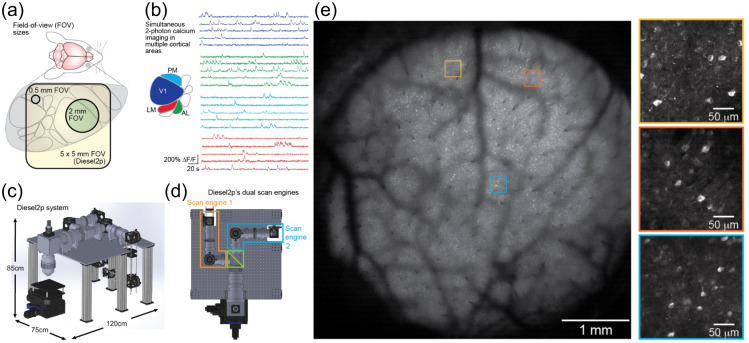
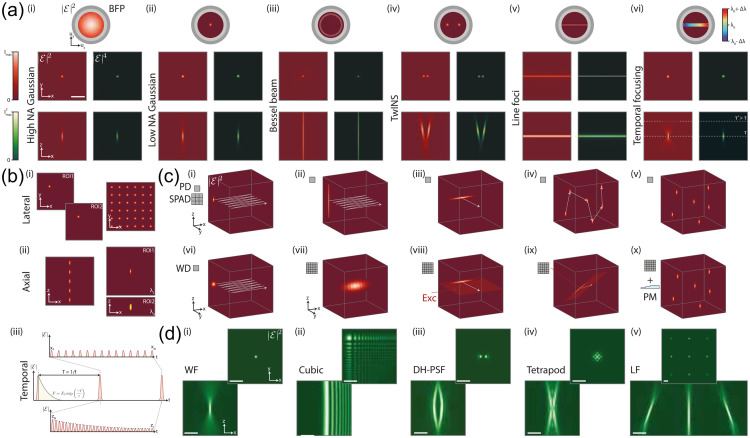
was launched in 2014 coinciding with the launch of the BRAIN Initiative focused on development of technologies for advancement of neuroscience. For the last seven years, ' agenda has been well aligned with this focus on neurotechnologies featuring new optical methods and tools applicable to brain studies. While the BRAIN Initiative 2.0 is pivoting towards applications of these novel tools in the quest to understand the brain, this status report reviews an extensive and diverse toolkit of novel methods to explore brain function that have emerged from the BRAIN Initiative and related large-scale efforts for measurement and manipulation of brain structure and function. Here, we focus on neurophotonic tools mostly applicable to animal studies. A companion report, scheduled to appear later this year, will cover diffuse optical imaging methods applicable to noninvasive human studies. For each domain, we outline the current state-of-the-art of the respective technologies, identify the areas where innovation is needed, and provide an outlook for the future directions.
该计划于2014年启动,恰逢专注于开发神经科学推进技术的“大脑计划”(BRAIN Initiative)启动。在过去七年里,“[具体计划名称未提及]”议程与对神经技术的这一关注高度契合,这些神经技术具有适用于脑研究的新光学方法和工具。虽然“大脑计划2.0”正转向将这些新颖工具应用于探索大脑的研究中,但本现状报告回顾了一系列广泛且多样的新颖方法工具集,这些方法是从“大脑计划”以及相关的用于测量和操纵脑结构与功能的大规模研究中涌现出来的,用于探索脑功能。在此,我们重点关注主要适用于动物研究的神经光子学工具。一份配套报告计划于今年晚些时候发布,将涵盖适用于非侵入性人体研究的漫射光学成像方法。对于每个领域,我们概述了各自技术的当前最新水平,确定了需要创新的领域,并对未来方向进行了展望。